Boston is more than just historical landmarks and tourist trails; it's a city of vibrant, distinct neighborhoods, each with its own rhythm, culture, and unwritten rules. While the Freedom Trail offers a glimpse into the past, the city's true character lives in its local markets, neighborhood bars, independent art scenes, and community green spaces. This guide is designed to take you off the beaten path, offering a curated list of immersive experiences that reveal how Bostonians actually live, eat, and connect for a full cultural experience.
Forget generic itineraries that treat the city like a checklist. This is a roundup focused on providing a local guide to Boston. We'll explore the city not as a collection of sights, but as a living, breathing community. From navigating the cash-only chaos of Haymarket to understanding the social codes of a Fenway sports bar, this is a deep dive into the authentic side of the city.
You will find actionable insights into the boston things to do that offer a genuine taste of local life. We cover everything from self-guided walking tours with a local twist and neighborhood food sourcing rituals to exploring diverse cultural enclaves like Jamaica Plain and Roxbury. This guide provides the context needed to travel like a local, respecting the unique identity of each area. Whether you're here for a weekend or settling in as a digital nomad, these recommendations will help you experience the real, unfiltered Boston.
1. Freedom Trail Walking Tour (Self-Guided Local Route)
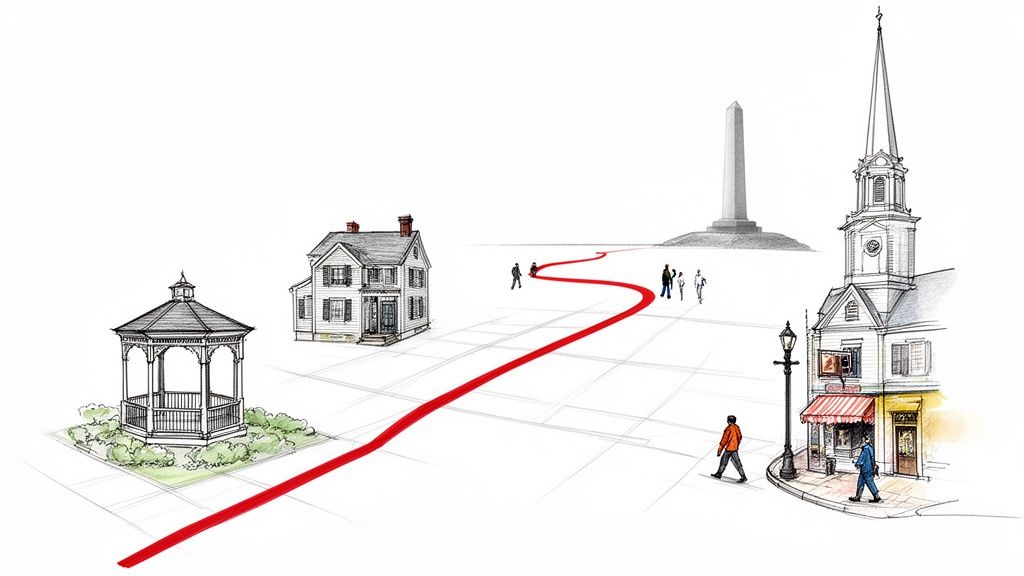
The Freedom Trail is a classic Boston experience, a 2.3-mile red-brick line connecting 16 nationally significant historic sites. However, to truly experience it like a local, skip the large tour groups and embark on a self-guided journey during off-peak hours. This approach transforms a tourist staple into an immersive exploration, giving you the freedom to duck into adjacent neighborhoods and uncover the city’s authentic colonial-era charm.
Why a Self-Guided Tour?
A self-guided walk offers flexibility and discovery. You can pause to admire the architecture, grab an espresso from an independent North End café, or explore a quiet courtyard missed by conventional tours. This method is ideal for independent travelers wanting a deeper cultural connection beyond the main historical narrative.
Local-Approved Tips for Implementation
Follow the red line, but use these local strategies to enhance your walk:
- Reverse the Route: Start at the Bunker Hill Monument in Charlestown and walk toward Boston Common. Most tours begin at the Common, so this reverse itinerary offers a much quieter, less crowded experience, especially in the morning.
- Explore Side Streets: The real magic lies just off the brick path. In the North End, wander down the narrow streets to find hidden passageways and authentic Italian bakeries frequented by residents. Near the Old State House, explore the small alleys that once housed colonial artisans.
- Time it Right: Begin your walk on a weekday morning before 10 AM. The soft morning light and quiet streets create a more atmospheric and personal connection to the history around you.
Local Insight: "Don't just stick to the red line. Use it as your spine, but branch out. The Paul Revere House is essential, but the real prize is discovering the quiet, cobblestone lanes around it or the harbor views from Copp's Hill Burying Ground that tour buses skip."
2. Boston Public Market & Haymarket (Neighborhood Food Sourcing)
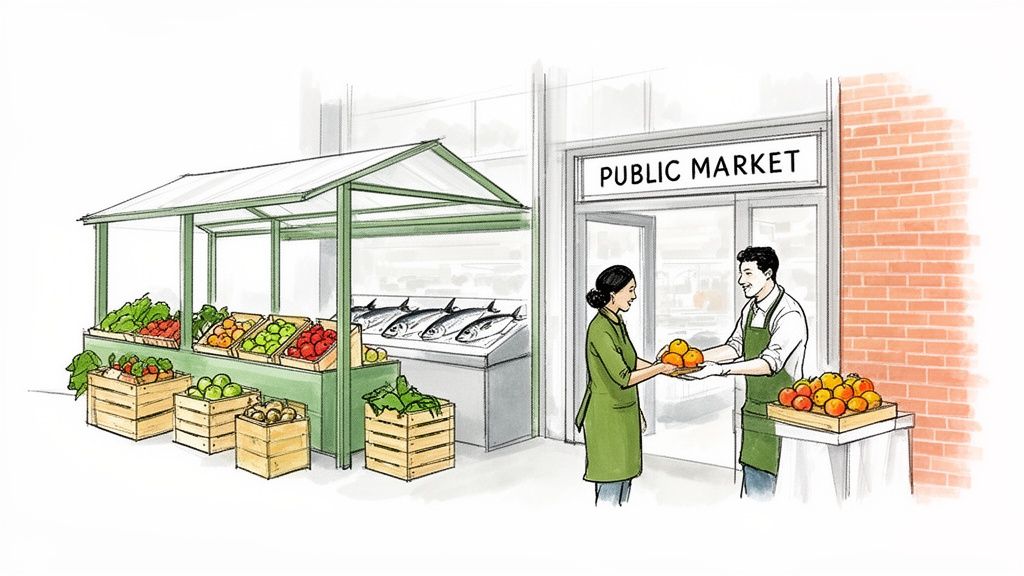
To tap into Boston's authentic food culture, skip the supermarket and head straight to the source: the adjacent Boston Public Market and Haymarket. This dynamic duo offers a real-time glimpse into how locals shop, eat seasonally, and connect with regional producers. The year-round indoor Boston Public Market features artisanal New England products, while the historic, open-air Haymarket provides a gritty, vibrant produce experience that has served the city for generations.
Why Sourcing Food Like a Local?
Shopping here isn't just about buying food; it's about cultural immersion. You’ll overhear conversations about what's in season, get cooking tips directly from a fishmonger, and understand the rhythm of neighborhood life. This experience is perfect for travelers who want to connect with the city's culinary heartbeat and discover the ingredients that define New England cuisine.
Local-Approved Tips for Implementation
Navigate these markets like a resident for an authentic and rewarding visit:
- Visit on a Friday Morning: Experience Haymarket (open Fridays and Saturdays) before the weekend rush. The energy is high but manageable, and vendors are more available for a chat. Then, step inside the Boston Public Market for specialty items like local cheese or fresh pasta.
- Bring Cash and Your Own Bag: While the indoor market accepts cards, Haymarket is a predominantly cash-only environment. Coming prepared with small bills and a reusable bag is a classic local move.
- Engage with the Vendors: Don't just browse. Ask a vendor at New England Produce Company what’s best that week, or ask a fishmonger for their recommendation on how to prepare the day's catch. Their answers provide direct insight into local cooking habits.
Local Insight: "Haymarket and the Public Market are two sides of the same coin. Start at Haymarket for the loud, chaotic, and incredibly cheap produce experience. Then, go inside the Public Market for the curated, artisanal stuff. It’s how you get the best of both worlds, just like we do."
3. Neighborhood Dive Bars & Sports Bars (Local Watering Holes)
Boston's authentic social fabric is woven in its neighborhood bars, the unpretentious spots where regulars gather, sports fuel conversations, and local history lines the walls. Stepping into one of these establishments offers a genuine glimpse into how Bostonians actually socialize. It’s one of the best things to do in Boston to understand the city's deeply ingrained sports culture and unwritten community codes, far from the polished tourist traps.
Why Visit a Local Watering Hole?
This experience is for travelers seeking an unfiltered cultural immersion. Unlike generic downtown bars, these spots provide a direct connection to neighborhood identity. It's an opportunity to observe local camaraderie, listen to authentic Boston accents, and feel the city's pulse during a big game, offering a social experience that guidebooks often miss.
Local-Approved Tips for Implementation
To do this right, you need to respect the local customs and blend in.
- Choose the Right Spot: While Bleacher Bar offers a unique view into Fenway, a place like Sullivan's Tap in South Boston provides a deeper, more traditional neighborhood feel. Pick a bar away from major tourist hubs for a more authentic visit.
- Time Your Visit Strategically: Arrive on a weekday afternoon (Tuesday-Thursday) to experience the bar at its most relaxed. This is the best time to chat with the bartender and regulars without the intensity of a game-day crowd.
- Observe Bar Etiquette: If it’s a game night, avoid taking a seat at the bar unless you're a regular; find a table instead. Engage in sports talk respectfully, know the basics about Boston teams, and always tip your bartender well.
Local Insight: "Don't walk in and ask for a complicated craft cocktail. Order a local beer and observe. The bartender is the gatekeeper to the neighborhood's secrets. A good tip and genuine interest will get you better recommendations for food and local spots than any travel site."
4. Institute of Contemporary Art (ICA) & Museum of Fine Arts (Curated Art Experience)
While Boston’s world-class museums are on every travel guide, locals approach them not as monolithic attractions but as dynamic cultural spaces. Instead of trying to see everything, residents curate their visits to the Institute of Contemporary Art (ICA) and the Museum of Fine Arts (MFA) around specific exhibitions, artist talks, or free evenings. This targeted approach transforms a generic museum day into a meaningful cultural engagement reflecting Boston’s intellectual and artistic pulse.
Why a Curated Art Experience?
A curated visit allows you to connect with the art that resonates most with Bostonians today. Attending a lecture on social justice through photography at the ICA or exploring the MFA’s American Wing reveals the city’s historical and contemporary priorities. This method is perfect for travelers who want to understand the local cultural conversation rather than just checking off a list of famous paintings.
Local-Approved Tips for Implementation
Engage with Boston’s art scene like a resident with these focused strategies:
- Visit with Intent: Before you go, check the museums’ event calendars. Prioritize a single temporary exhibition featuring a New England artist or a specific gallery, like the MFA’s impressive Art of the Americas wing.
- Time Your Visit for Quiet: The best times to avoid crowds and truly appreciate the art are weekday mornings, especially Tuesday through Thursday between 9 and 11 AM. Many locals also take advantage of free or pay-what-you-wish evening hours.
- Combine Art with Neighborhoods: Use your visit as a launchpad. After the ICA, explore the modern architecture and waterfront parks of the Seaport District. A trip to the MFA pairs perfectly with a stroll through the serene Fenway Victory Gardens nearby.
Local Insight: "Nobody I know tries to 'do' the whole MFA in one day. We go for a specific reason, like a new exhibit or a film screening. The real experience is seeing how the art connects to the city's current conversations, which you find at the artist talks and special events."
5. Jamaica Plain & Roxbury Neighborhood Exploration (Diverse Cultural Enclaves)
To find the true cultural heartbeat of Boston, step away from downtown and explore Jamaica Plain (JP) and Roxbury. These vibrant, diverse neighborhoods are centers for the city's African American, Latino, and immigrant communities, offering authentic food, independent businesses, and powerful street art that mainstream tourism often overlooks. This is where you’ll discover how Bostonians live, celebrate, and build community.
Why Explore These Neighborhoods?
Visiting JP and Roxbury offers a genuine cultural exchange beyond historical reenactments. You'll support local, family-owned businesses and gain a deeper understanding of the city's contemporary identity. This is one of the most rewarding things to do in Boston for travelers seeking an immersive experience rooted in community and authenticity.
Local-Approved Tips for Implementation
Navigate these areas with respect and an open mind using these resident-approved strategies:
- Eat Authentically: Head to Centre Street in Jamaica Plain for incredible Dominican and Caribbean food at family-run spots. Don't be shy; ask for the daily specials or recommendations. In Roxbury's Nubian Square, seek out soul food and West African cuisine.
- Engage with Art and History: Explore the powerful street art installations around Jackson Square and Nubian Square that tell stories of resilience and pride. Visit the Roxbury Heritage State Park to learn about Boston's deep African American history.
- Shop with Purpose: Skip the chain stores and support independent bookstores, bodegas, and community-focused shops. Your spending directly contributes to the local economy and helps preserve the unique character of these neighborhoods.
Local Insight: "Don't just pass through. Grab a coffee, sit at a park, and observe. Attend a local event if you can, like the Dominican Festival in August. The best experiences come from slowing down and connecting with the rhythm of the neighborhood, not just checking off a list."
6. Cambridge & Harvard Square (Academic Culture & Independent Scene)
Across the Charles River, Cambridge offers a distinct intellectual and bohemian atmosphere that is central to the Boston identity. While many visitors see Harvard Yard, experiencing the area like a local means diving into its independent culture, from its legendary bookstores and experimental theaters to the coffee shops where academic debates unfold. This isn't just a tour of a university; it's an immersion into Boston's intellectual soul.
Why Explore the Independent Scene?
Engaging with Cambridge's independent venues provides a direct line to the city's cultural currents. It reveals how Boston’s academic and artistic communities intersect, offering a more nuanced and authentic experience than a simple campus walk-through. This approach is perfect for travelers who want to understand the ideas and creative forces that shape the city.
Local-Approved Tips for Implementation
To properly explore Cambridge, treat it as a cultural ecosystem rather than a tourist destination:
- Go Beyond the Main Shelves: Visit the Harvard Book Store, but head to the used book cellar. Here you’ll find obscure academic texts and annotated volumes that offer a glimpse into the research and passions of local scholars.
- Seek Out Experimental Arts: Check the schedule for the American Repertory Theater (A.R.T.), known for its pre-Broadway productions and avant-garde performances. For live music, explore the independent venues in nearby Central Square.
- Embrace Café Culture: Settle into an independent coffee shop like Darwin's Ltd. or a Tatte Bakery & Café for a few hours. This is a prime spot for observing the area's social dynamics and listening to conversations that range from quantum physics to political theory.
Local Insight: "Don't just walk through Harvard Yard. Attend a free public lecture or a poetry reading at the Grolier Poetry Book Shop. That’s where you’ll find the real Cambridge. The city’s true character is in its active intellectual life, not just its historic buildings."
7. Harbor Islands, Emerald Necklace & Outdoor Recreation (Waterfront and Green Spaces)
Boston’s outdoor life extends far beyond the central parks, encompassing a network of harbor islands and expansive greenways that locals use for everything from hiking to harbor-side picnics. Experiencing these spaces reveals how Bostonians connect with nature and escape urban density. This approach to exploring Boston things to do offers a refreshing, authentic alternative to indoor attractions, showcasing the city's commitment to accessible natural beauty.
Why Explore Boston's Green Infrastructure?
Connecting with Boston’s parks and islands provides a genuine look into local leisure culture. It’s an opportunity to see how residents use these spaces for recreation, community events, and quiet reflection. This perspective is perfect for travelers who want to slow down, enjoy scenic views, and understand the city's seasonal rhythms away from crowded tourist centers.
Local-Approved Tips for Implementation
Integrate these natural escapes into your itinerary using a local mindset:
- Island-Hop Strategically: Take the ferry to Georges Island to explore historic Fort Warren, then head to Spectacle Island for its sandy beach and panoramic city views. Check ferry schedules in advance and pack your own water and snacks, as amenities are limited.
- Segment the Emerald Necklace: Don't try to walk Frederick Law Olmsted’s entire park system in one day. Instead, experience it by neighborhood. Kayak on Jamaica Pond one afternoon or visit the Arnold Arboretum for its world-class plant collections another day.
- Hike Like a Local: For more serious hiking, head to the Blue Hills Reservation just south of the city. Its well-marked trails offer moderate challenges and incredible skyline views, providing a popular weekend workout for residents.
Local Insight: "We treat the Harbor Islands like our backyard beaches. A weekday ferry to Spectacle Island with a picnic is the best way to beat the crowds and get an amazing view of the skyline. It feels like a real escape, but you’re still in the city."
8. Boston's Independent Coffee Shop Culture (Neighborhood Identity Markers)
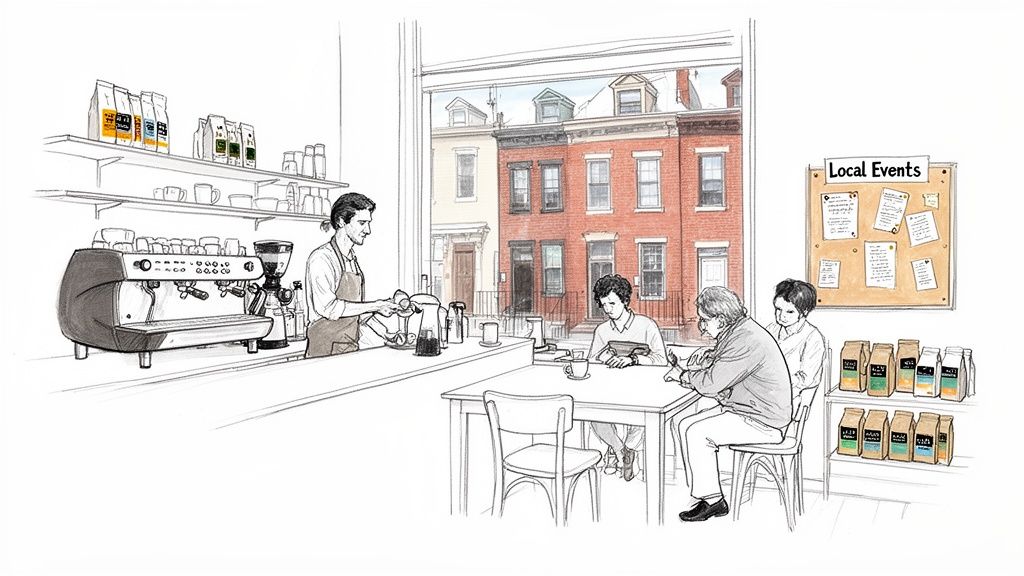
Beyond the big chains, Boston’s independent coffee shops are the true social centers of its diverse neighborhoods. These are not just places to get a quick caffeine fix; they are markers of local identity where residents work, socialize, and connect. Exploring these spots offers an authentic glimpse into the city's daily rhythm, making it one of the most immersive things to do in Boston for anyone wanting to experience the culture beyond the tourist trail.
Why Visit a Neighborhood Cafe?
Visiting a local cafe like George Howell Coffee or Trident Booksellers & Cafe provides a direct line into a neighborhood's character. You can observe community dynamics, discover local art, and even overhear conversations about neighborhood events. This approach is perfect for travelers who prefer unstructured cultural immersion over scheduled activities, offering a real taste of what it's like to live in Boston.
Local-Approved Tips for Implementation
Use these strategies to transform a simple coffee run into a meaningful cultural experience:
- Become a Temporary Regular: Visit the same shop a few times. Baristas at places like Gracenote Coffee often remember faces and are great sources for hyper-local recommendations on restaurants or hidden parks.
- Order the Local Favorite: Ask the barista what the signature drink or most popular roast is. This often reflects the specific taste preferences and craft-focused values of that particular neighborhood.
- Sit and Observe: Don’t just grab your coffee and go. Settle in for an hour to work or read. Notice how people interact, the kind of work they do, and the general vibe of the space.
Local Insight: "The Paramount in Beacon Hill isn't just a coffee shop; it's a living room for the neighborhood. You'll see the same people every morning. The key is to engage-ask the person next to you about their favorite spot nearby. That's how you uncover the real Boston."
9. Fenway Park Neighborhood Experience (Beyond the Game)
While Fenway Park is an iconic baseball landmark, the true Boston sports culture thrives in the neighborhood surrounding it, not just inside the stadium. Experiencing the Fenway-Kenmore area on both game days and non-game days reveals the community's authentic character, from the electric energy on Lansdowne Street to the quiet residential blocks nearby. This approach lets you engage with the city's passion for sports as a part of daily life rather than just a ticketed event.
Why Explore Beyond the Stadium?
Focusing on the neighborhood offers a richer, more accessible cultural immersion. You can feel the city’s pulse without needing a game ticket, discovering historic pubs, interacting with street vendors, and understanding how the ballpark anchors the entire community. It’s the perfect way for travelers to connect with local traditions and experience one of the best things to do in Boston from a resident's perspective.
Local-Approved Tips for Implementation
Use these strategies to explore the Fenway neighborhood like a local:
- Visit on a Non-Game Day: Walk through the area on a weekday afternoon to see it without the crowds. The streets are quieter, allowing you to appreciate the architecture and discover year-round local spots that aren't just for tourists.
- Embrace the Bleacher Culture: If you do attend a game, opt for bleacher seats. They offer the most affordable entry and are where you'll find the most passionate, authentic fans. It’s less about a premium view and more about the raw, unfiltered community experience.
- Experience Lansdowne Street: Even without a ticket, the bars on Lansdowne Street are a destination. Arrive a couple of hours before a game to soak in the pre-game energy, or visit on an off-night for a more relaxed vibe with local regulars.
Local Insight: "Forget the expensive seats. The real Fenway experience is grabbing a sausage from a street vendor on Yawkey Way, then heading to a Lansdowne bar to watch the game with the crowd. The energy outside is often just as electric as it is inside."
10. Boston's Neighborhood Food Scenes (Italian North End, Chinese Chinatown, etc.)
Boston's culinary identity is best understood by exploring its vibrant neighborhood food scenes. Instead of relying on downtown tourist traps, diving into the distinct food cultures of the North End (Italian), Chinatown (Chinese), and Dorchester (Vietnamese) offers a taste of the city’s authentic immigrant heritage. This approach lets you experience how communities preserve tradition through food, revealing the real flavors Boston locals savor daily.
Why Eat by Neighborhood?
Eating by neighborhood connects you directly to the cultural heartbeat of Boston. You’ll discover family-owned restaurants that have served the same recipes for generations, understand the difference between tourist-facing menus and local favorites, and witness how food is a central pillar of community life. This method is perfect for travelers who see food as a gateway to cultural understanding. For more culinary destinations, explore our guide to the best places to visit for foodies.
Local-Approved Tips for Implementation
Follow these strategies to eat like a true Bostonian in its diverse neighborhoods:
- Look Beyond the Main Street: In the North End, step off Hanover Street to find smaller, family-run trattorias. In Chinatown, explore the side streets off Beach Street for hidden-gem soup dumpling spots like New Shanghai.
- Time Your Visit for Authenticity: Visit Chinatown for dim sum on a weekday morning when local families gather, or head to a Vietnamese pho spot on Dorchester Avenue for a hearty lunch. Arriving during off-peak hours often means a more genuine experience.
- Ask for the "Real" Menu: At many establishments, especially in Chinatown, don't be afraid to ask your server for recommendations or what they would eat. Sometimes there are house specialties or dishes not listed on the English menu. Bring cash, as many authentic spots are cash-only.
Local Insight: "In the North End, everyone goes to Mike's Pastry, but locals often prefer the cannoli at Bova's Bakery, which is open 24/7. It’s about finding those places that serve the community first and tourists second. That's where you find the soul of Boston's food scene."
11. Boston's Music & Theater Venue Ecosystem (Independent & DIY Scenes)
To find the creative pulse of the city, venture beyond the major concert halls and into Boston's thriving independent venue ecosystem. This network of intimate clubs, experimental theaters, and DIY spaces is where locals connect with emerging culture. Experiencing a show at a venue like the Paradise Rock Club or Sonia is one of the most authentic things to do in Boston for a genuine look at what artists are creating and what residents are passionate about.
Why Explore Independent Venues?
These spaces offer a raw, unfiltered connection to Boston’s artistic identity, far from the polished feel of mainstream entertainment. You'll discover groundbreaking local bands before they hit the big time, see daring experimental plays at places like the American Repertory Theater, and feel the vibrant community spirit that sustains the city's creative scene. It’s an immersive cultural experience, not just a performance.
Local-Approved Tips for Implementation
Engage with the independent scene like someone who lives here:
- Follow Local Promoters: Keep an eye on independent promoters and local arts publications on social media. This is where you'll find announcements for pop-up shows and events at lesser-known DIY spots.
- Arrive Early and Participate: Smaller venues often have limited capacity and first-come seating. Arriving early ensures a good spot and gives you a chance to mingle. The community aspect is key, so don’t be afraid to chat with artists or fellow attendees.
- Support the Ecosystem: These venues rely on community support. Buying a drink or merchandise directly contributes to their sustainability, ensuring Boston’s independent arts scene continues to flourish for everyone.
Local Insight: "Forget the stadium tours. The real Boston music scene lives in places like Sonia in Cambridge or the Paradise in Allston. You're packed in, you're close to the stage, and you're part of a community that truly loves the music. It’s gritty, loud, and absolutely essential."
12. Local Neighborhoods as Authentic Living Spaces (South Boston, Back Bay, Beacon Hill Streets)
To truly understand the city, move beyond treating its neighborhoods as mere tourist stops and experience them as living communities. This approach involves observing the daily rhythms and social fabric of areas like South Boston, Back Bay, and Beacon Hill. It’s about appreciating them not just for their sights, but for the authentic local culture that thrives on their residential streets, in their corner stores, and in their family-owned cafes.
Why Treat a Neighborhood as a Living Space?
This method fosters a deeper cultural connection than any guided tour. By respectfully observing daily life, you gain insight into the city’s identity, from the evolving dynamics of South Boston’s waterfront to the historic preservation efforts in Beacon Hill. It transforms sightseeing into a meaningful ethnographic experience, offering a genuine glimpse into what makes Boston tick.
Local-Approved Tips for Implementation
To explore these communities respectfully, adopt the mindset of a quiet observer:
- Wander with Purpose: Walk the residential streets away from the main commercial drags. In Beacon Hill, notice the quiet camaraderie on its gaslit lanes. In South Boston, observe the blend of old-school diners and new luxury condos to understand its ongoing transformation.
- Support Neighborhood Hubs: Eat at the small diners and grab coffee from the independent shops where residents gather. These interactions provide direct economic support to the community and offer candid snapshots of local life.
- Time Your Visit: Explore on a weekday morning or early evening to see the authentic neighborhood rhythm. This is when residents are commuting, walking their dogs, and connecting with neighbors, offering a far more genuine experience than a crowded weekend afternoon.
Local Insight: "Back Bay isn't just Newbury Street. Walk down Marlborough Street on a spring evening and see the residents tending their window boxes. That’s the real neighborhood. The same goes for Southie, where the true story is in the corner pubs, not just the Seaport."
12-Item Comparison of Boston Things to Do
| Item | 🔄 Implementation complexity | ⚡ Resource requirements | 📊 Expected outcomes | 💡 Ideal use cases | ⭐ Key advantages |
|---|---|---|---|---|---|
| Freedom Trail Walking Tour (Self-Guided Local Route) | Low–moderate (self-navigation, route wayfinding) | Minimal: comfortable shoes, PDF map, optional site fees | Historical overview, local neighborhood glimpses, flexible depth | Budget travelers, solo explorers, morning/weekday visits | Free, highly customizable, multi-site continuity ⭐ |
| Boston Public Market & Haymarket (Neighborhood Food Sourcing) | Low (market navigation, bargaining at Haymarket) | Cash or cards, reusable bags, mid-morning timing | Fresh seasonal food, vendor knowledge, cost savings | Food shoppers, budget-conscious locals, culinary learners | Cheap, direct vendor access, authentic food culture ⭐ |
| Neighborhood Dive Bars & Sports Bars (Local Watering Holes) | Moderate (etiquette awareness, social navigation) | Modest: cash/cards, local knowledge, off-peak timing | Social immersion, neighborhood intelligence, sports culture | Evenings with locals, sports-watching, social research | Intimate atmosphere, affordable, insider interactions ⭐ |
| Institute of Contemporary Art (ICA) & Museum of Fine Arts (Curated Art Experience) | Moderate (timing to avoid crowds; event planning) | Admission fee or pay-what-you-wish, time for exhibits | Curated cultural insight, lectures, targeted art exposure | Art enthusiasts, lecture-goers, weekday museum visits | Deep collections, educational programming, architectural interest ⭐ |
| Jamaica Plain & Roxbury Neighborhood Exploration (Diverse Cultural Enclaves) | Moderate–high (cultural sensitivity, navigation) | Public transit (CharlieCard), time for community events | Authentic cultural immersion, affordable dining, community context | Cultural festival attendance, community-first exploration | Diverse food and arts, community-rooted experiences ⭐ |
| Cambridge & Harvard Square (Academic Culture & Independent Scene) | Low–moderate (venue/event scheduling) | Time for bookstores/lectures, transit access | Intellectual and indie-culture exposure, vibrant arts scene | Book lovers, students, academic event attendees | Rich indie bookstores, experimental arts, intellectual vibe ⭐ |
| Harbor Islands, Emerald Necklace & Outdoor Recreation (Waterfront and Green Spaces) | Moderate (planning ferries, weather-dependent) | Ferry tickets (seasonal), supplies for outdoor day trips | Nature access, active recreation, seasonal respite | Hikers, picnickers, summer outdoor days | Scenic, less touristy, health-focused leisure ⭐ |
| Boston's Independent Coffee Shop Culture (Neighborhood Identity Markers) | Low (repeat visits build rapport) | Small purchases, time to linger, occasional cash | Neighborhood rhythms, barista insights, local networks | Remote workers, morning observers, cultural listening | High-quality coffee, community hubs, local recommendations ⭐ |
| Fenway Park Neighborhood Experience (Beyond the Game) | Moderate (timing around games, crowd navigation) | Game schedule awareness, transit/walking, optional tickets | Sports-adjacent culture, neighborhood street life insight | Non-game-day neighborhood walks, affordable bar scenes | Strong sports identity, accessible fan culture without stadium costs ⭐ |
| Boston's Neighborhood Food Scenes (Italian North End, Chinatown, etc.) | Moderate (cultural navigation, language tips) | Cash, willingness to follow local ordering norms | Authentic ethnic cuisine, tradition-driven dining habits | Food-focused travelers, cultural food studies, off-peak dining | Authentic flavors, affordability, community traditions ⭐ |
| Boston's Music & Theater Venue Ecosystem (Independent & DIY Scenes) | Moderate–high (discoverability, schedule variability) | Ticket cover ($10–30), early arrival, social engagement | Exposure to emerging artists, intimate performances, community support | Indie music fans, theatergoers seeking new work, DIY culture explorers | Affordable, intimate, supports local arts ecosystem ⭐ |
| Local Neighborhoods as Authentic Living Spaces (South Boston, Back Bay, Beacon Hill Streets) | Moderate (respectful observation, cultural literacy) | Time to walk, local purchases, neighborhood research | Deep social geography understanding, architectural context | Cultural-literate visitors, respectful neighborhood observers | Genuine resident perspective, nuanced socio-cultural insights ⭐ |
Traveling Like a Local: Your Key to an Authentic Boston
You now hold the blueprint to a Boston experience that transcends the typical tourist trail. We’ve journeyed from the cobblestones of a locally-routed Freedom Trail to the vibrant, diverse streets of Jamaica Plain and Roxbury. We've explored how a simple coffee from an independent shop in Cambridge isn't just a caffeine fix; it's a window into the neighborhood's soul. This local guide was designed not just to show you where to go, but to change how you see and interact with this historic, yet constantly evolving city.
The most rewarding boston things to do are rarely found on the front of a postcard. They are discovered off the beaten path in the subtle rhythms of daily life: the friendly rivalry felt in a Southie sports bar, the organized chaos of Haymarket on a Saturday morning, or the quiet reverence for green space along the Emerald Necklace. By choosing to explore these facets of the city, you move beyond being a passive observer and become an engaged participant in Boston's living culture.
Distilling Your Boston Experience: Key Takeaways
To truly travel like a local, remember these core principles woven throughout our guide:
- Neighborhoods are Nations: Boston is not a monolith. The polished elegance of Back Bay, the tight-knit Italian-American heritage of the North End, and the academic energy of Harvard Square are distinct worlds. Dedicate time to truly inhabit one or two, rather than simply passing through.
- Context is Everything: Knowing why Fenway Park is so revered makes the experience richer. Understanding the history behind Beacon Hill’s architecture transforms a simple walk into a historical exploration. Always ask "why" to deepen your connection to a place.
- Embrace the Unplanned: While an itinerary is useful, the best moments often happen in the margins. Linger in a bookstore in Cambridge, strike up a conversation with a vendor at Boston Public Market, or follow a compelling side street. Boston rewards curiosity.
These principles of deep, contextual travel are not unique to Boston; they are the foundation of memorable journeys everywhere. For those looking to deepen their understanding of global travel and authentic experiences, exploring some of the best travel blogs can provide endless inspiration and practical advice for future adventures, helping you apply this "travel like a local" mindset to any destination on your list.
Your Next Steps: Putting Knowledge into Action
With this wealth of information, the next step is to craft your personal Boston story. Don't feel pressured to do everything. Instead, cherry-pick the experiences that resonate most with you.
- Build a "Must-Do" and "Might-Do" List: Select 3-4 non-negotiable experiences from our guide. Then, create a secondary list of activities to fill the gaps, allowing for spontaneity.
- Focus Your Geography: Instead of zigzagging across the city, plan your days around specific neighborhoods. Spend a morning in the North End, an afternoon in Jamaica Plain, and an evening in the Fenway area to minimize transit time and maximize immersion.
- Engage and Ask: Don't be afraid to ask for recommendations. Ask your barista for their favorite local lunch spot. Ask a shop owner about the history of their street. Bostonians, though sometimes seen as reserved, often appreciate genuine interest in their city.
By embracing this mindset, you are not just visiting; you are connecting. You are collecting stories, not just souvenirs. You are piecing together the complex, beautiful puzzle that is Boston, one authentic experience at a time. The city is ready to share its secrets with those who are willing to listen.
Ready to turn your Boston plans into a perfectly organized, personalized itinerary? Let CoraTravels help you build and manage your trip with ease. Use our intuitive platform to map your neighborhood explorations, save your must-visit coffee shops, and craft a travel plan as unique as the city itself.