
Welcome to Cape Town, a city where the culinary scene is as dramatic and diverse as its iconic coastline. Forget the generic tourist menus and overpriced waterfront traps; this guide is your key to unlocking the real, vibrant flavors of the Mother City. We're moving beyond the obvious to explore the dishes that tell the story of Cape Town’s complex history, its interwoven cultures, and its resourceful people. This is your roadmap to an immersive experience of authentic Cape Town food, from the bustling energy of a township market to the quiet charm of a hidden neighborhood gem.
This listicle isn't just about what to eat; it's a practical manual on how to eat like a local. We will dive into the 'why' behind each bite, exploring the rituals and cultural significance that accompany beloved dishes. You'll get actionable advice for navigating the on-the-ground realities of dining here, including how to find the best spots far from the tourist crowds and which legendary places are still cash-only. We'll cover everything from the iconic Gatsby sandwich and savory Cape Malay curry to fresh-off-the-boat snoek and sweet, sticky koesisters.
Our focus is on providing a full cultural immersion, steering you away from tourist hubs and toward the places where locals genuinely gather. This curated roundup offers an off-the-beaten-path perspective, equipping you with the specific insights needed to move past being a visitor. Think of this as your local guide, designed to help you embark on an authentic culinary adventure, ready to taste the true heart and soul of Cape Town. Let's get started.
1. Bao at The Codfather Seafood & Sushi
While a traditional Taiwanese street food, the bao bun has been enthusiastically adopted and brilliantly reinterpreted in Cape Town. At The Codfather Seafood & Sushi, this humble steamed bun is elevated into a signature dish that perfectly encapsulates the city's culinary identity: a fusion of fresh, local seafood with global flavours. This isn't just a snack; it's a prime example of how Cape Town's food scene creatively adapts international concepts using its world-class local produce.
The Codfather’s approach is unique. Instead of traditional pork belly, their pillowy-soft buns are filled with the best of the Atlantic Ocean. Imagine a succulent piece of grilled swordfish or tender crayfish, complemented by crisp Asian slaw and a tangy, house-made dressing. This fusion creates a flavour profile that is both familiar and distinctly Capetonian, making it a must-try experience for anyone exploring Cape Town food. It represents a modern, sophisticated take on street food, served in a stunning setting.
How to Make the Most of Your Visit
To fully appreciate the experience, consider these practical tips for a seamless and memorable meal.
- Book Well in Advance: The Codfather is a Cape Town institution, especially popular during the tourist season (December to February). Reservations are essential, often needing to be made several days ahead.
- Time Your Visit for Sunset: Located at the V&A Waterfront, the restaurant offers spectacular views over the harbour and towards Table Mountain. Arriving just before sunset allows you to enjoy the changing colours of the sky while you dine.
- Try the Swordfish Bao: While all their options are excellent, the swordfish bao is a local favourite. Swordfish is a firm, meaty fish caught locally, and its flavour is a true taste of the Cape's marine bounty.
Local Insight: While the Waterfront is a major tourist hub, The Codfather is genuinely loved by locals for its consistent quality and lively atmosphere. It strikes a rare balance, making it an authentic choice even in a popular area.
Practical Details
- Location: The V&A Waterfront, Cape Town.
- Price Range: Mid-range to high-end. Expect to pay a premium for the location and quality.
- Dietary Notes: While focused on seafood, they can often accommodate requests. Inform your server of any allergies when booking.
- Website: thecodfather.co.za
2. Gatsby at Cafe Caprice or Local Spaza Shops
More than just a sandwich, the Gatsby is a culinary institution and a true taste of Cape Town's working-class heritage. This monumental foot-long sub consists of a hollowed-out bread roll, generously stuffed with hot chips (French fries), various fillings like steak, polony, or calamari, and a liberal drenching of sauces. It’s not just a meal; it's a shared experience, a symbol of community, and an unmissable part of the authentic Cape Town food landscape, born from the city's vibrant street food culture.

While you might find stylized versions in trendy spots, the soul of the Gatsby lives in the bustling local spaza shops of neighborhoods like Athlone and the Cape Flats. Here, it’s prepared without frills but with maximum flavour, serving taxi drivers, students, and families. This humble yet hearty creation is designed to be shared, making it a social food that brings people together over a delicious, affordable, and incredibly satisfying meal.
How to Make the Most of Your Visit
To get the true Gatsby experience, follow these tips for an authentic and flavourful adventure.
- Venture to a Local Favourite: While Cafe Caprice offers a more upscale version, for the real deal, head to legendary spots like The Golden Dish in Athlone or Mariam’s Kitchen in the city centre. These places are institutions.
- Share with Friends: A Gatsby is enormous and is traditionally meant to be shared between two to four people. Trying to tackle one alone is a rookie mistake.
- Order the "Full House": To experience the ultimate Gatsby, ask for a "Full House Masala Steak." This classic includes masala-spiced steak, egg, cheese, salad, and chips, offering a symphony of flavours and textures.
Local Insight: The best Gatsbys are often found at the busiest corner shops. A long queue of locals, especially taxi drivers, is the surest sign of a high-quality, fresh, and perfectly made Gatsby. Don't be intimidated; it's worth the wait.
Practical Details
- Location: Authentic spots are concentrated in areas like Athlone and the Cape Flats, with some popular takeaways in the City Bowl.
- Price Range: Very affordable. This is one of the best value-for-money meals you'll find in the city.
- Dietary Notes: Primarily meat-based, but some places offer vegetarian options like calamari or bean-filled Gatsbys. Halal options are widely available.
- Website: N/A for most spaza shops. Word-of-mouth is the best guide.
3. Kingklip Fish & Chips at Codfather or Harbour House
While fish and chips is a global comfort food, the version you’ll find in Cape Town is in a league of its own, thanks to one key ingredient: Kingklip. This firm, succulent white fish is a local delicacy caught in the cold Atlantic waters, offering a sweeter and more delicate flavour than traditional cod. At premier spots like Harbour House or The Codfather, this classic dish is elevated from a simple takeaway meal to a true showcase of the region's exceptional seafood bounty.
Experiencing Kingklip fish and chips here is about more than just food; it’s a direct connection to the city’s maritime heritage. The fish is incredibly fresh, often caught the same day, and prepared simply to let its natural flavour shine. Served with perfectly crispy chips and a squeeze of fresh lemon, it is a quintessential Cape Town food experience that is both humble and gourmet. For those looking to recreate the exquisite flavors of Kingklip Fish & Chips at home, selecting the right kitchen tools is essential, including knowing the best pans for cooking fish.
How to Make the Most of Your Visit
To ensure your fish and chips experience is top-notch, keep these local tips in mind.
- Ask for the Daily Catch: While Kingklip is the star, always check the daily specials. Restaurants like Harbour House often feature other exceptional local fish like hake or kabeljou, depending on what the boats brought in.
- Pair with Local Wine: Elevate your meal by pairing it with a crisp, local Sauvignon Blanc from the nearby Cape Winelands. The wine’s acidity cuts through the richness of the fried fish beautifully.
- Request Extra Lemon and Tartare: Don’t be shy. A generous squeeze of fresh lemon and a side of creamy, house-made tartare sauce are essential for the authentic Capetonian experience.
Local Insight: While both are excellent choices, Harbour House in Kalk Bay offers a more dramatic setting, with waves often crashing against the windows at high tide, providing an immersive seaside dining experience that truly connects you to the ocean.
Practical Details
- Location: The Codfather (V&A Waterfront) or Harbour House (Kalk Bay & V&A Waterfront).
- Price Range: Mid-range. This is a premium version of a classic, and the price reflects the quality of the fresh Kingklip.
- Dietary Notes: Most kitchens can prepare the fish grilled instead of battered for a gluten-free option. Confirm when ordering.
- Website: thecodfather.co.za or harbourhouse.co.za
4. Snoek at Local Markets and Fine Dining Restaurants
Snoek is more than just a fish in Cape Town; it's a cultural institution and a seasonal rite of passage. This long, slender, and notoriously bony fish, found in the cold Benguela current, has a history deeply intertwined with the city's fishing communities, particularly the Cape Malay people. Historically a staple for fishermen and working-class families, snoek has been elevated from humble beginnings to a celebrated ingredient in some of the city's most acclaimed restaurants. Its distinctly rich, oily flavour is a true taste of the Cape.
The versatility of snoek is central to its appeal. You'll find it smoked, salted, or grilled over hot coals on a "braai" (barbecue), where its smoky flavour is unparalleled. Traditional preparations often involve an apricot jam and garlic marinade, which perfectly balances the fish's natural oiliness. Exploring Cape Town food without experiencing snoek in one of its many forms, whether from a roadside vendor in Hout Bay or on a tasting menu in the winelands, means missing a fundamental piece of the city’s culinary soul.
How to Make the Most of Your Visit
To truly appreciate this local delicacy, follow these tips to find the best snoek and enjoy it like a Capetonian.
- Visit During the Winter: Snoek season peaks between June and August. This is when the fish is at its best, and you'll find it fresh at harbourside markets like Kalk Bay and Hout Bay.
- Embrace the Braai: The most authentic way to enjoy snoek is straight off the braai. Many local eateries and markets offer "snoek en patat" (snoek and sweet potato) cooked over open flames.
- Try the Pâté: Smoked snoek pâté is a common and delicious starter found on many menus. Served with melba toast or fresh bread, it's a fantastic introduction to the fish's unique flavour profile.
Local Insight: Don't be afraid of the bones. Locals have mastered the art of eating around them, and the flavour is well worth the effort. Ask a local to show you how to "vlek" (butterfly) the fish to make it easier to navigate.
Practical Details
- Location: Harbourside markets (Hout Bay, Kalk Bay), local fishmongers, and various restaurants across the city.
- Price Range: Varies greatly. Affordable at local markets, mid-range at casual eateries, and premium at fine dining establishments.
- Dietary Notes: A naturally oily fish, rich in omega-3 fatty acids. Not suitable for those with fish allergies.
- Website: No single website; this is a product found at multiple venues.
5. Bunny Chow at Local Spaza Shops and Casual Eateries
Though its origins lie in Durban's Indian community, the bunny chow has been wholeheartedly embraced across South Africa and stands as a quintessential street food experience. In Cape Town, this iconic dish is a flavourful testament to the rich tapestry of cultures that influence the city's culinary landscape. It consists of a hollowed-out quarter loaf of white bread filled to the brim with a rich, aromatic curry, typically made with lamb, chicken, or vegetables. More than just a meal, it's an affordable, hearty, and deeply satisfying comfort food beloved by all.
Finding a good bunny chow in Cape Town means venturing into local neighbourhoods and casual eateries, where the focus is on authenticity over aesthetics. The dish perfectly encapsulates the fusion of Indian and Cape Malay flavours, offering a spicy, complex profile that is both warming and unforgettable. Eating a bunny chow is an immersive cultural experience, a delicious dive into the heart of everyday Cape Town food culture. It’s messy, it’s unpretentious, and it’s one of the most genuine tastes of South Africa you can find.
How to Make the Most of Your Visit
To enjoy this local delicacy like a seasoned Capetonian, follow these simple but essential tips.
- Order from a Busy Spot: Look for small, unassuming eateries or spaza shops with a steady stream of local customers. High turnover usually means the curry is fresh, flavourful, and made with care.
- Ask About the Spice Level: Don't be shy about asking how hot the curry is. Most places will happily tell you if it’s mild, medium, or fiery, allowing you to choose according to your preference.
- Eat It Fresh and by Hand: A bunny chow is best enjoyed immediately while the bread is still soft and the curry is piping hot. The traditional way to eat it is with your hands, using pieces of the scooped-out bread to mop up the curry.
Local Insight: While it may seem simple, a great bunny chow is a work of art. The bread must be fresh enough to soak up the gravy without falling apart. True aficionados will tell you the best part is the gravy-soaked bread at the bottom, known locally as the "virgin."
Practical Details
- Location: Found in various local neighbourhoods like Woodstock, Observatory, and the Cape Flats. Eastern Food Bazaar in the city centre is a popular spot.
- Price Range: Very affordable. This is a budget-friendly meal that delivers maximum flavour.
- Dietary Notes: Excellent vegetarian and vegan options are widely available, with bean or vegetable curries being common and delicious.
- Learn More: Discover more about South Africa's vibrant culinary scene and its most iconic dishes by exploring different kinds of street food on coratravels.com.
6. Crayfish (Kreef) at V&A Waterfront Markets and Fine Dining
Often referred to by its local Afrikaans name, kreef, Cape Town's crayfish is a world-renowned delicacy. This spiny rock lobster, caught in the cold Benguela current, is prized for its sweet, firm meat and is a cornerstone of the city’s premium seafood offerings. Experiencing crayfish here isn't just about the taste; it’s a direct connection to the Atlantic Ocean's bounty, representing a significant part of the local fishing heritage and the pinnacle of Cape Town food luxury.
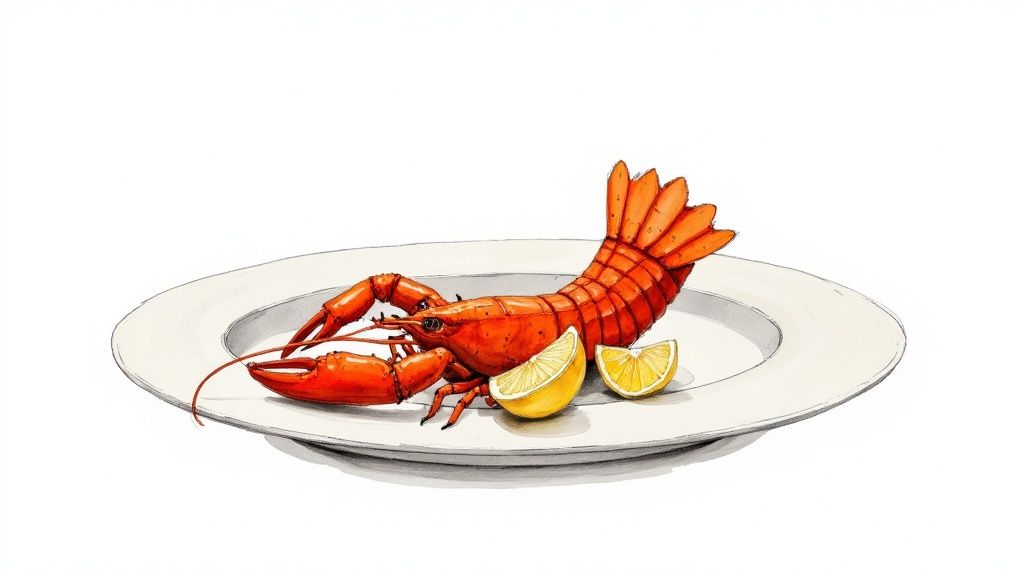
From the bustling fish markets at the V&A Waterfront to the elegant tables of Constantia's fine-dining establishments, crayfish is presented in various forms. You can find it simply grilled with lemon butter to let its natural flavour shine, or incorporated into elaborate thermidor dishes. This versatility makes it accessible to different tastes and budgets, allowing you to enjoy it as a rustic seaside meal or a sophisticated culinary creation. It truly embodies the blend of natural abundance and refined gastronomy that defines the city.
How to Make the Most of Your Visit
To ensure a perfect crayfish experience, a little planning goes a long way. These tips will help you enjoy this local treasure.
- Check Seasonal Availability: Crayfish season is regulated to ensure sustainability. It typically runs from November to April, but always check local regulations as dates can change. Visiting outside the season may mean you are served frozen crayfish.
- Simple is Best: For the most authentic taste, opt for a simple preparation. Grilling it on a braai (barbecue) with garlic, lemon, and butter allows the sweet, delicate flavour of the meat to be the star.
- Pair with Local Wine: The rich flavour of crayfish pairs beautifully with a crisp, acidic white wine. A Sauvignon Blanc from the nearby Constantia wine valley is the classic and highly recommended choice.
Local Insight: For a truly local experience, bypass the fancy restaurants and head to the fishing towns along the West Coast like Paternoster or Langebaan. Here, you can often buy crayfish directly from fishermen (with a permit) for an unforgettable braai on the beach.
Practical Details
- Location: V&A Waterfront markets, harbour-side restaurants, and West Coast fishing villages.
- Price Range: High-end. Crayfish is a premium item and is priced accordingly, whether at a market or a restaurant.
- Dietary Notes: A shellfish allergen. Always inform staff of any allergies.
- Sustainability: Only purchase from reputable vendors who adhere to SASSI (Southern African Sustainable Seafood Initiative) guidelines.
7. Boerewors at Local Braai Restaurants and Markets
More than just a sausage, boerewors is the heart and soul of the South African braai (barbecue), a cherished social ritual that defines local culture. This thick, coiled sausage, traditionally made from coarsely minced beef mixed with pork or lamb fat and a unique blend of spices like coriander, nutmeg, and black pepper, is a cornerstone of any gathering. In Cape Town, experiencing boerewors cooked over open coals is to taste the essence of community, celebration, and unpretentious, flavourful cooking.
Finding authentic boerewors is an integral part of understanding Cape Town food culture. While available in supermarkets, its true character shines when sourced from a local butcher and cooked at a braai. The smoky aroma and distinctive spicy flavour represent a culinary tradition passed down through generations. Whether enjoyed on a roll as a "boerie roll" at a market or as the main event at a braai restaurant, it offers a direct connection to the city's social fabric, far from typical tourist fare.
How to Make the Most of Your Visit
To experience this iconic dish like a true Capetonian, follow these tips for an authentic and delicious encounter.
- Visit a Neighbourhood Market: Places like the Oranjezicht City Farm Market or the Neighbourgoods Market often have vendors grilling fresh boerewors rolls. This is a perfect, casual way to get your first taste.
- Cook it Low and Slow: The secret to perfect boerewors is cooking it slowly over medium coals, not high flames. This ensures the casing doesn't burst and the inside cooks through while remaining juicy.
- Try Game Meat Variations: For a truly local flavour, look for boerewors made with game meats like kudu or springbok. These offer a leaner, richer taste and are often found at speciality butcheries or farm stalls. To truly appreciate the taste of Boerewors, delve deeper into the traditions behind it with these excellent South African braai recipes, including perfect boerewors.
Local Insight: A true braai is never just about the food; it's a social event. If you get invited to a local's home for a braai, go! It's the most authentic way to experience boerewors and understand its cultural significance.
Practical Details
- Location: Found at most food markets, butcheries, and braai-focused restaurants like Mzansi Restaurant in Langa or The Hussar Grill.
- Price Range: Very affordable. A boerewors roll at a market is a budget-friendly meal.
- Dietary Notes: Traditionally contains a mix of meats and is not suitable for vegetarians. Gluten-free versions are sometimes available, but always check with the producer.
- Website: N/A (Found at multiple independent venues).
8. Cape Malay Curry at Local Restaurants and Home-Based Cooks
No culinary exploration of Cape Town is complete without savouring a Cape Malay curry, a dish that is the heart and soul of the city's unique cultural heritage. Born from the kitchens of enslaved and exiled peoples from Malaysia, Indonesia, and India, these curries are a fragrant blend of aromatic spices like turmeric, cinnamon, and cardamom. Unlike fiery Indian curries, Cape Malay versions are typically milder and sweeter, representing centuries of history simmered into a single, deeply flavourful pot.
This dish is more than just a meal; it is a narrative of resilience and cultural fusion. Served with fragrant yellow rice (geelrys), flaky rotis, and tangy sambals, a Cape Malay curry offers a complex yet comforting flavour profile. Experiencing this dish, especially within the colourful Bo-Kaap neighbourhood, provides a direct connection to the history and traditions that have shaped the Cape Town food landscape. It’s an authentic taste of place, passed down through generations.
How to Make the Most of Your Visit
To truly connect with the culture behind the cuisine, follow these tips for an immersive and respectful experience.
- Venture into Bo-Kaap: This historic neighbourhood is the epicentre of Cape Malay culture. Dining here, whether at a restaurant like Biesmiellah or from a home-based cook, offers the most authentic context for the meal.
- Seek Out a Home-Based Experience: For a truly local guide to this cuisine, look for cooking classes or pre-booked meals hosted in a local's home. This provides unparalleled insight into family recipes and the stories behind them.
- Pair it Thoughtfully: While traditional drinks like falooda (a rose-flavoured milk drink) are common, many modern Cape Town establishments pair these curries with a crisp, local Chenin Blanc or a fragrant Gewürztraminer to complement the spices.
Local Insight: Many of the best Cape Malay meals aren't found in formal restaurants but through community connections. Ask your local guide or accommodation host for a recommendation for a "tuisnywerheid" (home industry) cook for an unforgettable, home-cooked meal.
Practical Details
- Location: Primarily in the Bo-Kaap area, but available at various restaurants across the city.
- Price Range: Affordable to mid-range. Home-based cooks often offer incredible value.
- Dietary Notes: Lamb, beef, and chicken are common. Vegetarian and lentil (dhal) versions are widely available and delicious. Always specify your dietary needs.
- Website: N/A (as this refers to a type of cuisine, not a single establishment).
9. Koesisters at Local Bakeries and Street Vendors
Not to be confused with its plaited, syrup-soaked cousin the koeksister, the Cape Malay koesister is a quintessential Cape Town comfort food steeped in tradition. This humble treat is a soft, spiced doughnut made with cinnamon, cardamom, and aniseed, which is deep-fried to a golden brown and then coated in a sugar syrup and desiccated coconut. It’s a nostalgic Sunday morning ritual for many locals and a core part of the city’s rich Cape Malay heritage.

Finding an authentic koesister is to find the heart of community-based Cape Town food culture. They are rarely found in high-end patisseries, but rather sold from home-based bakeries in areas like the Bo-Kaap and Athlone, or by street vendors with warming trays. The experience is about more than just the taste; it’s about participating in a weekly tradition, buying from a local aunty who has perfected her family recipe over generations, and enjoying a simple, soul-warming delicacy.
How to Make the Most of Your Visit
To truly savour this local speciality, follow the unwritten rules of koesister enjoyment.
- Eat Them Warm and Fresh: Koesisters are at their absolute best when they are still warm from the fryer. This is when the dough is softest and the coconut-and-syrup coating is perfectly gooey.
- Buy from a Busy Vendor: A long queue is a good sign. High turnover means the koesisters are freshly made and haven't been sitting around. This is key to getting the best texture and flavour.
- Embrace the Sunday Morning Tradition: For the most authentic experience, seek them out on a Sunday morning. This is when most locals buy them for a family breakfast treat, often enjoyed with a cup of coffee.
- Try Both Varieties: While the Cape Malay koesister is a spiced, coconut-dusted delight, keep an eye out for the Afrikaner koeksister. This version is a twisted, crunchy pastry soaked in a cold syrup. Trying both gives you a fuller picture of the region's sweet treats.
Local Insight: The best koesisters are often found through word-of-mouth. Don't hesitate to ask a local, perhaps a shopkeeper or your guesthouse host in areas like Bo-Kaap or the Southern Suburbs, where they get their Sunday morning fix. They'll likely point you to a hidden gem not listed in any guidebook.
Practical Details
- Location: Bo-Kaap, Athlone, Salt River, and various street markets and community bakeries.
- Price Range: Very affordable. This is a budget-friendly treat, often sold individually or by the dozen.
- Dietary Notes: Contains gluten, eggs, and dairy. Not suitable for vegans or those with celiac disease.
- Website: N/A (Typically sold by small, independent vendors without websites).
10. Yellowtail Crudo at Contemporary Fine Dining Restaurants
While Italy gave the world crudo, Cape Town’s chefs have adopted this raw fish preparation to showcase the unparalleled quality of local Atlantic yellowtail. This dish represents the pinnacle of the city’s culinary evolution, where international fine dining techniques meet hyper-local, sustainably sourced ingredients. At its best, yellowtail crudo is a minimalist masterpiece: pristine, thinly sliced fish served with little more than high-quality olive oil, sea salt, and a hint of citrus or chili. It’s a pure, unadulterated taste of the ocean.
This elegant preparation has become a staple on the menus of Cape Town’s most acclaimed restaurants, demonstrating a profound respect for the product. Unlike more heavily seasoned dishes, crudo allows the delicate, buttery flavour and firm texture of the yellowtail to shine. It is a testament to the city's sophisticated palate and its chefs' confidence in local produce. This simple yet refined dish is a crucial part of the modern Cape Town food narrative, highlighting a global outlook firmly rooted in the wealth of its immediate environment.
How to Make the Most of Your Visit
To truly savour this delicate dish, a little planning and engagement can elevate your experience.
- Ask About the Fish's Origin: Don't hesitate to ask your server where the yellowtail was caught. Top restaurants pride themselves on their sourcing, often naming the specific local fisherman or boat, which adds a fascinating story to your meal.
- Pair with a Local White Wine: Ask for a recommendation for a crisp, mineral-driven Sauvignon Blanc from the nearby Constantia or Durbanville wine valleys. The wine's acidity cuts through the richness of the fish beautifully.
- Check the Daily Specials: While yellowtail is available year-round, its preparation can change daily based on the chef's inspiration and the availability of complementary seasonal ingredients. Always check the specials board for the freshest take.
Local Insight: Many chefs see crudo as a benchmark of quality. A restaurant that serves excellent yellowtail crudo is one that has impeccable standards for freshness and a direct, trusted line to the best local suppliers.
Practical Details
- Location: Found in fine dining establishments across the city, particularly in the City Bowl, Constantia, and Camps Bay.
- Price Range: Mid-range to high-end. This is typically an appetizer, but prices reflect the premium quality of the fish.
- Dietary Notes: Naturally gluten-free and dairy-free, but always confirm the specific preparation with your server.
- Website: Not applicable to a single restaurant, but look at menus for places like Fyn Restaurant or Belly of the Beast for examples.
10 Cape Town Dishes Compared
| Item | Preparation / Process 🔄 | Ingredients & Cost ⚡ | Expected outcome / Impact 📊⭐ | Ideal use cases 💡 | Key advantages ⭐ |
|---|---|---|---|---|---|
| Bao at The Codfather Seafood & Sushi | Moderate — steamed buns; seafood prep and fusion techniques | Fresh local seafood; mid–high price | 📊 Refined, flavorful; ⭐⭐⭐⭐ | Casual gourmet dining; waterfront meals | Innovative seafood fusion; scenic setting |
| Gatsby at Cafe Caprice / Spaza Shops | Low — assembly of fries, meat, sauces | Very low cost (R30–60); simple ingredients | 📊 Hearty and filling; ⭐⭐⭐ | Quick street food; budget meal | Extremely affordable; iconic local experience |
| Kingklip Fish & Chips (Codfather/Harbour House) | Low–Moderate — battering & frying; simple technique | Fresh kingklip; reasonable price | 📊 Classic, fresh seafood; ⭐⭐⭐⭐ | Casual seaside dining; comfort meal | Exceptional freshness; authentic maritime dish |
| Snoek at Markets & Fine Dining | Moderate — grilling, braai or chef-prep; seasonal handling | Seasonal; often affordable in-season | 📊 Rich, oily flavor; ⭐⭐⭐ | Winter-season tasting; cultural dishes | Distinctly local; high omega-3 value |
| Bunny Chow at Spaza Shops | Low — curry preparation then hollow bread | Low cost; versatile (meat/veg) | 📊 Portable and spicy; ⭐⭐⭐ | Quick portable meal; informal gatherings | Affordable, filling; vegetarian options |
| Crayfish (Kreef) at Markets / Fine Dining | Moderate–High — careful cooking or fine-dining prep | Premium pricing (R200–400+); fresh Atlantic crayfish | 📊 Luxurious, delicate; ⭐⭐⭐⭐⭐ | Special occasions; upscale dining | Exceptional quality; versatile preparations |
| Boerewors at Braai Restaurants | Low — grilling over coals; simple technique | Affordable; varies by butcher and meat type | 📊 Hearty communal food; ⭐⭐⭐ | Social braais; family gatherings | Cultural staple; communal experience |
| Cape Malay Curry (Bo-Kaap) | Moderate — complex spice blends and slow simmering | Moderate cost; specialty spices | 📊 Aromatic, complex; ⭐⭐⭐⭐ | Cultural dining; cooking classes; Bo-Kaap visits | Deep historical flavor; versatile (veg options) |
| Koesisters at Bakeries / Vendors | Low — deep-frying and coating | Very low cost (R5–10); simple pantry ingredients | 📊 Sweet, nostalgic; ⭐⭐⭐ | Snack on-the-go; coffee pairing | Extremely affordable; beloved local treat |
| Yellowtail Crudo at Fine Dining | High — precise slicing and plating; strict freshness | High cost; requires top-quality yellowtail | 📊 Light, elegant; ⭐⭐⭐⭐⭐ | Fine dining tasting menus; wine pairing | Showcases fish quality; sophisticated presentation |
Your Culinary Journey Starts Here
You’ve journeyed through the vibrant, complex, and utterly delicious world of Cape Town food. From the hefty, community-driven Gatsby sandwich to the delicate, spice-infused Cape Malay curries, this list is more than just a menu; it's a map to the city's heart. We've explored how a single dish like snoek can represent both humble, smoky street food and an elevated dining experience, showcasing the incredible diversity packed into this coastal metropolis.
The key takeaway is that to truly experience Cape Town food, you must venture beyond the postcard views of Table Mountain. The real magic happens off the beaten path: knowing where to find the best boerewors sizzling at a weekend market, understanding the subtle difference between a koesister and a koeksister, and embracing the adventure of finding an authentic bunny chow in a local spaza shop.
From Tourist to Local: Embracing the Food Culture
Your culinary adventure is an opportunity for genuine cultural immersion. The most memorable meals are often found where you least expect them, far from the main tourist hubs. Eating like a local means engaging with the culture, not just consuming its products.
- Engage with Vendors: Don't just point and pay. Ask the vendor at the Oranjezicht City Farm Market about their produce or chat with the braai master about their technique. These conversations are the secret ingredients that make the food taste even better.
- Embrace Spontaneity: While reservations at top restaurants are essential, some of the best Cape Town food experiences are unplanned. See a queue of locals outside a small bakery? Get in it. Smell something incredible wafting from a side street? Follow your nose.
- Navigate Like a Capetonian: Remember the practical realities. Always check load-shedding apps like EskomSePush before heading out. Carry a mix of cash and cards, as smaller, off-the-beaten-path gems may not have card facilities. This preparedness frees you to focus on the experience.
Your Action Plan for Authentic Eating
Transform this guide from words on a screen into unforgettable memories. The true value of this culinary journey lies not just in tasting the food, but in understanding its context and connecting with the people who make it.
- Map Your Meals: Choose three to five dishes from this list that intrigue you the most. Use them as anchors to explore different neighborhoods, like Bo-Kaap for Cape Malay curry or Hout Bay for fresh-from-the-boat fish and chips.
- Seek Out Local-Approved Spots: When searching for a Gatsby or a bunny chow, prioritize places that are bustling with residents, not just tourists. Look for unassuming storefronts and listen for the sounds of local accents; that's where you'll find authenticity.
- Share Your Discoveries: The food scene in Cape Town is constantly evolving. As you explore, you'll uncover your own hidden gems. Your journey contributes to the living, breathing story of this incredible city.
By moving beyond a simple checklist of "must-try" foods and instead using each meal as a gateway to culture, history, and community, you will transform your trip. Your plate becomes a passport, and every bite offers a deeper connection to the Mother City’s resilient and flavourful soul. This approach ensures your experience is not just delicious, but also respectful, memorable, and truly immersive.
Ready to turn this inspiration into a perfectly planned itinerary? The CoraTravels app helps you discover and organize these hidden gems, off-the-beaten-path eateries, and local markets, all in one place. Plan your ultimate Cape Town food adventure and create a personalized map of culinary discoveries by visiting CoraTravels today.