Rome's magnetic energy is undeniable, but the true soul of central Italy often reveals itself just beyond the city's ancient walls. The cobblestone streets of the Eternal City hold centuries of history, yet some of the region's most profound experiences lie a short train journey away. This guide is your ticket to a more immersive travel experience, a curated collection of the best day trips from Rome designed for culturally curious explorers seeking authentic encounters.
We are deliberately skipping the surface-level tours to dive deep into destinations where you can connect with local life. Forget crowded tour buses and generic itineraries. Instead, imagine exploring the bohemian artist enclave of Calcata, perched precariously over a lush canyon, or uncovering the hidden medieval treasures of Anagni, a fortress town rich with papal history. Each destination in this listicle has been selected for its unique cultural footprint and its potential to offer an off-the-beaten-path adventure.
This is not just a list of places; it is a practical roadmap for independent travel. For every day trip from Rome, we provide the essential logistics, from train times and costs to suggested itineraries that balance iconic sights with unscripted exploration. You’ll find insider tips from local guides, recommendations for standout food experiences, and the cultural context needed to transform a simple outing into a memorable journey. We focus on providing actionable insights that help you navigate with confidence, whether you're descending into Orvieto's Etruscan tunnels or tasting volcanic wines in the Castelli Romani. Prepare to see a side of Italy that most tourists miss, one that is rich with local tradition, stunning landscapes, and authentic character.
1. Tivoli: Villa d'Este & Villa d'Este Gardens
Escape the urban bustle for the Renaissance splendor of Tivoli, a historic hill town offering a refreshing change of pace and a cooler microclimate. This classic day trip from Rome transports you to a world of aristocratic luxury and groundbreaking garden design, centered around the magnificent Villa d'Este, a UNESCO World Heritage site. It’s an essential visit for anyone interested in art history, landscape architecture, or simply experiencing the grandeur of 16th-century Italy.
Logistics at a Glance
- How to Get There: The most straightforward way is by train. A direct regional train runs from Roma Termini or Roma Tiburtina to Tivoli station.
- Travel Time: Approximately 45-60 minutes by train.
- Estimated Cost: A round-trip train ticket is around €5-€6. Villa d'Este entrance is €13, but a combined ticket including Villa Adriana is available for €22, offering better value if you plan to see both.
An Immersive Itinerary
Start your day early to beat the crowds and the heat. Take a train around 7:00 AM from Rome to arrive just as Villa d'Este opens at 8:30 AM. Spend the morning exploring its jaw-dropping terraced gardens, where hundreds of fountains, including the impressive Organ Fountain and the Avenue of the One Hundred Fountains, are powered entirely by gravity. Afterward, wander through the villa's frescoed halls. For lunch, skip the tourist traps near the entrance and head into Tivoli's historic center. Find a local trattoria like Ristorante Sibilla, which offers stunning views of the Roman Temple of Vesta. In the afternoon, explore the charming medieval streets of Tivoli itself before catching an early evening train back to Rome.
Off-the-Beaten-Path & Local Guide Insights
Tivoli has long been a summer retreat for Romans, a tradition dating back to antiquity. The town's slower pace provides a genuine glimpse into provincial Italian life. To deepen your experience, hire a local art historian guide for Villa d'Este; they can reveal the symbolism hidden within the frescoes and garden statues, connecting them to the Cardinal's political ambitions. For an authentic taste, try the local pizzette fritte (small fried pizzas) from a street vendor. This destination isn’t just a tourist site; it’s a living town where history and daily life merge beautifully.
2. Pompeii & Mount Vesuvius: Ancient Ruins & Volcanic Landscape
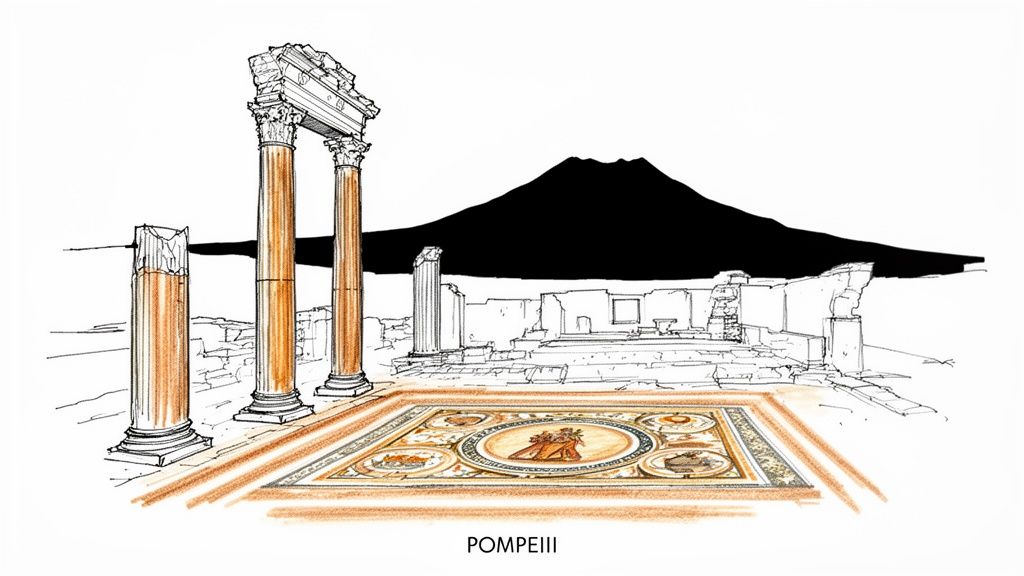
Journey back in time with a powerful and unforgettable day trip from Rome to the haunting ruins of Pompeii. Buried by the catastrophic eruption of Mount Vesuvius in 79 AD, this ancient city offers a perfectly preserved snapshot of Roman life, from grand villas to humble bakeries. Paired with a hike up the very volcano that caused its destruction, this trip provides a dramatic look at the immense power of nature and the fragility of human civilization.
Logistics at a Glance
- How to Get There: The fastest route is by high-speed train (Frecciarossa) from Roma Termini to Napoli Centrale. From there, take the local Circumvesuviana train to Pompei Scavi-Villa dei Misteri station, which is right at the site entrance.
- Travel Time: Approximately 70-80 minutes to Naples, plus 35-40 minutes on the local train.
- Estimated Cost: A round-trip high-speed train ticket can range from €40-€100+ depending on how far in advance you book. Pompeii entrance is €18. A Vesuvius visit requires a separate ticket (€10) and bus transport.
An Immersive Itinerary
Take an early high-speed train (around 6:30-7:00 AM) to Naples. Aim to arrive at Pompeii's gates by 8:30 AM to enter as soon as it opens. This allows you to explore major sites like the Forum and the Villa of the Mysteries before the midday heat. For lunch, walk about 10 minutes away from the main entrance to find authentic Neapolitan pizzerias. In the afternoon, take a bus or shuttle up Mount Vesuvius. The final 20-30 minute hike to the crater rim is steep but rewards you with breathtaking panoramic views of the Bay of Naples.
Off-the-Beaten-Path & Local Guide Insights
Consider hiring a licensed local guide at the entrance for 2-3 hours; their storytelling brings the silent stones to life with context on social history and daily routines. This shifts the experience from viewing ruins to understanding the vibrant, complex society that once thrived there. To escape the crowds, ask your guide to show you the less-visited House of the Vettii or the ancient laundries (fullonicae). For a full cultural immersion, look for restaurants proudly displaying the "Vera Pizza Napoletana" sign, certifying their adherence to traditional methods, and supporting a culinary heritage as protected as the ruins themselves.
3. Civita di Bagnoregio: The Dying Town
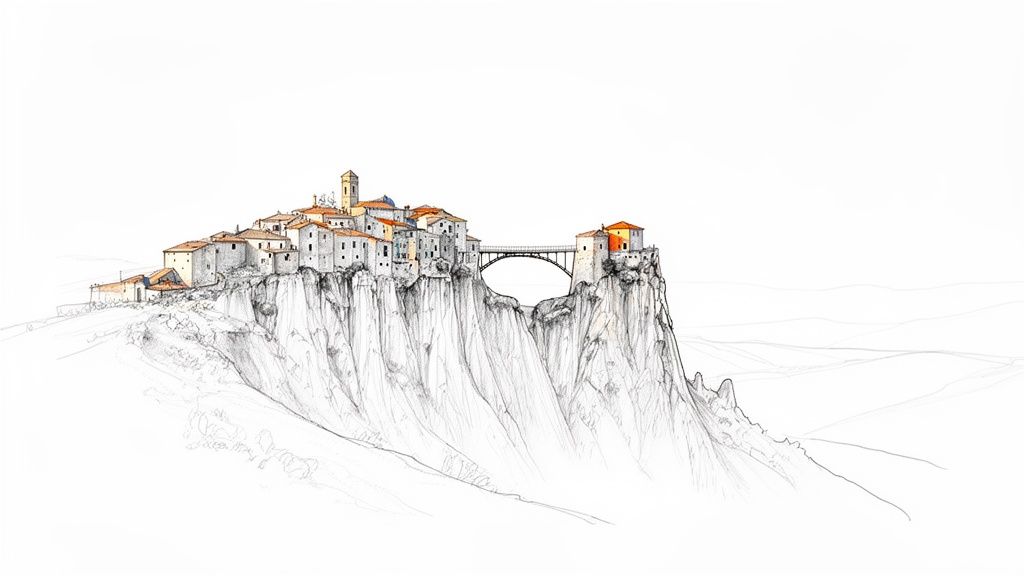
Step into a real-life fairytale at Civita di Bagnoregio, an ancient Etruscan settlement teetering atop a fragile pinnacle of volcanic rock. Known as “la città che muore” (the dying town) due to the constant erosion of its foundations, this village is accessible only by a long pedestrian bridge, creating a profound sense of isolation and wonder. This off-the-beaten-path day trip from Rome is an unforgettable journey for photographers, adventurers, and anyone seeking a truly unique glimpse into Italy's fragile beauty.
Logistics at a Glance
- How to Get There: Renting a car is highly recommended for flexibility. From Rome, drive to the Bagnoregio car park and then walk or take a shuttle to the footbridge entrance. Public transport involves a train to Orvieto, then a Cotral bus to Bagnoregio (runs infrequently).
- Travel Time: Approximately 1 hour 45 minutes by car.
- Estimated Cost: Car rental is about €40-€60/day. The entrance fee to Civita is €5. Parking costs are separate.
An Immersive Itinerary
Depart Rome between 5:30-6:00 AM to arrive before the crowds and enjoy the soft morning light. The walk across the 300-meter footbridge is an experience in itself. Spend a maximum of 2-3 hours wandering the silent, car-free alleyways and absorbing the serene atmosphere. For lunch, find a small osteria within Civita's walls, such as Alma Civita, which serves incredible local dishes in a cave-like setting. In the afternoon, use your rental car to explore the otherworldly landscape of the surrounding badlands, perhaps finding a hiking trail for more incredible viewpoints.
Off-the-Beaten-Path & Local Guide Insights
With a permanent population of around 10 people, Civita offers a rare experience of solitude. It’s a living museum, preserved by its inaccessibility. For a deeper cultural connection, chat with the local artisans in their studios—their presence is what keeps the town alive. Ask them about the "geological museum" to understand the science behind the town's fragility. The local economy relies on tourism, so purchasing handmade crafts or dining at a family-run restaurant directly supports the few residents committed to keeping the town alive.
4. Orvieto: Medieval Hill Town & Underground Etruscan Tunnels
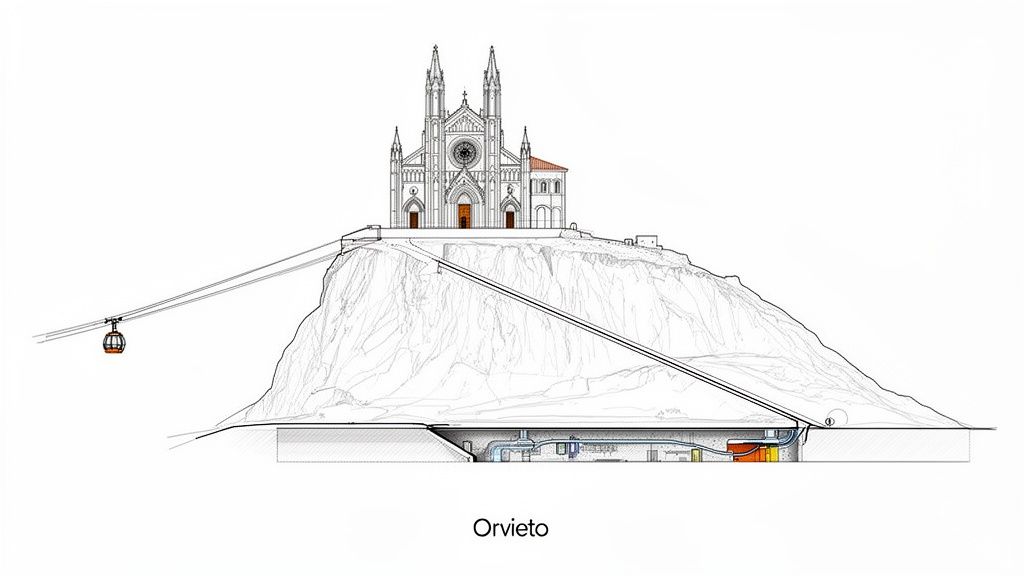
Perched dramatically atop a sheer cliff of volcanic tuff, Orvieto is a breathtaking Umbrian hill town that offers a journey through layers of history. This quintessential day trip from Rome combines a spectacular Gothic cathedral, a labyrinthine underground world, and a palpable sense of medieval life. It's a perfect escape for those seeking archaeological intrigue, artistic masterpieces, and the unique atmosphere of a town seemingly suspended between sky and earth.
Logistics at a Glance
- How to Get There: The easiest route is by train. Frequent regional or Intercity trains depart from Roma Termini station heading towards Florence, stopping at Orvieto. A funicular railway then whisks you from the station up to the historic center.
- Travel Time: Approximately 70-90 minutes by train, plus a 5-minute funicular ride.
- Estimated Cost: A round-trip train ticket costs between €16-€30. A combined ticket for major sites like the Duomo and Pozzo di San Patrizio is around €16, offering excellent value.
An Immersive Itinerary
Take an early train (around 7:00 AM) to arrive in Orvieto before the main tourist influx. Start your exploration underground with a pre-booked 90-minute tour of the Etruscan-medieval tunnels. Emerging back into the daylight, make your way to the magnificent Duomo di Orvieto. For lunch, avoid the busy Piazza del Duomo and duck into a side alley to find a trattoria like Trattoria del Moro Aronne for authentic Umbrian cuisine. In the afternoon, descend into the dizzying depths of the Pozzo di San Patrizio (St. Patrick's Well).
Off-the-Beaten-Path & Local Guide Insights
The local guides for the underground tours are essential—they share stories passed down through generations about how these caves were used for everything from pigeon breeding to olive pressing. For a true taste of place, seek out a shop selling Orvieto Classico, the crisp white wine the region is famous for. For an off-the-beaten-path experience, explore the medieval quarter (Quartiere Medievale) west of the Duomo, where you'll find quiet lanes and artisan workshops specializing in ceramics, a craft with deep roots in the local Etruscan history.
5. Lago di Bolsena & Capodimonte: Lake Island Monastery & Volcanic Lake
Trade the city's ancient stone for the tranquil, deep blue waters of Lago di Bolsena, Italy's largest volcanic lake. This peaceful day trip from Rome offers a serene escape into nature, centered around the picturesque lakeside village of Capodimonte and the mysterious Isola Bisentina. It’s an ideal choice for wellness-minded travelers seeking quiet landscapes and a genuine taste of provincial life far from the usual tourist trails.
Logistics at a Glance
- How to Get There: Renting a car is essential for the flexibility needed to explore the area. The drive is straightforward, heading north from Rome.
- Travel Time: Approximately 1.5 to 2 hours by car.
- Estimated Cost: Car rental will be around €40-€60 for the day. A boat tour to Isola Bisentina costs €10-€15. Lunch at a lakeside restaurant will be €15-€25 per person.
An Immersive Itinerary
Start your day very early, leaving Rome by 6:30 AM to maximize your time. Arrive in Capodimonte around 8:30 AM and enjoy a classic Italian breakfast at a local café with views of the placid lake. Immediately book your boat tour to Isola Bisentina. After your island visit, enjoy a swim in the lake's clean volcanic waters. For lunch, choose a waterfront spot like Trattoria La Barche for fresh lake fish. In the afternoon, rent bikes and cycle along the shore to the nearby fishing village of Marta for a different perspective.
Off-the-Beaten-Path & Local Guide Insights
For a truly immersive experience, hire a local fishing guide for an early morning boat trip. They can share knowledge of the lake's ecosystem and local fishing traditions. An off-the-beaten-path alternative to the main beaches is the "Le Piane" area, known for its black volcanic sand and tranquility. Lago di Bolsena is a hub for "agriturismo" and slow-travel culture, deeply connected to its agricultural roots. The area is famous for its "Coregone" (whitefish), which you'll find on every local menu. Visiting local markets in Bolsena or Marta offers a direct connection to the region's culinary identity.
6. Castelli Romani: Wine Villages & Crater Lakes
Journey into the verdant Alban Hills to discover the Castelli Romani, a collection of charming towns perched on the rims of volcanic craters. This region, a historic getaway for Popes and Roman nobility, offers an authentic taste of rural Italian life just 30 kilometers from the capital. It's the perfect day trip from Rome for food and wine lovers eager to explore the vineyards producing the famous Frascati wine, swim in serene crater lakes, and wander through ancient villages.
Logistics at a Glance
- How to Get There: A regional train from Roma Termini to Frascati is the most common route. For exploring multiple towns and wineries, renting a car is highly recommended.
- Travel Time: Approximately 30-40 minutes by train to Frascati. Driving takes around 45 minutes.
- Estimated Cost: A round-trip train ticket costs about €5. Car rentals are €35-€50 per day. Winery tours with tastings and food pairings typically range from €25-€40 per person.
An Immersive Itinerary
Rent a car and depart Rome by 7:30 AM to reach your first winery for a 10:00 AM tour. Reputable estates like Castel de Paolis offer immersive experiences, but be sure to book your visit several days in advance. After your tasting, drive to the stunning Lake Albano for panoramic views and a lakeside lunch at a traditional fraschetta in Ariccia, famous for its slow-roasted porchetta. In the afternoon, you can either take a refreshing swim in the lake or hike a section of the scenic trail between Frascati and Albano.
Off-the-Beaten-Path & Local Guide Insights
The Castelli Romani offers a deep dive into central Italy’s enogastronomic culture. For a full cultural immersion, book a tour with a local vintner. Engaging with the winemakers, often third or fourth-generation, reveals stories about the volcanic soil and their craft. This region’s focus on terroir is similar to what you might find on wine tours in other famous European regions, but with a distinctly local feel. For an off-the-beaten-path stop, visit the tranquil town of Nemi, famous for its wild strawberries and overlooking a different, smaller crater lake.
7. Villa d'Adriano (Hadrian's Villa) & Tivoli Cluster: Renaissance Masterpieces & Archaeological Wonders
Journey through two millennia of Italian grandeur by exploring Tivoli’s remarkable historical cluster. This powerful day trip from Rome combines the sprawling archaeological marvel of Hadrian's Villa (Villa Adriana) with the Renaissance perfection of Villa d'Este. You'll witness the architectural ambitions of a Roman Emperor and the opulent garden fantasies of a Cardinal, all within a few kilometers of each other, offering a profound lesson in Western art and power.
Logistics at a Glance
- How to Get There: Take a regional train from Roma Termini or Roma Tiburtina to Tivoli. From Tivoli station, take a local CAT bus (line 4) directly to Villa Adriana. The same bus line can take you back toward town to visit Villa d'Este.
- Travel Time: The train takes 45-60 minutes. The local bus adds another 10-15 minutes.
- Estimated Cost: A round-trip train ticket is around €5-€6. A combined ticket for Villa Adriana and Villa d'Este is €22, offering the best value for this full-day excursion.
An Immersive Itinerary
Start your day by catching an early train to arrive at Villa Adriana right when it opens at 8:30 AM. Spend 3-4 hours exploring this immense complex; don't miss the Canopus and Serapeum, a stunning replica of an Egyptian sanctuary. Around 12:30 PM, take the bus back towards Tivoli's historic center for lunch. This break allows you to escape the midday sun. After a relaxing meal, head to Villa d'Este for a 2-3 hour visit in the afternoon. End your day by catching a train back to Rome between 7:30 PM and 8:30 PM.
Off-the-Beaten-Path & Local Guide Insights
Hadrian's Villa isn't just a ruin; it's an architectural sourcebook. Hiring a local archaeological guide is crucial to understand the site's scale and imperial vision. For an off-the-beaten-path experience, venture to the lesser-visited "Teatro Greco" area of the villa, which offers quieter contemplation. When in Tivoli town, avoid the main squares for lunch and ask your guide for a recommendation in the old medieval quarter for a more authentic meal. Pack ample water, a hat, and sunscreen; this is an immersive archaeological expedition that rewards preparation.
8. Hadrian's Villa (Villa d'Adriano) — standalone
Step back into the vast, ambitious world of the Roman Empire at Hadrian's Villa (Villa Adriana), the sprawling country retreat of Emperor Hadrian. More of a small city than a villa, this UNESCO World Heritage site is an archeological park that reveals the emperor's passion for architecture, travel, and grand-scale engineering. As a day trip from Rome, it offers a profound contrast to the city's condensed ruins, allowing you to wander through the skeletal remains of palaces, baths, and temples in a remarkably serene, park-like setting.
Logistics at a Glance
- How to Get There: Take a regional train from Roma Termini or Roma Tiburtina to Tivoli station. From there, take the local CAT bus number 4 towards Villa Adriana; the bus stop is just outside the station.
- Travel Time: Approximately 45-60 minutes by train, plus a 10-minute bus ride.
- Estimated Cost: A round-trip train ticket costs around €5-€6, and the bus is about €1.30 each way. Villa Adriana's entrance fee is €12.
An Immersive Itinerary
Aim for an early train to arrive at the villa right when it opens at 8:30 AM. This massive site requires at least three to four hours for a proper visit. Start your exploration at the Pecile, a huge porticoed garden, before moving on to the iconic Canopus and Serapeum. Next, explore the intricate bath complexes and the fascinating Maritime Theatre. For lunch, take the bus into the nearby town of Tivoli. Find a traditional osteria for a hearty plate of pasta before your return trip.
Off-the-Beaten-Path & Local Guide Insights
To fully grasp the villa's complexity, a private tour with an archaeology-focused local guide is invaluable. They can point out details missed by the average visitor and bring the emperor's vision to life. For an off-the-beaten-path perspective, explore the remnants of the aqueducts that fed this massive complex, located on its periphery. Imagining the vibrant life here—with philosophers, poets, and politicians wandering the colonnades—provides a unique window into Roman aristocratic leisure and a deeply personal look at one of history's most complex leaders.
9. Anagni: Medieval Fortress Town & Hidden Cathedral Treasures
For a truly off-the-beaten-path experience, journey to the fortified hill town of Anagni, a hidden gem often overlooked by mainstream tourism. Known as the "City of Popes," this is a genuine day trip from Rome that rewards visitors with an authentic medieval atmosphere and breathtaking artistic treasures. Anagni offers a profound dive into ecclesiastical history and art, far from the well-trodden routes, making it perfect for travelers seeking a quieter, more scholarly adventure.
Logistics at a Glance
- How to Get There: Take a regional train from Roma Termini towards Cassino and get off at Anagni-Fiuggi station. From the station, a local COTRAL bus will take you up the steep hill to the historic center.
- Travel Time: Approximately 60 minutes by train, plus a 15-minute bus ride.
- Estimated Cost: A round-trip train ticket costs about €8-€10. The cathedral entrance is free, but access to the magnificent crypt is around €9.
An Immersive Itinerary
Take an early train (around 7:15 AM or 8:30 AM) to arrive in Anagni before any potential small tour groups. Head straight to the Cattedrale di Santa Maria. Spend a solid two hours here; the main draw is the crypt, often called the "Medieval Sistine Chapel," with its perfectly preserved 13th-century frescoes. After immersing yourself in art history, book a tour for the underground cisterns at the local tourist office. For lunch, choose a small, family-run spot like L'Antica Taverna for traditional Ciociaria cuisine.
Off-the-Beaten-Path & Local Guide Insights
Anagni provides a portal into the powerful medieval papacy. A local guide at the cathedral is essential to decipher the crypt’s complex iconography. For an off-the-beaten-path moment, wander the ancient town ramparts for panoramic views of the Sacco Valley. The local traditions of the Ciociaria region are strong here, offering a cultural experience distinct from Rome. This is a place where history feels palpable, not curated, allowing you to walk the same narrow lanes as popes and cardinals from nearly a millennium ago.
10. Calcata: Bohemian Artist Village & Etruscan Canyon Hiking
Journey to a place frozen in time and revived by creativity. Calcata is a tiny medieval village perched dramatically on a volcanic pinnacle, offering a truly unique day trip from Rome. Abandoned in the 1930s due to fears of collapse, it was repopulated in the 1960s by a vibrant community of artists and bohemians. Today, it’s an enchanting maze of ivy-clad stone houses, quirky art galleries, and craft studios, all surrounded by the lush, ancient landscape of the Treja River valley.
Logistics at a Glance
- How to Get There: The most practical way to reach Calcata is by car. Public transport is sparse and time-consuming. Rent a car for the day for maximum flexibility.
- Travel Time: Approximately 50-70 minutes by car, depending on traffic leaving Rome.
- Estimated Cost: Car rental will be your main expense, around €40-€60 for the day. Entrance to the village itself is free, but you'll want cash for small purchases at artist studios and local cafes.
An Immersive Itinerary
Depart from Rome by 8:00 AM to enjoy the quiet morning atmosphere. Park in the designated lots in the new town (Calcata Nuova) and make the short walk up to the old village (Calcata Vecchia). Spend the morning wandering through the narrow cobblestone alleys, peeking into the various artist studios. For lunch, grab a table at a rustic osteria like La Piazzetta. In the afternoon, descend from the village for a short hike into the Treja River valley. The trails offer stunning views and lead past ancient Etruscan ruins carved into the cliffs.
Off-the-Beaten-Path & Local Guide Insights
Calcata operates on a rhythm entirely its own. It’s a place built on community and artistic expression. To have a full cultural experience, engage with the artists in their studios, as they often have fascinating stories about the village's revival. For a truly off-the-beaten-path adventure, ask a local guide or resident artist to point you to the trailhead for the "cascate di Monte Gelato," a series of small waterfalls nearby. For an authentic snack, look for small cafes offering cakes and biscuits made with local hazelnuts, a specialty of the region.
Top 10 Day Trips from Rome — Quick Comparison
| Destination | Logistics / Complexity 🔄 | Resource needs ⚡ (time · cost · transport) | Experience quality ⭐ · Impact 📊 | Ideal use cases | Key advantages & quick tips 💡 |
|---|---|---|---|---|---|
| Tivoli: Villa d'Este & Villa d'Este Gardens | Moderate — frequent regional trains (30–35 min), steep walking, peak crowds after 10:00 | ⚡ 8–10 h · €11–13 per villa (or €22 combined) · Train €3–5 | ⭐⭐⭐⭐ · 📊 UNESCO, iconic fountains & Renaissance gardens | Renaissance gardens, cooler microclimate, half-/full-day from Rome | 💡 Buy combined ticket; arrive early (6:15–8:30); wear good shoes & bring water |
| Pompeii & Mount Vesuvius | High — long fast-train + local connections; strenuous Vesuvius hike | ⚡ 12–14 h · Train €25–45 + local €2.5 · Site ticket €15 | ⭐⭐⭐⭐⭐ · 📊 World-class archaeology; high educational impact | Archaeology/history, dramatic landscapes, active hikers | 💡 Book tickets in advance; start very early; wear sturdy shoes and sun protection |
| Civita di Bagnoregio | High — remote, car-required, single footbridge access, limited services | ⚡ 10–12 h · Car rental €40–60/day · ~2.5 h each way | ⭐⭐⭐⭐ · 📊 Extremely photogenic, very low-tourist density | Solitude, landscape photography, off-the-beaten-path explorers | 💡 Depart early, download offline maps, bring water/charger, wear sturdy boots |
| Orvieto | Low–Moderate — regular regional trains (1.5 h) + funicular or walk uphill | ⚡ 10–12 h · Train €8–15 · Small attraction fees (€4–€16 combined) | ⭐⭐⭐⭐ · 📊 Strong mix: cathedral, tunnels, wine culture | Medieval architecture, underground tours, food & wine day-trip | 💡 Buy combined attraction ticket; start underground tour early; sample Orvieto Classico |
| Lago di Bolsena & Capodimonte | Moderate — car-recommended (1.5–2 h), boat schedules seasonal | ⚡ 10–11 h · Car rental €40–60/day · Boat €5–8 round-trip | ⭐⭐⭐ · 📊 Tranquil lake experience; good for swimming & wellness | Swimming, wellness, relaxed nature escapes | 💡 Book boat/island visits early; morning swims before afternoon winds; bring towel |
| Castelli Romani | Low — short regional trains or drive (30–45 min); multiple towns | ⚡ 10–12 h · Train €3.50 or car €35–50/day · Tastings €10–20 | ⭐⭐⭐⭐ · 📊 Excellent food/wine and easy hiking close to Rome | Wine tasting, short hikes, accessible rural day-trip | 💡 Reserve tastings 3–5 days ahead; visit 2–3 estates; depart early for best availability |
| Villa d'Adriano (Hadrian's Villa) & Tivoli Cluster | Moderate — same Tivoli access but extensive walking across sites | ⚡ 12–14 h · Combined €26 · Train €3.5–5 | ⭐⭐⭐⭐ · 📊 Deep historical continuity (Roman → Renaissance) | Architecture/archaeology enthusiasts seeking comprehensive Tivoli day | 💡 Visit Hadrian's Villa first; use Tivoli app/audio guides; bring 3+ L water |
| Hadrian's Villa — standalone | Moderate — same access as Tivoli; less crowded than d'Este | ⚡ 4–6 h on-site · Train €3.5–5 | ⭐⭐⭐⭐ · 📊 High archaeological value with good interpretation | Quiet archaeology-focused visits, scholars, long-site exploration | 💡 Arrive at opening, use audio guides/3D reconstructions, wear sturdy shoes |
| Anagni | Moderate — regional train (1.5 h) but limited schedules; uphill walk from station | ⚡ 9–11 h · Train €6–8 · Small donation/entry fees | ⭐⭐⭐ · 📊 Strong medieval art focus; low tourist footfall | Medieval art/history, quiet cultural day-trip | 💡 Check cathedral hours; book cistern tour on arrival; plan train times carefully |
| Calcata | Moderate — best by car (45–60 min); limited services & parking | ⚡ 6–8 h · Car rental €40–60/day | ⭐⭐⭐ · 📊 Bohemian art village + canyon hikes; niche cultural draw | Photographers, artists, short hikes, bohemian culture seekers | 💡 Park below village, check studio hours/events, bring water and map for hikes |
Integrating Your Day Trip Into a Richer Italian Journey
After exploring Tivoli’s Renaissance gardens, Pompeii’s volcanic ruins, and the bohemian lanes of Calcata, you now hold a toolkit of authentic, off-the-beaten-path experiences. These destinations shine individually, but weaving them together transforms your “day trip from rome” into an ongoing cultural immersion. Use this section to tie together our insights, jumpstart your next adventure, and carry forward a spirit of curiosity.
Summing Up Key Insights
Local Guides Are Your Compass
Partnering with a knowledgeable guide unlocks hidden corners—from Civita di Bagnoregio’s silent alleys to Orvieto’s underground Etruscan tunnels. Their stories enrich every stone and vineyard.Immerse in Full Cultural Experiences
Sample seasonal wine in Castelli Romani, join a market stroll in Anagni, or learn pasta-making in Lago di Bolsena’s lakeside village. Hands-on activities deepen understanding far beyond postcards.Seek the Uncharted
Swap crowded viewpoints for off-menu trattorias, early-morning hikes to the Istrian badlands outside Civita di Bagnoregio, or late-afternoon olive oil tastings near Hadrian’s Villa. Small detours yield big rewards.Plan with Practical Details
Each itinerary in this article includes travel time, cost, and insider timing tips. You’ll arrive fresh, avoid midday crowds, and maximize every minute of your day trip from Rome.
“Travel is not just about seeing new places, but about seeing with new eyes.”
Actionable Next Steps
Select Your Theme
- History buff? Head to Pompeii and Mount Vesuvius.
- Wine lover? Explore Castelli Romani’s crater-lake vineyards.
- Art enthusiast? Lose yourself in Tivoli’s grand villas.
Lock in Logistics
- Book regional trains or private transfers at least 48 hours in advance.
- Check seasonal hours for sites like Villa d’Adriano to avoid unexpected closures.
Pack Smart & Inspired
- Keep essentials compact: refillable water bottle, portable charger, light layers.
- Consider travel inspiration-themed luggage to spark creativity and stay organized on every excursion.
Connect with Locals
- Follow community-run forums or neighborhood social media groups in Anagni or Calcata.
- Ask your guide for non-touristy trattorias or hidden artisan studios.
Embrace Spontaneity
- Allow 30 extra minutes for unplanned stops—a roadside limoncello tasting or an impromptu folk music performance in a village piazza.
Why Mastering These Approaches Matters
Sustainable & Respectful Travel
By venturing beyond crowded attractions, you support small businesses, preserve local traditions, and reduce overtourism pressure on Rome’s more famous sites.Deeper Cultural Connections
Each off-the-beaten-path stop fosters authentic interactions and lasting memories. You’ll return to Rome not just rested, but transformed.Lifelong Inspiration
The techniques you apply on these day trips can carry forward into longer Italian adventures—or even journeys elsewhere. You’ll travel differently, more mindfully, wherever you go next.
As you integrate these day trips from Rome into your broader travel ethos, remember that every itinerary is a starting point. Let local guides open doors, immerse in authentic practices, and customize each stop to your passions. The result? A mosaic of cultural richness that fuels both your curiosity and deeper respect for central Italy’s diverse landscapes.
Carry these lessons with you, keep exploring, and let your next day trip from Rome be the most rewarding one yet.
Ready to streamline your travel planning and dive deeper into Italy’s hidden gems? Discover personalized itineraries and local insider access with CoraTravels. Book your next bespoke adventure today at CoraTravels.