Welcome to Chinatown, a vibrant LA enclave that's so much more than its iconic Central Plaza and colorful lanterns. For the culturally curious traveler, this neighborhood offers a deep dive into history, artistry, and culinary traditions that extend far beyond the typical tourist trail. This guide moves past the surface-level attractions to give you actionable insights for a truly immersive experience, focusing on the kinds of things to do in Chinatown Los Angeles that create lasting memories.
We'll uncover the 'why' behind the 'what,' from navigating the etiquette of a bustling dim sum brunch to finding serene moments in historic temples and discovering the contemporary pulse of Asian American theater. Forget generic travel advice; this is your plan for experiencing Chinatown like a local, packed with off-the-beaten-path suggestions and practical tips to help you connect with the authentic heart of the community. Exploring this neighborhood provides a unique cultural snapshot, but to truly understand the city's character, consider discovering hidden gems in Los Angeles across its many diverse communities.
This roundup is designed to be your comprehensive playbook. Inside, you will find a curated list of top sights, essential culinary experiences, cultural institutions, and seasonal events. We provide detailed walking routes, micro-itineraries, and practical advice on everything from transit and safety to local etiquette. Ready to explore the real Chinatown? Let's dive in.
1. Explore the Historic Heart at Central Plaza (Plaza Mayor)
The first stop on any immersive exploration of things to do in Chinatown Los Angeles should be Central Plaza. This isn't just a picturesque square; it's the living, breathing heart of the neighborhood, built in 1938 as the first planned Chinatown in America. Its vibrant, pagoda-style architecture, glowing red lanterns, and intricate dragon motifs offer a stunning visual introduction to the area's rich cultural history and community spirit.
Here, you'll find a blend of old and new. Decades-old family-run shops selling traditional herbs, jade jewelry, and embroidered silks sit alongside contemporary art galleries and trendy boutiques. This dynamic mix makes Central Plaza the perfect place to begin understanding the neighborhood's evolution. It serves as a cultural nexus where generations of stories, commerce, and community life converge.
How to Experience Central Plaza Like a Local
To truly connect with the plaza's atmosphere, slow down and engage with your surroundings.
- Morning Serenity: Visit on a weekday morning between 9-11 AM. You'll witness the plaza waking up as shopkeepers prepare for the day, and you might see local seniors practicing Tai Chi or playing mahjong. The calmer environment allows for better photos and more personal interactions with vendors.
- Cash is Key: While many larger shops accept cards, the smaller, more traditional vendors often operate on a cash-only basis. Having small bills on hand is essential for buying snacks, souvenirs, or unique trinkets from these legacy businesses.
- Cultural Calendar: The plaza is a hub for celebrations. Check the Chinatown Los Angeles events calendar before your visit. Attending events like the Lunar New Year festival or the Mid-Autumn Moon Festival offers an unparalleled, immersive cultural experience.
- Off-the-Path Exploration: Don't just stick to the main square. Wander down the adjacent alleyways, like the photogenic Chung King Road, known for its concentration of cutting-edge art galleries that provide a modern contrast to the plaza's historic core.
2. Uncover History at the Chinese American Museum
To truly understand the soul of Chinatown, a visit to the Chinese American Museum (CAM) is an essential stop. Housed within the historic Garnier Building, the last surviving structure from the original Chinatown, this museum is more than just a collection of artifacts; it's a profound narrative of the resilience, contributions, and struggles of Chinese immigrants in Los Angeles. This experience offers one of the most culturally significant things to do in Chinatown Los Angeles.
Through carefully curated exhibits featuring personal photographs, historical documents, and preserved objects, the museum traces the community's journey from the 1870s to the present day. You'll move from stories of the first pioneers to the vibrant, multifaceted community that exists today. CAM provides a crucial context that enriches your entire visit, transforming a simple neighborhood stroll into a deeper appreciation of its living history.
How to Experience the Museum Like a Local
To get the most out of your visit, approach it with a focus on connection and quiet reflection.
- Optimal Timing: Plan your visit for a weekday afternoon, specifically between 1 PM and 3 PM. The museum is typically less crowded during these hours, allowing you to spend more time with each exhibit without feeling rushed and to absorb the stories in a more contemplative atmosphere.
- Book a Tour for Deeper Insight: While you can explore on your own, the guided tours offer invaluable context. For groups, it's wise to book in advance. Even for solo travelers, inquiring about scheduled public tours can unlock hidden details and richer narratives you might otherwise miss.
- Engage with Special Exhibitions: The permanent collection is compelling, but the rotating special exhibitions often highlight contemporary Chinese American artists or delve into specific historical moments. Check the Chinese American Museum's official website before your trip to see what unique showcases are available.
- Allow Ample Time: Don't rush through this experience. To fully engage with the exhibits and understand the historical arc, dedicate at least 1.5 to 2 hours. This gives you time to read the detailed placards, watch any accompanying videos, and reflect on the powerful stories being told.
3. Ride the Historic Angels Flight Railway
While not strictly inside Chinatown's main plaza, the Angels Flight Railway is a quintessential downtown experience just a short walk away, offering a charming transition from the historic core to the modern skyline. This iconic funicular, originally built in 1901, carries passengers up the steep slope of Bunker Hill. Known as the "world's shortest railway," its two vintage orange-and-black cars, Olivet and Sinai, provide a nostalgic journey and stunning city views, making it a unique thing to do near Chinatown Los Angeles.
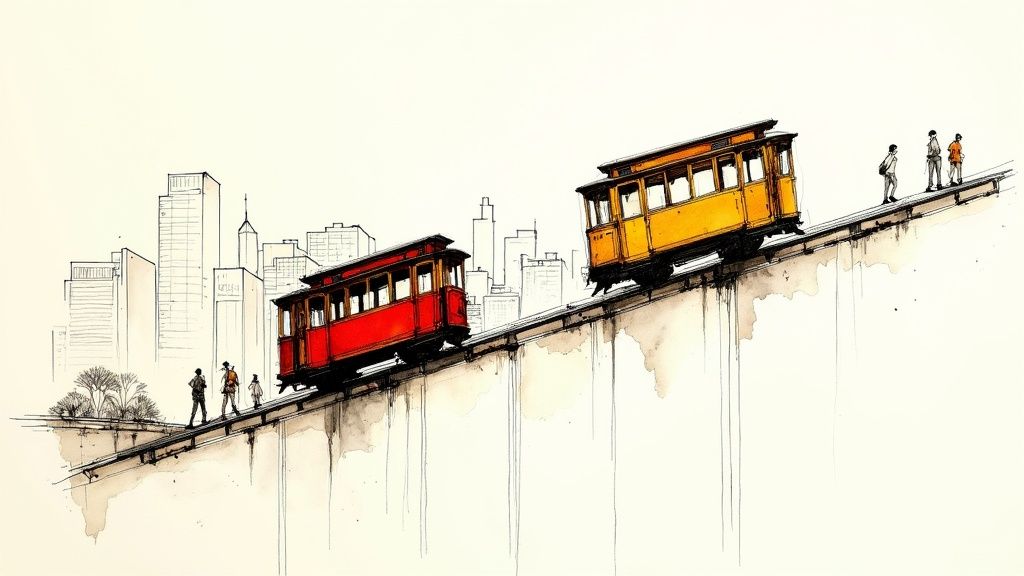
The 298-foot ride connects the Grand Central Market at the bottom with the Watercourt at California Plaza at the top. This isn't just a novelty attraction; it's a functioning piece of L.A. history that links two distinct downtown districts. For visitors exploring Chinatown, it serves as a perfect gateway to discovering the architectural contrast between the neighborhood's traditional structures and Bunker Hill's soaring skyscrapers.
How to Experience Angels Flight Railway Like a Local
To make the most of this historic ride, treat it as more than just a photo opportunity.
- Combine with Grand Central Market: The railway's lower station is directly across from Grand Central Market. A classic local itinerary is to grab lunch at the market and then take Angels Flight up to Bunker Hill for a post-meal stroll and panoramic city views.
- Ride Both Ways: A one-way ticket is cheap, but riding in both directions offers different perspectives. The ascent provides a dramatic reveal of the downtown skyline, while the descent gives you a unique vantage point looking down toward the bustling market and Pershing Square.
- Golden Hour Views: For the best photos, ride during the late afternoon "golden hour." The warm light beautifully illuminates the downtown buildings, creating a magical backdrop for your journey up the hill.
- Check Operating Status: As a historic landmark, the railway occasionally closes for maintenance. Before you go, check the official Angels Flight Railway website or their social media for the current operating status to avoid disappointment.
4. Indulge Your Senses at Grand Central Market
While technically on the southern edge of Chinatown, Grand Central Market is an essential culinary stop that encapsulates the diverse spirit of Downtown Los Angeles. Established in 1917, this historic food hall is a sprawling, vibrant emporium where legacy vendors operate alongside modern culinary innovators. It offers an incredible cross-section of L.A.'s food scene, making it a must-visit for anyone exploring things to do in Chinatown Los Angeles.
The market's energy is palpable, with the sounds of sizzling woks, the aroma of fresh spices, and the sight of neon signs illuminating dozens of food stalls. Here you can find everything from authentic Cantonese noodle soups and freshly prepared dim sum to gourmet egg sandwiches and artisanal coffee. This fusion of old and new makes it a perfect reflection of L.A.’s dynamic culture, where tradition and innovation coexist deliciously.
How to Experience Grand Central Market Like a Local
To navigate this bustling foodie paradise effectively, a little strategy goes a long way.
- Arrive Before the Rush: The market becomes incredibly crowded during the lunch and dinner hours (12 PM - 2 PM and 6 PM - 8 PM). For a more relaxed experience, visit on a weekday morning, ideally between 9:30 AM and 11 AM. You'll avoid long lines and have a better chance of finding a seat.
- Bring Cash and Card: While most modern vendors accept credit cards, some of the older, family-run produce stands and legacy stalls offer better prices for cash or are cash-only. Having some small bills is a smart move.
- Explore Beyond the Ground Floor: Don't miss the lower level. It often has less foot traffic and is home to unique vendors and additional seating areas. It's a great place to escape the main floor's hustle and discover hidden gems.
- Parking Pro-Tip: Parking downtown can be challenging. The "Grand Central Market Parking Garage" is the most convenient option, with entrances on both Hill Street and Broadway. You can find more information and rates on the official market website.
5. Visit Olvera Street & El Pueblo de Nuestra Señora de Los Ángeles
Just a short walk from Chinatown's main thoroughfares lies another essential piece of Los Angeles history: El Pueblo de Nuestra Señora la Reina de los Ángeles, the city's 1781 birthplace. At its core is Olvera Street, a vibrant Mexican marketplace that offers a profound look into the region's multicultural foundations. While distinctly Mexican in its presentation, visiting provides crucial context for understanding the layered history of downtown LA and its diverse communities.
This historic monument is a bustling, tree-lined plaza surrounded by museums, historic adobes, and colorful stalls selling handcrafted leather goods, traditional clothing, and folk art. The aroma of freshly made taquitos and sweet churros fills the air, creating a sensory experience that contrasts beautifully with the sights and sounds of neighboring Chinatown. It's a reminder that many of the original Chinese residents lived in this area before the "New Chinatown" was established, making a visit here an integral part of a comprehensive exploration of things to do in Chinatown Los Angeles.
How to Experience Olvera Street Like a Local
To appreciate the area beyond its surface-level tourism, integrate it thoughtfully with your Chinatown visit.
- Visit on a Weekday Morning: Similar to Chinatown's Central Plaza, Olvera Street is best experienced before the midday crowds. Arrive between 10 AM and 12 PM on a weekday to browse the stalls and visit the free museums, like the Avila Adobe (LA's oldest house), without feeling rushed.
- Embrace Street Food: Skip the sit-down restaurants for your first taste and head straight for the classics. Grab a beef taquito from Cielito Lindo, famous for its avocado sauce since 1934, or a warm, cinnamon-dusted churro from a street cart. This is the most authentic way to taste the plaza's culinary heritage.
- Combine Your Walk: Plan a walking route that starts at Union Station, explores El Pueblo and Olvera Street, and then crosses Cesar Chavez Avenue to enter Chinatown. This path allows you to experience the city's historical evolution from its Spanish and Mexican roots directly into its Chinese-American heartland in a single, immersive journey.
- Look for Cultural Fusion: Pay attention to the subtle cultural overlaps. You might find shops where Chinese-made goods are sold alongside Mexican crafts or notice the Latin and Asian fusion dishes offered at nearby restaurants, reflecting the deep, interconnected history of downtown's communities.
6. Savor a Traditional Dim Sum Dining Experience
No list of things to do in Chinatown Los Angeles would be complete without indulging in the chaotic, delicious ritual of dim sum. This traditional Cantonese brunch involves selecting a variety of bite-sized dishes from roving carts wheeled around a bustling dining hall. It’s more than a meal; it’s a vibrant, communal experience featuring a symphony of flavors, from steamed pork buns and shrimp dumplings to turnip cakes and egg tarts.
Restaurants like the renowned Empress Pavilion are local institutions where this tradition is kept alive. The experience is a feast for the senses, with the clatter of carts, the steam rising from bamboo baskets, and the lively chatter of families sharing plates. Beyond the rich history, exploring local cuisine is key to any trip, offering unforgettable dining experiences in your travels.
How to Experience Dim Sum Like a Local
Navigating your first dim sum meal can be intimidating, but a few simple tips will have you dining like a regular.
- Arrive Early: The best and freshest items come out between 10 AM and 11 AM. On weekends, aim to arrive before 11:30 AM to avoid the longest lines, as these popular spots fill up quickly with local families.
- Point and Pick: Don't worry if you can't pronounce the names of the dishes. The classic dim sum experience is visual. Simply point to the items you want as the carts pass your table, and the server will place them down and stamp your bill card.
- Embrace the Tea: Tea is an essential part of the meal and typically costs just a few dollars per person. It aids digestion and complements the rich flavors. To thank your server for a refill, gently tap the table with two fingers, a traditional gesture of gratitude.
- Budget Accordingly: A satisfying dim sum meal is surprisingly affordable. Expect to spend around $20-$30 per person for a full and varied selection of dishes. This culinary tradition is one of the best ways to explore Chinatown's food scene. If you're passionate about culinary journeys, you can explore more foodie destinations on coratravels.com.
7. Find Spiritual Serenity at Buddha's Universal Church
For a moment of quiet reflection and a deep dive into spiritual artistry, visiting Buddha's Universal Church is one of the most enriching things to do in Chinatown Los Angeles. Established in 1961, this impressive five-story temple on Hill Street is a masterpiece of religious architecture, featuring intricate wood carvings, a stunning gold-tiled roof, and ornate details that blend traditional design with modern construction.
Unlike the bustling markets and plazas, the church offers a tranquil atmosphere. It stands as a testament to the community's enduring faith and dedication, serving as an active place of worship. Its grand scale and magnificent interior, filled with religious art and serene prayer halls, provide a peaceful contrast to the energy of the surrounding neighborhood, making it a crucial stop for a full cultural experience.
How to Visit Buddha's Universal Church Respectfully
To appreciate the sanctity of this space, it’s important to visit with mindfulness and respect for its customs.
- Confirm Visiting Hours: As an active temple, public hours can be limited and subject to change. It is essential to call ahead to confirm when visitors are welcome. This simple step ensures you don't arrive when the temple is closed for private services.
- Dress Modestly: Show respect for the sacred nature of the site by wearing appropriate attire. This means covering your shoulders and knees. Avoid shorts, tank tops, or revealing clothing.
- Observe Temple Etiquette: Upon entering the main prayer areas, you will likely be asked to remove your shoes. Always speak in a quiet voice and refrain from taking photos of worshippers or during ceremonies unless explicit permission is given.
- Best Time for a Peaceful Visit: Aim for a weekday morning. This is often the quietest time, allowing for personal reflection and an unobtrusive look at the temple’s stunning architecture and art without disturbing daily services. Check their calendar for public events or ceremonies that might offer a deeper cultural insight.
8. Immerse Yourself in Storytelling at East West Players
For a cultural experience that goes beyond sights and sounds, one of the most profound things to do in Chinatown Los Angeles is to attend a performance at the East West Players. Founded in 1965, it is the nation's longest-running and largest producing theatre of color, dedicated to raising the visibility of the Asian American experience. This is not just a local theatre; it's a vital cultural institution that gives voice to stories you won't find anywhere else.
Attending a show here offers a powerful and intimate look into the diverse narratives of Asian American and Pacific Islander communities. From thought-provoking dramas and contemporary comedies to innovative musicals, the productions provide fresh perspectives and celebrate artists who are redefining American theatre. A visit to East West Players is an opportunity to support groundbreaking art and connect with the community on a deeper, more meaningful level.
How to Experience East West Players Like a Local
To make the most of your theatrical outing, plan ahead and engage with the theatre's community-focused offerings.
- Attend an Opening Night: For an electric atmosphere, try to get tickets for an opening night performance. These events are often attended by community leaders, artists, and passionate theatre-goers, creating a celebratory and vibrant environment perfect for feeling the pulse of L.A.'s arts scene.
- Arrive Early for Pre-Show Talks: Many performances feature pre-show discussions or post-show Q&As with the cast, director, or playwright. Check the schedule on the East West Players website and arrive early. These sessions provide invaluable context and a richer understanding of the work.
- Consider a Matinee: Weekend matinee performances often have more relaxed audiences and can make parking in Chinatown significantly easier to navigate. This is a great option if you want to pair the show with a leisurely lunch or a post-theatre stroll through the neighborhood.
- Look Beyond the Main Stage: East West Players frequently hosts play readings, workshops, and special community events. These are often less formal and provide a fantastic way to see new works in development and interact directly with emerging and established artists.
9. Experience Chinatown Night Markets & Street Festivals
To witness Chinatown's collective energy at its peak, timing your visit with a seasonal night market or street festival is one of the most immersive things to do in Chinatown Los Angeles. These events transform the neighborhood's familiar streets into bustling open-air celebrations of food, art, and heritage. Far more than just tourist attractions, these festivals are deeply rooted community gatherings where tradition and contemporary culture vibrantly intersect.
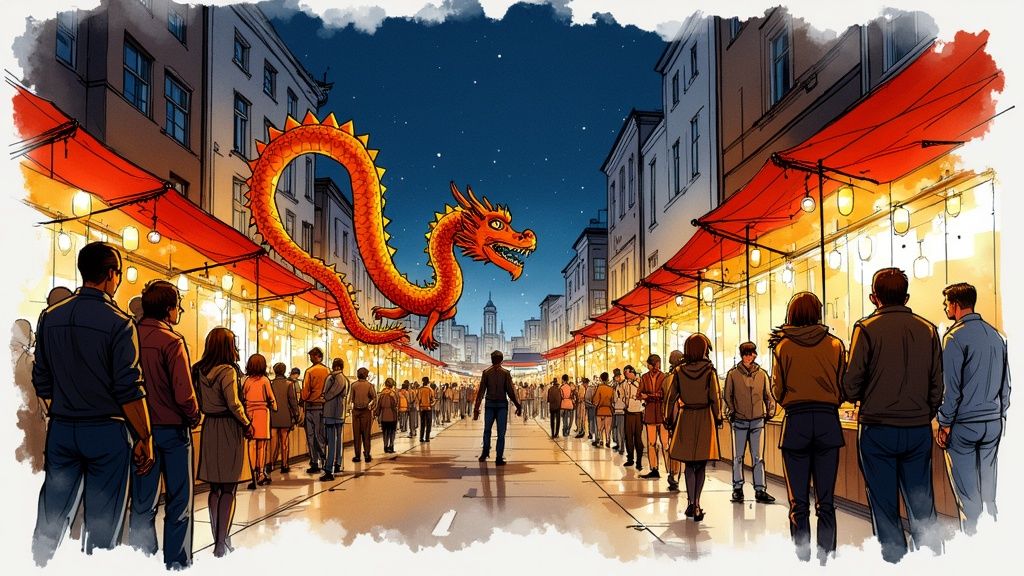
The most famous of these is the Lunar New Year Festival and Golden Dragon Parade, which draws massive crowds for its spectacular floats, lion dancers, and firecrackers. However, other events like the Mid-Autumn Moon Festival offer a different, often more intimate, experience with mooncakes, lanterns, and live performances. These gatherings provide a unique opportunity to sample street food from dozens of vendors, discover local artisans, and feel the powerful pulse of the community.
How to Experience Festivals Like a Local
Navigating these popular events requires a bit of strategy to avoid feeling overwhelmed and to connect with the authentic experience.
- Arrive Early, Stay Late: For major events, aim to arrive before the official start time, typically before 6 PM. This allows you to browse food stalls and vendor booths with smaller crowds. The atmosphere builds as the evening progresses, so planning for a 3-4 hour visit lets you experience the full energy arc.
- Public Transit is Your Friend: Parking is extremely limited and expensive during festivals. Take the Metro L Line (Gold) to the Chinatown station, which drops you right at the edge of the action. This saves you the immense frustration of searching for a spot.
- Bring Cash and an Appetite: While some modern food trucks may accept cards, the majority of traditional street food vendors and small artisans are cash-only. Bring a mix of small bills to make transactions quick and easy as you sample everything from takoyaki to garlic noodles.
- Check the Official Schedule: Don't just show up; plan your visit around key performances. Check the Chinatown Los Angeles events calendar for the exact dates and schedule of dragon dances, martial arts demonstrations, or live music sets to ensure you don't miss the main cultural highlights.
10. Discover Off-the-Beaten-Path Art & Shops on Chung King Road
For a taste of Chinatown's modern, artistic pulse, step off the main plaza and into Chung King Road. This pedestrian alleyway offers a stark and fascinating contrast to the traditional architecture just feet away. Once known for its questionable past, it has transformed into a vibrant hub for contemporary art, housing some of LA's most influential and avant-garde galleries. This hidden gem provides an off-the-beaten-path experience that is essential for a full cultural immersion.
Exploring Chung King Road reveals a different side of the community—one that is forward-looking and deeply engaged with the global art scene. Interspersed among the galleries are unique, independent shops selling everything from vintage vinyl to curated home goods and rare books. It's a place where you can spend an afternoon browsing provocative art, discovering a new artist, and finding a truly unique souvenir, all while feeling the creative energy that makes LA's art scene so dynamic.
How to Explore Chung King Road Like a Local
To fully appreciate this unique alley, timing and an open mind are everything.
- Plan for an Art Walk Night: The best time to visit is during the "Chinatown Art Walk," which typically happens on the first Saturday of each month. Galleries stay open late, the alley buzzes with artists and collectors, and the atmosphere is electric. Check local listings for specific dates and times.
- Visit on a Weekend Afternoon: If you can't make an art walk, a Saturday afternoon is the next best thing. Most galleries have their main visiting hours then, allowing you to browse at a leisurely pace. Be aware that many are closed on Mondays and Tuesdays.
- Look Beyond the Art: While the galleries are the main draw, don't miss the small shops tucked in between. Places like Realm and Ooga Booga offer unique finds that you won't see in the more tourist-focused parts of Chinatown.
- Connect with the Gallerists: The galleries are often small and run by the owners or passionate staff. Don't be afraid to ask questions about the artists or the current exhibition. This interaction can provide a much deeper understanding and appreciation of the work on display.
Top 10 Chinatown LA Attractions Comparison
| Attraction / Experience | Visiting complexity 🔄 | Resources required ⚡ | Expected outcome 📊 | Ideal use cases 💡 | Key advantages ⭐ |
|---|---|---|---|---|---|
| Central Plaza (Plaza Mayor) | Low–Moderate; open outdoor space, can be crowded 🔄 | Free entry; flexible time; limited parking ⚡ | Authentic cultural atmosphere, shopping & photo ops 📊 | Casual strolling, dining, festival visits 💡 | Historic hub with varied vendors and year‑round events ⭐ |
| Chinese American Museum | Low; small space with limited hours 🔄 | Low cost ($5–8); 1.5–2 hrs; Wed–Sun ⚡ | Comprehensive exhibits on Chinese American history 📊 | Educational visits, docent tours, family history 💡 | Well‑curated exhibits and active community programming ⭐ |
| Angels Flight Railway | Low; brief ride but check status 🔄 | Very low cost ($1.50); minutes; limited hours ⚡ | Nostalgic short ride and city views; photo stop 📊 | Quick tourist stop, family photo opportunity 💡 | Iconic historic funicular, inexpensive experience ⭐ |
| Grand Central Market | Moderate; busy indoor market, navigation needed 🔄 | Low–moderate spend; meal time; public transit recommended ⚡ | Wide culinary sampling and fresh produce access 📊 | Foodies, casual dining, group sampling 💡 | Extensive vendor variety in a historic setting ⭐ |
| Olvera Street & El Pueblo | Low; open plaza but often touristy/crowded 🔄 | Free to explore; short–medium visit; parking limited ⚡ | Historical context, colorful photos, street food 📊 | Cultural sightseeing, photography, combined walks 💡 | Deep historical significance and vibrant plaza life ⭐ |
| Dim Sum Dining Experience | Low–Moderate; timing matters, can be hectic 🔄 | Moderate cost ($15–25 pp); 1–2 hrs; peak crowds ⚡ | Authentic communal dining and wide tasting variety 📊 | Group meals, brunch, culinary explorers 💡 | Traditional service model and high dish variety at good value ⭐ |
| Buddha's Universal Church | Moderate; limited public hours and etiquette required 🔄 | Free admission; short visit; modest preparation (dress) ⚡ | Quiet spiritual and architectural appreciation 📊 | Meditation, architectural photography, reflection 💡 | Ornate architecture and peaceful worship space ⭐ |
| East West Players Theater | Moderate; scheduled seasons and advance booking 🔄 | Ticketed ($25–50); 2–3 hrs; seasonal schedule ⚡ | High‑quality Asian American theater productions 📊 | Theatergoers, students, community events 💡 | Longstanding artistic institution and educational programming ⭐ |
| Chinatown Night Markets & Festivals | High; very crowded, seasonal street closures 🔄 | Free entry; requires time & transit; cash useful ⚡ | Lively cultural immersion, food, crafts, performances 📊 | Festival attendees, families, photographers 💡 | Energetic, authentic celebrations with diverse vendors ⭐ |
| Chung King Road Art & Shops | Low-Moderate; gallery hours vary 🔄 | Free to browse; 1-2 hrs; weekend afternoons best ⚡ | Off-the-beaten-path discovery of modern art & culture 📊 | Art lovers, unique shopping, evening art walks 💡 | Concentrated hub of contemporary art in a historic setting ⭐ |
Your Guide to a Deeper Chinatown Experience
Los Angeles' Chinatown is not merely a collection of landmarks; it's a dynamic, layered narrative of resilience, cultural fusion, and continuous evolution. Moving beyond the iconic Central Plaza gateway reveals a neighborhood rich with stories waiting to be discovered. This guide has equipped you with more than just a list of places to see; it has provided a framework for a truly immersive journey. From the historical depths of the Chinese American Museum to the savory delights of an authentic dim sum feast, each experience offers a unique lens through which to understand the community's soul.
The true magic of exploring this district lies in your approach. It’s about choosing to walk instead of drive, allowing yourself to be drawn down a colorful alleyway or into a family-run shop filled with traditional herbs and remedies. It’s about understanding that a visit to Buddha's Universal Church is not just a photo opportunity, but a moment to appreciate decades of spiritual heritage. By embracing this mindset, you transform from a passive tourist into an active, engaged observer. You begin to notice the small details: the intricate tile work on a pagoda roof, the friendly banter between vendors at a weekend market, or the modern art installations that coexist with historic architecture.
Key Takeaways for an Authentic Visit
To make your exploration of Chinatown truly meaningful, remember these core principles. They are your keys to unlocking an experience that resonates long after you’ve left.
- Embrace Curiosity: Don't stick to a rigid itinerary. If you hear music, follow it. If a particular restaurant smells incredible, step inside. The most memorable discoveries often happen when you allow for spontaneous detours.
- Engage with the Community: A simple "hello" or a question about a unique product at a market can open up a conversation. Supporting local businesses, from the legacy restaurants to the contemporary art galleries, is the most direct way to contribute positively to the neighborhood.
- Look Beyond the Surface: The history of Chinatown is complex. Take the time to visit places like the Chinese American Museum or read the plaques in the historic core. Understanding the stories of the people who built and sustained this community adds profound depth to your visit.
- Connect the Dots: Realize that Chinatown doesn't exist in a vacuum. Its proximity to Olvera Street, Grand Central Market, and Angels Flight Railway tells a broader story about the cultural tapestry of Downtown Los Angeles. Combine these destinations for a richer, more comprehensive understanding of the city's origins.
Your Next Steps: Putting Knowledge into Action
Now, you have the tools to craft a personalized and respectful exploration. Start by building a micro-itinerary based on your interests. Are you a foodie? Prioritize a dim sum crawl and a visit to a local bakery. A history buff? Focus your time on the museums and historical landmarks. An art lover? Seek out the galleries and street murals that dot the landscape.
By venturing beyond the main tourist paths, you participate in the living culture of the neighborhood. You are not just seeing Chinatown; you are experiencing it. The ultimate goal is to leave with a genuine appreciation for its heritage and its vibrant present. The most rewarding things to do in Chinatown Los Angeles are those that connect you to its people, its history, and its ongoing story. Your journey is a chance to listen, learn, and carry a piece of that story with you.
Ready to discover more hidden gems and local secrets in cities around the world? CoraTravels provides curated guides and immersive itineraries designed to help you travel deeper, connecting you with the authentic culture of each destination. Find your next unforgettable adventure at CoraTravels.