Tokyo isn't just one city; it's a constellation of vibrant, distinct neighborhoods, each with its own rhythm and soul. Choosing where to stay in Tokyo sets the entire tone for your trip. It is the difference between a surface-level visit and a deep, immersive cultural experience that connects you with the city's authentic pulse. This decision dictates your daily commute, your access to late-night ramen, and the local atmosphere you wake up to.
Forget the generic top-three lists. This guide is built on local insights, focusing on the character of each area to help you find a base that truly matches your travel style. We will move past the neon glow of the main tourist hubs to uncover the quieter, more authentic pockets where Tokyoites live, work, and play. Whether you're hunting for vintage finds in a bohemian enclave, seeking tranquility near a historic temple, or need a well-connected hub for your digital nomad setup, this breakdown will give you the on-the-ground context to choose wisely and travel like a local.
We will analyze ten distinct areas, from the world-famous crossroads of Shibuya to the laid-back alleys of Shimokitazawa. Each section provides practical details on:
- Best For: Traveler types who will thrive in the neighborhood.
- Key Transit: The most strategic train and subway stations.
- Vibe Check: The overall atmosphere, from bustling to serene.
- Local Tips: Actionable advice for a more immersive stay.
To help visualize your trip and refine your neighborhood choice, consider exploring a comprehensive 5-day Tokyo itinerary for first-time visitors. This practical plan will help you understand the city's layout and how each neighborhood fits into a larger adventure. Let's find your perfect Tokyo base.
1. Shibuya: Beyond the Scramble into Local Life
Shibuya is the undeniable epicenter of Tokyo’s youth culture, but staying here offers more than just the famous crossing. It’s about diving into the backstreets where trends are born. This area is an exhilarating base for those wanting to feel the city's modern pulse while discovering its hidden, creative enclaves.
Why It's a Top Choice for Where to Stay in Tokyo
Shibuya offers an unbeatable combination of transportation convenience and endless entertainment. Shibuya Station is a major hub served by nine different train lines, including the JR Yamanote Line, which loops around central Tokyo, providing effortless access to nearly every other major district. This makes it an ideal launchpad for exploring the entire metropolis. Beyond transit, the area is packed with high-concept retail at Shibuya Parco, panoramic city views from Shibuya Sky, and iconic landmarks like the Hachikō Memorial Statue.
Getting an Authentic, Immersive Experience
To avoid being overwhelmed by the crowds, the key is to venture into "Ura-Shibuya" (backstreet Shibuya), where the local culture thrives away from the main thoroughfares.
- Shoto & Kamiyamacho: For a more refined and peaceful stay, consider these adjacent residential areas. They offer quiet, tree-lined streets and sophisticated cafes, providing a calm retreat just a 10-minute walk from the station's managed chaos. This is where you can live like an affluent local.
- Dogenzaka: Known as "Love Hotel Hill," this area is also the heart of Shibuya’s music scene. Explore its sloped streets to discover a high concentration of live music venues (known as "live houses"), record shops, and underground clubs where Tokyo's music culture is forged.
- Nonbei Yokocho (Drunkard's Alley): This tiny lane of post-war shacks houses miniature izakayas and bars, each seating only a handful of people. It’s a fantastic spot for an intimate, old-world drinking and dining experience right next to the modern station. For more hidden spots like this, you can explore some of Tokyo's best-kept local secrets.
Pro Tip: Instead of joining the masses on the scramble crossing itself, watch the mesmerizing flow of people from an elevated viewpoint. The Starbucks in the Tsutaya building is the classic choice, but the rooftop of the Magnet by Shibuya109 building offers a less-crowded, open-air perspective for a small fee. Book accommodations here months in advance.
2. Shinjuku: A City of Contrasts, from Neon to Nature
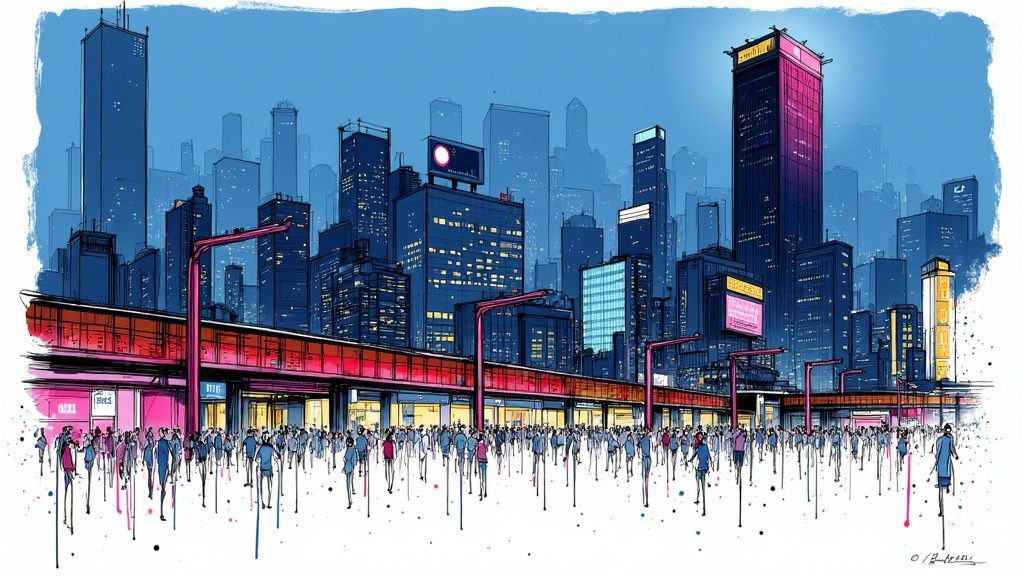
Shinjuku is a city within a city, where towering skyscrapers meet the neon-drenched chaos of famous entertainment districts. But beyond the tourist trail lies a world of intimate bars, serene gardens, and authentic local life. Staying here means experiencing Tokyo's full spectrum, from its corporate face to its Showa-era soul.
Why It's a Top Choice for Where to Stay in Tokyo
Shinjuku excels in its sheer diversity of experiences and unrivaled transit access. Shinjuku Station is the world's busiest, serving over a dozen lines that can connect you to nearly anywhere in the Kanto region and beyond. This logistical advantage is matched by an incredible concentration of activities, from the panoramic free views at the Tokyo Metropolitan Government Building to the iconic Godzilla Head looming over Kabukicho and the tranquil escape of Shinjuku Gyoen National Garden.
Getting an Authentic, Immersive Experience
The key to an immersive Shinjuku stay is to explore its distinct micro-districts and uncover the hidden gems tucked away from the main arteries.
- Golden Gai: This atmospheric network of six narrow alleys is packed with tiny, post-war era bars, many seating fewer than ten people. Arrive in the late evening to find a unique, intimate drinking culture where you can chat with locals and fellow travelers. Many bars have a cover charge, so look for signs.
- Omoide Yokocho (Memory Lane): Often called "Piss Alley," this smoky, lantern-lit lane offers a gritty, nostalgic glimpse into Showa-era Tokyo. It’s the perfect place for yakitori (grilled skewers) and a beer, squeezed into a tiny counter seat among local office workers.
- Shinjuku Gyoen: To truly appreciate the contrast of Shinjuku, spend a morning in this immaculate garden. Its blend of Japanese traditional, French formal, and English landscape gardens provides a peaceful sanctuary from the urban energy just outside its gates. Enter via the Sendagaya gate for a quieter experience.
Pro Tip: Master Shinjuku Station's exits to save time and energy. Use the East Exit for major department stores, the South Exit for Shinjuku Gyoen, and the West Exit for the skyscraper district. The station's underground passages are a lifesaver on rainy days and a fascinating world unto themselves.
3. Asakusa: Living in the Shadow of Old Tokyo
Asakusa offers a captivating journey back in time, presenting a vision of Tokyo steeped in tradition and Edo-period charm. Staying here is for the traveler who wants to wake up to the sound of temple bells, explore traditional markets before the crowds arrive, and experience a quieter, community-focused Tokyo.
Why It's a Top Choice for Where to Stay in Tokyo
Asakusa is a fantastic choice for those prioritizing cultural immersion and a less frenetic pace. The area is dominated by Senso-ji, Tokyo's oldest temple, and its approach, Nakamise-dori, is lined with traditional stalls. Asakusa Station is well-connected via the Ginza and Asakusa Lines, offering direct access to Ginza, Shibuya, and both Narita and Haneda airports, making it a surprisingly convenient base for sightseeing.
Getting an Authentic, Immersive Experience
To truly appreciate Asakusa, you must look beyond the main temple grounds and discover the local life that thrives in its quieter, off-the-beaten-path corners.
- Denboin-dori: Step away from the crowds of Nakamise-dori and wander down this adjacent street. It has a more authentic, old-town feel with smaller, family-run shops selling traditional crafts and snacks, offering a glimpse into the neighborhood's living heritage.
- Hoppy Dori (Hoppy Street): Known as "Stew Street," this lively lane is packed with old-school, open-air izakayas. It’s the perfect place to join locals for a casual evening of food and drinks, offering an unpretentious and authentic slice of Tokyo nightlife far from the glitz of other districts.
- Kuramae: Just a short walk south of Asakusa, this neighborhood is known as Tokyo's "Little Brooklyn." It is filled with artisan workshops, specialty coffee roasters, and independent boutiques, providing a modern, creative vibe while still being close to the historical sights.
Pro Tip: To experience the magic of Senso-ji without the overwhelming crowds, visit early in the morning (before 8 AM) or late at night after the shops have closed. The temple grounds are always open, and the illuminated structures at night create a serene and mystical atmosphere that feels worlds away from the daytime hustle.
4. Harajuku: The Creative Core Beyond Takeshita Street
Harajuku is the global hub for Japan's youth culture, but its soul lies beyond the crowded main street. Staying here means immersing yourself in a creative world where avant-garde fashion, serene tradition, and hidden artistic communities coexist, making it perfect for those who want to experience culture in the making.
Why It's a Top Choice for Where to Stay in Tokyo
Harajuku offers a one-of-a-kind combination of cultural landmarks and creative energy. It is conveniently located on the JR Yamanote Line, placing it just one stop from Shibuya and two from Shinjuku. Beyond its transport links, the area is a destination in itself, home to the sprawling Meiji Shrine, the high-fashion boulevard of Omotesando, and countless independent boutiques that set global trends.
Getting an Authentic, Immersive Experience
To truly experience Harajuku, you must look beyond the candy-colored facade of Takeshita Street and dive into the creative enclaves that give the neighborhood its off-the-beaten-path character.
- Ura-Harajuku (Cat Street): For a more curated and less frenetic shopping experience, explore the backstreets connecting Harajuku to Shibuya. Known as "Cat Street," this area is the heart of Ura-Harajuku and is filled with vintage shops, independent designer boutiques, and stylish cafes that cater to a discerning local crowd.
- Harajuku's Hidden Alleys: Veer off Takeshita Street into the narrow side alleys to find tiny, niche shops selling everything from punk rock gear to hyper-specific hobbyist items. This is where you’ll find the real subcultures that define Harajuku's ever-changing identity.
- Yoyogi Park: Adjacent to Meiji Shrine, this massive park is Harajuku’s backyard. On Sundays, it becomes a cultural stage for rockabilly dancers, musicians, and performers, offering a fantastic and free spectacle of Tokyo's subcultures in action—a true local experience.
Pro Tip: Visit Meiji Shrine in the early morning (it opens at sunrise) for a tranquil, meditative experience. Afterward, walk down Omotesando, often called Tokyo's "Champs-Élysées," for its stunning architecture and high-end boutiques, which offer a sophisticated contrast to Takeshita's youthful exuberance.
5. Ginza: Understated Elegance and Hidden Craftsmanship
Ginza is Tokyo's bastion of luxury, but its true character is found not in the big brand stores, but in its historic department stores, venerable art galleries, and hidden culinary gems. Staying here is for the traveler who appreciates craftsmanship, refined culture, and the quiet sophistication that lies beneath the polished surface.
Why It's a Top Choice for Where to Stay in Tokyo
Ginza offers a superb blend of central location and unparalleled refinement. It provides easy access to key areas like Tokyo Station and the Imperial Palace, with multiple subway lines intersecting here. Beyond its practical location, Ginza is a destination in itself, home to the iconic Ginza Wako building, the traditional Kabuki-za Theatre, and flagship stores that are architectural marvels.
Getting an Authentic, Immersive Experience
To truly appreciate Ginza, you must look past the price tags and discover its deep cultural and culinary layers. The authentic Ginza experience is about craftsmanship and tradition.
- Higashi-Ginza: Venture toward the eastern side of the district to be closer to the Kabuki-za Theatre. This area has a slightly more traditional feel, with smaller specialty shops selling exquisite chopsticks, incense, and Japanese paper goods that have been there for generations.
- Explore the "Depachika": The basement food halls of Ginza’s major department stores, like Mitsukoshi and Matsuya, are culinary wonderlands. Known as depachika, they are where locals shop for gourmet gifts and daily delicacies. It's an essential part of the Ginza food scene and you can discover more about it in our guide on the best places to visit for foodies.
- Gallery Hopping: Ginza is home to hundreds of art galleries, many of which are free to enter. Tucked away on the upper floors of unassuming buildings, they showcase everything from contemporary photography to traditional calligraphy. This offers a quiet, cultural counterpoint to the district’s commercial buzz.
Pro Tip: On weekend afternoons (from noon), the main Chuo Dori street is closed to traffic, transforming into a "pedestrian paradise" (hokōsha tengoku). This is the best time to stroll leisurely, enjoy the grand atmosphere, and observe the local customs of a weekend in Ginza.
6. Yotsuya & Sendagaya: A Local's Life in Central Tokyo
While the name Shinjuku conjures images of neon, its adjacent neighborhoods like Yotsuya and Sendagaya offer a completely different, off-the-beaten-path experience. Staying here allows you to enjoy a central location while living in a relaxed, residential atmosphere—perfect for those seeking a full cultural immersion into daily Tokyo life.
Why It's a Top Choice for Where to Stay in Tokyo
The primary appeal of Yotsuya and Sendagaya is the balance between urban access and local tranquility. You get excellent transportation links without the sensory overload of a major hub. Yotsuya Station is served by multiple lines, offering direct routes to Shinjuku and Tokyo Station. This strategic location provides a peaceful home base from which you can easily access the city’s more chaotic centers.
Getting an Authentic, Immersive Experience
To truly embrace this area, focus on living at a local pace and discovering neighborhood gems often overlooked by tourists.
- Yotsuya Sanchome & Arakicho: Venture east of Yotsuya Station to find Arakicho, a historic enclave of narrow, lantern-lit alleys packed with tiny, high-quality restaurants and traditional bars. Once a geisha district, it retains an intimate, old-world charm perfect for an authentic dinner away from any tourist crowds.
- Sendagaya: Situated next to Shinjuku Gyoen National Garden, Sendagaya is a quiet, sophisticated neighborhood with a creative flair. It's home to stylish cafes, independent boutiques, and the National Stadium, offering a refined and peaceful stay where you can live alongside local creatives.
- Shinanomachi: Located between Yotsuya and Sendagaya, this area is defined by the expansive Meiji Jingu Gaien park, known for its iconic Ginkgo Avenue. It’s an ideal spot for morning jogs or peaceful walks, providing a dose of nature and local life just minutes from the city's core.
Pro Tip: Use the Marunouchi subway line as your primary artery into the city. It’s often less crowded than the JR lines and provides incredibly quick access to key destinations. Ask your accommodation host for their favorite neighborhood shokudo (casual食堂) or kissaten (old-style coffee shop) to dine among locals.
7. Akihabara: The Heart of Otaku Culture and Retro Tech
Akihabara, or "Akiba," is the global capital of anime, manga, and video games. But beyond the giant arcades, it's a place of deep subcultures and a history rooted in post-war electronics. Staying here is an immersive dive into a unique facet of modern Japan, ideal for enthusiasts and the culturally curious.
Why It's a Top Choice for Where to Stay in Tokyo
Akihabara excels in providing both niche entertainment and excellent transit connections. Akihabara Station is a key hub on the JR Yamanote and Chuo-Sobu lines, offering direct access to Tokyo Station and Shinjuku. This makes it a surprisingly strategic base for exploring far beyond its own neon-lit streets.
Getting an Authentic, Immersive Experience
To truly appreciate Akihabara, you must look beyond the main street's flashing lights and venture into its specialized, off-the-beaten-path micro-zones.
- Suehirocho: Just a short walk north of the main station area, this neighborhood offers a calmer atmosphere. It’s home to more specialized, old-school electronics shops selling individual components and vintage audio gear, reflecting Akihabara's roots as a post-war radio parts market.
- Kanda Myojin Shrine: For a dose of traditional culture, visit this ancient shrine, which has cleverly embraced its location. Here, you can find unique good-luck charms (omamori) designed to bless electronic devices—a perfect example of old and new Japan coexisting.
- Akihabara Gachapon Hall: Dive into this small store dedicated entirely to gachapon (capsule toys). With hundreds of machines, it’s a perfect place to find quirky souvenirs that capture the essence of Japanese hobby culture, far from the typical tourist trinkets.
Pro Tip: While maid cafes are a famous attraction, for a more authentic fan experience, look for a themed pop-up cafe based on a current popular anime or game. These cater more to local fans. Always bring your passport for potential tax-free discounts on large electronic purchases.
8. Ikebukuro: The Underrated Hub with Local Soul
Often overshadowed by its famous neighbors, Ikebukuro is a sprawling district that offers a more grounded, local alternative. It perfectly balances modern urban conveniences with a tangible neighborhood feel, making it an excellent and often more affordable choice for travelers seeking an authentic slice of Tokyo life outside the main tourist bubble.
Why It's a Top Choice for Where to Stay in Tokyo
Ikebukuro’s primary strength is its combination of value and accessibility. Ikebukuro Station is one of Tokyo's busiest, served by eight lines, including the crucial JR Yamanote Line. The area itself is a self-contained entertainment powerhouse, centered around the massive Sunshine City complex. Accommodations here are often more budget-friendly than in more central tourist hubs.
Getting an Authentic, Immersive Experience
To truly understand Ikebukuro, you must explore the distinct personalities of the station's East and West exits, where a less tourist-focused and more immersive atmosphere thrives.
- Nishi-Ikebukuro (West Exit): This side has a more artistic and academic vibe, influenced by Rikkyo University. Explore its quieter backstreets to find charming, independent cafes, traditional restaurants, and small theaters frequented by locals.
- Kita-Ikebukuro (North Exit): The North Exit area is known for its vibrant, authentic Chinatown (a newer and more local alternative to Yokohama's). Dive into the maze of streets here to discover a fantastic array of Chinese and other international restaurants, offering a truly multicultural dining experience.
- Otome Road: Located on the east side, this street is the female equivalent of Akihabara's otaku culture. It is packed with shops specializing in anime and manga aimed at a female audience, offering a unique subculture deep-dive away from the main Akiba crowds.
Pro Tip: Ikebukuro is a fantastic base for day trips outside of central Tokyo. Direct train lines from Ikebukuro Station offer easy access to Saitama (for areas like Kawagoe, known as "Little Edo"). This makes it a strategic choice for explorers wanting to see more than just the city center.
9. Roppongi: International Hub for Art and Local Nightlife
Roppongi offers a sophisticated, international atmosphere, but its true appeal for an immersive experience lies beyond the tourist-centric nightlife. It has evolved into a major center for contemporary art and refined local dining. Staying here is for those who want to tap into Tokyo's global-yet-local pulse.
Why It's a Top Choice for Where to Stay in Tokyo
Roppongi masterfully blends high culture with high-energy nightlife. Its central location, served by the Hibiya and Oedo subway lines, provides easy access to neighboring districts. The area is dominated by Roppongi Hills and Tokyo Midtown, which contain world-class museums like the Mori Art Museum and the National Art Center, Tokyo.
Getting an Authentic, Immersive Experience
To truly appreciate Roppongi, you must look beyond its reputation for late-night clubs and explore its more refined and hidden local scenes.
- Azabu-Juban: For a charming, village-like atmosphere, stay in this adjacent neighborhood. A short walk from Roppongi's modern towers, Azabu-Juban offers a traditional shopping street (shotengai) with historic shops and local eateries, providing the perfect peaceful escape from the district’s buzz.
- Nishi-Azabu: Situated between Roppongi and Shibuya, this area is known for its high concentration of exclusive, hard-to-find restaurants and bars that cater to a local clientele. It's a fantastic place for foodies to explore intimate, high-quality dining experiences away from the main tourist crowds.
- Roppongi Art Triangle: Connect with the area’s cultural core by visiting the three major art museums that form this triangle: the Mori Art Museum, the National Art Center, Tokyo, and the Suntory Museum of Art. This is where the city's art community converges.
Pro Tip: For one of the best panoramic views of the city, head to the Tokyo City View observation deck in the Mori Tower. If you prefer quiet evenings, book your accommodations closer to the residential streets of Azabu-Juban or Nishi-Azabu for a more local, immersive stay.
10. Shimokitazawa: The Soul of Indie Tokyo
Shimokitazawa, or "Shimokita," is the heart of Tokyo's indie scene—a vibrant, off-the-beaten-path enclave of bohemian spirit, vintage fashion, and artistic expression. Choosing to stay here means immersing yourself in a creative, counterculture atmosphere that feels miles away from the city's polished, mainstream districts.
Why It's a Top Choice for Where to Stay in Tokyo
Shimokitazawa offers a rare blend of hyper-local culture and excellent city access. Served by the Keio Inokashira and Odakyu Lines, it provides a direct, lightning-fast connection to both Shibuya and Shinjuku. Yet, the neighborhood itself retains a distinctly village-like feel with its narrow, pedestrian-friendly streets and independent boutiques.
Getting an Authentic, Immersive Experience
Shimokitazawa is best experienced by wandering without a strict itinerary. Its charm is found in the unexpected discoveries you make while exploring its labyrinthine, off-the-beaten-path alleyways.
- Embrace Vintage Culture: This neighborhood is arguably Tokyo's vintage clothing capital. Spend an afternoon browsing well-curated shops like New York Joe Exchange, where you can find unique, high-quality second-hand pieces alongside local fashionistas.
- Discover Live Music & Theater: Shimokita is famous for its "live houses" and small, independent theaters. Check the schedules for venues like Shimokitazawa Shelter or the historic Honda Theater to catch a local band or an avant-garde play for a truly authentic cultural experience.
- Explore Bonus Track: This modern complex of small, independent shops and eateries built under the old train tracks embodies the area's spirit. It's a great place to find artisan goods, specialty coffee, and connect with local creators in a relaxed, communal setting.
Pro Tip: While there are fewer large hotels directly in Shimokitazawa, consider a boutique hotel or a well-located Airbnb to fully absorb the local atmosphere. Chat with bartenders at small, standing-room-only bars; they often have the best recommendations for hidden gems. To delve deeper into similar alternative neighborhoods, explore our guide to Tokyo's bohemian hotspots.
Top 10 Tokyo Neighborhoods Comparison
| District | Accessibility & Complexity 🔄 | Cost & Resources ⚡ | Expected Experience ⭐📊 | Ideal Use Cases 💡 | Key Advantages ⭐ |
|---|---|---|---|---|---|
| Shibuya | Excellent transport; extremely crowded (complex navigation at peak) 🔄 | Higher accommodation prices; abundant choices ⚡ | High-energy modern Tokyo; shopping & nightlife 📊 | Young travelers, shoppers, nightlife seekers 💡 | Iconic crossing, dense dining/shopping, safe ⭐ |
| Shinjuku | Unparalleled connectivity; station is complex and busy 🔄 | Premium prices for central stays; wide options ⚡ | Chaotic urban hub: skyscrapers, neon nightlife, varied dining 📊 | Urban explorers, photographers, business travelers, night owls 💡 | Best transport hub, 24‑hr entertainment, diverse cuisine ⭐ |
| Asakusa | Well connected; can be crowded during daytime but easy to navigate 🔄 | Generally lower prices than central districts ⚡ | Traditional, historic atmosphere centered on temples 📊 | Culture seekers, budget travelers, photographers 💡 | Senso‑ji, Nakamise market, authentic traditional experiences ⭐ |
| Harajuku | Easy access; Takeshita Street is extremely crowded on weekends 🔄 | Expensive shopping/dining on main streets; limited lodging ⚡ | Trendy youth fashion, quirky culture, photo‑friendly spots 📊 | Fashion enthusiasts, trendsetters, photographers 💡 | Meiji Shrine + cutting‑edge street fashion, unique boutiques ⭐ |
| Ginza | Central and straightforward to move around 🔄 | Very expensive for shopping and dining; limited budget options ⚡ | Refined, luxury shopping and fine dining experience 📊 | Luxury shoppers, fine‑dining seekers, cultural visitors 💡 | Flagship luxury stores, Michelin restaurants, kabuki theater ⭐ |
| Shinjuku West (Yotsuya, Sendagaya) | Good local transport; calmer than central Shinjuku 🔄 | Better value accommodations; affordable local dining ⚡ | Quieter, residential feel with local restaurants and parks 📊 | Budget travelers, families, extended stays, repeat visitors 💡 | Authentic neighborhood vibe, lower cost, good access to attractions ⭐ |
| Akihabara | Central but dense and niche; crowded specialty streets 🔄 | Competitive electronics pricing; fewer upscale stays ⚡ | Immersive electronics, anime and arcade culture 📊 | Tech enthusiasts, anime/manga fans, collectors 💡 | Best electronics deals, extensive otaku shops and arcades ⭐ |
| Ikebukuro | Well connected; less hectic than Shibuya/Shinjuku 🔄 | Good value for hotels and dining; family‑friendly options ⚡ | Balanced commercial/cultural hub with shopping complexes 📊 | Value‑conscious travelers, families, extended stays 💡 | Sunshine City, theaters, diverse dining and mid‑range shopping ⭐ |
| Roppongi | Central and walkable; nightlife can be rowdy at night 🔄 | Very expensive for dining/accommodation ⚡ | Cosmopolitan nightlife, contemporary art and upscale dining 📊 | Luxury travelers, art enthusiasts, international business visitors 💡 | Roppongi Hills, Mori Tower, major contemporary art venues ⭐ |
| Shimokitazawa | Reachable but requires short transfer; narrow alleys, low signage 🔄 | Affordable dining and shopping; limited accommodations ⚡ | Bohemian, indie and vintage culture with live music 📊 | Artists, vintage shoppers, alternative culture seekers 💡 | Authentic indie scene, vintage shops, intimate live venues ⭐ |
Choosing Your Tokyo Story
Tokyo is not a single, monolithic city; it's a sprawling constellation of distinct neighborhoods, each with its own rhythm, character, and story. The question of where to stay in Tokyo is less about finding the "best" area and more about choosing which narrative you want to step into. Your chosen neighborhood is the stage upon which your daily adventures will unfold. It dictates the scent of your morning walk, the energy of your evenings, and the local faces you’ll come to recognize. It’s the difference between waking up to the neon hum of Shinjuku and the serene temple bells of Asakusa.
As we've journeyed through this guide, from Shibuya’s iconic scramble to the vintage treasures of Shimokitazawa, the goal has been to illuminate these unique personalities. By now, you should have a clearer picture of how your travel priorities align with what each district offers. This guide isn't a definitive ranking but a compass, designed to point you toward the Tokyo experience that resonates most deeply with you.
Recapping Your Tokyo Map: Key Takeaways
To finalize your decision, let's distill the core identities of these key Tokyo districts into actionable takeaways. This strategic choice is the foundation of a truly immersive trip.
- For the Epicenter Experience: If your goal is to be in the absolute heart of modern Tokyo's energy, Shinjuku and Shibuya are unrivaled. Shinjuku offers unparalleled transport links and a universe of dining and entertainment, while Shibuya is the undeniable hub of youth culture and trends. They are intense, convenient, and quintessentially Tokyo.
- For a Glimpse into the Past: To connect with a more traditional, historic version of the city, Asakusa is your portal. Its temple grounds, artisan shops, and Showa-era atmosphere provide a slower, more deliberate pace that feels worlds away from the city's modern core.
- For Niche Cultures and Creative Souls: Travelers looking for a more authentic, off-the-beaten-path experience will thrive in places like Shimokitazawa and Akihabara. Shimokitazawa offers a bohemian vibe with its thrift stores and indie theaters, while Akihabara is a global sanctuary for anime, manga, and gaming enthusiasts.
- For Balanced Urban Living: Districts like the west side of Shinjuku (Yotsuya, Sendagaya) and Ikebukuro offer a more balanced perspective. They provide excellent access to major hubs without the constant sensory overload, making them ideal for longer stays, digital nomads, or those who appreciate a quieter residential base to retreat to.
Your Next Steps: From Decision to Arrival
Once you've zeroed in on a neighborhood, the real planning begins. Don't just book a hotel; start exploring your chosen area virtually. Use online maps to walk the streets around your potential accommodation. Pinpoint local coffee shops, nearby convenience stores (konbini), and the closest train station entrances. Understanding this micro-geography before you arrive transforms a potentially stressful first day into a confident and exciting one.
Consider the practicalities of your accommodation style. An apartment rental in a residential area like Yotsuya offers a taste of local life, while a high-end hotel in Ginza provides luxury and impeccable service. The choice reinforces the type of trip you want to have. Mastering this decision-making process is invaluable, not just for Tokyo, but for any major city you explore. It elevates your travel from simple sightseeing to genuine cultural immersion. Once you've settled on your perfect Tokyo neighborhood, you might also want to explore other vibrant Japanese cities like Kyoto, known for its rich cultural heritage.
Ultimately, choosing where to stay in Tokyo is about personalizing your journey. It’s an opportunity to curate an experience that goes beyond the postcard images and connects you with the living, breathing city. Whether you’re seeking the thrill of the new or the comfort of the old, Tokyo has a home base waiting for you. Embrace the choice, and get ready to write your own unforgettable Tokyo story.
Ready to turn your travel plans into a perfectly crafted itinerary? CoraTravels offers deep-dive guides and planning tools that help you uncover local secrets and build a journey that’s uniquely yours. Explore our resources at CoraTravels to move beyond the tourist trail and experience the true soul of Tokyo.