🇦🇹 Austria
Austria Travel Guide - Alpine Majesty & Imperial Heritage
2 destinations · Budget level 3
Overview
Austria is a land of stunning contrasts, where imperial history meets dramatic alpine landscapes. It's a country deeply rooted in tradition, music, and the art of living well. From the waltz-filled ballrooms of Vienna to the rustic mountain huts of the Alps, Austria offers a blend of sophistication and coziness ('Gemütlichkeit'). It's the heart of classical music, the birthplace of Mozart in Salzburg, and a paradise for outdoor enthusiasts.
Travel tips
Coffee House Culture: In Vienna, a coffee house is a living room. Take your time, read a newspaper, and enjoy a slice of Sachertorte. Greetings: 'Grüß Gott' is the standard greeting in most of Austria, especially in the south and west. Tipping: Round up the bill or add 5-10% in restaurants. Sundays: Most shops are closed on Sundays, so plan your shopping accordingly. Public Transport: Excellent and reliable. The 'Klimaticket' offers nationwide travel, but regional passes are great for tourists.
Cultural insights
Austrians value tradition, etiquette, and a slower pace of life compared to their German neighbors. The concept of 'Gemütlichkeit'—a feeling of warmth, friendliness, and good cheer—is central to social life. Classical music and opera are not just for the elite but are part of the national identity. Vienna's imperial heritage is exemplified by Schönbrunn Palace, a UNESCO World Heritage Site that served as the Habsburg summer residence. In rural areas, traditional clothing (Tracht) like Lederhosen and Dirndls is worn with pride on special occasions and festivals.
Best time to visit
Summer (June-August): Ideal for hiking, swimming in lakes, and festivals like the Salzburg Festival. Warm but can be rainy. Winter (December-March): World-class skiing in the Alps and magical Christmas markets in cities. Spring & Autumn: Mild weather, fewer crowds, and beautiful scenery, perfect for city trips and hiking.
Getting around
Trains (ÖBB): The backbone of Austrian travel. Efficient, scenic, and comfortable. Buses: Connect smaller villages and alpine valleys not reached by trains. Driving: Scenic but can be challenging on mountain roads. Vignette required for highways. Cycling: Popular along the Danube and in cities.
Budget guidance
Budget (€50-80/day): Hostels, supermarkets, street food (Wurstelstand), public transport. Mid-Range (€80-150/day): Gasthof (guesthouses), mid-range hotels, restaurant meals, museum passes. Luxury (€150+/day): Historic hotels, fine dining, private tours, opera tickets.
Language
German is the official language, with distinct regional dialects that can be strong in rural areas. English is widely spoken in tourist areas and by younger people. A few words of German are always appreciated.
Safety
Austria is one of the safest countries in the world. Standard precautions apply in crowded tourist spots. In the mountains, check weather forecasts and be prepared for rapidly changing conditions.
Money & payments
Euro (€). Cash is still widely used, especially in smaller establishments and rural areas, though cards are increasingly accepted. ATMs are widespread.
Destinations in Austria
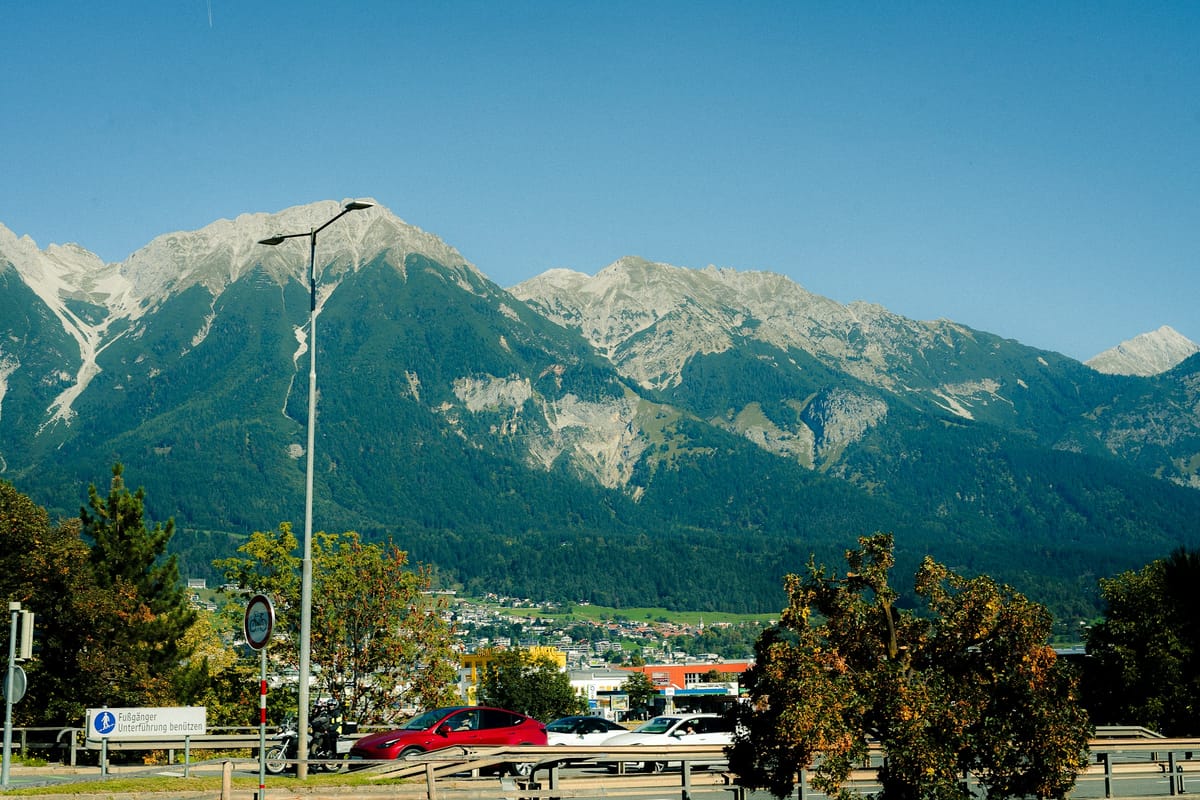
Innsbruck, Western Europe
Innsbruck: Alpine Capital, Tyrolean Soul
Skiing 20 Minutes from the City Center: Locals literally leave their offices, walk to the Nordkettenbahn cable car, and are skiing on real Alpine terrain in …
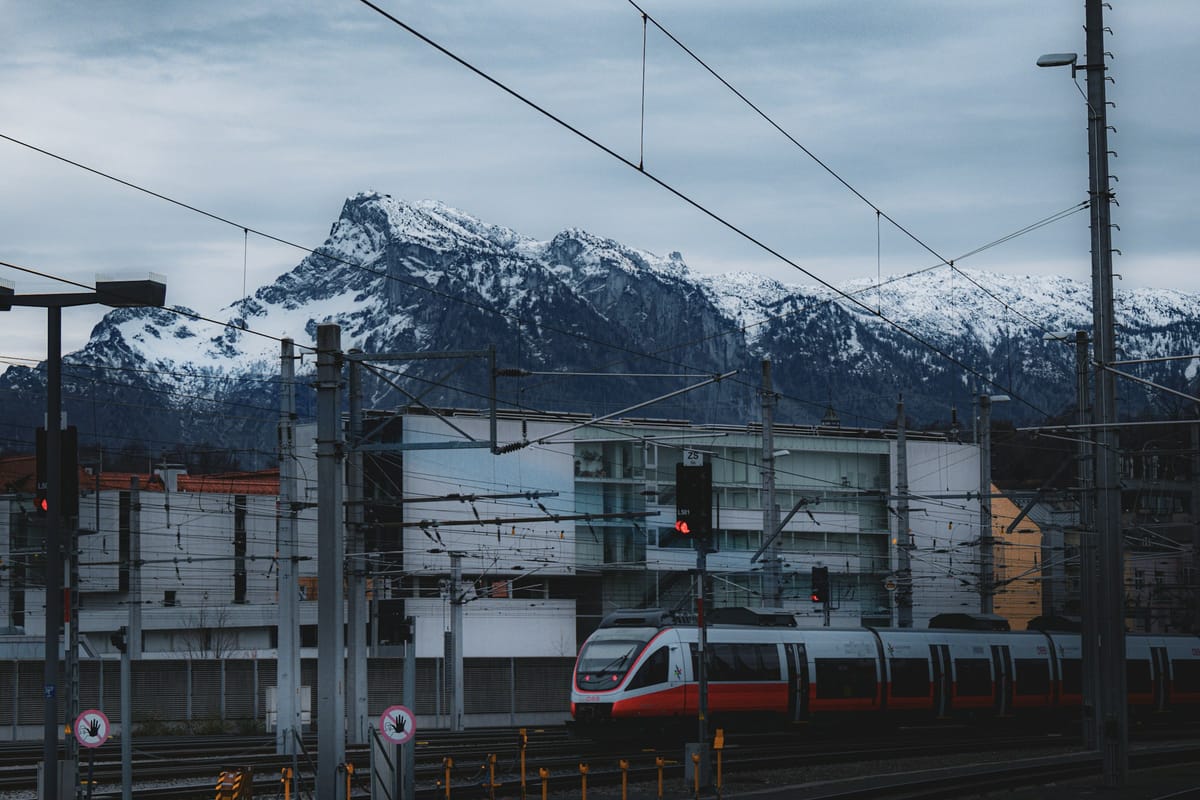
Salzburg, Western Europe
Salzburg: Mozart, Alpine Air & Baroque Beauty
Grüß Gott Greeting: Forget 'Hallo' - in Salzburg everyone says 'Grüß Gott' (literally 'Greet God') as a casual hello. You'll hear it entering every shop, ele…