
🇧🇴 Bolivia
Bolivia Travel Guide - Where Suma Qamaña Meets the Highest Capital on Earth
2 destinations · Budget level 1
Overview
Bolivia sits at the heart of South America where Andean peaks, Amazon rainforest, and altiplano plateau create Earth's most extreme geographic contrasts. Bolivian identity centers on indigenous heritage - 62% identify as Aymara, Quechua, or one of 34 other nations, making this the hemisphere's most indigenous country. The concept of 'suma qamaña' (Aymara for 'living well together') defines Bolivian philosophy - harmonious existence with community, nature, and cosmos over individual material accumulation. Pachamama (Earth Mother) reverence shapes daily rituals - locals perform ch'alla offerings before work, meals, construction. The coca leaf isn't a drug but sacred 'hoja sagrada' central to acullico chewing tradition, spiritual rituals, and indigenous identity resistance. Constitutional recognition in 2009 elevated indigenous languages, values, and cosmology to national policy. Regional divide runs deep - highland Aymara/Quechua 'collas' differ culturally from lowland 'cambas' (Spanish-indigenous mix), creating internal cultural tensions. Cholita culture symbolizes indigenous pride - pollera-wearing Aymara women transformed from colonial oppression symbols to fashion icons, politicians, and cultural ambassadors. Post-Evo Morales era navigates indigenous empowerment legacy against economic challenges, political instability, and continuing decolonization struggles. Bolivians live with altitude extremes - La Paz at 3,640m demands immediate acclimatization, locals chew coca and drink mate de coca naturally.
Travel tips
Altitude Management: CRITICAL - La Paz airport sits at 4,062m, arrive slowly if possible, spend first 2-3 days gentle, chew coca leaves (acullico), drink mate de coca constantly, avoid alcohol initially, locals will guide you. Coca Leaf Etiquette: Accept offered coca freely - it's sacred tradition not drug use, locals share leaves as hospitality gesture, acullico involves ball of leaves with llycta (alkaline ash) in cheek, spitting black saliva normal. Ch'alla Ritual Respect: Watch locals splash chicha or beer to Pachamama before drinking - first drops always for Earth Mother, participating shows cultural understanding, refusing offerings can offend. Cholita Photography: ALWAYS ask permission before photographing cholitas, many charge 10-20 Bs, respect is paramount, traditional dress is cultural pride not costume. Punctuality Flexibility: 'Bolivian time' means 30-60 minutes late normal, locals prioritize relationships over schedules, patience essential, rushing considered rude. Street Food Safety: Anticuchos (beef heart), salteñas (morning only), and api morado safe when vendor busy with locals, avoid empty stalls, altitude affects digestion initially. Transportation Patience: Buses leave 'when full' not on schedule, locals accept this naturally, bring snacks and patience, scenic delays common on mountain roads. Market Etiquette: Say 'casera' (my market lady) to regular vendors, buying from same vendor builds relationship, locals value loyalty, small talk expected before transactions.
Cultural insights
Bolivian culture revolves around indigenous cosmovision, Pachamama reverence, communal bonds, and historical resistance to colonization that continues through cultural decolonization. 'Suma qamaña' (living well together) uniquely Bolivian philosophy - collective wellbeing and ecological balance over individual success, community includes natural world, dismantles Western nature-human dualism. Acullico (coca chewing) practiced by 60-80% rural population - sacred ritual starting workdays, offerings to Pachamama, social bonding, medicinal use, defiance against colonial bans and drug war stereotypes, cultural patrimony protected in 2009 constitution. Regional identities create internal diversity - highland collas (Aymara/Quechua) differ from lowland cambas (mixed heritage), Altiplano cultural practices distinct from Amazon traditions, sharing deep cultural connections with neighboring Peru through Quechua language and Andean traditions. Cholita empowerment symbolizes indigenous resurgence - pollera skirts weigh 10kg representing rootedness, bowler hat position indicates marital status (top=married, side=single), once banned from restaurants now government ministers and media personalities, wrestling cholitas in El Alto blend tradition with performance. Family patron saint 'preste' system creates community obligations - families volunteer to sponsor festivals, massive financial burden considered honor, religious-cultural syncretism blending Catholic saints with Andean deities. Music culture passionate - folk instruments like charango and quena carry Andean soul, folkloric dance groups compete fiercely at festivals, Morenada and Diablada dances tell colonization stories through movement. Carnaval de Oruro UNESCO recognized - 20-hour parade featuring 48 dance groups, Diablada (devil dance) symbolizes good-evil battle, Virgin de Socavón pilgrimage blends Catholic-indigenous beliefs, locals prepare year-round. Time orientation fluid - locals value being present over punctuality, relationships matter more than schedules, Western time-urgency feels alien, adjust expectations or suffer frustration.
Best time to visit
Dry Season/Winter (May-October): Best overall travel window, clear skies 15-20°C days/0-5°C nights in Altiplano, perfect for Uyuni salt flats (dry surface reflects sky magnificently), Inca Trail hiking ideal, lower rainfall in Amazon, locals celebrate Aymara New Year (Willkakuti) June 21 at the UNESCO World Heritage site of Tiwanaku ruins with Pachamama offerings and traditional ceremonies, Alasitas Fair January in La Paz where miniature wishes are blessed by Ekeko god. Wet Season/Summer (November-April): Heavy rains transform Uyuni into mirror lake (stunning but inaccessible center), 18-25°C days in highlands, Amazon at fullest but challenging access, Carnaval de Oruro (February/March) UNESCO masterpiece with 48 dance groups and 20-hour pilgrimage, Gran Poder festival in La Paz (May/June) with 40,000+ dancers honoring El Señor del Gran Poder, muddy roads delay travel, locals harvest crops and perform agricultural rituals. Shoulder Season (April & November): Transition periods with unpredictable weather, fewer tourists, authentic local atmosphere, harvest festivals in April (grape rakija production equivalent), spring planting rituals November, comfortable temperatures 12-22°C, best value accommodation prices. Climate Extremes: Altiplano nights freezing year-round, locals bundle dramatically, Amazon hot-humid always, valley cities like Cochabamba 'eternal spring' climate, altitude creates micro-climates, pack layers always.
Getting around
Buses: Extensive network connects cities, locals use almost exclusively for long-distance, companies like Trans Copacabana and Todo Turismo offer various comfort levels, Bs 30-150 depending on distance, 'cama' (sleeper) buses for overnight, depart 'when full' not strict schedules, mountain roads scenic but slow with switchbacks. Teleférico (Cable Cars): La Paz/El Alto system is world's highest and longest urban cable car network, locals use as primary transit avoiding traffic chaos, Bs 3 rides, stunning views, connects different zones efficiently, tourist attraction and practical transport merged. Minibuses & Micros: City transport in La Paz and Santa Cruz, locals shout destinations, payment to driver or assistant, Bs 1.50-3, crowded but authentic, zebras (people in costumes) help pedestrians cross in La Paz. Trufi (Shared Taxis): Fixed routes in cities, locals share rides with strangers, Bs 2-4, faster than buses, shout destination when boarding, driver nods if going your direction. Rental Cars: Freedom for Salt Flats and remote areas, locals rent for specific trips only, roads variable from paved highways to dirt tracks, 4x4 essential for Uyuni/Amazon, $40-80/day, altitude affects engine performance, spare tire and mechanical knowledge recommended. Trains: Limited routes - famous 'Death Train' Oruro-Uyuni scenic but slow, locals prefer buses generally, tourist train services to Uyuni, colonial-era infrastructure charming but unreliable. Flights: Domestic routes connect major cities, locals use for time-saving, BoA (Boliviana de Aviación) main carrier, Bs 300-800, altitude landings require skilled pilots, El Alto airport world's highest commercial airport.
Budget guidance
Budget Travel (Bs 180-350/day or $25-50/day): Hostel Bs 50-100, street food salteñas/anticuchos Bs 10-25, almuerzo (set lunch) Bs 15-30, local buses Bs 3-10, shared tours Bs 200-400, living like students and locals, authentic market food experiences, basic lodging. Mid-Range (Bs 350-700/day or $50-100/day): Hotel/Airbnb Bs 150-350, restaurant meals Bs 40-80, occasional taxis Bs 20-50, private tour portions, museum entries Bs 20-50, domestic wine Bs 30-80, comfortable travel matching middle-class locals, quality accommodations with hot water (crucial at altitude). Luxury (Bs 700+/day or $100+/day): Boutique hotels Bs 400-1,200+, fine dining Bs 120-300, private guides and 4x4 vehicles, Salt Flats luxury lodge experiences Bs 2,000+, Amazon eco-lodges, still fraction of neighboring countries' costs, exceptional value for comfort level. Bolivia incredibly affordable - locals earn Bs 2,000-4,000/month average, tourist budgets provide excellent experiences, quality-to-cost ratio among continent's best, offering similar budget-friendly advantages to neighboring Ecuador. Regional Variations: La Paz/Uyuni tourist areas pricier, rural areas dirt cheap, lowland cities (Santa Cruz) slightly costlier, markets always cheapest, locals budget carefully but hospitality generous. Value Tips: Almuerzo set lunches best deals, markets for produce, local transportation over tourist shuttles, locals shop mornings for freshest produce, building vendor relationships improves prices.
Language
Spanish is primary language spoken by 84% but Bolivia recognizes 37 official languages including Quechua (2.4 million speakers, 25%), Aymara (1.5 million, 15%), and Guaraní (33,000) among 34 indigenous nations. Essential phrases: 'Buenos días/Buenas tardes' (good morning/afternoon), 'Gracias/Graccias' (thank you), 'Por favor' (please), '¿Cuánto cuesta?' (how much?), 'No entiendo' (I don't understand), 'Habla más despacio' (speak slower). Aymara greetings: 'Kamisaraki' (good morning), 'Janiw kunasa' (nothing/it's okay). Quechua: 'Imaynalla' (how are you?). English spoken minimally - young tourism workers in La Paz/Uyuni have basic skills, rural areas Spanish only, lowlands sometimes Portuguese influence, older generation may know some German/Japanese from immigration. Locals deeply appreciate Spanish attempts, patience with language barriers, speaking slowly helps, Google Translate useful but unreliable, learning basic greetings opens hearts immediately. Regional variations exist - highland Spanish slower with indigenous words mixed, lowland accents faster with different vocabulary, locals code-switch between Spanish and indigenous languages naturally. Indigenous language revival ongoing - schools teaching Aymara/Quechua, radio programs, political speeches, locals proud of linguistic heritage, younger generation reconnecting with ancestral tongues.
Safety
Bolivia generally safe with low violent crime but political instability, altitude sickness, and petty theft require awareness. ALTITUDE SICKNESS CRITICAL: La Paz airport 4,062m causes immediate soroche (altitude sickness) - headaches, nausea, fatigue normal first 2-3 days, locals recommend coca tea constantly, gentle movement, avoid alcohol, medical evacuation difficult as air ambulances can't reach high altitudes, descend if severe symptoms, children especially vulnerable, acclimatize gradually or suffer. Political Demonstrations: Road blockades (bloqueos) occur regularly disrupting transport for days/weeks, locals accept this as political expression, carry extra food/water, flexible travel plans essential, demonstrations sometimes violent, avoid large gatherings, check local news daily. Petty Crime: Pickpockets in La Paz markets and bus terminals, locals don't flash valuables, fake police scam common - real police need prosecutor's written order to search, never go to secondary location with 'police', radio taxis only (phone number on roof). Transportation Safety: Mountain roads genuinely dangerous, accidents common, locals cross themselves before journeys, avoid night buses if possible, sit away from cliff side, Death Road biking thrilling but risky. Scams to Avoid: Fake tour agencies (especially Uyuni - verify licenses), ATM skimming in tourist areas, inflated gringo prices at markets, locals negotiate everything, establish price before services. Health Precautions: Tap water unsafe - drink bottled/boiled only, altitude affects digestion, street food from busy vendors generally safe, medical facilities good in La Paz, very limited rural areas, travel insurance with evacuation coverage essential. Emergency Numbers: 112 (general), 110 (police), 118 (ambulance), 119 (fire). LGBTQ+ Considerations: Conservative attitudes especially in rural areas, locals publicly tolerant but privately traditional, La Paz has small scene, discretion recommended outside cities. Ayahuasca Warning: Avoid ceremonies - deaths and serious illness reported, unregulated and dangerous, locals' traditional use very different from tourist offerings. Safe Areas: Tourist zones generally secure, locals protective of visitors, violent crime rare, exercise normal precautions, Bolivia's reputation worse than reality.
Money & payments
Boliviano (Bs or BOB) is currency, exchange rate approximately 7 Bs = $1 USD. US dollars accepted in some tourist businesses but poor rates, locals prefer Bolivianos for fairness and respect. ATMs abundant in cities (cajeros automáticos), banks exchange USD easily, some accept Euros, locals carry cash primarily. Cards accepted in cities and established businesses, cash essential for markets, street food, rural areas, small vendors, locals rarely use cards outside cities. Typical costs in Bolivianos: Salteña breakfast Bs 8-12, Almuerzo set lunch Bs 15-30, Street anticuchos Bs 10-20, Restaurant meal Bs 40-80, Beer Bs 10-15, Chicha Bs 5-8, Coca leaves (small bag) Bs 3-5, City bus Bs 1.50-3, Teleférico cable car Bs 3, Taxi across La Paz Bs 15-30, Hostel Bs 50-100/night, Mid-range hotel Bs 150-350/night, Uyuni tour (3-day) Bs 600-1,000. Tipping: Not mandatory, 10% in tourist restaurants appreciated, round up for taxis and small services, locals don't tip extensively, tour guides expect Bs 50-100/day. Money-Saving Tips: Always carry small bills - vendors often claim no change (may be true at markets), negotiate prices in markets and for services, buying from same casera (market vendor) builds relationship and better prices, almuerzo set lunches incredible value, locals shop mornings for best selection, avoid changing money at hotels (terrible rates). Currency Exchange: Casa de cambio better rates than hotels, street changers risky (counterfeit), banks official but slower, keep USD $1-5 bills for emergencies, some remote areas banking scarce. Budget Bs 200-350/day ($28-50) comfortable budget travel possible, Bs 500/day ($70) very comfortable local lifestyle.
Destinations in Bolivia

Cochabamba, South America
Cochabamba: Eternal Spring Heart
The City of Eternal Spring: Cochabamba earns this nickname honestly - locals experience 25°C (77°F) year-round, but the altitude at 2,560 meters means you'll…
La Paz, South America
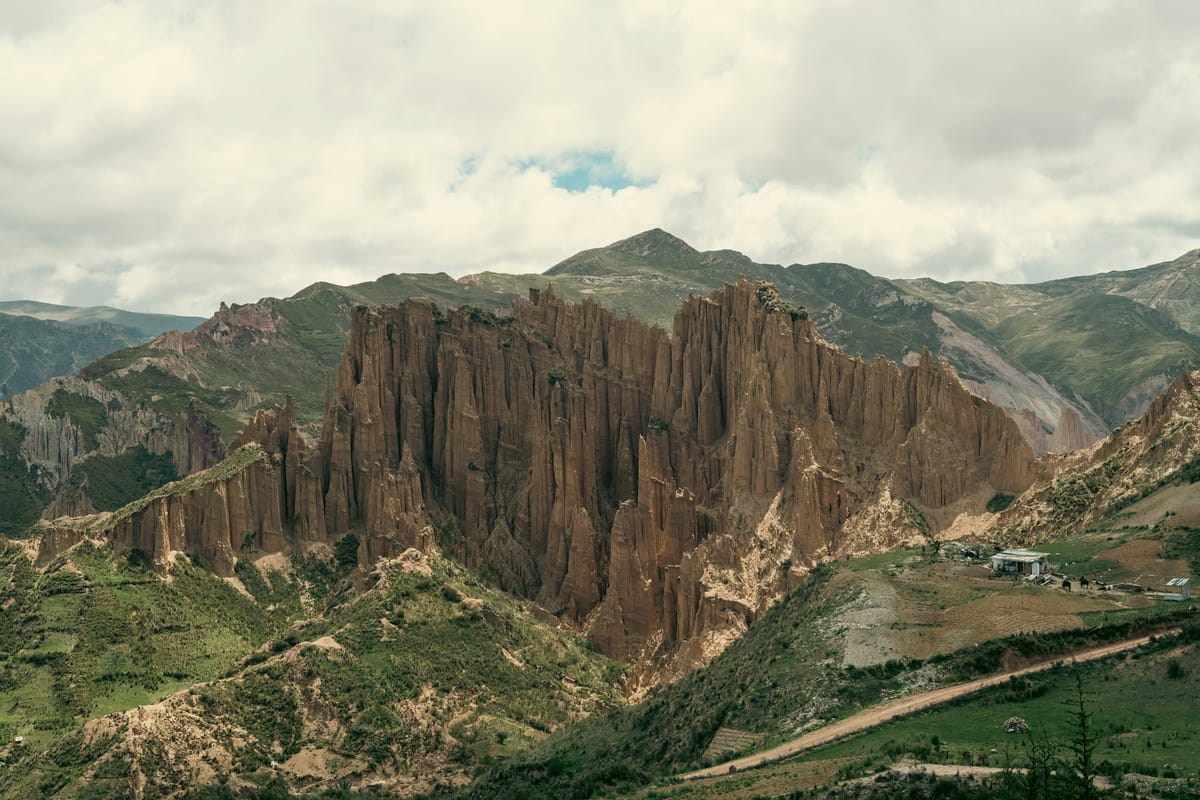
La Paz: World's Highest Capital, Andean Soul
Altitude Reality Check: At 3,640m (11,942ft), La Paz is the world's highest administrative capital - locals walk slowly on purpose, chew coca leaves for soro…