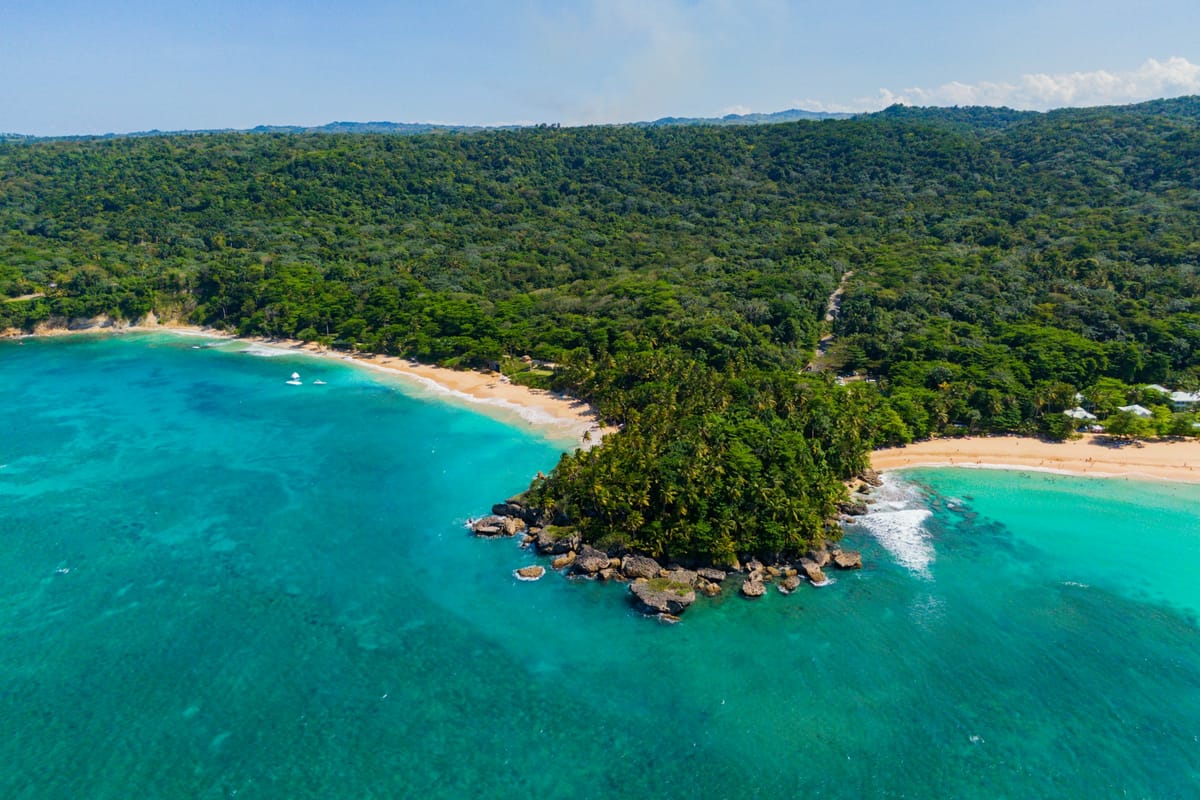
🇩🇴 Dominican Republic
Dominican Republic Travel Guide - Where Merengue, Tíguere Spirit & Caribbean Soul Collide
2 destinations · Budget level 2
Overview
The Dominican Republic sits at the crossroads of three civilizations - Taíno indigenous heritage, West African ancestry, and Spanish colonialism - creating Caribbean's most culturally layered identity. Dominicans call this fusion 'dominicanidad,' expressed through music, food, dance, language, and an unmistakable social energy that locals call 'sabor' (flavor/soul). The cultural concept of 'tíguere' (tiger) defines the Dominican archetype - a person of sharp wit, street intelligence, resourcefulness, and irresistible charisma who navigates hardship with style and confidence. Originally a code of honor and brotherhood from urban barrios, tíguere spirit represents survival through creativity rather than surrender. Merengue and bachata are not entertainment - they are the national language. Merengue's three-instrument combination (Taíno güira, African tambora drum, European accordion) literally encodes the three strands of Dominican DNA in musical form. Bachata, once banned from polite society as 'music of the poor,' became a UNESCO Intangible Cultural Heritage in 2019 - a Dominican journey from shantytown shame to global pride mirroring the nation's own complex self-image. Family and 'confianza' (trust built through personal relationships) form the invisible architecture of Dominican society. Nothing moves without relationships - business, favors, access, and connections all flow through personal networks built over shared meals, music, and years of reciprocal loyalty. Catholicism runs deep but lives in creative tension with African spiritual traditions - saints coexist with folk beliefs, Good Friday processions share cultural DNA with West African ceremonial practices. The island's dramatic geography creates internal diversity: the cosmopolitan capital Santo Domingo contrasts with traditional Cibao Valley culture centered in Santiago, while the Samaná Peninsula and southwestern Barahona coastline feel like entirely different countries.
Travel tips
Greeting Culture: Always greet everyone individually - entering a room without greeting each person is deeply rude. 'Buenos días/tardes/noches' (good morning/afternoon/evening) opens every interaction, locals notice when foreigners skip this. Dominican Time: 'Ahora' literally means 'now' but functions anywhere from 10 minutes to 2 hours - patience required, lateness is structural not personal. Colmado Culture: Corner stores (colmados) are community social hubs where locals gather for cold Presidente beer, dominoes, and conversation - these are the real Dominican social clubs, not bars. Motoconcho Negotiation: Always agree on price BEFORE boarding a motorcycle taxi, say 'Cuánto hasta...' - negotiate in Spanish, carry small peso bills. La Bandera at Lunch: Don't miss lunch as the main meal - head to a comedor (local diner) for rice, beans, and meat for RD$200-400, the same plate costs 5x more at tourist restaurants. Music is Constant: Sound doesn't stop - bachata from open cars, merengue from colmados, reggaeton from everything else. Silence is uncomfortable for Dominicans; embrace the soundtrack. Dress to Impress: Dominicans dress with care even in casual settings - showing up visibly disheveled reads as disrespect. Locals iron clothes for beach trips. Political Awareness: Haitian-Dominican relations and immigration are sensitive political topics - observe, listen, don't offer foreign opinions. Refusing Food: If offered food in a Dominican home, refusing once is acceptable, refusing twice risks offense - accept at least symbolically. Beach vs. Interior: The resorts give you the DR's surface - inland comedores, colmados, provincial Carnaval celebrations, and Cibao Valley villages give you its soul. For one of the DR's best active coastal experiences, Cabarete on the north coast combines world-class kiteboarding with a laid-back Dominican beach town vibe that feels nothing like a resort.
Cultural insights
Dominican culture is defined by three intersecting forces: African communal warmth, Spanish pride and formality, and Taíno rootedness to land - all filtered through Caribbean island life into something uniquely Dominican. 'Simpatía' drives social interaction - being likable, easygoing, and fun is a moral value, not just personality. Confrontation disrupts harmony, so Dominicans often deliver disagreement through humor, indirection, or strategic silence rather than direct conflict. The 'colmado' (corner store) functions as Dominican society's beating heart - more bar than store, more community center than shop. Neighborhood colmados run tabs for families, host informal credit systems, and serve as information exchanges. Understanding the colmado is understanding Dominican social infrastructure. Bachata's cultural rehabilitation mirrors Dominican national psychology - the genre was associated with poverty, vulgarity, and the countryside, rejected by middle-class Dominicans who preferred merengue's energy and urban associations. When diaspora Dominicans in New York City embraced bachata as homeland connection in the 1980s, its status reversed. Now UNESCO-recognized as Intangible Cultural Heritage, bachata represents Dominican capacity to transform shame into pride, marginalization into global influence. The DR's musical influence rivals neighboring Jamaica's reggae legacy in terms of global cultural impact from a small Caribbean island. The Cibao Valley (northern interior centered on Santiago) maintains distinct identity from the capital - Cibaeños speak Spanish with different rhythm, maintain stronger traditional values, and view themselves as the cultural heartland. Santiago's Carnival is considered more elaborate and traditional than Santo Domingo's, a point of active regional pride. The concept of 'relajo' (playful irreverence, banter, teasing) lubricates social life - Dominicans deflect stress, hierarchy, and difficult topics through humor. Knowing how to give and receive relajo without offense is a social skill; foreigners who can participate earn respect immediately. Race and identity remain complex - Dominican identity historically emphasized Spanish and Taíno heritage over African roots, a legacy of colonial dynamics and Haiti relationships. Modern Dominican youth increasingly reclaim African heritage as source of cultural pride rather than ambivalence. Vodou-adjacent folk belief system called '21 Divisiones' (21 Divisions) exists alongside official Catholicism, particularly in rural communities - a syncretic spiritual system where African Lwa spirits map onto Catholic saints. Practitioners operate openly in many communities despite official Catholic dominance.
Best time to visit
Winter Dry Season (December-April): Peak season with ideal weather 25-30°C, minimal rain on north and east coasts, and the country's most spectacular cultural events. February brings Carnaval season - every weekend La Vega, Santiago, and Santo Domingo host elaborate Carnival parades with Diablos Cojuelos. February 27 is Independence Day, combining national pride with carnival energy. Easter week (Semana Santa) sees the whole country migrate to beaches - hotels fill weeks in advance and kite-flying fills Santo Domingo's skies on Easter Saturday. Higher prices and resort crowds December-January. Spring/Summer (May-July): Shoulder season with afternoon showers, lush green landscapes, and 26-32°C temperatures. Fewer tourists means better prices and more authentic interaction. Ocean water warmest for swimming. July brings Merengue Festival in Santo Domingo's Malecón. Hurricane Season (August-November): Highest risk with September-October peak, significant rainfall, potential disruptions. Lowest prices year-round. North coast (Cabarete, Sosúa) and south coast experience different weather patterns - the Samaná Peninsula can be beautiful when the capital is cloudy. Regional Climate Note: The country's mountainous spine creates microclimates - the Cibao Valley stays cooler year-round, while the southwest (Barahona, Pedernales) is drier and hotter. Kiteboarding season in Cabarete peaks November-August when trade winds are strongest.
Getting around
Guaguas (Minibuses): Privately-owned white vans running fixed routes, stopping anywhere on request - the backbone of Dominican local transport. Fares RD$35-100 for city routes, more for long-distance. Pack tightly with locals, no fixed schedule, driver decides when van is 'full enough.' Conchos (Shared Taxis): Four-door sedans running set urban routes, 2-4 passengers sharing the car. Fares RD$25-50 per ride - cheaper than private taxis, faster than guaguas. Flag them down, shout your destination, they'll signal if they're going that way. Motoconchos (Motorcycle Taxis): Essential in beach towns, rural areas, and anywhere traffic is impossible. Negotiate fare before boarding - RD$50-75 short town rides, RD$100-150 to outlying beaches. Night or rain adds 20-30%. No helmets typically offered, ride at own judgment. OMSA (Public Buses): Santo Domingo's modern articulated bus network covering major city routes - RD$20 flat fare, air-conditioned, crowded at rush hour. Best urban option for tourists. Carros Públicos: Similar to conchos but often longer route, city-to-city travel. Long-Distance: Caribe Tours and Metro buses connect major cities - comfortable, air-conditioned, RD$250-600 depending on route. Santo Domingo to Santiago ~2 hours, RD$300. Book at terminal. Taxis/Uber: Uber operates in Santo Domingo and Punta Cana - reliable, priced from RD$200-500 within city. Private taxis from RD$500-800. Resort areas have regulated taxi stands. Rental Cars: From USD $40-80/day - gives freedom to explore Samaná, Barahona, and interior. Roads range from excellent highways to rough rural tracks. Drive defensively; traffic rules are suggestions.
Budget guidance
Budget Travel (RD$2,500-5,000/day or USD $42-85/day): Guesthouse RD$800-1,500, comedor lunch RD$200-400 (rice, beans, meat - same food locals eat), guagua/motoconcho transport RD$50-200, colmado Presidente beer RD$100-150, free beach access, Zona Colonial walking. This budget gives you deeply authentic Dominican daily life. Mid-Range (RD$5,000-12,000/day or USD $85-200/day): Mid-range hotel or Airbnb RD$1,500-4,000, restaurant meals RD$600-1,500, Uber/taxi transport, paid tours and excursions RD$1,500-3,000, locally-produced rum and cocktails. Comfortable access to culture and comfort. Luxury (RD$12,000+/day or USD $200+/day): Boutique hotels or all-inclusive resorts RD$8,000-40,000 per night, fine dining RD$2,000-5,000, private driver/guide, premium whale-watching tours (Samaná), spa treatments, golf. Still fraction of equivalent European luxury. Regional Cost Variation: Santo Domingo and tourist resort areas (Punta Cana, Bávaro) most expensive. Santiago, Cabarete, and Samaná Peninsula offer better value. Interior towns like Jarabacoa and Constanza cheapest - meals RD$150-300, rooms RD$500-800. Key Value Tips: Eat at comedores (RD$200-400 full lunch vs. RD$800-1,500 at tourist restaurants), buy rum at supermarkets not resort bars (Brugal Añejo RD$350-450 per bottle), use OMSA in Santo Domingo (RD$20 flat vs. Uber RD$200+).
Language
Spanish is the official language - Dominican Spanish fast, rhythmic, and peppered with local slang that can baffle even fluent speakers. Dominicans drop final consonants, merge sounds, and speak at Caribbean speed - 's' disappears mid-word, 'd' vanishes at word endings. 'No hay' (there isn't any) becomes 'No hay na.' Key phrases: 'Buenos días/tardes/noches' (essential greeting every time), '¿Cómo tú estás?' (how are you?), 'Tranquilo' (relax/no problem), 'Eso e' (that's it/exactly!), 'Qué lo qué' (what's up - casual greeting), 'Mañana sin falta' (tomorrow without fail - means maybe), 'Wepa!' (yes!/great!), 'Mangú' used slangily to mean anything excellent. English spoken in resort zones, Punta Cana, and by tourism workers in Santo Domingo's Zona Colonial. Outside tourist areas, Spanish is essential - guagua drivers, colmado owners, and interior towns operate entirely in Spanish. Young urban Dominicans increasingly speak English, particularly those with diaspora family connections in New York. Learning even basic Spanish phrases dramatically improves experience - locals respond with warmth and extra generosity when foreigners attempt Spanish rather than defaulting to slow English. The Dominican-American diaspora (over 1.5 million in New York alone) has created 'Dominicanish' - fluid mixing of Spanish and English that flows naturally in conversations.
Safety
Dominican Republic is generally safe for tourists who exercise standard urban precautions, though crime rates vary significantly by area. Santo Domingo's Zona Colonial, Piantini, Naco, Gazcue, and Bella Vista neighborhoods are considered safe for visitors. Avoid northern barrio areas of the capital after dark without local guidance. Punta Cana resort zones have extremely low crime rates - less than 1% of tourists report incidents. Common risks: Pickpocketing in crowded markets and transport hubs, drive-by bag snatching by motorcycle (don't walk with phone visible in Santo Domingo streets), credit card skimming at ATMs (use bank ATMs inside buildings, cover keypad), 'pirate lawyers' near tourist police stations in Punta Cana offering unnecessary services. Motoconcho safety: risk assessment before boarding, more accidents than crime. Unmarked taxis: always use metered taxis from stands or Uber - street 'taxis' can overcharge or be unsafe, especially at night. Political demonstrations occasionally disrupt traffic in Santo Domingo - avoid large gatherings. LGBTQ+ travelers: legal protections limited, public displays of affection between same-sex couples not recommended outside urban tourist zones - generally tolerated in private but conservative attitudes public. Water: drink bottled water throughout the country - tap water not safe for tourists. Food safety: comedores and street food generally safe where locals eat in volume, be cautious with uncooked vegetables at tourist spots. Healthcare: private clinics in Santo Domingo and Punta Cana provide good care, limited in rural areas - travel insurance strongly recommended. Emergency numbers: 911 (national emergency), 809-686-2020 (tourist police), Politur (tourist police) officers patrol major resort areas and speak English.
Money & payments
Dominican Peso (RD$ or DOP) is the official currency. Exchange rate approximately RD$59-62 per US dollar (2025). US dollars accepted in tourist resort areas but at poor exchange rates - change at banks or certified exchange offices (casas de cambio) for better value. ATMs widely available in cities and resort zones, limited in rural areas - use bank branch ATMs to avoid skimming. Cards accepted at hotels, upscale restaurants, and shopping malls - cash essential for comedores, colmados, guaguas, motoconchos, and local markets. Typical costs: Presidente beer at colmado RD$100-150, Comedor lunch RD$200-400, Street empanada/pastelito RD$30-60, Café con leche RD$80-120, Local restaurant meal RD$600-1,200, Tourist restaurant meal RD$1,200-2,500, Guagua city ride RD$35-60, Motoconcho short ride RD$50-75, Domestic Brugal rum bottle RD$350-450 supermarket. Tipping culture: 10% tip at sit-down restaurants common but not always mandatory (check if service charge included), round up for taxi drivers and small services, no obligation at colmados. Dominican pesos cannot be exchanged outside the country - spend remaining pesos before departure or exchange at airport (poor rates). ATM daily limits typically RD$10,000-20,000 per transaction.
Destinations in Dominican Republic
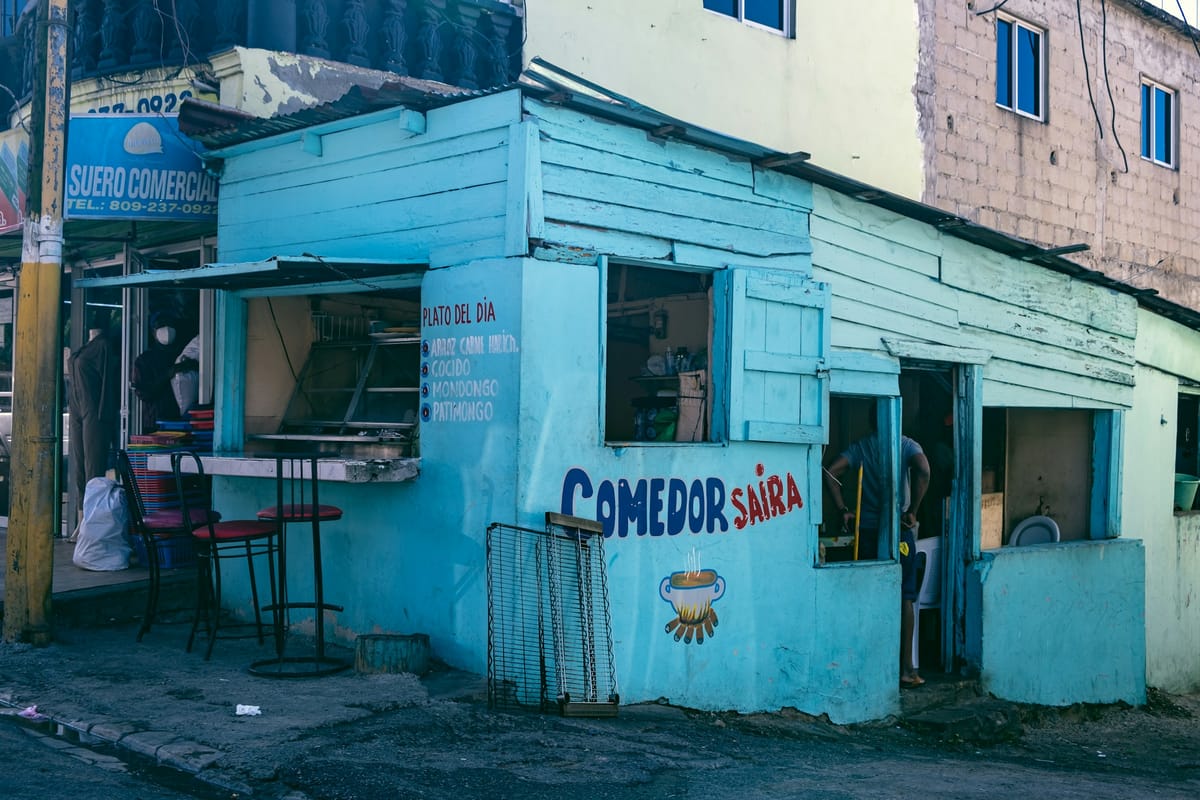
Cabarete, North America
Cabarete: Kite Capital with Caribbean Soul
Wind Rules the Clock: Cabarete does not run on sun schedule — it runs on wind schedule. Trade winds arrive every afternoon between 1-3 PM with near-supernatu…
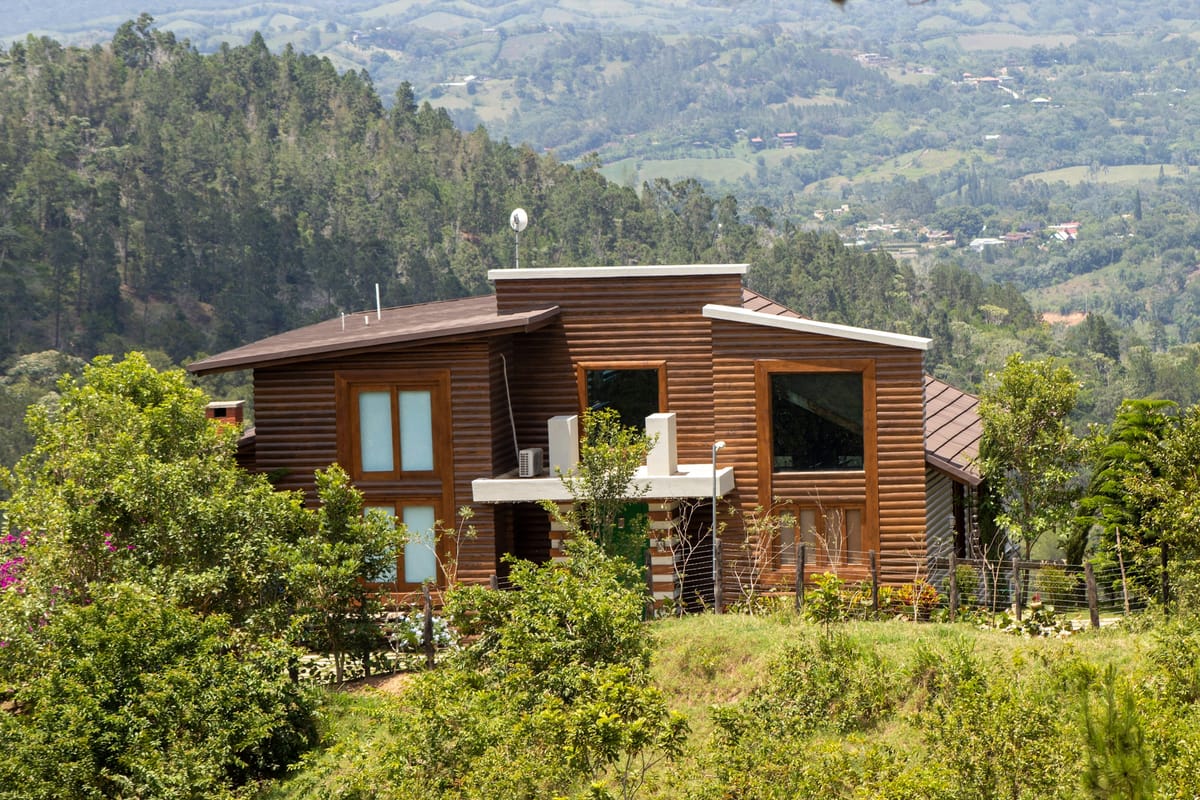
Jarabacoa, North America
Jarabacoa: City of Everlasting Spring
Mountain Cold That Catches Everyone Off Guard: Tourists show up to the Dominican Republic expecting beach heat and pack nothing but tank tops — then Jarabaco…