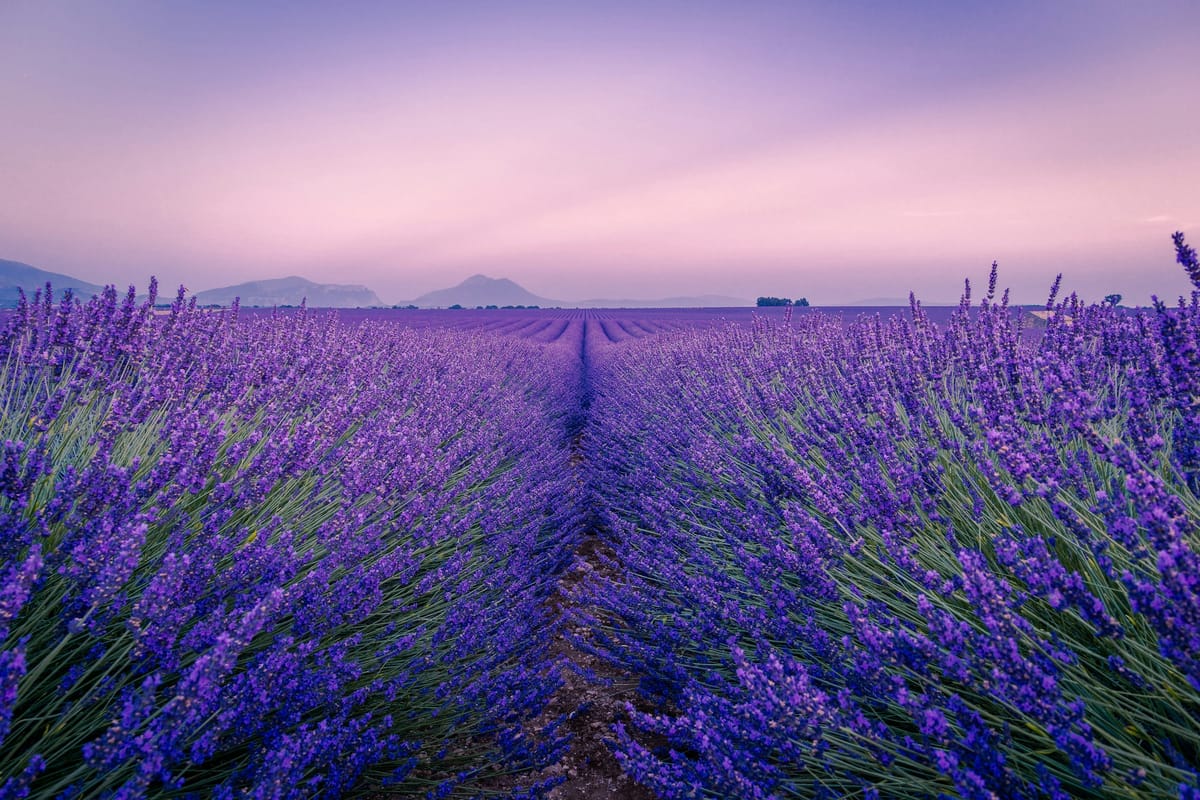
🇫🇷 France
France Travel Guide - Where L'Art de Vivre Meets Revolutionary Spirit
11 destinations · Budget level 2
Overview
France sits at Western Europe's cultural heart where Enlightenment ideals, revolutionary legacy, and Roman Catholic tradition create paradoxical national character - fiercely secular yet cathedral-filled, globally influential yet provincially protective, welcoming tourists while demanding cultural assimilation. 'L'art de vivre' (art of living) and 'savoir-vivre' (knowing how to live) define French philosophy - life approached as aesthetic exercise valuing quality, elegance, pleasure, and present-moment appreciation over productivity. 'Terroir' concept extends beyond wine to cultural identity - belief that geography, history, and culture create untranslatable local character, explaining fierce protection of regional traditions, AOC food designations, and resistance to globalization. 'Laïcité' (secularism) shapes public life since 1905 church-state separation, creating tensions as Muslim population (8% and Europe's largest) challenges secular universalism with religious expression. Revolutionary heritage persists through strike culture - labor movements considered civic participation, unions powerful, 35-hour workweek sacred, demonstrations expected response to policy changes. Formality structures social interaction through 'vouvoiement' (formal vous) vs 'tutoiement' (informal tu) - addressing strangers with tu considered disrespectful, first-name basis earned slowly, politeness codes rigid yet masking warm friendships once trust established. Regional identities strong despite Paris centralization - Breton Celtic heritage, Alsatian Germanic influence, Provençal Mediterranean temperament, Corsican independence movements, each maintaining linguistic and cultural distinctiveness. French paradox apparent everywhere - intellectualism meeting hedonism, revolutionary spirit alongside traditionalism, global ambitions within hexagonal borders, wine-cheese-bread trinity treated with religious reverence in secular society.
Travel tips
Greeting Etiquette: Always say 'Bonjour' (morning/day) or 'Bonsoir' (evening) entering shops, cafés, or starting conversations - skipping greeting perceived as rude, locals judge character on politeness. La Bise: Cheek-kissing varies by region (2 kisses Paris, 3-4 in South), wait for locals to initiate, handshakes in professional contexts, physical contact expected once acquainted. Vouvoiement Rules: Use 'vous' (formal you) until invited to 'tutoyer' (use tu), younger generation more casual but older French strict, err on formality with shopkeepers, waiters, anyone 30+. Dining Hours: Lunch 12:00-14:30, dinner after 19:30 (20:00-21:00 normal), restaurants close between services, eating on-the-go considered uncivilized, meals taken seriously. Café Culture: Order at counter for cheaper prices or sit for table service (marked-up), nursing single coffee for hours acceptable, waiters won't rush you, catch eye contact to request bill. Bread Etiquette: Place bread directly on table beside plate (not on plate), tear by hand never cut, use to push food onto fork, wipe plate with bread acceptable. Wine Ritual: Toast with eye contact or risk seven years relationship problems (superstition), clink everyone's glass, wine discussed seriously, table wine (vin de table) perfectly acceptable. Apéro Tradition: Pre-dinner drinks 18:00-20:00 social ritual, expect light snacks (olives, charcuterie, cheese), refusing invitation awkward, can extend for hours before dinner. Smoking Reality: Everyone smokes everywhere despite bans, café terraces smoky, locals chain-smoke socially, non-smoking culture doesn't exist like Anglo countries. Punctuality Paradox: Professional appointments require punctuality, social invitations expect 15-30 minutes fashionably late (not earlier), dinner parties arrive 20 minutes after stated time. Strike Awareness: Regular transportation strikes disrupt travel, locals accept as civic tradition, check SNCF schedules constantly, build flexibility into plans. Formality First: Err on politeness over friendliness, French respect distance and formality initially, American-style chattiness considered superficial, relationships develop slowly. Language Effort: Attempting French even poorly brings respect, starting English conversation without 'Parlez-vous anglais?' rude, locals appreciate effort over perfection. Fashion Consciousness: Casual doesn't mean sloppy, locals judge on presentation, athletic wear outside gym noticed, sneakers acceptable if stylish, American tourist uniform (shorts-sneakers-baseball cap) marked. Tipping Navigation: Service included ('service compris'), round up or leave 5-10% for good service, not obligatory like US, locals don't tip habitually.
Cultural insights
French culture revolves around intellectual rigor, aesthetic appreciation, social formality masking deep loyalty, and belief that French civilization represents cultural peak. 'Savoir-vivre' philosophy means knowing how to live well - prioritizing quality over quantity, conversation over consumption, meals as social architecture not fuel stops, work-life balance religiously defended through 35-hour week and five-week vacation minimums. 'Terroir' concept uniquely French - untranslatable idea that place creates irreplaceable character in wine, cheese, people, identity, locals fiercely protect AOC designations, regional specialties, believing globalization destroys authenticity. Flânerie (purposeful wandering) embodies French approach to life - Baudelaire's urban philosopher strolling Paris observing life as aesthetic experience, rushed tourism considered barbaric, presence valued over productivity. Regional identities persist despite Paris centralization creating 'Paris versus province' tension - Bretons maintain Celtic language and festivals, Alsatians speak Germanic dialect and celebrate Christmas markets, Provençals embrace Mediterranean lifestyle and bouillabaisse, Corsicans maintain militant independence movements and Italian-influenced culture, locals identify regionally before nationally. Food culture approaches religious devotion - UNESCO-recognized 'gastronomic meal' tradition structures social life, markets central to daily routine, industrial food scorned, cheese course non-negotiable, bread quality matters existentially, locals debate restaurant recommendations passionately. Wine culture inseparable from identity - every region produces distinctive wines, locals learn pairing instinctively, wine appreciation crosses class boundaries, refusing wine at meal slightly offensive, discussions blend snobbery with genuine knowledge. Café culture serves as social laboratory - locals nurse coffee for hours debating philosophy, politics, existence, waiters won't rush you, cafés are living rooms, intellectual life conducted over espresso and cigarettes, with a similar tradition found in Barcelona's café scene. Intellectualism valued across classes - taxi drivers quote Sartre, farmers discuss literature, philosophy bac (high school exam) national event, abstraction and theory respected over pragmatism, Americans considered anti-intellectual. Work culture paradoxical - 35-hour week fiercely protected yet executives work long hours, vacation sacred (shops close August), lunch breaks 1-2 hours non-negotiable, productivity measured by efficiency not hours, striking considered civic duty not disruption. Language pride intense - French colonial legacy creates linguistic defensiveness, Académie Française guards purity, Franglais resisted, locals genuinely pained by poor French pronunciation, regional languages (Breton, Occitan, Alsatian) experiencing revival. Social hierarchy fluid yet rigid - republican equality ideal conflicts with elite grande école system, old money discretion versus nouveau riche ostentation, class markers subtle (accent, cultural references, wine knowledge), Americans considered classless both admiringly and disdainfully. Catholic heritage shapes secular society - church attendance low (5% regular) but holidays, values, aesthetics remain, Sunday closures persist, cathedral towns organized around church squares, secular rituals mirror religious structures. Laïcité tensions escalate with 8% Muslim population - headscarf bans, burkini controversies, Charlie Hebdo tragedy, locals struggle reconciling secular universalism with religious pluralism, debates about integration versus multiculturalism ongoing. May '68 revolutionary spirit lingers - student protests shaped modern France, questioning authority normalized, demonstrations regular civic engagement, unions powerful, government-citizen relationship adversarial, political debate passionate. French paradox everywhere - smoking while health-conscious, intellectual yet hedonistic, welcoming tourists while dismissive, global cultural influence alongside provincial protectiveness, Revolutionary liberty alongside bureaucratic regulations.
Best time to visit
Spring (April-May): Ideal weather 12-22°C, gardens blooming spectacularly, Easter celebrations atmospheric, locals shed winter gloom with terrace apéros, fewer tourists than summer, markets overflowing with asparagus and strawberries, perfect for Loire châteaux and Provençal villages, occasional rain showers require flexibility. Summer (June-August): Hot 20-32°C (extreme heat waves reaching 40°C increasingly common), peak tourist season with inflated prices and crowds at monuments, locals escape cities August (Parisians desert capital for beaches), southern France packed but coastal swimming perfect, lavender fields peak July, festivals abundant (Avignon, Nice Jazz, Bastille Day July 14), northern France pleasant, air conditioning rare causing discomfort during heat waves, book accommodations months ahead. Autumn (September-October): Perfect weather 15-25°C, grape harvest (vendanges) across wine regions, locals return energized, tourist crowds thin, changing leaves in countryside stunning, food markets showcase mushrooms, chestnuts, game, cultural season begins with theater and exhibitions, cheaper prices post-summer, occasional autumn rain. Winter (November-March): Cold 2-10°C (Paris/North), mild 8-15°C (South), Christmas markets magical especially Alsace and Strasbourg, galette des rois (Epiphany cake) tradition January, ski season Alps and Pyrenees December-March with excellent access from Grenoble, cafe culture peaks indoors with chocolat chaud, gloomy gray weather Paris but authentic local life, significantly cheaper except Christmas/New Year, museums uncrowded, locals bundle dramatically for mild cold, truffles season peak January-February Périgord.
Getting around
SNCF Trains: Extensive network connects major cities efficiently, TGV high-speed trains Paris-Lyon 2 hours, Paris-Marseille 3 hours, advance booking €25-80, last-minute €100+, locals book 3 months ahead for deals, comfortable and reliable but strikes disrupt schedules regularly, first-class worth upgrade for comfort. TER Regional Trains: Connect smaller towns and regions, slower but scenic, locals commute daily, €5-20 tickets, punctuality variable, strike-prone like TGV, bicycle-friendly. Intercity Buses: FlixBus and BlaBlaBus cheap alternatives, Paris-Lyon €10-25, locals increasingly use, WiFi equipped, comfortable, less strike-affected than trains, longer journey times. Metro/Public Transport: Paris Métro extensive (€2.55 single, €32.40 weekly Navigo, €90.80 monthly as of 2026), locals use daily, crowded rush hours, pickpocket vigilant, Lyon, Marseille, Toulouse, Lille have metros/trams, provincial cities bus-dependent. Rental Cars: Essential for countryside, wine regions, small villages, locals rent for rural vacations, €35-80/day depending season, automatic transmission rare and expensive, right-hand traffic, parking nightmares in cities, toll highways (péage) add €20-50 long journeys, rural roads scenic and well-maintained. Cycling: Growing bike-share systems Paris (Vélib'), Lyon (Vélo'v), locals increasingly cycle cities, dedicated lanes expanding, countryside cycling popular Loire and Provence, bikes allowed on some trains, French drivers increasingly respectful. Ride-sharing: Uber works major cities, locals split between traditional taxis and apps, BlaBlaCar popular intercity ridesharing (cheaper than trains), younger generation embraces sharing economy. Domestic Flights: Cheap short-haul flights Paris-Nice/Bordeaux/Toulouse, locals fly for convenience, environmental concerns growing, train usually better experience, useful for Corsica access.
Budget guidance
Budget Travel (€45-75/day): Hostel €20-40, Airbnb outside centers €40-60, boulangerie breakfast €3-6 (croissant, coffee), supermarket picnics €8-12, occasional bistro lunch €12-18, street crêpes €5-8, supermarket wine €5-10, free museums first Sunday, walking tours, living like resourceful students or working-class locals. Mid-Range (€75-150/day): Hotels €60-100, modest Airbnb €70-120, café breakfast €8-15, bistro lunches €15-25, modest restaurant dinners €20-35, wine by glass €5-10, occasional taxis €15-30, museum entries €12-18, comfortable middle-class lifestyle, regional train travel. Luxury (€150-300+/day): Boutique hotels €120-300+, Michelin-star dining €80-200+ per meal, fine wine €15-50+ per glass, private guides €150-300/day, TGV first-class, wine château tours €50-150, spa treatments, fraction of US luxury prices but still substantial, accessing upper-middle and wealthy French lifestyle. France expensive by European standards - locals earn €1,800-2,500 net monthly average, Paris significantly pricier than provinces (30-50% more), quality-to-cost ratio varies wildly, tourist traps abundant landmarks, authentic neighborhood bistros offer value, wine and cheese relatively affordable, accommodation biggest expense, public transport excellent value, eating like locals (markets, bakeries, lunch menus) drastically reduces costs, avoiding tourist restaurants saves 40-60%, provinces (Lyon, Bordeaux, Montpellier, Strasbourg) offer 25-40% savings over Paris while maintaining quality.
Language
French is Romance language official nationwide, regional languages (Breton, Occitan, Alsatian, Corsican, Basque, Catalan) persist despite historical suppression. Essential phrases: 'Bonjour' (hello - mandatory greeting), 'Bonsoir' (good evening), 'Merci' (thank you), 'S'il vous plaît' (please), 'Excusez-moi' (excuse me), 'Parlez-vous anglais?' (Do you speak English? - ask before switching), 'L'addition, s'il vous plaît' (the check, please), 'Je ne comprends pas' (I don't understand), 'Au revoir' (goodbye). English spoken by younger Parisians and tourism workers, rare in rural areas and among 50+ generation, provincial France struggles with English, locals appreciate French attempts enormously even if mangled, starting English without asking permission considered arrogant. Regional accents strong - Southern French musical and slower, Northern clipped and rapid, Parisian considered standard but locals mock provincial accents, ch'ti (Northern) dialect nearly incomprehensible. Verlan (slang reversing syllables) used by youth - 'meuf' (femme/woman), 'ouf' (fou/crazy), 'chelou' (louche/weird), 'relou' (lourd/annoying), understanding marks cultural insider status. Formal/informal distinction crucial - 'vous' (formal you) versus 'tu' (informal you), using tu prematurely offensive, wait for locals to suggest 'on peut se tutoyer?' (can we use tu?), professional contexts always vous until invited otherwise. French pride in language intense - Académie Française guards purity against English invasion, locals wince at mispronunciation, language considered cultural treasure, pronunciation matters (silent letters, nasal sounds, liaisons complex), locals help if effort genuine but dismiss lazy attempts. Language learning challenging - gendered nouns arbitrary, verb conjugations extensive, pronunciation counterintuitive for Anglophones, locals speak rapidly, false cognates abundant, but rewards profound as French philosophical vocabulary untranslatable, mastering language opens cultural understanding inaccessible otherwise.
Safety
France generally safe with moderate crime levels varying significantly by region and neighborhood. Pickpockets prolific tourist areas - Eiffel Tower surroundings, Louvre, Champs-Élysées, metro lines 1/4/6/9, locals vigilant with belongings, distraction techniques common (clipboard petitions, friendship bracelets, gold ring scam, 'did you drop this?' schemes), keep valuables front pockets, wear crossbody bags, phone snatching increasing especially terraces. Metro safety mixed - daytime generally fine, late night exercise caution, empty carriages avoided, certain stations sketchy (Barbès-Rochechouart, Château Rouge, Gare du Nord surroundings, parts of 18th/19th/20th arrondissements), locals aware neighborhood dynamics, women report harassment occasionally. Banlieues (suburban housing projects) have reputation but tourists rarely venture there, socioeconomic tensions exist, certain suburbs avoided evening, locals distinguish safe from troubled areas instinctively. Terrorism risk exists - France experienced attacks 2015-2016, government maintains Vigipirate security plan, armed soldiers patrol monuments, bag checks common, locals adapted to heightened security, risk statistically low but awareness warranted. Scams targeting tourists - restaurant bill padding (check itemized charges), taxi overcharging (use apps or insist meter), unlicensed taxis at airports, overpriced tourist menus, fake petition charity schemes, ATM skimming rare but possible, locals street-smart. Driving safety decent but aggressive - locals drive assertively especially Paris, roundabouts intimidating, parking predatory (tickets frequent, towing expensive), speed cameras abundant, rural roads narrow, pedestrians cross confidently expecting cars to stop. Protests and strikes regular - demonstrations sometimes escalate (Yellow Vests movement precedent), avoid protest areas when tensions high, transportation strikes disrupt travel plans, locals build flexibility, generally peaceful but occasionally confrontational. Medical care excellent - European Health Insurance Card covers EU citizens, travel insurance recommended others, pharmacists diagnose minor issues, doctors require appointments usually, hospitals modern and competent, costs reasonable with insurance, tap water safe everywhere, food safety high standards. Emergency numbers: 112 (European general), 15 (medical/SAMU), 17 (police), 18 (fire brigade). LGBTQ+ travelers generally safe major cities - Paris welcoming with vibrant scene (Marais neighborhood), marriage equality since 2013, provincial areas more conservative, public affection generally accepted urban areas, locals younger generation broadly accepting. Women travelers reasonably safe - street harassment exists especially Paris, locals deal with catcalling occasionally, solo travel generally fine, evening awareness required, French feminism strong but machismo persists, locals navigate confidently, trust instincts on uncomfortable situations. Natural hazards minimal - heat waves increasingly severe (2003, 2019 deadly), Mediterranean forest fires summer, Alpine avalanches winter, flash floods Provence autumn, locals accustomed to regional risks, government warnings effective. Overall France safe developed country with urban crime typical, common sense precautions sufficient, locals helpful if problems arise, police professional though bureaucratic, medical infrastructure excellent, political stability strong despite protest culture.
Money & payments
Euro (€/EUR) is official currency shared across Eurozone. Cards widely accepted cities and tourist areas, locals increasingly cashless especially Paris, contactless payments common, American Express less accepted than Visa/Mastercard, cash essential small towns, markets, bakeries, traditional bistros, older establishments. ATMs (distributeurs) abundant cities, international cards work, fees €2-5 per withdrawal depending bank, Eurozone cards no fees, notify bank before travel avoiding fraud blocks, withdrawal limits typically €200-500. Currency exchange poor rates airports and tourist zones, banks and post offices better rates, locals use ATMs for best rates, exchange booths (Bureau de Change) convenient but expensive. Typical costs as of 2026: Espresso €1.50-3 (Paris €2.50-4), croissant €1.20-2.50, baguette €1.20-1.80, supermarket lunch €6-12, bistro meal €15-28, mid-range restaurant dinner €25-45, fine dining €60-150+, wine glass €4-9, beer pint €5-8, metro ticket €2.55 (Paris), TGV train €30-120 depending booking, hostel €25-45, hotel €70-180, Airbnb €60-150, museum entry €12-18 (many free first Sunday), gallery entry often free. Tipping culture nuanced - service charge included by law ('service compris'), additional tipping not obligatory but appreciated, locals round up or leave €1-2 small purchases, 5-10% good service restaurants if satisfied, not percentage-based like US, taxi drivers round up or €1-2, hotel porters €1-2 per bag, guides €5-10 for good tours, café counter service no tip, table service optional small change. Regional price variations significant - Paris 30-50% more expensive than provinces, Riviera/Côte d'Azur pricey tourist season, Lyon, Bordeaux, Strasbourg, Nice 20-30% cheaper than Paris, small towns and rural areas 40-60% cheaper, locals aware geographic price differences plan accordingly. Budget considerations: Lunch menus (menu du jour) offer value €12-20 including starter/main/dessert or wine, supermarkets (Carrefour, Monoprix, Auchan) significantly cheaper than eating out, markets provide fresh ingredients cheaply, bakeries breakfast bargain €2-4 versus café €8-15, wine excellent value €5-15 bottles supermarkets, picnics common budget strategy, free museums/monuments abundant, regional festivals often free entertainment. Money-saving local habits: Shop markets end-day for discounts, buy wine supermarkets not restaurants (300% markup), lunch main meal (cheaper than dinner), menu du jour best value, avoid tourist restaurant traps near monuments, drink tap water ('une carafe d'eau, s'il vous plaît') free restaurants, travel off-season 30-50% savings, book trains months ahead, visit free museum Sundays, picnic regularly, stay outside city centers cheaper accommodation.
Destinations in France
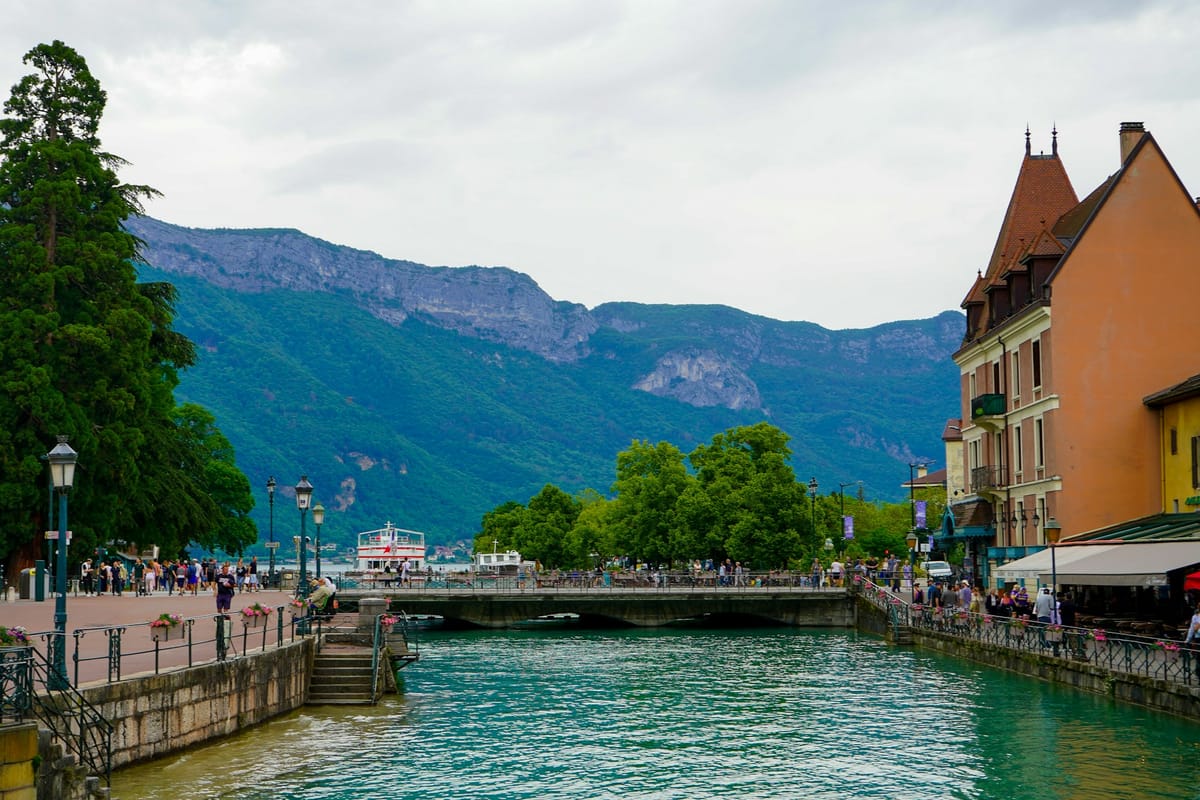
Annecy, Western Europe
Annecy: Venice of the Alps & Savoyard Soul
Fondue Forfeit Rules: Losing your bread in the communal fondue pot is a social transgression with consequences — tradition demands the offender buys a round …
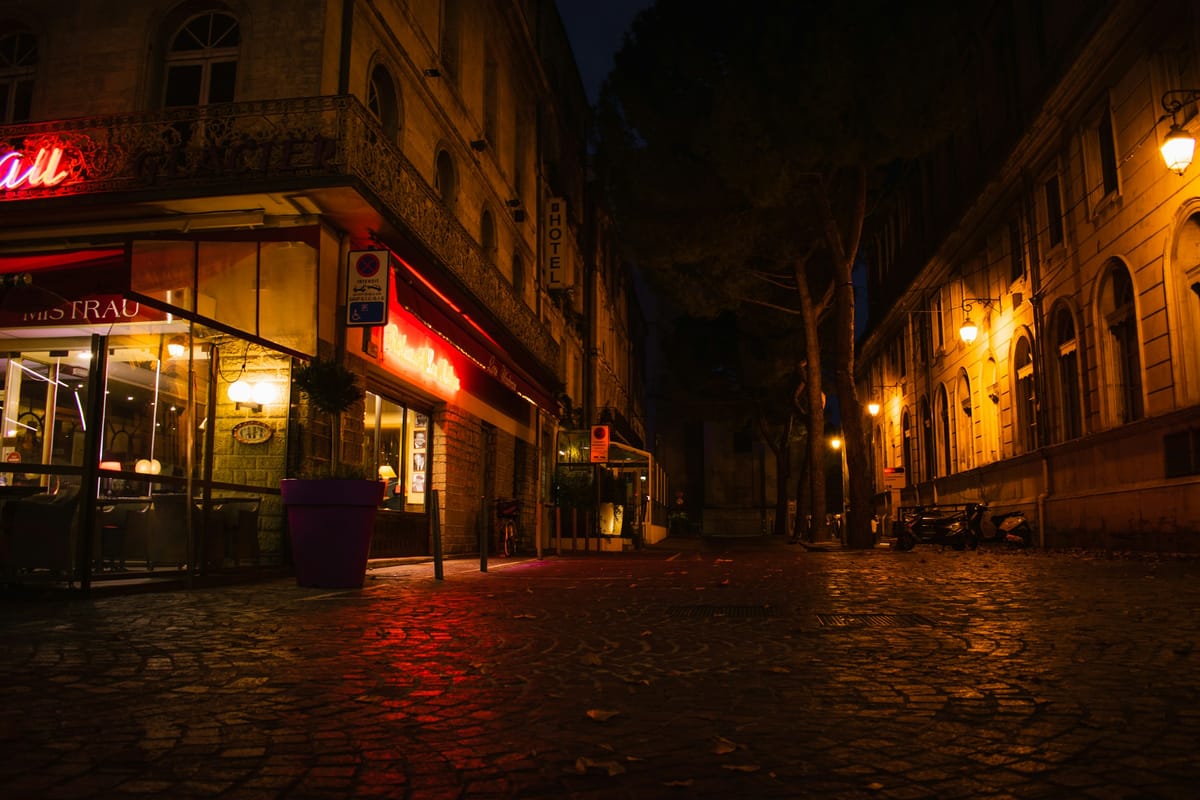
Avignon, Western Europe
Avignon: Papal City & Provençal Soul
Mistral Wind Reality: Avignon sits in a natural corridor where the Mistral — a cold, ferocious north wind — can gust 60-90 km/h with zero warning. Locals wei…
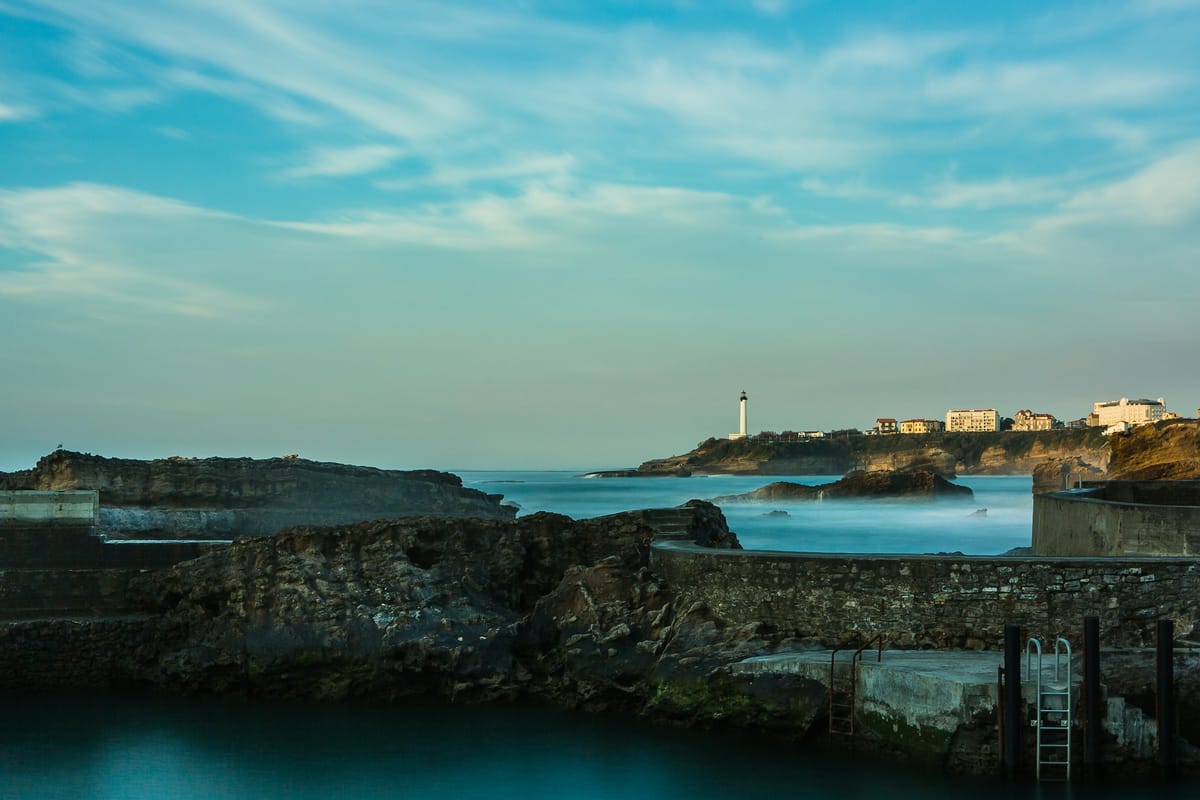
Biarritz, Western Europe
Biarritz: Belle Époque Meets Basque Surf Soul
Empress Town Syndrome: Napoleon III built his summer palace here for Empress Eugénie in 1854, and Biarritz never quite got over being a royal playground - lo…
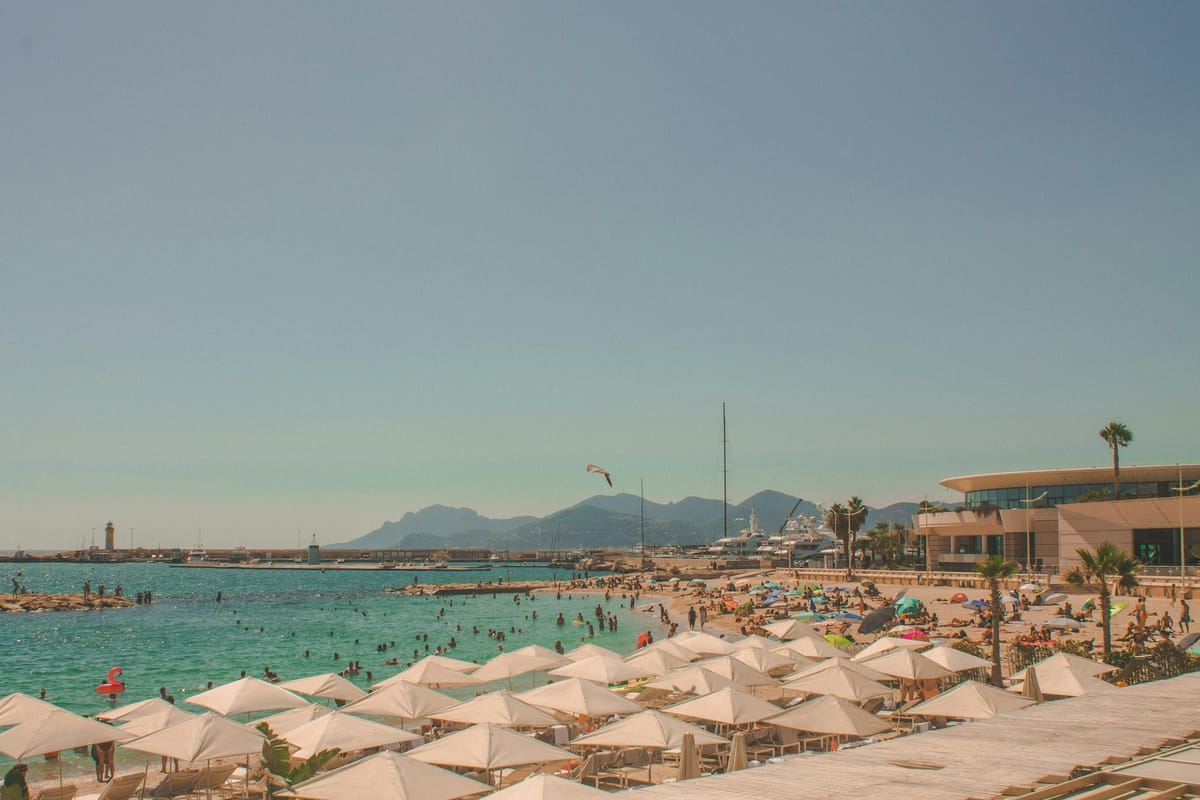
Cannes, Western Europe
Cannes: Riviera Glamour & Local Soul
La Croisette is for Tourists, Le Suquet is for Locals: Cannois residents rarely stroll La Croisette Boulevard unless they're walking the dog or meeting visit…
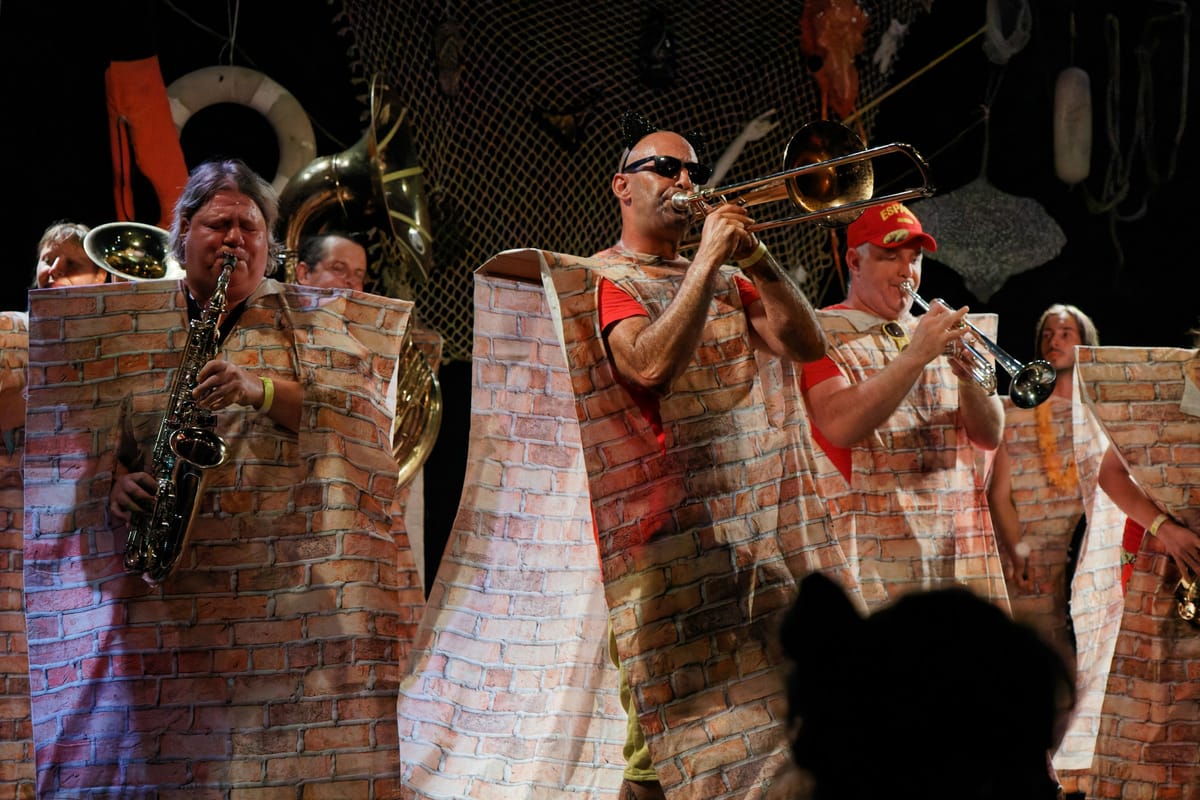
Grenoble, Western Europe
Grenoble: Alps Capital of Innovation & Walnuts
The Bubbles Are Not a Joke: Locals call the cable car "Les Bulles" (The Bubbles) because of their egg-shaped design - these 1976 pods are the first urban cab…
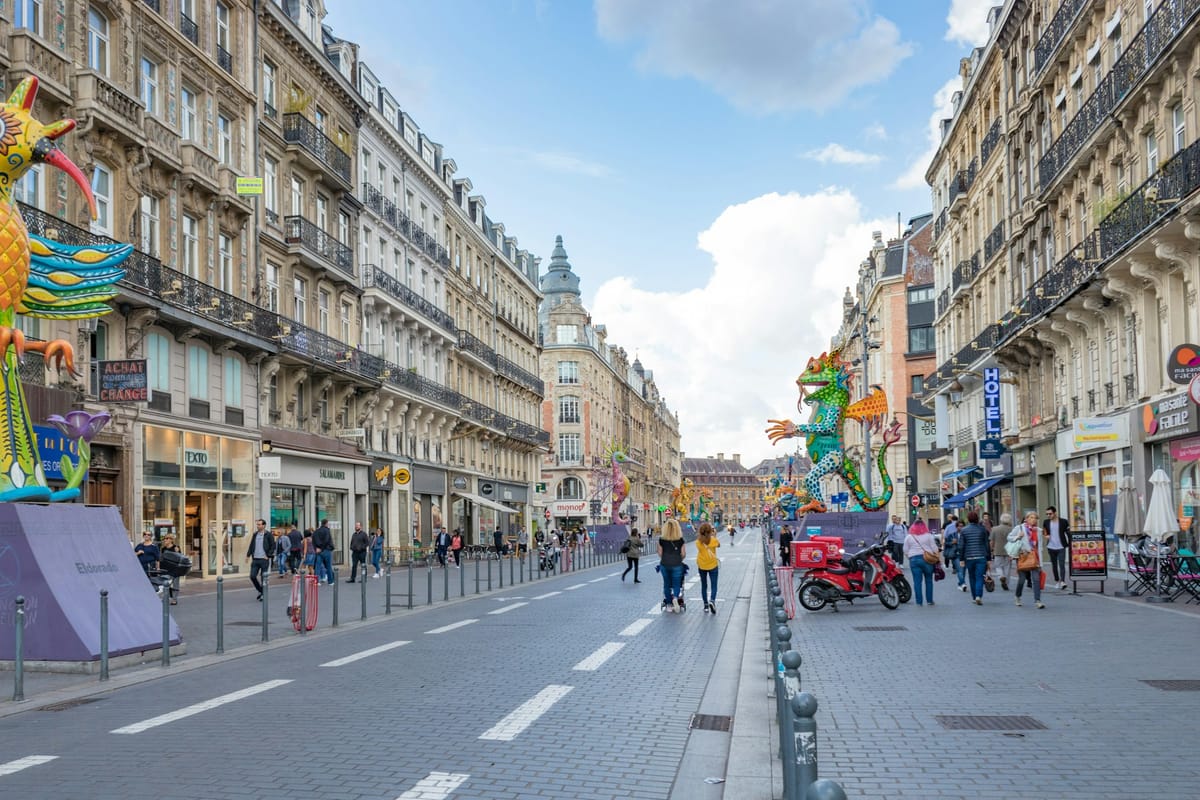
Lille, Western Europe
Lille: Flemish Soul & Northern Gem
The Welsh Confusion: Lille's most beloved dish is called 'le Welsh' — beer-soaked bread topped with molten cheddar, ham, and mustard — and it has absolutely …
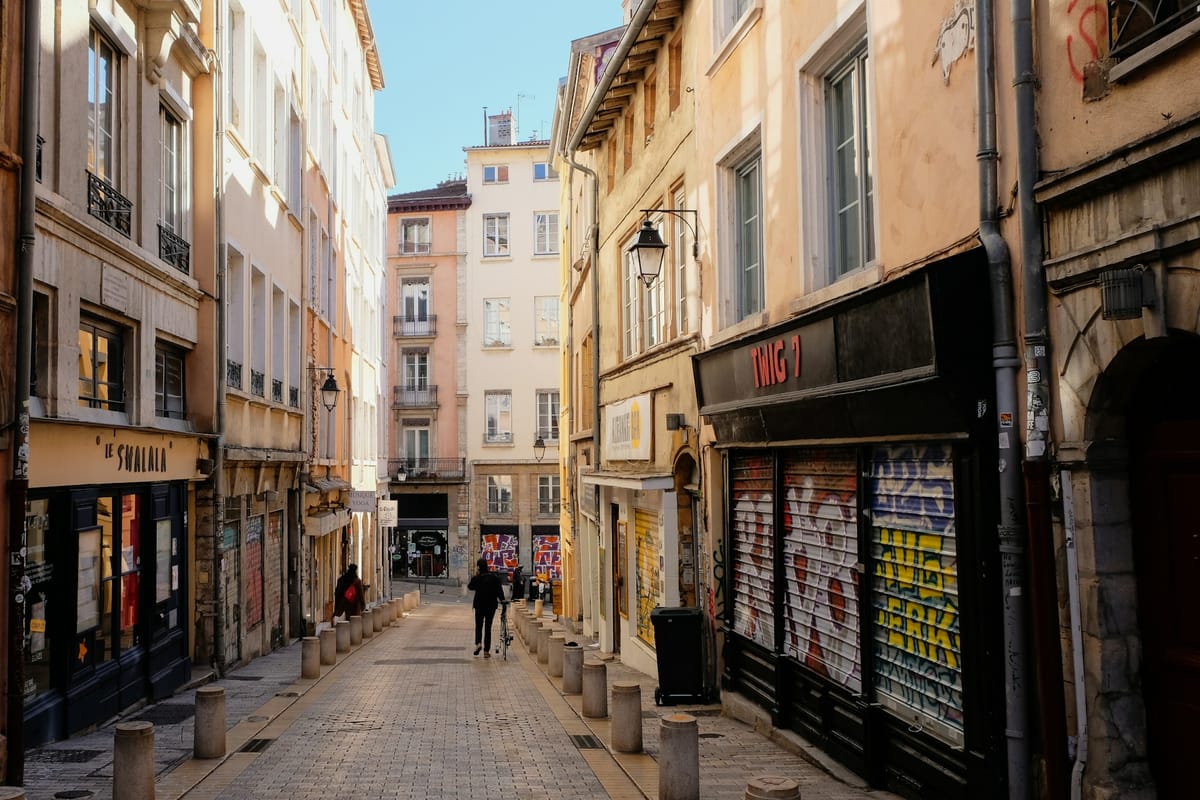
Lyon, Western Europe
Lyon: Silk City & Gastronomic Soul
Traboule Hunting: Nearly 400 hidden covered passageways thread through Vieux Lyon and Croix-Rousse buildings, built so silk workers could move fabric without…
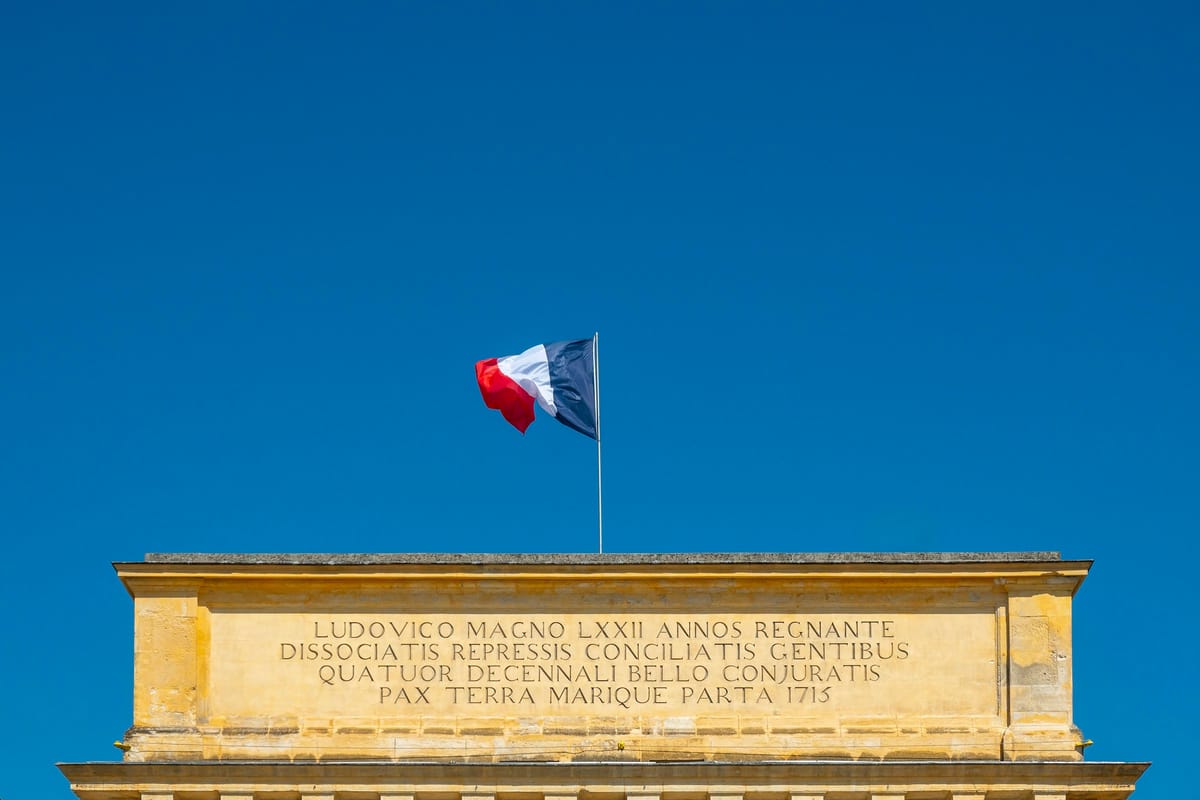
Montpellier, Western Europe
Montpellier: Occitan Sunlight & Student Soul
No Old Airport, No Old Money Skyline: Unlike Nîmes or Arles next door, Montpellier has almost no Roman ruins on show - it was a medieval trading and universi…
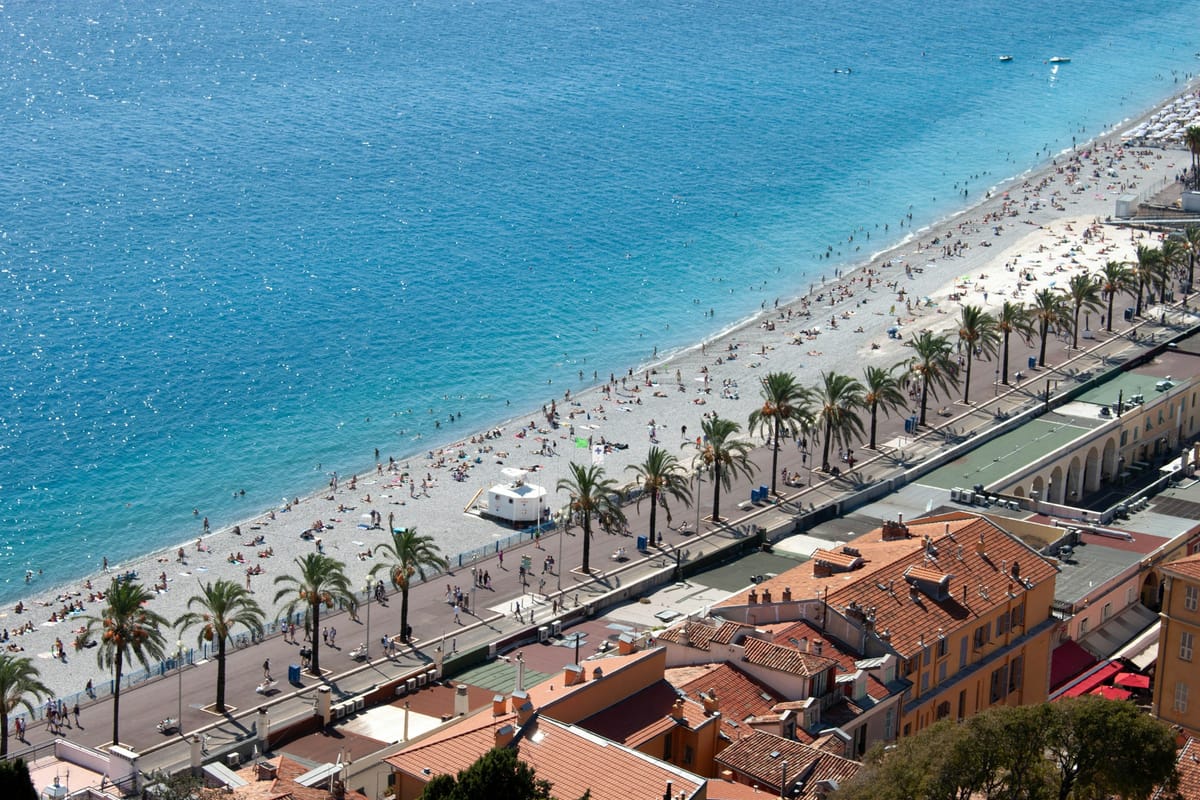
Nice, Western Europe
Nice: French Riviera's Niçois Soul
Pebbles, Not Sand: Nice's beaches are galets (smooth pebbles), not sand - locals wear water shoes and laugh at tourists hobbling barefoot to the water. Bring…
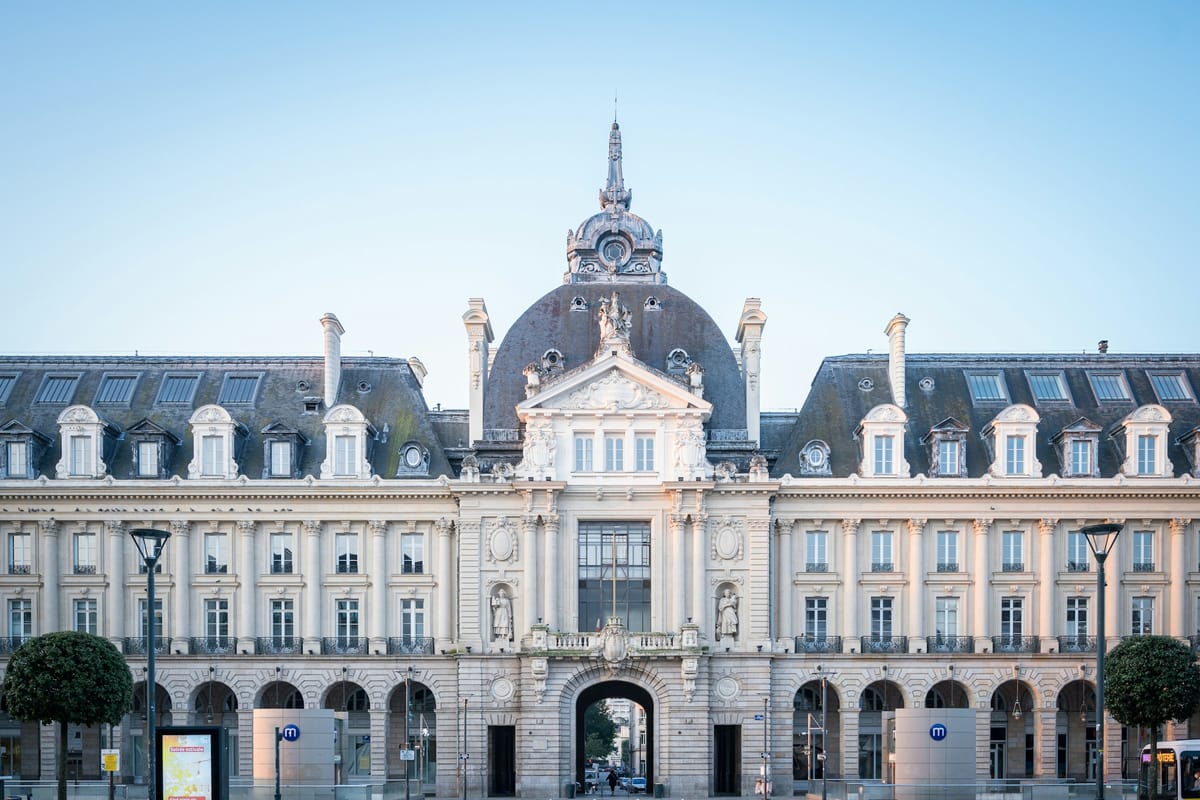
Rennes, Western Europe
Rennes: Breton Capital, Celtic Soul
Breizh Pride is Real: Rennes residents often identify as Breton first, French second. You'll see the black-and-white Gwenn-ha-du flag flying alongside the Fr…
Rouen, Western Europe
Rouen: City of Spires, Pressed Duck & Norman Soul
The Cider Republic: Normandy drinks cider, not wine. While the rest of France debates Bordeaux versus Burgundy, Rouen's café tables and restaurant menus defa…