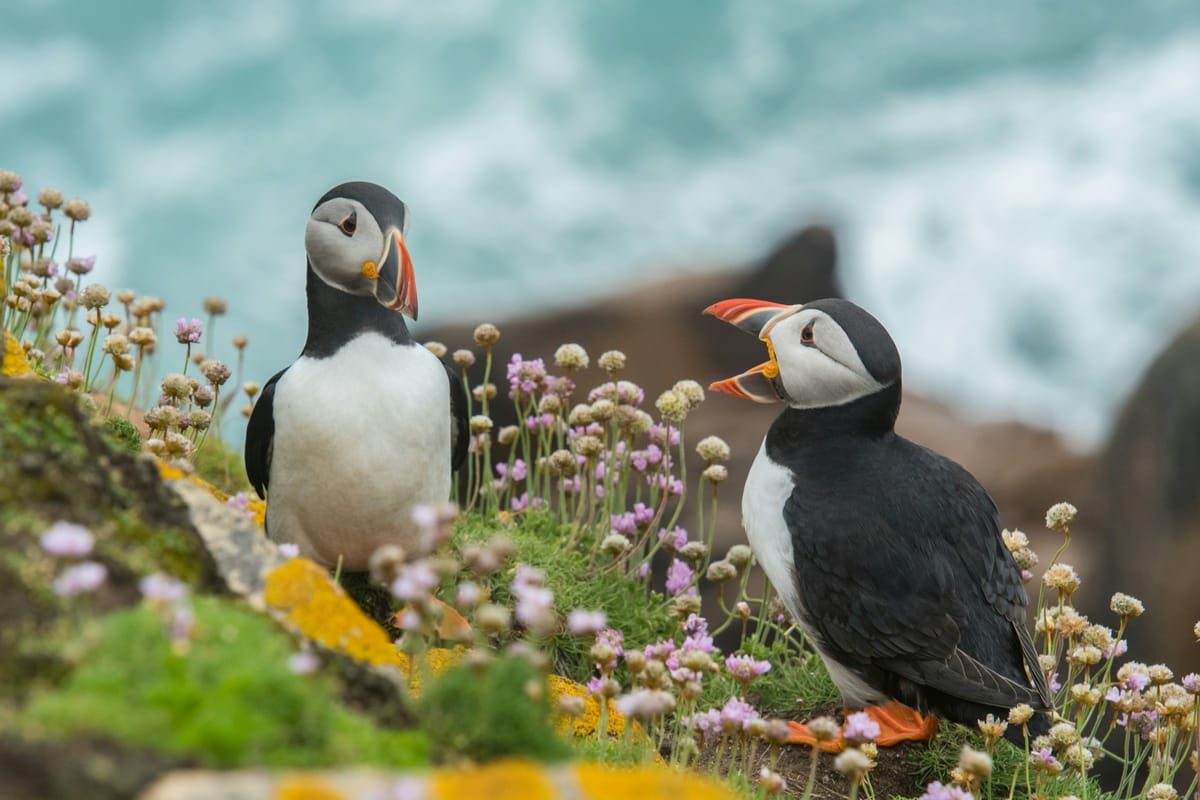
🇮🇪 Ireland
Ireland Travel Guide - Where Craic Culture Meets Rebel History
3 destinations · Budget level 3
Overview
Ireland's culture is built on conversation - the 'craic' isn't a thing that happens to you, it's a social currency you earn by joining in, trading stories, and accepting a bit of gentle 'slagging' (friendly mockery) as a sign you've been accepted rather than insulted. Centuries of British colonization, the Great Famine (1845-1852) that halved the population through death and emigration, and a hard-won independence in 1922 shaped a national character that processes grief through humor and self-deprecation rather than solemnity - 'sure it could be worse' is closer to a national motto than any official one. The Catholic Church's grip on daily life has loosened dramatically in one generation - divorce, gay marriage, and abortion all passed by public referendum since 1995 - but its imprint remains in the rhythms of small-town life, the county-based GAA parish system, and a deep collectivist instinct that shows up as 'meitheal' (neighbors pooling labor to help each other, historically with harvests, now with anything from house moves to fundraisers). Regional identity runs stronger than most visitors expect: Dubliners see themselves as distinct from 'culchies' (rural Irish, used both as insult and badge of pride), the west coast Gaeltacht areas of Connemara, Donegal, and Kerry guard the Irish language as living heritage rather than museum piece, and Cork natives will tell you, unprompted, that theirs is the 'real capital.' Ireland since the 1990s Celtic Tiger boom has become one of Europe's wealthiest and most globalized economies - Dublin hosts European headquarters for Google, Meta, and Pfizer - yet the country's self-image still runs through rural parish life, GAA county loyalty, and a countryside where you're never more than a few generations from a family farm.
Travel tips
Pub Etiquette: The 'round system' is sacred - if you're in a group and someone buys a round, you're expected to buy one back before you leave; skipping your round is the fastest way to be quietly judged. Order at the bar (rarely table service outside food-focused pubs), make eye contact rather than waving or shouting for the bartender, and never take an empty-looking seat without asking - it might be someone's regular spot. Conversation Rules: Politics (especially Northern Ireland and the Troubles) and religion are best left for locals to raise first, not tourists to probe. Self-deprecation is the default mode - boasting, even about genuine achievements, reads as arrogance, so locals downplay success and expect you to do the same. Slagging: Friendly mockery is a form of affection - if locals are slagging you, you're in; humorless offense at gentle teasing can read as standoffish. Time: 'Irish time' means social plans run 15-30 minutes loose, especially outside Dublin, but transport (buses, trains) runs on schedule - don't confuse the two. Tipping: Not obligatory like the US - round up or leave 10% in restaurants for good service, rarely expected in pubs unless there's table service. GAA Matches: If invited to a local hurling or Gaelic football match, go - it's one of the fastest ways into genuine community life, and county jerseys signal real local pride, not fashion. Irish Language: A few words of Gaeilge (Irish) - even just 'go raibh maith agat' (thank you) - genuinely delights people, especially in Gaeltacht regions of Connemara, Donegal, and West Kerry where Irish is the daily first language, and pairs well with a stop in Galway's Latin Quarter to see the Irish-speaking pub scene firsthand.
Cultural insights
Irish social life runs on the pub, but not primarily for drinking - it's the community's living room, where sessions (spontaneous or organized traditional music gatherings) can start with two musicians and grow to eight by closing time, and where the 'seanchaí' storytelling tradition survives in modernized form as the person who always has a story, a tangent, and a punchline. The concept of 'craic' (pronounced 'crack') defines Irish social currency - it means good fun, good conversation, the sense that something's alive in the room, and asking 'what's the craic?' is both a greeting and an invitation. Family and locality run deep - most Irish people can name their townland, parish, and county with pride, and the GAA (Gaelic Athletic Association), founded in 1884 partly as a nationalist cultural revival against British-imported sports, structures rural social life around amateur, unpaid county teams that draw fierce parish loyalty; asking someone 'what club are you from' is a real conversation starter, not small talk. Emigration is woven into the national psyche - nearly a million people left during the Famine alone, and generations since have left for London, Boston, Sydney, and beyond during recessions, so the Irish diaspora (an estimated 70+ million people worldwide claim Irish ancestry) means locals often have direct family ties to America, the UK, or Australia and ask travelers about their own roots. The Catholic Church shaped Ireland for a century through schools, hospitals, and state-adjacent moral authority, but the last 30 years saw a rapid secular turn - same-sex marriage passed by referendum in 2015, abortion was legalized in 2018 - alongside painful public reckonings with the Church's institutional abuses (Magdalene Laundries, mother-and-baby homes), so religion is a sensitive, generationally divided topic rather than a simple cultural given. The Troubles (1968-1998), the sectarian conflict in Northern Ireland between mostly-Catholic nationalists and mostly-Protestant unionists that killed over 3,600 people, remain a live topic north of the border and a careful one south of it - travelers curious about that history can see its legacy firsthand in Belfast's shipyards and mural-lined peace walls, where the Good Friday Agreement (1998) brought peace but not full reconciliation, and Brexit reopened old anxieties about the Irish border. Regional identity is fierce and specific: Dublin's fast, sardonic wit differs from the softer, more musical cadence of Cork or Kerry; Ulster (the northern counties) speech and outlook differ again; and the west coast, from Connemara to Donegal, holds Ireland's strongest living Irish-language culture, sean-nós (unaccompanied traditional) singing, and set dancing traditions.
Best time to visit
Spring (March-May): Cool and changeable, 8-15°C, St. Patrick's Day (March 17) brings parades nationwide and a rare burst of overt Irishness even locals find a bit much, lambing season greens the countryside, fewer crowds before summer, book accommodation early for Patrick's week regardless. Summer (June-August): Peak season, 15-20°C on a good day (rain always possible), longest daylight of the year with light until 10pm, festival season in full swing (Galway International Arts Festival, various fleadhs/traditional music festivals), Wild Atlantic Way and Ring of Kerry busiest, book accommodation well ahead in tourist towns. Autumn (September-October): Locals' favorite window, 10-16°C, fewer tourists, GAA All-Ireland finals (September) dominate national conversation and pub TVs, harvest festivals, golden light on the countryside, still reliably green. Winter (November-February): Cold and wet, 4-9°C, short days (dark by 4:30pm in December), Christmas markets in Dublin, Cork, and Galway, roaring pub fires and the coziest version of pub culture, storm season on the Atlantic coast can close cliff walks, lowest prices and most authentic local life without tourist crowds. Rain gear is non-negotiable in any season - Ireland famously gets 'four seasons in one day.'
Getting around
Trains (Iarnród Éireann): Connect Dublin to Cork, Galway, Limerick, Belfast, and Waterford efficiently, book ahead online for cheaper fares (€10-40 one-way depending on route and lead time), scenic but the network is radial from Dublin so cross-country routes (e.g., Galway to Cork) often require a Dublin transfer. Buses (Bus Éireann, GoBus, CityLink): Cheaper and more comprehensive than trains, reach small towns trains don't, €10-25 for intercity routes, private operators like GoBus and CityLink often beat state buses on price and comfort for popular routes. Car Rental: Essential for the Wild Atlantic Way, Ring of Kerry, and rural exploration - locals drive everywhere outside cities, roads narrow and hedgerow-lined in the countryside, driving is on the left, manual transmission is the default (automatics cost more and need advance booking), €35-60/day plus mandatory insurance considerations for narrow-road excess damage. Dublin City Transport: Luas trams (€2-3.70), Dublin Bus, and DART commuter rail cover the city well, use a Leap Card for discounted fares, taxis and Free Now (the dominant ride-hailing app) are common and metered. Cycling: Greenways (converted rail lines) like the Waterford Greenway offer safe long-distance cycling, cities are less bike-friendly than continental Europe, but Dublin Bikes offers short-term rentals. Ferries: Aran Islands, Achill Island, and other coastal islands reachable by regular ferry, essential for experiencing the most Irish-speaking, traditional pockets of the country.
Budget guidance
Budget Travel (€60-90/day): Hostel dorm €25-45 (Dublin runs higher, especially in summer), pub lunch or supermarket meals €8-15, intercity bus €10-20, free scenic walks and cliffs, one pub pint €5.50-7. Mid-Range (€90-160/day): B&B or 3-star hotel €80-140/night, restaurant dinners €20-35, occasional car rental or guided tours, museum and heritage site entries €8-15, comfortable exploration of the Wild Atlantic Way or Ring of Kerry. Luxury (€160+/day): Castle hotels and country manor stays €200-500+/night, fine dining €60-120+, private guides and golf at championship courses, whiskey and distillery tours with tastings. Ireland is genuinely one of Western Europe's pricier destinations - Dublin rivals London and Paris for accommodation costs - so budget travelers should weight time toward smaller towns (Kilkenny, Westport, Dingle) over Dublin nights, and B&Bs consistently offer better value and warmer local contact than hotels.
Language
English is the dominant everyday language, but Irish (Gaeilge) is the constitutionally first official language, compulsory in schools, and the living daily language in Gaeltacht regions along the west coast (Connemara, parts of Donegal, West Kerry, and the Aran Islands), where road signs, education, and radio operate in Irish. Essential phrases: 'Dia dhuit' (DEE-ah GWIT, hello, literally 'God be with you'), 'Go raibh maith agat' (guh-ROH mah AH-gut, thank you), 'Sláinte' (SLAWN-cha, cheers, said before drinking), 'Craic' (crack, fun/good times, as in 'what's the craic?'), 'Slán' (slawn, goodbye). Hiberno-English itself is distinctive - locals use Irish grammatical structures in English, like 'I'm after eating' (I just ate) or 'What's the story?' (what's happening), and regional accents vary dramatically from Dublin's fast urban cadence to Cork's sing-song rhythm to Donegal's harder consonants closer to Scottish Gaelic influence. Locals deeply appreciate any attempt at Irish, especially in the Gaeltacht, where it signals respect for a language that was actively suppressed under British rule and nearly died out - even basic phrases open doors that pure English doesn't, and pairs naturally with exploring Galway's Latin Quarter, a stronghold of live Irish-language pub culture.
Safety
Ireland is very safe overall with low violent crime, and locals are famously helpful to lost or confused travelers. Petty crime concentrates in Dublin's tourist zones - Temple Bar, Grafton Street, and O'Connell Street - where pickpocketing, phone snatching (increasingly by bicycle), and ATM card skimming target visitors; cover your PIN and use ATMs inside banks where possible. Common scams include inflated 'flat rate' taxi fares (especially from Dublin Airport - insist on the meter or use the Free Now app), fake charity collectors, and locals in Temple Bar steering tourists to overpriced 'best bar around the corner' venues. Late-night city centers get rowdy with alcohol-fueled crowds on weekends - stick to busy, well-lit streets after dark and avoid unnecessary displays of wealth. Rural driving carries real risk for visitors unused to narrow roads, blind hedgerow corners, and left-hand driving - go slower than instinct suggests, especially on the Ring of Kerry and coastal roads. Coastal cliff walks (Cliffs of Moher, Slieve League) have no barriers in places and strong, unpredictable winds - stay behind marked paths, fatal falls happen most years to people who ignore warnings for a photo. Tap water is safe to drink nationwide. Emergency number is 112 or 999 (both work identically for police, fire, and ambulance). Weather changes fast - hypothermia risk exists even in summer on exposed hikes, pack layers and waterproofs regardless of forecast.
Money & payments
The Euro (€) is the currency in the Republic of Ireland; Northern Ireland uses the British Pound (£) - a distinction that surprises travelers crossing the open, unmarked border. Cards (contactless especially) are accepted almost everywhere, including small pubs and rural shops, so carrying large amounts of cash isn't necessary, though some rural B&Bs and market stalls still prefer cash. ATMs are widespread in towns and cities; rural areas can have gaps, so withdraw before heading into remote regions. Typical costs: pint of Guinness or lager €5.50-7 (higher in Dublin and Temple Bar specifically), cup of coffee €3.50-4.50, pub lunch €12-18, sit-down dinner €20-35, bottle of water €1.50-2.50. Tipping is appreciated but not obligatory - 10% in sit-down restaurants for good service, round up for taxis, rarely expected at the bar in pubs. Dublin costs noticeably more than the rest of the country across accommodation, food, and drink - the same pint can run €1-2 cheaper in Cork, Galway, or smaller towns, and this gap widens further outside city centers.
Destinations in Ireland
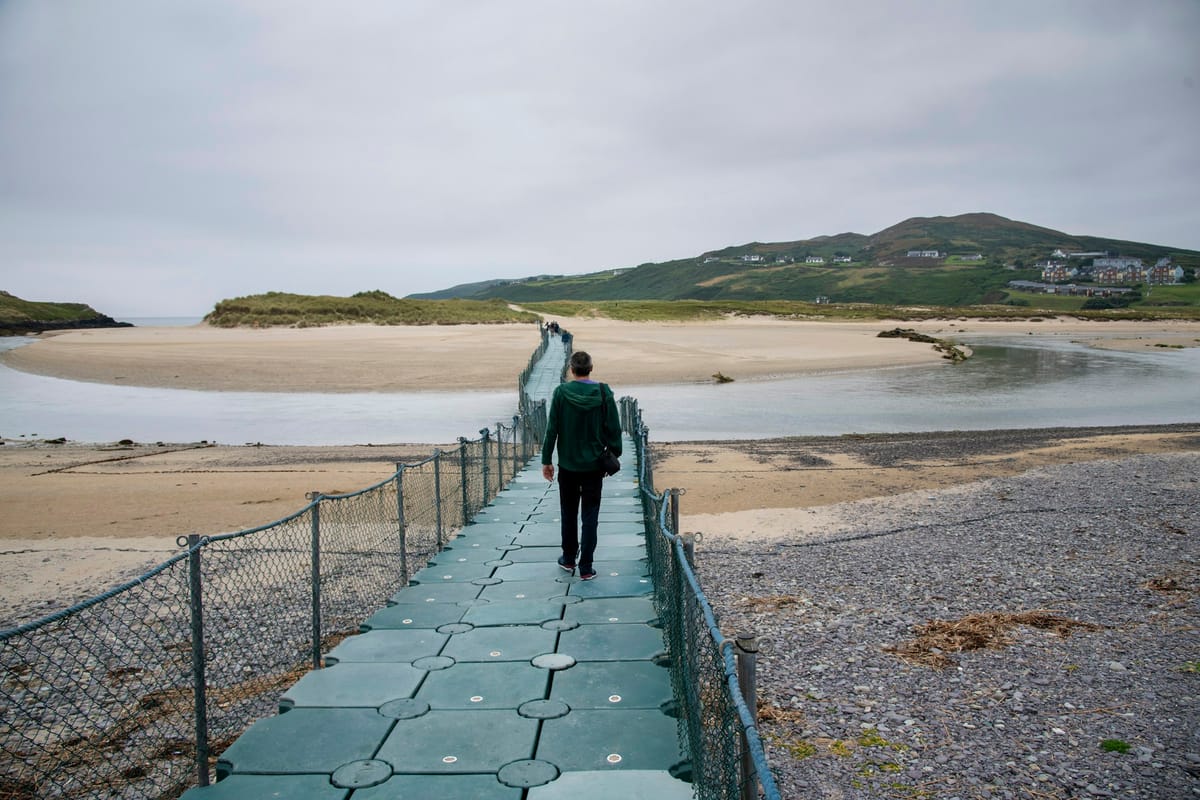
Cork, Western Europe
Cork: The Rebel County's Real Capital
"The Real Capital" Is Said With a Straight Face: Corkonians genuinely call their city the "real capital" of Ireland and the "People's Republic of Cork" - it'…
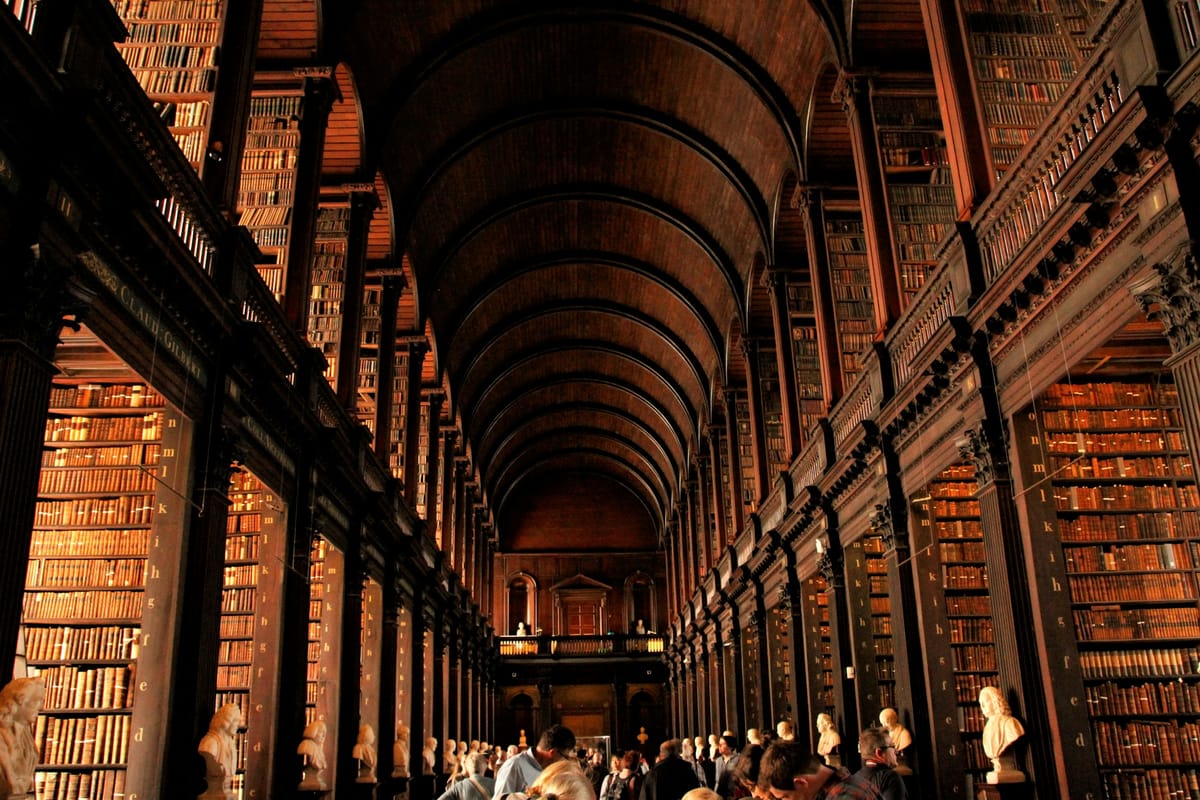
Dublin, Western Europe
Dublin: Fair City of Pints and Poets
"Grand" Means Nothing and Everything: Ask a Dubliner how they're doing and you'll get "grand" whether their day was great, terrible, or completely unremarkab…
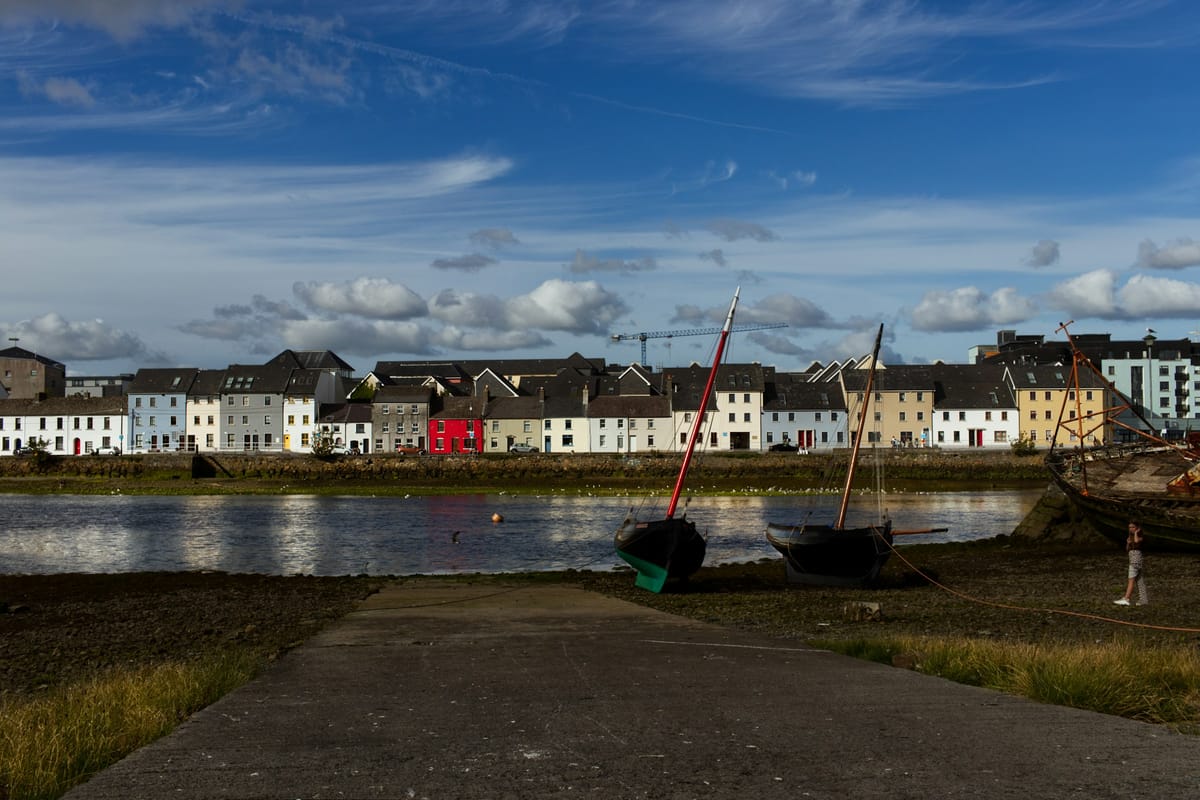
Galway, Western Europe
Galway: Latin Quarter & Atlantic Edge
Bilingual Reality, Not Decoration: Galway sits right on the edge of Connemara, the biggest Gaeltacht (Irish-speaking region) left in the country, so street s…