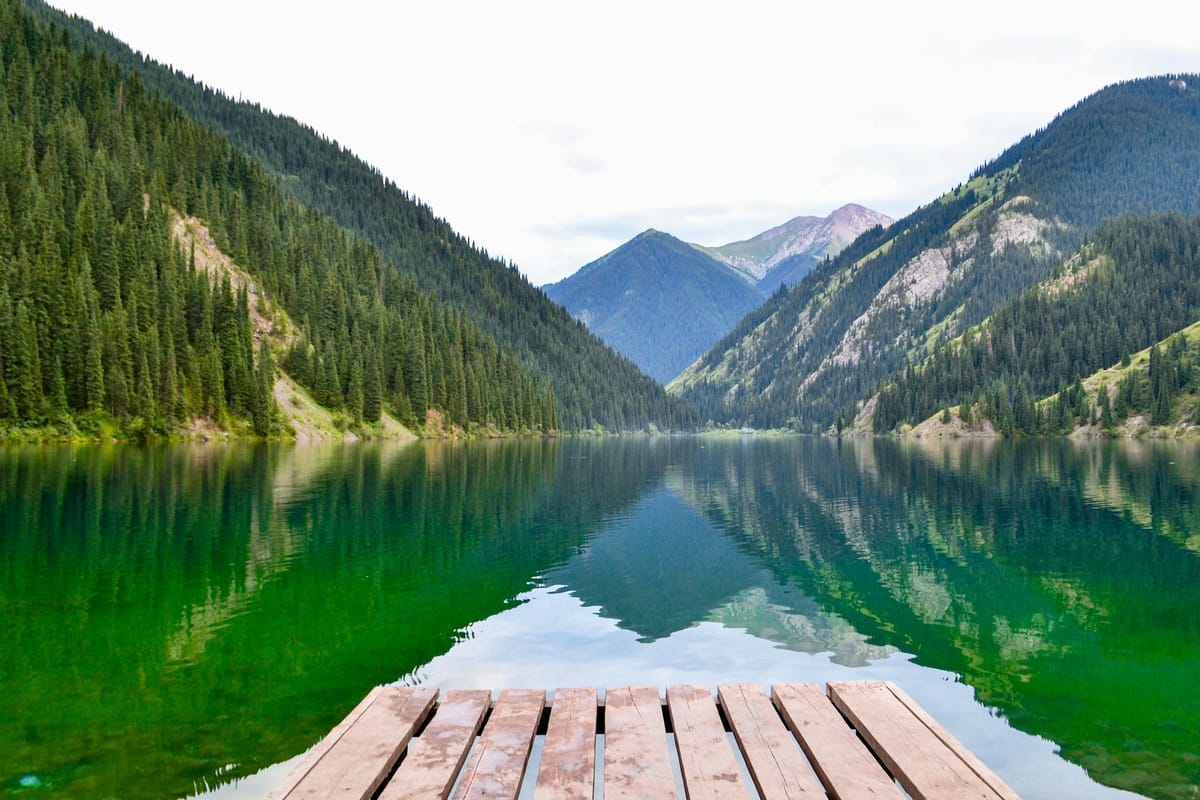
🇰🇿 Kazakhstan
Kazakhstan Travel Guide - Where Nomadic Spirit Meets Endless Steppe
2 destinations · Budget level 1
Overview
Kazakhstan sprawls across the Eurasian Steppe as the world's largest landlocked country, where 3,000 years of nomadic heritage collides with post-Soviet modernization and resource wealth. Kazakh identity centers on 'zheti ata' (seven generations) - every Kazakh must know their ancestors seven generations back, not for vanity but to maintain clan purity and marriage prohibitions. This isn't just tradition; it's the social operating system. The concept of 'konakasy' (guest hospitality) elevates strangers to sacred status - 'meet a guest as God's messenger' - with three guest categories demanding different hospitality rituals. Soviet collectivization brutally ended nomadic life in the 1930s, yet yurt architecture, eagle hunting, and fermented mare's milk (kumis) survive as living traditions, not museum pieces. Post-independence (1991) identity struggles between Kazakh ethnic nationalism and Russian linguistic dominance, with recent Ukraine war accelerating language revival as political act. Regional splits define reality - urbanized Almaty liberals versus conservative rural traditionalists, Russian-majority north versus Kazakh-speaking south, resource-rich oblasts versus struggling periphery. Islam provides spiritual framework (70% Muslim) but Soviet atheism left lasting secularism - locals pray during Ramadan yet toast vodka freely. The steppe shaped Kazakh psychology - adaptability, endurance, and hospitality codes born from harsh climate where survival depended on welcoming strangers. Modern Kazakhstan navigates multi-vector diplomacy between Russia, China, and the West while wrestling with corruption, authoritarian governance, and resource curse, yet underneath runs unbroken nomadic spirit valuing collective over individual, elders over youth, and guests over comfort.
Travel tips
Hospitality Protocols: If invited to Kazakh home, expect marathon feast lasting 3+ hours, refusing food genuinely offends as guests considered sacred, bring small gift (sweets, fruit) but nothing expensive that creates obligation debt. Tea Ceremony: Tea served in partially-filled cups signals respect and readiness to refill constantly, finish at least three cups or host feels dishonored, teacups accompanied by baursak bread and dried fruits always. Respect for Elders: Never interrupt elders speaking, younger people greet first and wait for elder response, in homes elders sit farthest from entrance in honored position, contradicting someone senior publicly brings shame to both parties. Zheti Ata Awareness: If befriending Kazakhs expect genealogy discussions - knowing seven generations foundational to identity, asking family history shows cultural understanding, marriage within seven generations taboo still observed. Shoes Protocol: Remove shoes at entrance of homes, yurts, and some restaurants, locals judge character by shoe removal etiquette, hosts provide slippers but bring clean socks. Russian vs Kazakh Language: Russian dominates cities (especially Almaty, northern regions), Kazakh more common in south and rural areas, English emerging among urban youth, attempting basic Kazakh phrases brings enormous warmth despite Russian being more 'useful'. Toasting Culture: If drinking vodka expect structured toasts led by tamada (toastmaster), stand for important toasts, make eye contact during 'Salamattyq!' (cheers), refusing drinks can work but explain medical/religious reasons. Photography Etiquette: Ask permission before photographing people especially in rural areas, never photograph military installations or border zones, locals generally photo-friendly if approached respectfully. Nauryz Traditions: If visiting during Nauryz (March 21), participate in nauryz-kozhe soup sharing, visit seven houses if invited (symbolically important), wear bright colors symbolizing renewal, expect massive public celebrations. Steppe Safety: Hire local guides for steppe adventures, inform others of plans before venturing remote areas, weather changes rapidly, carry water always as distances deceive on flat terrain, visiting Charyn Canyon or the Singing Dunes showcases Kazakhstan's UNESCO World Heritage steppe and lakes, and the capital Astana offers futuristic architecture contrasting with nomadic heritage.
Cultural insights
Kazakh society operates on 'zheti ata' (seven generations) system requiring every person know patrilineal ancestors back seven generations - this determines clan affiliation ('ru'), marriage eligibility, social networks, and identity itself. Marriage within seven generations strictly forbidden, enforced by ancient decree 'Zhety Zhargy' from Tauke Khan, violation considered genetic contamination and social disgrace. Specialized memory-keepers called 'shezhireshi' traditionally maintained oral clan histories spanning centuries, modern Kazakhs still recite genealogies fluently, connecting personal identity to 700-year ancestral narrative. Regional identities create invisible borders - northern oblasts (Petropavl, Kostanay) remain heavily Russian-populated with Soviet mentality, southern regions (Shymkent, Turkestan) culturally conservative and Kazakh-speaking, Almaty cosmopolitan and liberal, Astana (renamed from Russian Nur-Sultan back to Kazakh Astana) represents new national identity built from scratch on windswept steppe. Soviet legacy profoundly complex - Russian language still dominates interethnic communication, urban Kazakhs often Russian-first speakers, yet post-Ukraine invasion language politics intensified with government pushing Kazakh-language requirements for citizenship, media, and education. Generational split widens between Soviet-raised parents nostalgic for stability and internet-connected youth embracing Kazakh identity revival through language schools, traditional music, and nationalist pride. Hospitality culture ('konakasy') stratifies into three guest types: 'arnayy konak' (specially invited), 'kudayy konak' (random stranger treated as divine messenger), and 'kydyrma konak' (unexpected guest) - all receive elaborate spreads but rituals differ, refusing hospitality equivalent to rejecting God's blessing. Food carries symbolic weight - beshbarmak (boiled meat with noodles, name means 'five fingers' for eating method) reserved for honored guests, sheep's head served to eldest male who distributes pieces by social hierarchy (ears to children to listen, tongue to daughter-in-law to speak kindly), horse meat elevated above beef/mutton for celebrations. Tea ceremony ('shay') descended from nomadic practices, partially-filled cup signals host stands ready to refill showing attentiveness, full cup implies host wants you to leave quickly, rejection of tea rejects relationship itself. Nomadic mindset persists despite Soviet settlement - Kazakhs value adaptability, endurance, collective welfare over individual success, harmony over confrontation, respect for nature's power shaped by steppe harshness where survival depended on reading weather, land, and maintaining social bonds. Eagle hunting ('berkutchi') tradition continues in remote areas - golden eagles trained for fox hunting require years of daily care, UNESCO-recognized intangible heritage, October festivals showcase skills, cultural meaning extends beyond hunting to man-nature-bird trinity representing nomadic worldview. Islam practiced pragmatically - locals observe Ramadan, celebrate Kurban Ait (Eid al-Adha), visit mazars (sacred tombs), yet Soviet atheism created secular majority, many drink alcohol freely, women cover heads selectively, religion identity marker more than daily practice. Communication style indirect and hierarchical - confrontation avoided, criticism delivered through hints, elders' word final, 'saving face' crucial, public disagreement with authority brings shame to both parties, Russians found direct by Kazakh standards.
Best time to visit
Spring (April-May): Ideal shoulder season with wildflowers carpeting steppe, temperatures 12-25°C comfortable for exploration, Nauryz (March 21) celebrations continue into April with traditional games and feasts, fewer tourists and authentic atmosphere, rural areas muddy from snowmelt but cities accessible, fruit trees blossom in southern regions, locals emerge from winter hibernation with optimistic energy. Summer (June-August): Peak season with temperatures 20-35°C in lowlands, perfect for mountain escapes to Tian Shan ranges, Almaty and Shymkent scorching 35-40°C, steppe unbearably hot midday but dramatic thunderstorms afternoon, Golden Eagle Festival happens late summer, locals vacation at Kapchagay Lake and Borovoye nature reserve, accommodation prices spike, long daylight hours (sunrise 4am, sunset 10pm in north), this is when travelers can explore the stunning landscapes featured in guides like Astana's futuristic capital. Autumn (September-October): Best overall season with comfortable 15-28°C temperatures, steppe turns golden-bronze, harvest time with fresh produce flooding markets, locals prepare traditional winter provisions (kurt cheese balls, sausages), mid-October sees first snow in mountains, fewer tourists than summer, clear skies ideal for photography, Golden Eagle competitions showcase berkutchi traditions. Winter (November-March): Harsh continental winter with temperatures -15 to -30°C common, northern regions reach -45°C extremes, southern cities milder -5 to -10°C, Shymbulak ski resort near Almaty operates December-March, locals hibernate indoors with epic feasts, authentic cultural immersion without tourist crowds, Nauryz preparations begin February, accommodation bargains, but rural transportation difficult, short daylight hours (sunrise 9am, sunset 5pm), experience true steppe winter brutality that shaped Kazakh character.
Getting around
Trains: Affordable and scenic for intercity travel, Almaty-Astana route takes 12-20 hours (10,000-25,000 KZT / $20-50), modern 'Talgo' high-speed trains comfortable with dining cars, platzkar (open berth) cheapest at $14, kupe (compartment) $20, overnight trains facilitate long distances, new Chinese-built infrastructure improving network, book via Kazakhstan e-ticket website (accepts foreign cards now), locals prefer trains for safety and socializing opportunities. Buses: Extensive network connecting cities and rural areas, leave from major stations (vokzal), tickets 5,000-15,000 KZT ($10-30) for long routes, buses range from modern coaches to cramped Soviet relics, locals board carrying homemade food for journeys, no advance booking usually needed, schedules flexible and sometimes fictional. Marshrutkas: Shared minivans departing when full, connect neighboring cities and suburbs, incredibly cheap 200-500 KZT ($0.40-1) but cramped, drivers play loud music and smoke while driving, leave from train/bus stations throughout day, locals' preferred method for short distances, expect delays waiting for capacity, authentic cultural experience. City Transport: Almaty has buses, metro (two lines), and trolleybuses using 'ONAY!' app or prepaid cards (110 KZT with card, 220 KZT cash), one-month pass 7,500 KZT unlimited rides, Astana developing light rail (LRT) opened 2025 with 18 stations, Shymkent buses and marshrutkas only, locals avoid peak hours crush. Taxis: Yandex Taxi and inDrive apps provide transparent pricing avoiding scams, official taxis 500-700 KZT/km standard, negotiate before entering unmarked taxis, locals use ride-shares routinely, English support limited, airport taxis overcharge tourists 3-5x (use app instead). Car Rental: Best for exploring remote steppe, monasteries, and natural sites, roads variable from excellent highways to dirt tracks, northern routes maintained better than south, locals drive aggressively and ignore traffic rules, rental 8,000-15,000 KZT ($15-30/day), international license accepted, parking chaotic in cities, fuel stations regular on main routes but scarce in steppe. Domestic Flights: Air Astana and SCAT airlines connect major cities, Almaty-Astana flight 1 hour versus 12-18 hours overland, prices 15,000-40,000 KZT ($30-80), worth it for time-limited travelers, locals fly for business but train for leisure.
Budget guidance
Budget Travel (12,000-20,000 KZT / $25-40/day): Hostel dorms 3,000-7,000 KZT ($6-14), guesthouses in rural areas 2,500-5,000 KZT, street food lagman noodles 1,000-1,500 KZT ($2-3), samsa pastries 300-500 KZT, local cafes full meals 1,500-3,000 KZT ($3-6), marshrutka transport 100-300 KZT/ride, city buses 110-220 KZT, supermarket groceries cheap (bread 200 KZT, milk 450 KZT, cheese 3,400 KZT/kg), free hiking in mountains, monastery visits free or minimal donation, living like Kazakh students very achievable, homestays in villages cheaper than cities. Mid-Range (20,000-40,000 KZT / $40-80/day): 3-star hotels 12,000-25,000 KZT ($25-50), Airbnb apartments 7,000-15,000 KZT, restaurant meals in decent places 2,500-5,000 KZT ($5-10), beshbarmak traditional feast 3,000-6,000 KZT, cappuccino 800-1,000 KZT ($1.70), Yandex taxis 1,000-3,000 KZT city rides, train tickets kupe class 10,000-15,000 KZT, museum entries 1,000-2,000 KZT, occasional splurges on eagle hunting tours or mountain guides, comfortable local lifestyle with tourist convenience, wine/beer 800-2,000 KZT. Luxury (40,000+ KZT / $80+/day): International hotels 25,000-75,000 KZT ($50-150+), fine dining restaurants 6,000-15,000 KZT ($12-30) per meal, private guides and drivers 15,000-30,000 KZT/day, helicopter tours of Charyn Canyon, luxury yurt glamping experiences 20,000-40,000 KZT/night, business class trains, domestic flights, spa treatments in Almaty, still fraction of Western Europe costs, Kazakhs earning 150,000-300,000 KZT ($300-600/month) average. Regional Price Differences: Almaty and Astana 30-40% more expensive than smaller cities, rural areas incredibly cheap, Shymkent and southern cities more affordable, tourist sites (Borovoye, Charyn Canyon) premium pricing, locals shop at bazaars for best produce prices versus supermarkets, homemade kumis and kurt sold roadside by grandmothers for tiny prices.
Language
Kazakh is Turkic language using Cyrillic alphabet (transitioning to Latin script by 2031), Russian remains lingua franca especially in cities and north, creating complex linguistic landscape where language choice carries political meaning post-Ukraine invasion. Essential Kazakh phrases: 'Salem' (Сәлем - hello informal), 'Salemetsiz be' (Сәлеметсіз бе - hello formal/elders), 'Rakhmet' (Рақмет - thank you), 'Kop rakhmet' (Көп рақмет - thank you very much), 'Keshshiriniz' (Кешіріңіз - sorry/excuse me), 'Salamattyq!' (Саламаттық - cheers!), 'Men tusinbeymin' (Мен түсінбеймін - I don't understand), 'Koshpegendar!' (Қош көріңдер - goodbye), 'Qayda?' (Қайда - where?), 'Qansha turady?' (Қанша тұрады - how much?). Russian widely understood: 'Zdravstvuyte' (Здравствуйте - hello formal), 'Spasibo' (Спасибо - thank you), 'Izvinite' (Извините - sorry), 'Da/Nyet' (Да/Нет - yes/no), 'Skolko stoit?' (Сколько стоит - how much?). English spoken by urban youth in Almaty/Astana, hospitality workers in tourist areas, business professionals, but rare in rural regions and among older generations (Soviet era taught German instead). Language politics intensifying - government mandating Kazakh for citizenship tests, media, education, locals increasingly choosing Kazakh as political statement against Russian influence, ethnic Kazakhs learning ancestral language after Russian-dominated Soviet childhoods. Kazakh deeply appreciate any language attempts - stumbling through 'Salem' and 'Rakhmet' opens hearts and doors, showing respect for culture beyond Soviet legacy, learning Cyrillic alphabet helps navigate signs though Latin transition underway. Regional variations exist - southern dialects differ from northern, urban Kazakhs mix Russian words mid-sentence ('code-switching'), older generation more Russian-dependent than youth, Almaty considered Russified while southern cities preserve purer Kazakh. Translation apps helpful but locals prefer personal attempt over technology mediating human connection, writing down destination addresses in Cyrillic prevents taxi confusion.
Safety
Kazakhstan very safe overall with Level 1 US State Department rating (exercise normal precautions), violent crime rare, Kazakhs protective of tourists contrary to Central Asia stereotypes. Petty crime exists in Almaty and Astana - pickpockets target crowded bazaars and public transport, purse snatching occasionally, locals don't flash wealth unnecessarily, vehicle break-ins occur so don't leave valuables visible. Scam awareness: fake police asking for 'fines' (real police show badges immediately upon request), airport welcome scam where criminals learn passenger names and pose as hotel drivers then rob in remote areas (use official transport only), unlicensed taxis overcharge and potentially dangerous (use Yandex/inDrive apps exclusively), currency exchange on streets gives terrible rates and shortchanges (banks and licensed bureaus only). Nightlife safety: incidents outside Almaty/Astana/Atyrau bars and clubs at night, avoid walking alone after dark in urban areas, local ultranationalists occasionally target foreigners verbally but violence extremely rare, LGBTQ+ travelers should exercise discretion as conservative attitudes prevail despite legal same-sex relations. Cybercrime frequent - never use public WiFi for banking, cover ATM PIN entry, locals carry multiple cards, identity theft and online extortion common. Traffic aggressive - drivers ignore rules, pedestrians cross assertively, defensive walking required, roads outside cities variable quality with potholes, livestock, and erratic drivers, winter black ice treacherous. Border security strict - never photograph military installations, border areas with China and Russia, checkpoints common in east, obtain permits before visiting restricted zones near borders. Natural hazards: steppe weather changes rapidly from clear to violent storms, temperatures swing 20°C in hours, carry water and warm layers always, distances deceive on flat terrain leading to exhaustion, inform someone before steppe adventures, hire local guides for remote areas. Food and water: tap water excellent quality in cities, locals drink freely, rural areas boil water or use filters, fermented dairy products safe despite foreign stomach concerns, meat hygiene variable so choose busy restaurants, locals eat street food without issues. Emergency numbers: 112 (general emergency, multilingual operators in cities), 102 (police), 103 (ambulance), 101 (fire), urban response times 10-15 minutes, rural areas much longer, medical facilities good in Almaty/Astana, limited in rural regions, travel insurance essential. Healthcare: private clinics in cities have English-speaking doctors, public hospitals Soviet-era quality, pharmacies abundant and knowledgeable, bring prescription medications as finding equivalents difficult. Political stability generally maintained but protests occasionally happen - avoid demonstrations, locals apolitical publicly due to authoritarian government, discussing politics with strangers unwise. Cultural sensitivity prevents problems - respecting elders, removing shoes indoors, accepting hospitality graciously prevents all social friction, locals forgive cultural mistakes if effort shown.
Money & payments
Kazakhstani Tenge (KZT / ₸) is official currency, symbol sometimes shown as 'T' or 'тг', exchange rate approximately 510 KZT = $1 USD (January 2026), rates fluctuate with oil prices as resource-dependent economy. Cash dominates outside major cities - locals carry tenge for bazaars, marshrutkas, small restaurants, street vendors, rural areas entirely cash-based, Almaty and Astana increasingly card-friendly at modern establishments. ATMs abundant in cities withdrawing 200,000 KZT maximum per transaction, accept Visa/Mastercard, some charge fees 1-2%, banks include Kaspi Bank, Halyk Bank, Forte Bank, machine interfaces offer English, locals use ATMs routinely. Currency exchange: airports offer convenient but 5-10% worse rates, banks provide best official rates with minimal commission, licensed exchange bureaus ('obmen valyuti') in cities transparent, never use street exchangers who shortchange tourists, euros and US dollars widely exchanged, bring clean unmarked bills (torn or heavily worn notes rejected). Cards accepted: Visa and Mastercard work in hotels, restaurants, shopping malls, supermarkets, locals increasingly use contactless payment, Kaspi Bank app dominates domestic payments, small businesses and traditional establishments cash only, always carry 20,000-30,000 KZT ($40-60) cash backup. Typical costs (January 2026): Coffee/tea 400-800 KZT ($0.80-1.70), Lagman noodles 1,000-2,000 KZT ($2-4), Beshbarmak feast 3,000-6,000 KZT ($6-12), Street samsa 300-500 KZT ($0.60-1), Beer 500-1,500 KZT ($1-3), Vodka bottle 2,000-4,000 KZT ($4-8), City bus ride 110-220 KZT ($0.20-0.45), Taxi 5km 1,000-2,000 KZT ($2-4), Marshrutka intercity 2,000-5,000 KZT ($4-10), Budget hostel 3,000-7,000 KZT/night ($6-14), Mid-range hotel 12,000-25,000 KZT/night ($25-50), Museum entry 1,000-2,000 KZT ($2-4), Bread loaf 200-300 KZT ($0.40-0.60), Milk 1L 450 KZT ($0.90), Cheese 1kg 3,400 KZT ($7), Eggs dozen 630 KZT ($1.30). Tipping culture: restaurants 10% appreciated if service good, not mandatory, locals round up taxi fares to nearest 100 KZT, hotel porters 500-1,000 KZT, tour guides 5,000-10,000 KZT depending on length, bazaar vendors expect bargaining not tips. Budget planning: locals average 150,000-300,000 KZT ($300-600) monthly salary, tourists can live comfortably on 20,000-40,000 KZT ($40-80) daily, shopping at bazaars versus supermarkets saves 30-40%, eating at 'stolovas' (canteen-style cafeterias) cheapest authentic meals 800-1,500 KZT ($1.50-3), avoiding tourist restaurants in Almaty Old Square saves 50%, homestays and rural guesthouses offer incredible value versus city hotels. Mobile payments: Kaspi Bank dominates - locals pay everything via QR codes, tourists can download app but requires Kazakh phone number and ID verification, alternative is carrying cash, contactless cards increasingly accepted. Money-saving tips: stay in southern cities (Shymkent, Taraz) rather than expensive Almaty, eat where locals eat (stolovas, bazaar food stalls), use marshrutkas instead of taxis, book trains over flights, visit free attractions (mosques, parks, steppe), buy produce at bazaars negotiating friendly but firmly, avoiding 'tourist prices' by shopping where no English spoken.
Destinations in Kazakhstan
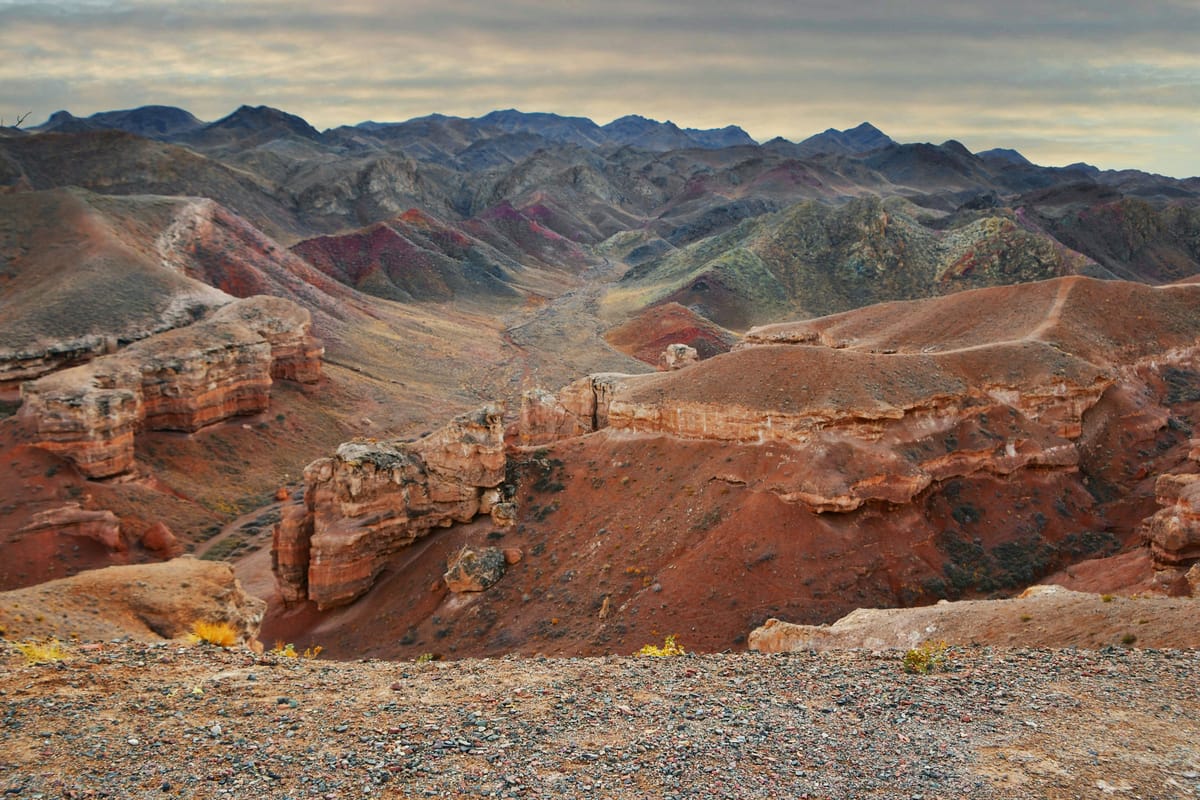
Almaty, Central Asia
Almaty: Apple City Between Steppe and Snow Peaks
Mountains as Compass: Locals never say north or south - they say "towards the mountains" (gorы) or "towards the steppe" (down), since the snow-capped Trans-I…
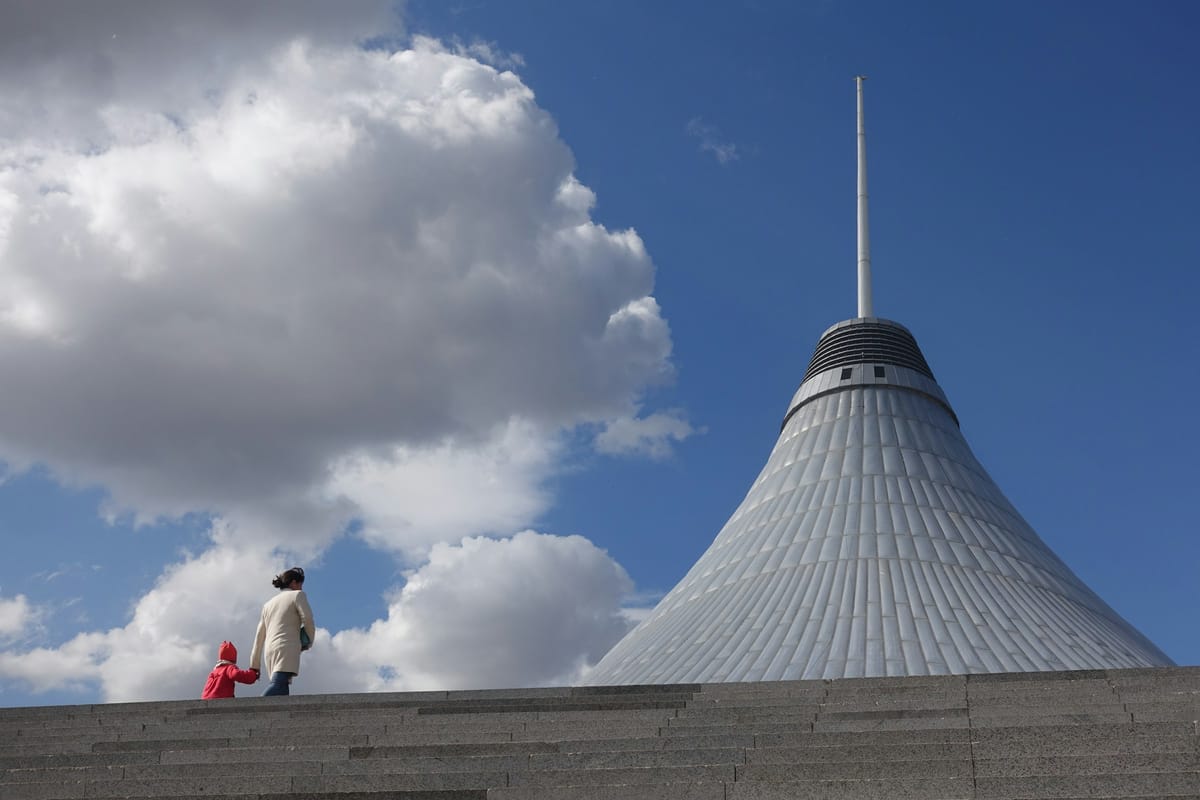
Astana, Central Asia
Astana: Futuristic Capital, Nomad Soul, Steppe Winds
Second Coldest Capital Reality: Astana hits -40°C regularly in winter, yet locals casually stroll outdoors like it's nothing. Visitors freeze in 5 minutes wh…