
🇳🇬 Nigeria
Nigeria Travel Guide - Where Owambe Parties, Nollywood Dreams, and 500 Languages Create Africa's Giant
2 destinations · Budget level 2
Overview
Nigeria sits as Africa's giant with 230+ million people across 250+ ethnic groups speaking over 520 languages, creating controlled chaos that somehow functions. Nigerian identity forged through British colonization, brutal civil war (Biafra 1967-70), oil boom-and-bust cycles, military dictatorships, and Boko Haram insurgency creates resilient, entrepreneurial spirit that turns every challenge into hustle opportunity. The three major ethnic groups - Hausa-Fulani (north), Yoruba (southwest), and Igbo (southeast) - maintain distinct cultural identities while sharing national pride in jollof rice supremacy, Afrobeats global domination, and Nollywood as world's second-largest film industry. 'Nigerian time' concept means flexibility trumps punctuality, relationships matter more than schedules, locals prioritize people over rigid timing, a cultural approach shared across much of the continent including Kenya. Pidgin English serves as linguistic democracy - everyone speaks it regardless of ethnic origin, creating national identity beyond colonizer's language. Extended family networks form backbone of society - every achievement collective, every failure shared, individuals exist within web of obligations that Westerners find suffocating but Nigerians consider essential survival mechanism. Religion divides geographically (Muslim north, Christian south) yet unites in fervent faith expression - Nigerians don't do spirituality halfway, mega-churches and grand mosques reflect how seriously locals take divine connection.
Travel tips
Owambe Etiquette: If invited to Nigerian party (wedding, funeral, naming ceremony), wear aso ebi (matching fabric) if provided, bring cash for 'spraying' (throwing money on dancers), expect 6+ hour celebration, late arrival normal and acceptable. Greeting Rituals: Yoruba younger people prostrate/kneel before elders, handshakes linger while asking 'how is family?', rushing greetings considered deeply disrespectful across all ethnic groups. Nigerian Time Flexibility: Events starting '2pm' mean 4-5pm arrival normal, locals prioritize relationships over punctuality, getting angry about delays marks you as outsider who doesn't understand priorities. Food Sharing Culture: Refusing offered food insults host, expect to be fed constantly, locals measure hospitality by how much they can make you eat, 'I've eaten' rarely accepted as excuse. Pidgin Navigation: Learn basic Pidgin - 'wetin dey happen?' (what's happening?), 'I no sabi' (I don't know), 'na wa oh' (wow/that's crazy), locals warm up immediately when foreigners attempt Pidgin. Money Spraying Legality: Central Bank technically banned spraying naira notes at parties, everyone ignores this, police don't enforce, participate respectfully or sit out but don't lecture about legality. Generator Sounds: Power cuts daily reality, generator noise constant soundtrack, locals don't even notice anymore, bring power bank and accept infrastructure chaos. Lagos Traffic Reality: '30-minute drive' can take 3 hours, locals plan life around go-slow (traffic jams), leave absurdly early or embrace Nigerian patience, road rage pointless when everyone stuck together.
Cultural insights
Nigerian culture revolves around extended family networks, ethnic identity, religious fervor, and hustle mentality that turns survival into art form. Owambe party culture defines social life - elaborate celebrations for weddings, funerals, birthdays, naming ceremonies where aso ebi (matching outfits), excessive food, live music, and money spraying demonstrate status and fulfill communal obligations. The ritual of spraying naira notes on dancing celebrants expresses appreciation, financial support, and social hierarchy - not showing off but complex etiquette system outsiders rarely understand. Regional cultural differences profound - conservative Muslim Hausa-Fulani north values modesty, hierarchy, and Islamic scholarship; entrepreneurial Igbo southeast emphasizes individual achievement, trade, and decentralized decision-making; Yoruba southwest balances chieftaincy traditions with Christian-Muslim coexistence and cultural sophistication that includes owambe culture. Ubuntu philosophy manifests as 'mutunchi' (Hausa), 'iwa' (Yoruba), 'agwa' (Igbo) - interconnectedness principle where individual success meaningless without community elevation, every achievement shared, every challenge faced collectively. Proverbs guide daily interactions - Yoruba say 'a proverb is the horse that can carry one swiftly to discovery of ideas,' locals communicate through metaphorical wisdom passed through generations, directness considered crude compared to elegant proverb deployment. Nollywood (world's second-largest film industry) shapes cultural narratives and moral lessons, locals reference movie plots in conversations, films explore witchcraft, family drama, love, and morality through distinctly Nigerian lens that resonates across Africa. Afrobeats music conquered global charts, transforming how world perceives African culture - from Fela Kuti's revolutionary Afrobeat to Wizkid, Burna Boy, and Davido's contemporary domination, music expresses Nigerian confidence and creativity. Language diversity creates complexity - locals typically speak mother tongue (Yoruba, Igbo, Hausa), Pidgin for cross-ethnic communication, English for formal contexts, switching between all three mid-conversation through natural code-switching that reflects multilayered identity. Entrepreneurial spirit legendary - traffic jams spawn mobile markets, power cuts create generator businesses, every problem becomes opportunity, locals hustle with creativity that makes Silicon Valley look lazy, similar to the innovative spirit found in Egypt's bustling street economy.
Best time to visit
Dry Season (November-March): Best travel weather with temperatures 25-35°C, less humidity, minimal rainfall, roads accessible, Lagos less muggy though still chaotic, northern regions comfortable before Harmattan winds bring Sahara dust December-February creating hazy skies and cooler mornings. December peak owambe season with endless weddings and parties, Calabar Carnival (Africa's biggest street party) happens late December. Durbar Festival follows Eid celebrations in northern cities like Kano with spectacular horse parades. Wet Season (April-October): Heavy rains especially June-September, temperatures 23-32°C with high humidity, Lagos flooding common, roads become swamps in rural areas, travel more challenging but Nigeria functions regardless. July-August sees reduced rainfall ('August break'), Osun-Osogbo Festival (UNESCO-recognized) happens August in Osogbo celebrating Yoruba fertility goddess with grand processions to sacred grove. Argungu Fishing Festival typically March showcases dramatic river fishing competition in Kebbi State. Avoid traveling during Eid, Christmas, or Easter unless experiencing celebrations - transportation packed, prices spike, locals travel to home villages creating mass migration. Lagos empties during holidays offering unusual calm but most businesses closed.
Getting around
Danfo Buses (Lagos): Yellow minibuses with conductors hanging out shouting destinations, chaotic but authentic local transport, ₦200-500 rides, pickpocket risk high, locals use despite discomfort because affordable, routes confusing for newcomers. Okada (Motorcycle Taxis): Quick through traffic but extremely dangerous, banned in some Lagos areas after 10pm and completely in Abuja, drivers ignore all traffic laws, locals use for short desperate trips, helmet rarely provided, insurance non-existent. Ride-Hailing Apps: Bolt and Uber work in Lagos, Abuja, Port Harcourt - safer than street taxis, transparent pricing, locals who can afford prefer these, expect surge pricing during rush hours and rain. Keke NAPEP (Tricycles): Three-wheeled taxis dominate smaller cities, locals negotiate prices before boarding, ₦100-300 typical short rides, cramped but efficient for congested areas. Intercity Buses: ABC Transport, Libra Motors, GUO Transport connect major cities, ₦8,000-20,000 Lagos-Abuja (10+ hours), book registered companies only for safety, avoid 'one-chance' robbery scams of unmarked vehicles, locals check online reviews obsessively. Domestic Flights: Air Peace, Arik Air fly between major cities, ₦25,000-60,000 tickets, saves time but delays common, Lagos-Abuja 1 hour versus 10+ hours road. Car Rental: Freedom to explore but Lagos traffic nightmare tests sanity, locals drive aggressively treating lanes as suggestions, right-hand traffic, ₦15,000-40,000/day, fuel ₦650/liter after subsidy removal, self-drive requires Nigerian confidence or borderline recklessness.
Budget guidance
Budget Travel (₦30,000-60,000/day or $20-40/day): Basic guesthouses ₦8,000-15,000, street food from local mama put (food vendor) ₦1,000-2,500 per meal, danfo buses and keke transport ₦500-2,000, sachet water 'pure water' ₦50-100, local beer ₦500-800, living exactly like average Nigerian on tight budget, authentic but challenging. Mid-Range (₦60,000-150,000/day or $40-100/day): Decent hotels ₦25,000-60,000, proper restaurant meals ₦4,000-10,000, Bolt/Uber rides ₦1,500-5,000, bottled water and soft drinks ₦300-600, local attractions ₦2,000-8,000 entry, comfortable experience balancing authenticity with convenience, most sustainable tier for extended travel. Luxury (₦150,000+/day or $100+/day): International hotels ₦80,000-200,000+, fine dining ₦15,000-50,000 per meal, private drivers, generator-backed accommodation guaranteeing power, imported goods, expatriate lifestyle insulated from infrastructure challenges but missing authentic Nigeria. Regional differences significant - Lagos and Abuja most expensive, northern cities like Kano and Maiduguri offer 30-40% savings, locals earn ₦60,000-150,000/month average, your tourist budget stretches differently across regions. Budget carefully for 'spraying' money at owambe parties if invited - bringing ₦10,000-20,000 for money spraying shows respect and participation in cultural ritual.
Language
Nigeria's 520+ languages create linguistic complexity resolved through Pidgin English as democratic lingua franca. Pidgin blends English structure with Nigerian linguistic influences - 'wetin' (what), 'na wa' (wow/that's crazy), 'I no sabi' (I don't know), 'wahala' (trouble/problem), 'oga' (boss/sir), 'shakara' (show off), 'ginger' (energy/excitement). The three major languages are Hausa (63+ million speakers, lingua franca of north and West Africa), Yoruba (47+ million speakers, southwest including Lagos), and Igbo (33+ million speakers, southeast). Essential Pidgin: 'How you dey?' (How are you?), 'I dey kampe' (I'm fine), 'Abeg' (please), 'Thank you well well' (thank you very much), 'Make we go' (let's go), 'Wetin be dis?' (What is this?), 'E don do' (that's enough). Code-switching normal - locals switch between mother tongue, Pidgin, and English mid-conversation, reflecting multilayered identity and linguistic flexibility that makes Nigeria work despite diversity. English serves as official language for government, education, formal business, but Nigerian English has distinct vocabulary, pronunciations, and expressions that differ from British or American English. Yoruba greetings elaborate - 'E kaaro' (good morning), 'E kaasan' (good afternoon), 'E kaale' (good evening), with respectful prostrating/kneeling for elders. Learning basic Pidgin opens hearts immediately - locals thrilled when foreigners attempt 'Nigerian speak,' brings huge smiles and breaks ice faster than formal English, shows cultural respect and effort to connect authentically.
Safety
Nigeria safety situation complex - major cities relatively safe for aware travelers but security concerns real in specific regions. Avoid northeastern states (Borno, Yobe, Adamawa) due to Boko Haram insurgency, northwestern states experiencing kidnapping-for-ransom issues, Niger Delta oil regions can be unstable. Lagos, Abuja, Calabar, Port Harcourt generally safe with standard precautions - locals protective of guests but opportunistic crime exists. 'One-chance' robbery scam targets public transport - criminals pose as fellow passengers in unmarked buses, robbing victims during ride, only use registered transport companies for intercity travel. Avoid flashy displays of wealth - locals mostly don't have expensive items, conspicuous phones/jewelry attract unwanted attention, dress down and blend in. Never travel intercity at night - road safety poor, armed robbery risk increases dramatically after dark, locals with means fly or travel early morning. Okada (motorcycle taxis) kill more people than crime - banned in some areas for safety reasons, locals who value life avoid them despite convenience. Police checkpoints common - carry ID always, small 'dash' (bribe) often requested, locals factor this into travel costs, don't argue righteously. Yellow fever vaccination mandatory for entry, malaria prophylaxis essential - Nigeria has critically high malaria risk year-round, locals suffer from it regularly, take medication seriously. Tap water unsafe - drink bottled or sachet 'pure water,' locals do same, street food generally safe where crowds eat indicating freshness and quality. Power cuts daily - infrastructure unreliable but locals adapted with generators, power banks essential, plan around electricity availability. Emergency numbers: 112 (general), 767/112 (Lagos State), but response times extremely poor, locals rely on private security and community help more than official emergency services. LGBTQ+ travelers should be extremely discreet - homosexuality illegal with harsh penalties, conservative attitudes prevail, public affection even heterosexual kept minimal, locals don't discuss sexuality openly. Medical facilities good in Lagos/Abuja private hospitals but limited in rural areas, medical evacuation insurance strongly recommended, locals who afford it fly to India or UK for serious treatment.
Money & payments
Nigerian Naira (₦/NGN) is the official currency. Exchange rate fluctuates significantly due to economic instability - approximately ₦1,430/USD as of early 2026 (official rate), black market 'parallel' rate often 10-20% better, locals use black market freely though technically illegal. ATMs available in cities but often empty or have low withdrawal limits (₦20,000-40,000), bring some USD/EUR to exchange through reliable sources. Cards accepted at international hotels, upscale restaurants, major malls in Lagos/Abuja, but cash dominates - street food vendors, transport, local markets, small businesses operate cash-only, locals carry significant amounts. Mobile money growing - platforms like PalmPay, OPay popular for transfers, locals increasingly cashless for certain transactions but physical naira still king. Typical costs: Pure water sachet ₦50-100, Street food meal ₦800-2,000, Beer ₦500-1,200, Jollof rice with chicken restaurant ₦3,000-8,000, Suya (grilled meat) ₦1,500-3,000, Danfo bus ride ₦200-500, Bolt/Uber cross-city ₦2,000-8,000, Budget guesthouse ₦8,000-15,000/night, Mid-range hotel ₦25,000-60,000/night, Intercity bus ₦8,000-20,000. Tipping not mandatory but appreciated - 10% in proper restaurants, round up for small services, money spraying at owambe parties separate cultural ritual not standard tipping. Bargaining expected in markets - initial prices inflated 50-200% for obvious foreigners, locals negotiate everything, offer 40-50% of asking price and meet in middle, good-natured haggling expected and enjoyed. Budget ₦50,000-80,000/day (€30-50) very comfortable outside Lagos, similar to cost structures in other West African nations.
Destinations in Nigeria
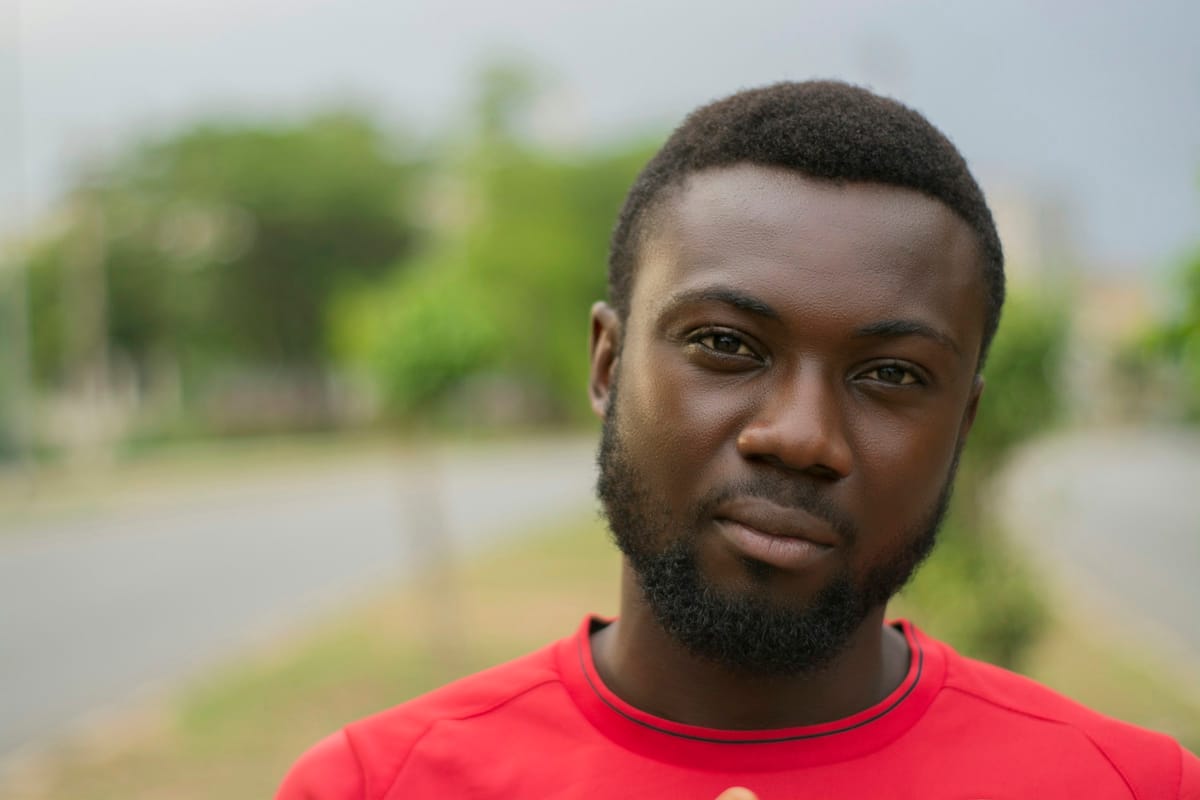
Abuja, West Africa
Abuja: Purpose-Built Capital & Nigerian Unity
Purpose-Built Capital Reality: Unlike <a href="https://coratravels.com/guides/lagos-algarve-surf-soul-sea-caves">Lagos</a> which grew organically, Abuja was …
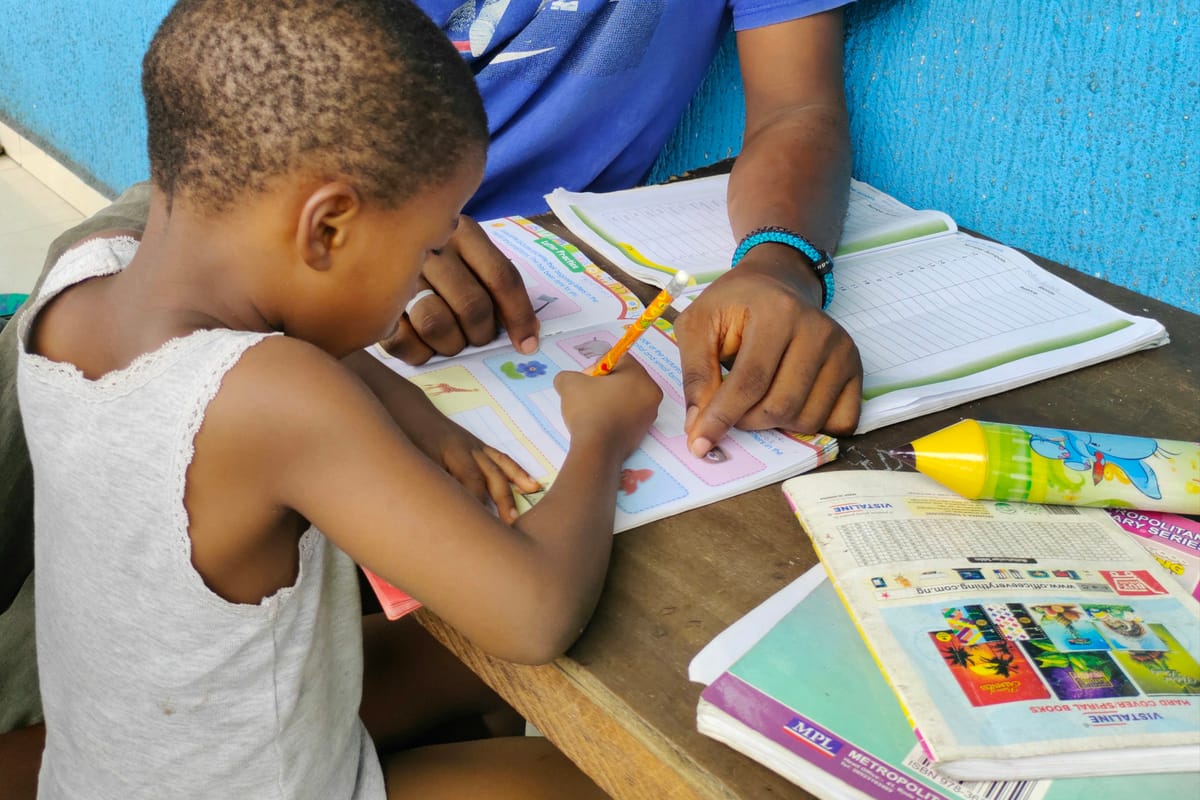
Port Harcourt, West Africa
Port Harcourt: Garden City Where Oil Rivers Meet Soul
The Soot Situation: Port Harcourt's sky occasionally fills with black soot from illegal oil refineries and industrial activities in the Niger Delta - locals …