
🇦🇪 UAE
UAE Travel Guide - Where Bedouin Majlis Meets Hypermodern Gulf
2 destinations · Budget level 3
Overview
The United Arab Emirates is the world's most audacious social experiment: a country of 10 million people where Emiratis — the actual citizens — make up just 11% of the population. In a single human lifetime, this stretch of desert coastline went from palm-frond barasti huts and pearl-diving dhows to the tallest building on Earth, a Mars mission, and the Louvre Abu Dhabi. That transformation shapes everything. Understanding the UAE means understanding three overlapping worlds existing simultaneously: the ancient Bedouin culture of the desert, jealously preserved and officially celebrated; the Gulf Arab Islamic society that structures laws, architecture, and daily rhythms; and the hyper-global megalopolis of imported workers, international capital, and deliberate future-building. The concept of 'wasta' (واسطة) — using personal connections and tribal networks to get things done — underpins much of how Emirati society operates, a survival mechanism from desert tribal life now navigating corporate modernization. The 'majlis' (مجلس) is the architectural and social heart of Emirati life: a designated room always prepared for guests, functioning simultaneously as living room, community council, and dispute court. Anyone could historically enter a ruler's open majlis and speak their concern directly — Sheikh Zayed Al Nahyan, the UAE's founding father, conducted these sessions until his death. This paternalistic-but-accessible governance style persists. The kafala sponsorship system — which ties every expat worker's visa to a specific employer — creates a profound power imbalance that finances much of the UAE's construction and service industries. Hospitality (karam) is not optional courtesy but a sacred Bedouin obligation rooted in desert survival ethics: refusing a guest's needs was unthinkable when the desert could kill a lost traveler. This generosity — the insistence on feeding, hosting, and welcoming — is the thread connecting ancient nomadic culture to the gleaming hotels of today.
Travel tips
Qahwa Ritual: When offered Arabic coffee (qahwa) and dates, always accept at least one cup — refusing is a genuine insult. The pale saffron-cardamom brew served in small handleless cups (finjan) is poured from an ornate dallah pot. Gently shake the cup side to side to signal you've had enough; otherwise it refills indefinitely. Dress Codes: Cover shoulders and knees in malls, souks, government buildings, and mosques. Swimwear is only appropriate at hotel pools, beaches, and water parks — never elsewhere. At the Sheikh Zayed Grand Mosque and similar sites, women must cover completely (abayas and headscarves are provided at the entrance). Ramadan Rules: During Ramadan, eating, drinking, or smoking in public daylight hours is technically an offense (AED 2,000 fine). Most restaurants stay open but screen their interiors. Non-Muslims are expected to be discreet — this is respectful, not oppressive. Ramadan evenings after iftar are the most atmospheric time in the UAE. Greetings: Begin with 'As-salamu alaykum' and wait for the response. Never extend your hand to the opposite gender unless they extend first — many devout Emiratis don't shake hands across gender lines. Left Hand and Feet: Eat with your right hand, pass items with your right hand. Never point the soles of your feet toward anyone, especially in a majlis setting. Photography: Never photograph women (especially Emirati women in abayas) without explicit consent — fines up to AED 500,000. Prohibited: all government buildings, police stations, military installations. Inshallah: This phrase ('God willing') is genuine theology, not evasion — Emiratis mean it when they say future plans depend on God's will. Treat it as such rather than as avoidance. Explore beyond Dubai — Sharjah's cultural quarter is 20 minutes away and shows what Gulf Arab culture looks like without the commercial gloss, while the falconry tradition recognized by UNESCO connects modern Emiratis to their nomadic Bedouin roots.
Cultural insights
Emirati identity is simultaneously ancient and fragile. The grandparents of today's young Emiratis lived in wind-tower houses (barjeel) without electricity, dived barefoot to 30-meter depths in the Gulf for pearls, and navigated by stars across the Rub' al Khali desert. Their grandchildren drive Lamborghinis to university. This compressed modernization — 60 years where most societies take 300 — creates a culture simultaneously obsessed with its own preservation. Falconry (UNESCO Intangible Heritage), camel racing with robot jockeys, pearl diving festivals, and traditional dhow sailing are not quaint folklorisms: they are active cultural anxiety management, the UAE's way of insisting its soul exists beneath the glass towers. The Bedouin hospitality code (diyafa) is the emotional foundation: a guest arriving at your tent — even a stranger, even an enemy during truce — received water, food, and protection for three days without question. This code explains why Emiratis will insist you eat when you're not hungry, stay when you say you must leave, and pay when you reach for your wallet. Gender dynamics are more complex than Western stereotypes suggest. Emirati women have among the highest university enrollment rates in the world (70%+ are women), participate strongly in government employment, and own significant family property. The abaya is for many a voluntary cultural statement rather than pure imposition — though legal and religious pressure varies across emirates. The UAE is 89% expat — which means the 'local culture' most visitors experience is actually a layered international society: the Emirati minority holding political and cultural authority, Western and Arab professionals in high-status roles, and South/Southeast Asian workers in service, construction, and domestic positions. These worlds interact but rarely integrate. Sharjah is the UAE's designated 'Cultural Capital' (UNESCO, 1998) and operates under stricter Islamic codes: completely dry, conservative dress required, over 20 museums, and a slower pace that reveals the Gulf Arab urban character Dubai deliberately smoothed away. Exploring Sharjah's cultural heart rewards travelers wanting to understand what local life actually looks like beyond tourism infrastructure. Dubai's Al Fahidi Historical Neighbourhood (Bastakiya) contains wind-tower courtyard houses from the early 1900s — a 45-minute walk that feels like a different century. The Friday afternoon culture remains important despite the weekend shift to Saturday-Sunday (changed in 2022): Friday noon prayer (Jumu'ah) draws large congregations, and many families gather for large communal lunches after. Ramadan fundamentally transforms the UAE's atmosphere — the month becomes a social event of shared iftar meals, lit-up streets, and a nocturnal rhythm that's genuinely special to experience.
Best time to visit
Winter (November–March): The only truly comfortable outdoor season. Temperatures 18–28°C, brilliant sunshine, blue skies. Peak tourist season with higher prices (hotels 40-60% more expensive December–January). This is the window for desert camping, beach days, outdoor dining, and exploring on foot. Dubai Shopping Festival runs January–February. Spring (April–May): Shoulder season, temperatures climbing to 30–38°C but still manageable. Fewer crowds than winter, better hotel rates. Sandstorms (haboob) possible in April. Good balance of weather and value. Summer (June–September): Extreme heat 40–50°C with high humidity on the coast. Most outdoor activity impossible between 11am–5pm. However: dramatically lower prices (luxury hotels at budget rates), near-empty tourist attractions, excellent indoor museum season. If you can handle the heat and stay in air-conditioned zones, summer offers the UAE at a fraction of winter costs. Ramadan: Timing shifts annually (lunar calendar). Food restrictions apply in public during daylight, but Ramadan evenings after iftar are extraordinary — the most atmospheric time to experience Emirati culture authentically, with communal Iftar tents, traditional food, and a warmth in social interactions unique to the month.
Getting around
Dubai Metro: The most efficient urban navigation. Two main lines (Red/Green) plus Route 2020 extension to Expo City. Key Red Line stops: Airport → Union → Burj Khalifa/Dubai Mall → Dubai Marina. Zone fares: 1 zone AED 3 (Silver Class) or AED 6 (Gold Class). Day pass AED 22. The metro doesn't reach all attractions — Palm Jumeirah, Jumeirah Beach, and Al Fahidi need a short taxi connection. Nol Card: Essential rechargeable smart card (AED 25 deposit) used across metro, tram, buses, and water buses — buy this on arrival. Taxis: Metered, reliable, available 24/7. Starting fare AED 12 (AED 14 at night). Per km: AED 2.14. Airport departure surcharge AED 20. A typical central Dubai trip costs AED 25–50. Women-only 'pink taxis' with female drivers available. Uber/Careem: Both operate widely and often match taxi prices. Inter-Emirate Travel: No passenger rail between emirates yet. Dubai–Abu Dhabi bus: AED 25–35, ~2 hours via E100/E101 routes. Dubai–Sharjah: AED 10–15 by bus (20–40 mins, but notorious traffic congestion). Dubai–Fujairah: AED 25–30 by bus (~2 hours). Renting a car is most practical for visiting multiple emirates — roads are excellent, fuel is cheap (AED 2.8/liter), and signage is bilingual. Abras (Water Taxis): Dubai Creek wooden boats crossing between Deira and Bur Dubai — AED 1 per person. One of the UAE's best-value authentic experiences and a window into historic port life. Dubai Tram: 11km connecting Dubai Marina/JBR to Al Sufouh, connects with metro at two stations, AED 3–6 with Nol card.
Budget guidance
Budget Travel (AED 185–295 / €47–75 / $50–80/day): The UAE can be done cheaply if you eat like a resident. Hostel dorm: AED 55–90 ($15–25). Real budget hack: Deira and Bur Dubai neighborhoods have outstanding South Asian (Indian, Pakistani, Bangladeshi) restaurants where a full meal costs AED 20–40 ($5–11). Shawarma from street stands: AED 8–15. Metro and bus transport: AED 3–8 per trip. Free activities include Dubai Creek abra crossing (AED 1), Gold Souk, Spice Souk, Dubai Fountains evening show, Al Fahidi Historical Neighbourhood, public beaches. Mid-Range (AED 370–550 / €94–140 / $100–150/day): 3-4 star hotels AED 295–550 ($80–150/night). Restaurant meals AED 75–150 ($20–40). Mix of metro and occasional taxis. Budget for 1-2 paid attractions: Burj Khalifa 'At The Top' AED 130–175, Museum of the Future AED 145, desert safari with dinner AED 180–295. Luxury (AED 735–3,700+ / €185–935 / $200–1,000+/day): 5-star hotels on Palm Jumeirah AED 735–1,470/night. Burj Al Arab from AED 5,500/night. Fine dining AED 260–735 per person. Hotel brunches (a UAE institution): AED 295–550 with unlimited drinks. Critical cost factor: Alcohol dramatically inflates bills at licensed venues — a beer in a hotel bar costs AED 40–70 ($11–19), house wine AED 160–280 per bottle. Avoiding licensed venues makes the UAE noticeably more affordable. Duty-free alcohol at Dubai Airport is among the best prices globally.
Language
Arabic is the official language; Emirati Arabic (Khaliji dialect) is distinct from Egyptian or Levantine Arabic. However, English is the effective operational language of Dubai and Abu Dhabi — all signage is bilingual, virtually all service workers speak English, and government tourist services have English support. Hindi, Urdu, Malayalam, Tagalog, and Bengali are also widely spoken in service contexts. Key Arabic phrases: 'As-salamu alaykum' (peace be upon you — standard greeting), 'Wa alaykum as-salam' (and upon you peace — response). 'Shukran' (shook-ran) — thank you. 'Min fadlak' (min-fad-lak) — please. 'Afwan' — you're welcome / excuse me. 'Inshallah' (in-sha-allah) — God willing, used for everything future-tense (genuinely theological, not casual). 'Mashi' — okay/alright (colloquial). 'Ramadan Kareem' — Blessed Ramadan. 'Bismillah' — in God's name (said before eating). 'Alhamdulillah' — praise God (said after eating). Using even basic Arabic greetings with Emiratis brings genuine warmth — they appreciate the gesture enormously given how rarely visitors learn even a word.
Safety
The UAE is one of the world's safest tourist destinations by conventional crime metrics. Violent crime against tourists is rare. Women traveling solo consistently rate the UAE among their safest international experiences. However, 'safe' does not mean consequence-free — the legal system is strict and enforces behaviors that are legal elsewhere. Strictly enforced laws: Public displays of affection (kissing/hugging) carry fines and potential detention — multiple tourist cases annually. Swearing, obscene gestures, or abusive behavior in public (including online and via messaging apps): AED 10,000+ fines and arrest. Social media posts insulting UAE leadership, Islam, or the government can lead to criminal prosecution. Alcohol: Legal only in licensed venues (hotels, bars, licensed restaurants). Public drinking illegal. Zero tolerance for any blood alcohol while driving. Sharjah is completely dry. Medications: Critical risk for visitors — many medications legal elsewhere contain substances on UAE's controlled list (certain codeine painkillers, some antidepressants, ADHD medications). Check the UAE Ministry of Health website before travel, carry original prescriptions, obtain a doctor's letter. Photography: Never photograph Emirati women without explicit consent (fines AED 150,000–500,000). No photos of government buildings, military installations, or police stations. Drugs: Extreme legal consequences — even trace amounts detectable in urine tests from consumption elsewhere can result in prosecution. Same-sex relations: Illegal under UAE federal law — LGBTQ+ travelers should exercise significant caution. Heat emergency: Summer temperatures require serious hydration outdoors — 3-4 liters minimum daily. Emergency numbers: 999 (police/general), 998 (ambulance), 997 (fire).
Money & payments
UAE Dirham (AED / درهم). Pegged to the US dollar at 1 USD = 3.67 AED (unchanging since 1997). EUR ≈ AED 3.95–4.05 (fluctuates). ATMs are abundant throughout malls, hotels, and street corners. Cards work in virtually all establishments; tap-to-pay is standard. Cash needed for small street vendors and market stalls. Specific price reference points: Shawarma (street) AED 8–15 ($2–4). Neighborhood Indian restaurant meal AED 20–40 ($5–11). Café coffee AED 18–30 ($5–8). Mid-range restaurant main course AED 55–110 ($15–30). Hotel brunch AED 295–550 ($80–150). Beer at hotel bar AED 40–70 ($11–19). Taxi base fare AED 12 ($3.30). Metro single journey AED 3–7.50 ($0.80–2). 1.5L water bottle AED 1–4 ($0.30–1). Burj Khalifa AED 130–175 ($35–48). Desert safari with dinner AED 180–295 ($49–80). Tipping culture: Not mandatory but appreciated. 10–15% in restaurants if no service charge added (many upscale venues add 10% automatically). Round up for taxis. Hotel staff AED 10–20. Tour guides AED 50–100 for a full day. Duty-free at Dubai Airport is among the world's best for alcohol, perfumes, and electronics.
Destinations in UAE
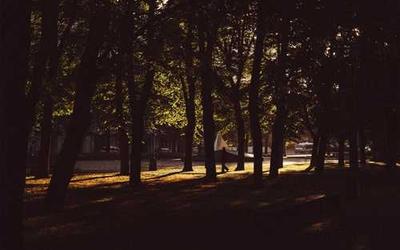
Dubai, Middle East
Dubai: Beyond the Skyscrapers
Traditional Values: Locals maintain strong Emirati traditions despite modern development. Family First: Strong family bonds, locals prioritize family time an…
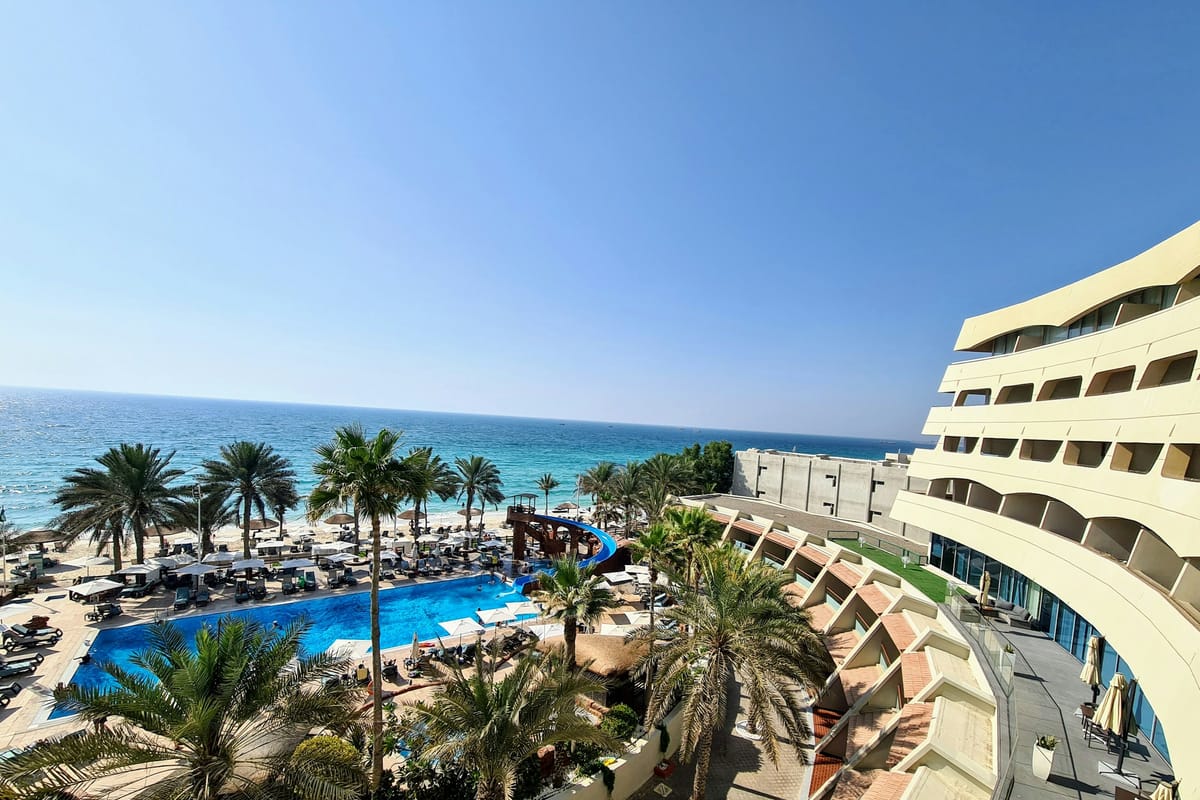
Sharjah, Middle East
Sharjah: Cultural Capital of the Arabian Soul
Zero Alcohol. Everywhere. No Exceptions.: Sharjah is the only emirate in the UAE with a total prohibition on alcohol — not a suggestion, but the law. No hote…