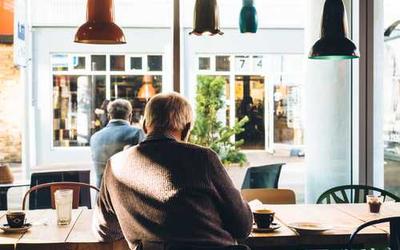
🇬🇧 United Kingdom
United Kingdom Travel Guide - Where Queue Culture Meets Sarcastic Wit
10 destinations · Budget level 2
Overview
The United Kingdom comprises four nations - England, Scotland, Wales, and Northern Ireland - each fiercely proud of distinct identities while navigating shared British nationality. British culture centers on paradoxes: legendary politeness masking cutting sarcasm, reserved emotions coexisting with passionate pub debates, imperial history confronting post-Brexit identity crisis. The 'stiff upper lip' - maintaining composure through adversity - shaped by world wars still influences older generations, though younger Brits embrace emotional openness. Class consciousness remains deeply embedded despite modern egalitarian aspirations - accent, education, and even tea preferences signal social position. Pub culture serves as democracy's classroom where taxi drivers debate Dostoevsky and everyone's opinion matters equally over pints. Queue culture isn't just about standing in line - it represents fairness, order, and respect for social norms that define British identity. Indirect communication reigns supreme: 'that's interesting' means 'I disagree', 'I'll bear that in mind' means 'I'm ignoring this', and 'with the greatest respect' precedes total dismissal. Tea drinking transcends beverage status - it's social ritual, emotional comfort, and cultural touchstone offering solution to every crisis from breakups to national disasters. The monarchy symbolizes continuity and tradition while adapting to modern scrutiny, royal family functioning as cultural icons and soft power assets. Post-Brexit Britain grapples with identity - no longer European yet uncertain about 'Global Britain', former empire now multicultural nation reconciling colonial legacy with contemporary values.
Travel tips
Queue Etiquette: Sacred British ritual - always join the end, never cut in, speaking to others in queue considered bizarre, accepting offers to go ahead creates awkwardness. Queue-jumping provokes rare British directness. Pub Culture: Order drinks at bar (don't wait for table service), buy rounds for your group, nurse drinks through conversation (rushing considered American), pub quiz nights taken deadly seriously. Politeness Protocol: Apologize constantly even when not your fault, 'sorry' functions as greeting/excuse/conversation starter, excessive politeness expected, directness interpreted as rudeness. Visit Britain's historic cultural heritage sites including England's Stonehenge and Canterbury Cathedral among 33 UNESCO World Heritage Sites. Understanding Sarcasm: British humor relies heavily on irony and deadpan delivery - assume everything could be sarcastic, banter shows affection, taking things literally marks you as outsider. Tea Rituals: Accept tea offers enthusiastically, tea solves all problems in British worldview, afternoon tea requires proper etiquette (scones before jam before cream, or cream before jam depending on regional warfare). Class Awareness: Accent reveals everything about background, asking about jobs/education can feel intrusive, avoid discussing money openly, posh vs common distinctions still matter despite modern denials. Regional Sensitivity: Don't call Scots/Welsh/Northern Irish 'English', understand fierce national identities within UK, each nation has distinct culture and sensitivities. Weather Chat: Complaining about weather universal conversation starter, locals discuss rain constantly, weather small talk essential social lubricant. Tipping Culture: 10-15% restaurants if service not included, round up taxi fares, pub staff not tipped unless table service, over-tipping considered showy. Transport Manners: Stand right on escalators (walk left), queue orderly for buses/trains, giving up seats for elderly/pregnant expected, eye contact avoided on London Underground.
Cultural insights
British identity shaped by imperial history locals either romanticize or ignore - Brexit debates revealed generational divide between empire nostalgia and multicultural acceptance. Class system persists beneath egalitarian surface - private schools vs state schools, Oxbridge vs other universities, north vs south, received pronunciation vs regional accents create invisible hierarchies. The concept of 'keeping calm and carrying on' - maintaining composure and understating emotions - defines British character, though younger generations increasingly reject emotional repression for mental health discussions. Regional identities matter intensely: Scottish independence sentiments, Welsh language revival, Northern Irish political complexities, English identity crisis post-devolution create internal tensions. Pub serves as social equalizer where class dissolves over pints - democratic space for debate, community gathering, and philosophical discussion that ranges from football to politics. British humor weaponizes sarcasm, irony, and self-deprecation - banter signals affection, teasing shows intimacy, ability to 'take the piss' out of yourself earns respect. Communication operates through indirectness: 'quite good' means excellent, 'not bad' means brilliant, 'I hear what you say' means 'I disagree and we're done here'. Tea culture provides structure and comfort - builders drink strong breakfast tea, posher types prefer Earl Grey, tea break solves workplace tensions, offering tea shows care. The monarchy divides generations - older Brits revere tradition and continuity, younger ones question relevance and cost, but royal events still unite nation temporarily. Sports fanaticism borders religious - football (soccer) splits families by team loyalty, cricket represents gentlemanly tradition, rugby reflects class divisions (Union vs League), debate over sports rivals political discourse in passion. British reserve means emotional displays considered unseemly - loud Americans shock locals, Italian expressiveness bewilders, standing too close in conversation creates discomfort, personal space sacred. Post-Brexit identity crisis unresolved - Leavers wanted sovereignty and immigration control, Remainers mourned European connection, debate exposed urban-rural, young-old, educated-working class divisions that persist. Four nations navigate distinct cultures: English dominance creates resentment, Scottish pride in separate legal/education systems, Welsh language revival asserts Celtic identity, Northern Ireland's complex sectarian politics require careful navigation.
Best time to visit
Spring (March-May): Delightful weather 8-16°C, gardens bloom spectacularly, Easter traditions include hot cross buns and bank holiday pub sessions, locals emerge from winter hibernation, fewer tourists than summer, unpredictable rain requires constant umbrella. Perfect for countryside exploration and avoiding peak crowds. Summer (June-August): Warmest temperatures 15-25°C (occasionally reaching 30°C causing national meltdown), festival season peaks with Glastonbury and Edinburgh Fringe, beer gardens packed with sun-starved Brits, beaches crowded despite cold water, prices highest, locals take holidays abroad ironically, sudden heatwaves create newspaper hysteria and melted train tracks. Long daylight hours ideal for sightseeing. Autumn (September-November): Comfortable 10-18°C, autumn colors stunning in Lake District and Scottish Highlands, locals return to work routines, Bonfire Night (November 5th) celebrates gunpowder plot failure with fireworks and bonfires, Remembrance Day (November 11th) honors war dead with poppy wearing and somber ceremonies, pub culture moves indoors, cozy atmosphere prevails. Better value than summer with pleasant weather. Winter (December-February): Cold 2-8°C, dark by 4pm creates hibernation culture, Christmas markets and decorations transform cities, locals complain about grey skies constantly, January sales attract shopping crowds, rare snow causes transportation chaos and national emergency declarations, cozy pub sessions with roaring fires appeal, authentic local life without tourist hordes. Christmas and New Year festivities atmospheric despite weather.
Getting around
Trains: Extensive rail network connects cities efficiently but notoriously expensive and unreliable - locals complain constantly about delays, privatization created confusing ticket systems, advance booking essential for reasonable prices, railcards save 1/3 for young/seniors/families, scenic routes like West Highland Line worth premium. Locals grudgingly accept train frustrations as national character builder. London Underground: Iconic tube system comprehensive but crowded and expensive, Oyster card or contactless payment essential (cash not accepted on buses), daily caps £5.25 for buses or up to £15.20 for zones 1-2 tube travel, locals navigate with practiced efficiency, tourists stand wrong side of escalators causing silent fury, avoid rush hours (8-9:30am, 5-7pm) when sardine-tin conditions prevail. Mind the gap becomes ironically quotable. Buses: Cheaper alternative to trains for intercity travel, National Express and Megabus connect major cities for £5-30, local buses vary by region (London's red double-deckers iconic but expensive at £1.75/ride), exact change sometimes required, locals prefer trains despite bus savings, timetables unreliable outside London. Taxis and Ride-sharing: London's black cabs expensive but iconic (drivers pass 'The Knowledge' test of 25,000 streets), Uber operates in cities with local resentment, minicabs require prebooking outside London, locals use apps to avoid street hailing. Tipping by rounding up fare expected. Car Rental: Driving on left challenges visitors, narrow country roads test nerves, city parking horrendously expensive (£4-8/hour London), petrol prices shock (£1.50-1.80/liter), motorways (highways) free unlike Europe, locals drive assertively, car useful for Scotland/Wales/countryside exploration but liability in cities. Manual transmission standard unless specified. Cycling: London expanding cycle infrastructure (Santander bikes £2 for 30min access), Cambridge and Oxford cycle-friendly university cities, locals increasingly embrace cycling despite weather, dedicated paths improve safety, drivers and cyclists maintain mutual hostility, helmet not legally required but advisable given traffic aggression. Walking: British cities very walkable, countryside footpath network extensive and legally protected, rambling (hiking) beloved national pastime, locals walk in all weather with proper gear, coastal paths and Lake District trails spectacular, right to roam in Scotland unique freedom.
Budget guidance
Budget Travel (£35-65/day): Hostel beds £15-35 (London pricier), Wetherspoon pub meals £5-10 (locals appreciate cheap but soulless chain), supermarket meal deals £3-5, bus transport £5-15 intercity, free museums (major London museums free entry unlike Europe), cheap pints outside London £3-4.50, street food markets £6-10. Living like students possible but London significantly more expensive than regions. Budget-conscious locals recommend Aldi/Lidl supermarkets, advance train bookings, avoiding tourist trap restaurants. Cities like Manchester, Glasgow, and Cardiff offer better value than London/Edinburgh. Mid-Range (£65-130/day): Budget hotel/Airbnb £50-100 (London £80-150), pub or casual restaurant meals £12-25, occasional taxis £8-20, train travel £20-50 intercity, theater tickets £25-70, museum donations £5-10, craft beer/wine £4.50-8, afternoon tea experience £25-45. Comfortable middle-class lifestyle, locals at this level enjoy cultural activities, weekend countryside trips, balanced quality-to-cost ratio. Regional variations significant - same standard costs 40-60% less in North England vs London. Luxury (£130+/day): Boutique hotels £120-400+ (London higher), fine dining £40-150+ per meal, West End theater premium seats £80-250, private tours £100-300, Michelin experiences, champagne afternoon tea £50-90, business-class trains, chauffeur services. Despite high costs, still cheaper than equivalent experiences in UAE or Switzerland. Luxury in UK means historic properties (country house hotels), refined service traditions, access to exclusive experiences. London luxury competes with global cities, countryside luxury offers unique British character.
Language
English is primary language but regional variations create rich linguistic landscape - Received Pronunciation (RP/'Queen's English'/BBC English) traditionally prestigious but regional accents increasingly celebrated. Geordie (Newcastle) considered hardest British accent to understand, Scouse (Liverpool) made famous by Beatles, Cockney (East London) known for rhyming slang, Glaswegian (Glasgow) rapid and consonant-dropping, Welsh English musical with unique vocabulary. Scots and Welsh Gaelic survive as minority languages with government support - Welsh road signs bilingual, Scottish Gaelic on western islands and Highlands, Irish and Ulster Scots in Northern Ireland. Regional slang varies wildly: 'innit' (London), 'aye' (Scotland/North), 'cwtch' (Welsh cuddle), 'wee' (small in Scotland/Northern Ireland), 'proper' (very/really), 'chuffed' (pleased), 'gutted' (disappointed), 'knackered' (exhausted), 'taking the piss' (mocking), 'having a laugh' (joking). Politeness embedded in language: 'I'm afraid', 'I'm sorry but', 'if you don't mind', 'would you mind awfully' soften requests, passive-aggressive notes about kitchen cleaning legendary, excessive apologies mark Britishness. Class markers obvious in language: 'toilet' vs 'loo' vs 'lavatory', 'pardon' vs 'what', 'settee' vs 'sofa', pronunciation of 'scone' creates north-south divide. British English differs from American: 'lift' (elevator), 'flat' (apartment), 'queue' (line), 'rubbish' (trash), 'brilliant' (great), 'cheers' (thanks/goodbye), 'mate' (friend), 'proper' (very). Younger generation influenced by multicultural London English, American media, and internet culture creating linguistic evolution older Brits lament. Essential phrases: 'Sorry' (multipurpose social lubricant), 'Cheers' (thanks or goodbye), 'You alright?' (greeting not health inquiry), 'Lovely' (catch-all positive), 'Brilliant' (great), 'Proper' (very), 'Fair enough' (acceptance). English proficiency universal but locals appreciate acknowledging regional differences - calling Scottish accent 'British' ignores proud distinctions. Translation technology unnecessary but cultural translation guide helpful for understanding indirect communication, sarcasm, and class-coded language.
Safety
UK is generally very safe with low violent crime rates compared to global destinations, though petty theft exists in tourist areas. Pickpocketing risks in crowded London areas (Oxford Street, tube stations, tourist attractions) - locals keep bags zipped and valuables secure, avoid flashing expensive phones/cameras unnecessarily. Unlicensed taxis dangerous especially for solo travelers - use only marked black cabs or verified apps (Uber, Bolt), reports of assaults in unmarked vehicles warrant caution. Tourist scams include Westminster Bridge card games (rigged and involving accomplice teams), fake charity collectors with clipboards, overpriced 'tourist menu' restaurants near attractions, locals recommend researching restaurant prices beforehand. Football (soccer) matches can involve ultra fan violence - avoid rival team areas on match days, derby matches (Manchester United vs City, Liverpool vs Everton, Rangers vs Celtic) particularly volatile, locals who attend know safe zones and timing. Severe weather occasionally causes flooding (most common UK natural disaster), winter storms disrupt travel significantly, locals monitor weather warnings and check transport before journeys, climate change increasing extreme weather events. Traffic drives on left which confuses visitors - pedestrian injuries from looking wrong way common, locals automatically look right-then-left before crossing. Emergency services reliable: 112 or 999 (police, ambulance, fire), 111 (non-emergency medical advice), 101 (non-emergency police). Healthcare excellent through NHS - EU citizens need GHIC (Global Health Insurance Card), others should carry comprehensive travel insurance, prescriptions cost £9.90 per item for visitors, A&E (emergency) departments free regardless of status but overwhelmed with long waits. Terrorism threat exists (historical IRA attacks, recent Islamic extremist incidents) but locals maintain 'keep calm and carry on' attitude - security visible at major sites, bag checks common at tourist attractions and transport hubs, report suspicious items via British Transport Police. LGBTQ+ travelers safe in urban areas with London, Brighton, Manchester having vibrant scenes - same-sex marriage legal since 2014, though rural/conservative areas less openly accepting, locals advise discretion in some regions. Tap water excellent quality throughout UK - locals drink freely, bottled water waste of money unless preference. Knife crime exists particularly in London but affects local gang populations more than tourists - media sensationalism exceeds actual tourist risk, locals more concerned than statistics warrant. Drink spiking occasionally reported in nightlife areas - never leave drinks unattended, locals increasingly conscious of drink safety particularly for women. Weather preparation essential - rain unpredictable year-round, locals carry umbrellas/waterproof jackets constantly, layering recommended for temperature changes, summer heatwaves (rare but increasing) lack air conditioning in most buildings causing discomfort. Political demonstrations generally peaceful - protest culture active around Westminster/Parliament, locals exercise free speech rights regularly, avoid protests if uncomfortable with crowds but rarely dangerous. Drugs illegal with varying enforcement - cannabis possession common but still illegal despite relaxed attitudes in some areas, police prioritize hard drugs and dealers over personal use.
Money & payments
British Pound Sterling (£/GBP) is currency - locals still somewhat bitter about never adopting euro, post-Brexit pound fluctuations affect purchasing power. Cards (contactless particularly) widely accepted everywhere even for small purchases, locals increasingly cashless especially post-COVID, some establishments (small cafes, market stalls, parking meters) cash-only so carry £20-40 emergency cash. ATMs abundant in cities and towns (avoid independent ATMs charging fees, use bank machines), currency exchange at airports terrible rates, locals recommend using cards with no foreign transaction fees or exchanging at post offices for better rates than tourist exchange bureaus. Typical costs: Coffee £2.50-4 (London pricier), Pint of beer £3.50-7 (regional variation huge), Fish and chips £7-12, Pub meal £10-18, Supermarket sandwich meal deal £3-5, Restaurant dinner £15-35, London tube day cap £7.70-15.20, Train ticket £15-100+ (advance booking essential), Budget hotel £40-80/night (London £70-150), Mid-range hotel £80-180/night, Theater tickets £20-150. Tipping culture: 10-15% restaurants if service charge not included (check bill first as often added automatically), round up taxi fares or add 10%, pub bar staff not tipped (buying them a drink acceptable instead), hotel porters £1-2 per bag, hairdressers 10-15%, delivery drivers £2-5 increasingly expected. Over-tipping considered American flashiness. Budget £45-70/day possible outside London living like locals (hostels, supermarket food, buses, free museums, cheap pub chains), £80-130/day comfortable lifestyle with restaurants, trains, cultural activities, accommodations, £130+ daily for luxury experiences in historic hotels, fine dining, theater, tours. London costs 30-50% more than regional cities - Manchester, Edinburgh, Bristol, Glasgow offer better value. Northern England significantly cheaper than South - same pint costs £3.20 in Newcastle vs £6.50 in central London, locals from North frequently complain about Southern prices. Regional cost-of-living crisis affects locals earning £25,000-35,000 median salaries more than tourists whose foreign currency often favorable against pound. Student discounts widespread with NUS/UNiDAYS/TOTUM cards offering 10-20% off retail, dining, attractions - locals recommend asking about student rates even without asking. Contactless payment limit £100 makes card transactions effortless, locals tap cards for everything from coffee to train tickets, chip-and-PIN backup required for larger purchases.
Destinations in United Kingdom
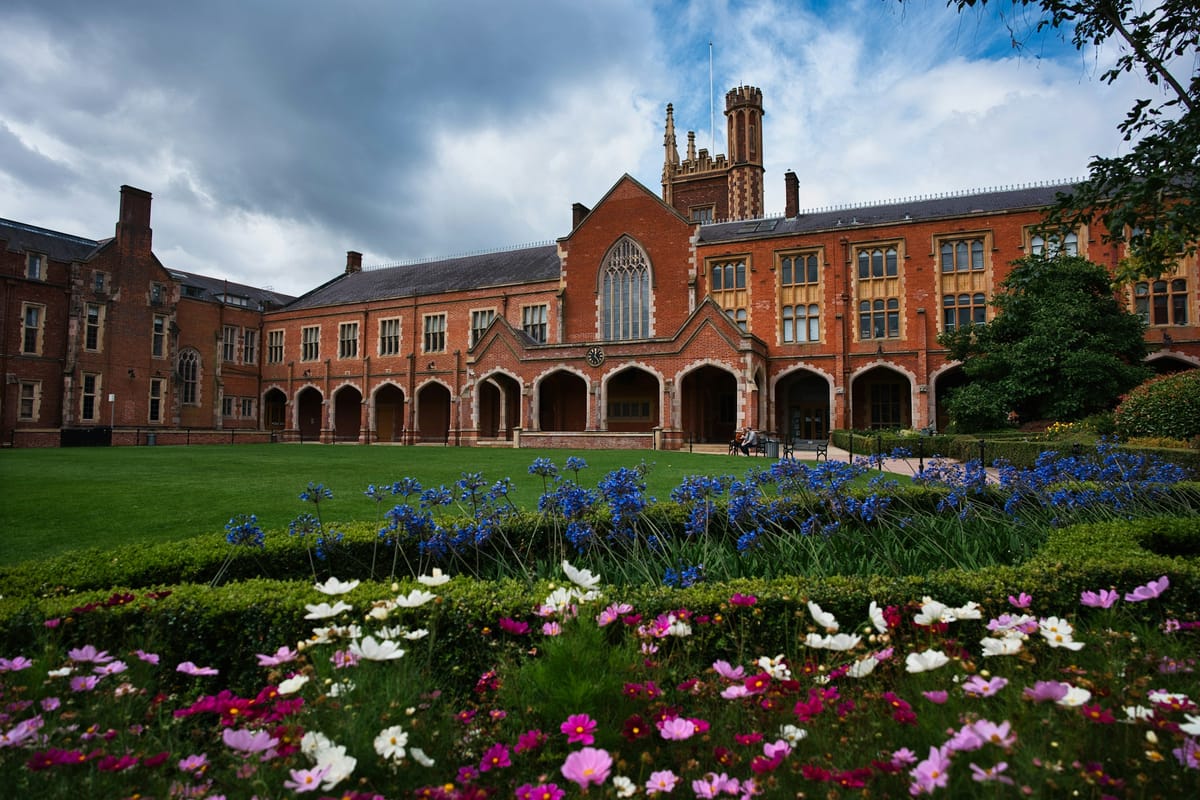
Belfast, Western Europe
Belfast: Shipyards, Street Art & Hard-Won Peace
"Aye" and "Wee" Everything: Locals answer yes with "aye" and shrink every noun with "wee" - a "wee cup of tea" can mean a mug the size of a bowl. Don't take …
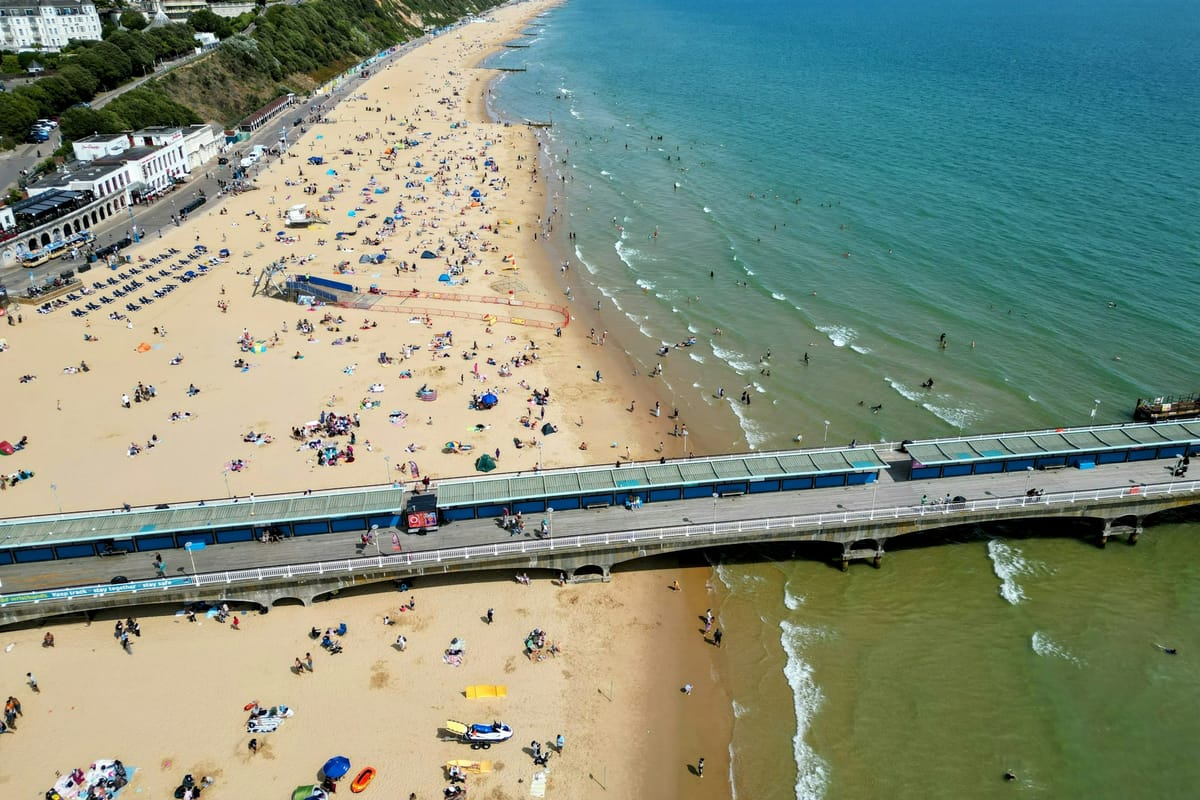
Bournemouth, Western Europe
Bournemouth: Seven Miles of South Coast Soul
Grockle Season Survival: Locals have a specific word for summer tourists: "grockles." During July and August, the 7-mile beach transforms from a local sanctu…

Bristol, Western Europe
Bristol: Pirates, Street Art & Cider Culture
The Bristol L: Locals add an 'L' sound to words ending in 'a' or 'o' - so 'idea' becomes 'ideal', 'area' becomes 'areal', and Bristol itself was originally '…
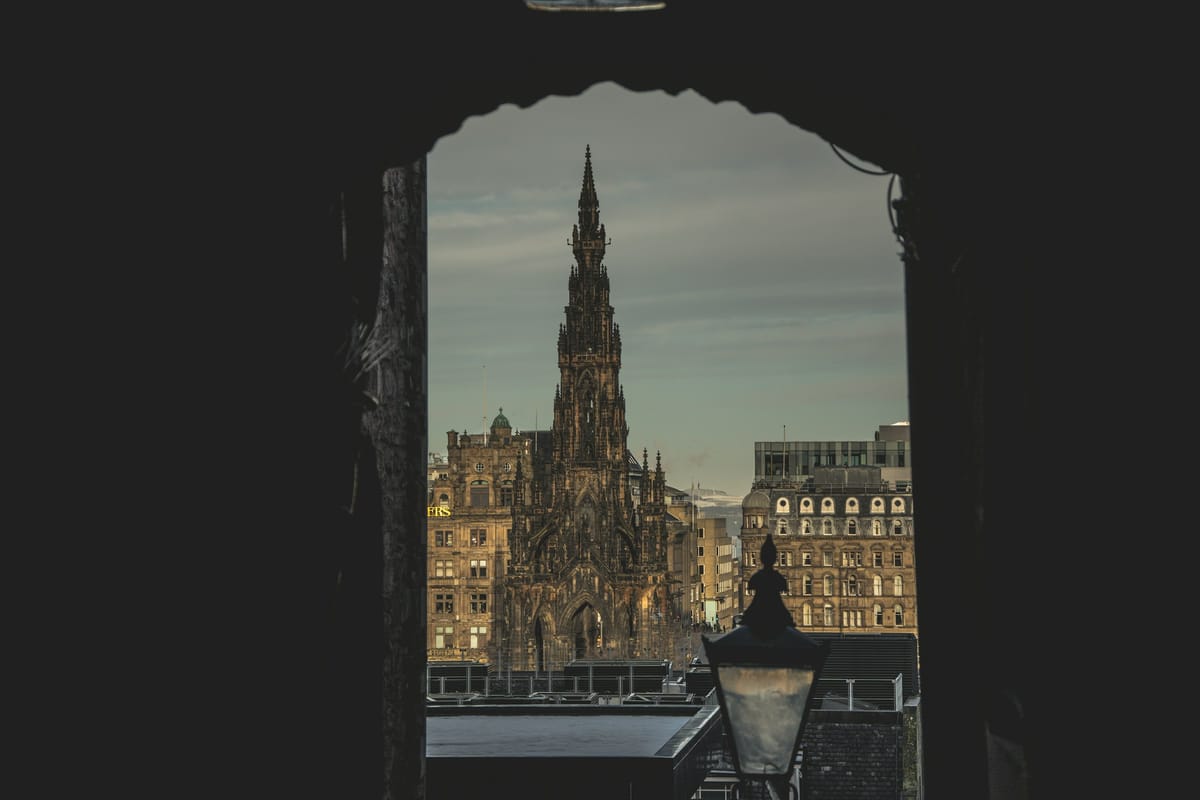
Edinburgh, Western Europe
Edinburgh: Old Town, New Town, Northern Athens
"Edinburgh" Is Not "Edin-burg": Locals say "Edin-burra" - lead with that and you'll skip the most common tourist giveaway before you even open your mouth aga…
London, Western Europe
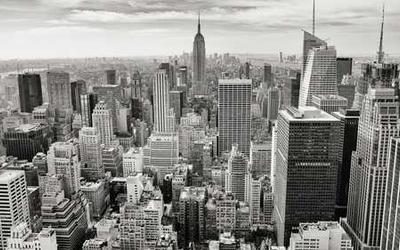
London: Beyond the Tourist Trail
Tube Etiquette: Stand on the right, walk on the left - breaking this rule causes passive-aggressive tutting. Pub Culture Rules: Order at bar, never at table,…
Manchester, Western Europe
Manchester: Industrial Heritage & Modern Music Scene
Rain Reputation vs Reality: It actually rains less than many UK cities, but locals always carry umbrellas as psychological comfort. Northern Directness: Loca…

Newcastle Upon Tyne, Western Europe
Newcastle Upon Tyne: Geordie Soul & Tyne Bridges
The 'Toon' Identity: Locals call Newcastle 'The Toon' (Geordie pronunciation of 'town') and take fierce pride in their distinct identity - they're Geordies, …
Norwich, Western Europe
Norwich: Medieval Mustard & Literary Soul
Norwich Has More Medieval Churches Than Any City in Northern Europe: There are 31 medieval churches within the old city walls - locals use them as arts centr…

Nottingham, Western Europe
Nottingham: Rebels, Lace, and Legends
"Ay Up Me Duck" Confusion: Don't be surprised when shopkeepers, bus drivers, and random strangers call you "duck" or "me duck" - it's not about waterfowl, it…

Sheffield, Western Europe
Sheffield: Steel City Soul
Henderson's Relish Is Not Worcester Sauce: Sheffielders get visibly irritated if you call Henderson's 'like Worcester sauce' — it's thinner, tangier, vegan, …