
January travel is a well-kept secret for those who crave genuine cultural immersion. While the world resets after the holidays, a unique window opens for deeper, more meaningful journeys. This isn't just about escaping the cold; it's about connecting with destinations on their own terms, free from the overwhelming crowds of peak season. This guide focuses on the best places to travel in January where you can truly experience local life, move beyond the typical tourist trails, and discover the authentic pulse of a place.
We will explore ten destinations, each handpicked for its unique off-the-beaten-path experiences and opportunities for genuine connection. Our focus is on practical, immersive travel. Instead of just listing attractions, we provide insights into local rhythms, from neighborhood market routines to unspoken etiquette, so you can navigate your trip with the confidence of an insider. For each location, you'll find mini-itineraries designed for cultural exploration and tips drawn from local perspectives, ensuring you engage respectfully and meaningfully.
This curated list is designed for travelers seeking more than just a vacation. It's for adventurers, digital nomads, and culture enthusiasts who want to understand a destination's soul. We'll cover everything from snowy mountain villages in Japan to the vibrant summer energy of Patagonia, giving you the tools to plan a trip that is both memorable and authentic. While this guide pinpoints January's specific advantages, using a comprehensive Best Time To Visit tool can help you compare seasonal nuances for future travels and find the optimal period for any destination on your list. Let’s dive into where January can take you.
1. New Zealand
Escape the Northern Hemisphere’s winter chill by heading south to New Zealand, one of the best places to travel in January for an epic summer adventure. With long, sunny days offering up to 16 hours of daylight, January provides the perfect backdrop for exploring the country’s jaw-dropping landscapes without the peak holiday crowds of December. From the dramatic fjords of the South Island to the volcanic heart of the North Island, New Zealand is a paradise for independent travelers seeking authentic wilderness.
Immersive Cultural Experiences
To truly connect with the spirit of Aotearoa (the Māori name for New Zealand), step away from the main tourist hubs. Skip the crowded Queenstown bar scene and instead head to Wellington to explore the vibrant Cuba Street neighborhood. Here, you can engage with local artisans and sample innovative craft beers at breweries like Garage Project. For a deep dive into Māori culture, arrange a guided tour of a local marae (meeting grounds) through a certified Māori tourism operator. Learning a few basic Māori phrases like "Kia ora" (hello) and "Ka kite anō" (see you again) is a small but meaningful gesture of respect that locals appreciate.
Off-the-Beaten-Path Exploration
While Milford Sound is stunning, the nearby Doubtful Sound offers a more serene and profound wilderness experience with far fewer boats. For hiking, instead of the bustling Milford Track, consider the Routeburn Track. Booking is essential, but it offers equally breathtaking alpine views and a stronger sense of solitude. On the North Island, venture beyond the popular Hobbiton and explore the rugged coast of the Coromandel Peninsula, where you can dig your own hot pool in the sand at Hot Water Beach during low tide.
A Local Guide's Perspective
"Don't just stick to the main highways. Rent a campervan and take the scenic backroads. You'll discover hidden beaches, small-town bakeries with the best meat pies, and campsites with incredible views that aren’t in any guidebook." - A Kiwi campervan enthusiast.
Actionable Tips for Your Trip
- Book Great Walks Early: Spots on famous trails like the Routeburn or Kepler Track fill up months in advance. Secure your Department of Conservation (DOC) hut or campsite permits online well ahead of time.
- Embrace Campervan Life: A self-contained campervan offers ultimate freedom. Use apps like CamperMate to find designated free camping spots and essential facilities.
- Navigate Like a Local: Driving is on the left. New Zealand roads can be narrow and winding, so always allow more time for your journey than GPS suggests.
- Go Cashless: New Zealand is a highly card-friendly country. EFTPOS (debit card) is universally accepted, and carrying large amounts of cash is unnecessary.
2. Myanmar (Burma)
For a journey back in time, Myanmar offers one of the most culturally profound experiences for those looking for the best places to travel in January. The cool, dry season provides perfect conditions, with comfortable temperatures ideal for exploring ancient wonders without the oppressive heat of other months. January sits in a sweet spot after the monsoon rains and before the Lunar New Year crowds, making it an excellent time for independent travelers to connect with the country’s deep Buddhist heritage and warm, welcoming people.

Immersive Cultural Experiences
To truly understand Myanmar, venture beyond the temples and into the daily lives of its people. Instead of just observing the floating villages of Inle Lake from a tour boat, arrange a homestay with a local family. You'll share meals, learn traditional fishing techniques, and gain a genuine perspective on life on the water. In Yangon, skip the tourist-centric restaurants and enroll in a local cooking class. These hands-on workshops not only teach you the secrets of Burmese cuisine but also often include a trip to a bustling local market, providing an unfiltered glimpse into the community's culinary heart.
Off-the-Beaten-Path Exploration
While Bagan’s sunrise is iconic, you can escape the main viewing mounds by renting an e-bike and exploring the smaller, unnamed pagodas scattered across the plains. For a deeper cultural dive, consider traveling to the lesser-visited city of Mrauk U in the Rakhine State, an ancient capital with unique, fortress-like temples that offer a stark contrast to Bagan's stupas and a more adventurous atmosphere. Another option is to take the slow boat from Mandalay to Bagan, a full-day journey that allows you to see rural river life unfold.
A Local Guide's Perspective
"Don't just photograph the monks during the alms-giving ceremony. Buy some rice from a local vendor and participate respectfully. The experience of giving, rather than just observing, is much more powerful. Always ask for permission before taking a photo up close." - A local guide from Mandalay.
Actionable Tips for Your Trip
- Dress Modestly: When visiting any religious site, cover your shoulders and knees. It’s a fundamental sign of respect. Keep a sarong or scarf in your daypack for convenience.
- Carry Cash (Kyat): While ATMs are becoming more common in cities, they are unreliable in rural areas. Credit cards are rarely accepted, so always have enough local currency.
- Hire Local Guides: Support the community and enrich your experience by hiring licensed local guides, especially at complex historical sites like Bagan. Their stories bring the ancient stones to life.
- Practice Photo Etiquette: Always ask for permission before taking close-up photos of people, particularly monks and individuals from ethnic minority groups. A smile and a gesture go a long way.
3. Japan (Kyoto, Tokyo, Japanese Alps)
For those seeking a unique winter escape, Japan is one of the best places to travel in January. Once the New Year's crowds dissipate after the first week, the country reveals a serene, magical side. Crisp, clear winter days offer stunning views of snow-dusted temples and Mount Fuji, while fewer tourists mean a more peaceful experience at iconic sites like Kyoto’s Arashiyama Bamboo Grove. This is the ideal time for independent travelers to witness winter festivals and savor seasonal culinary delights.
Immersive Cultural Experiences
To connect with Japan’s deep-rooted culture, go beyond the main sights. Instead of just visiting a large temple, participate in an early morning Buddhist service for a truly atmospheric experience. In Tokyo, skip the tourist-heavy dinner spots and venture into a local yokocho (alleyway) like Omoide Yokocho in Shinjuku for grilled skewers and conversations with locals in tiny, atmospheric izakayas. Learning basic etiquette, such as bowing and proper chopstick use, is a crucial sign of respect that enhances all interactions.
Off-the-Beaten-Path Exploration
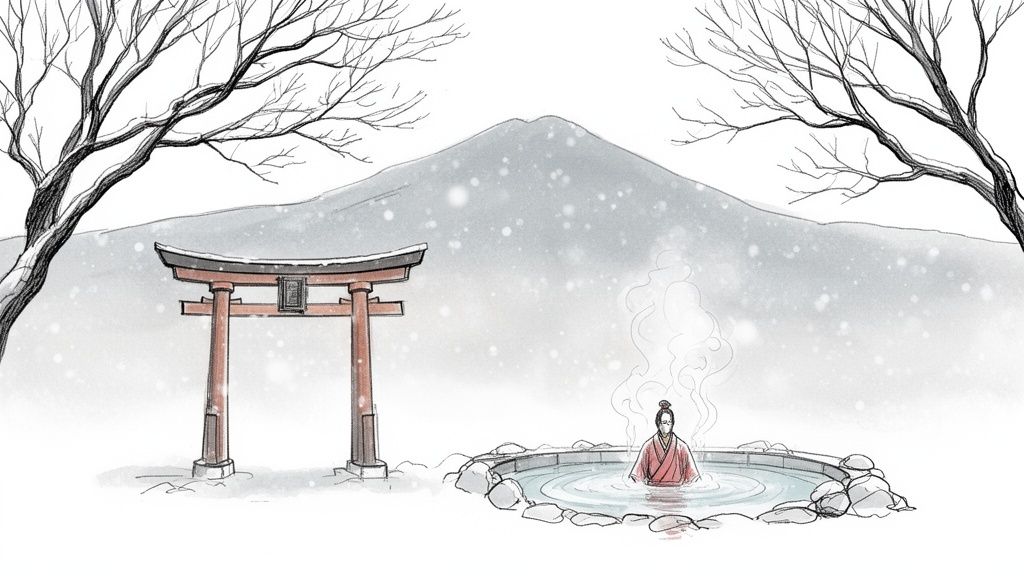
While Tokyo and Kyoto are essential, the true magic of a Japanese winter lies elsewhere. Instead of a day trip to Hakone, consider visiting the Japanese Alps in Nagano or Gifu prefectures. Here you can soak in a secluded outdoor onsen (hot spring) surrounded by snow, a quintessential and deeply restorative Japanese experience. For a unique urban exploration, bypass the bustling Shibuya Crossing and explore Tokyo’s Shimokitazawa neighborhood. Known for its vintage shops, independent theaters, and cozy cafes, it offers a glimpse into the city’s contemporary creative culture. Get a better sense of the city's unique neighborhoods before you go with this guide on where to stay in Tokyo.
A Local Guide's Perspective
"Don't underestimate the konbini (convenience store). They are not like those in the West. You can find incredible, high-quality meals like onigiri, bento boxes, and hot oden for a few hundred yen. It's a real slice of daily life and a budget-saver." - A Tokyo-based food blogger.
Actionable Tips for Your Trip
- Master Public Transport: Get a Suica or Pasmo IC card upon arrival. You can load it with cash and tap it for seamless travel on trains, subways, and buses across all major cities.
- Translate with Tech: Download the Google Translate app. Its camera function is invaluable for deciphering menus, signs, and product labels in real-time.
- Visit Temples Early: Arrive at popular temples and shrines like Fushimi Inari between 7 and 8 AM. You'll experience their spiritual tranquility without the afternoon crowds.
- Travel Smart with JR Pass: If you plan extensive travel between cities (e.g., Tokyo to Kyoto to Hiroshima), a Japan Rail Pass can save money. Calculate your planned long-distance train fares beforehand to see if it’s cost-effective for your specific itinerary.
4. Patagonia (Argentina & Chile)
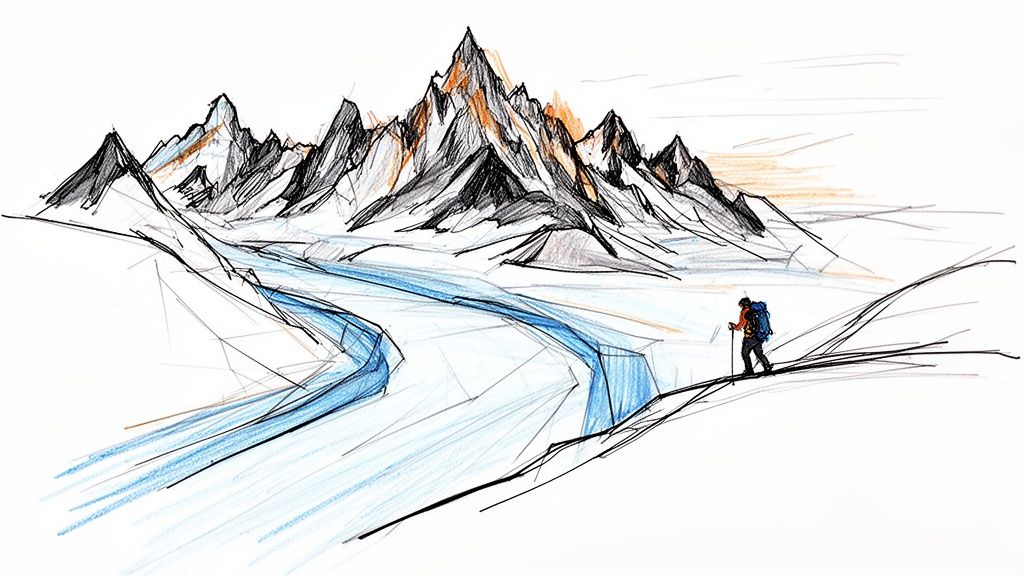
Trade winter’s gloom for the height of summer in Patagonia, an adventurer's dream and one of the best places to travel in January. Spanning southern Argentina and Chile, this rugged wilderness comes alive with up to 17 hours of daylight, offering relatively stable weather for trekking through its dramatic landscapes. January is the perfect time for independent travelers to explore granite spires, sprawling glaciers, and pristine fjords without the holiday rush of late December.
Immersive Cultural Experiences
To connect with the soul of Patagonia, look beyond the popular trailheads. Instead of a standard hotel, book a stay at a traditional estancia (ranch). Here you can immerse yourself in authentic gaucho culture, learn about their horsemanship traditions, and share meals prepared over an open fire. For a taste of local life, visit the small town of El Chaltén and spend an evening at a local parrilla (steakhouse). These community hubs are where trekkers and locals mingle, sharing stories over incredible food. A few basic Spanish phrases will go a long way in these rural areas.
Off-the-Beaten-Path Exploration
While the W Trek in Torres del Paine is iconic, the lesser-known O Circuit provides a more complete and solitary circumambulation of the Paine Massif. For a glacier experience away from the crowds at Perito Moreno, consider a guided trek on the more remote Upsala Glacier, accessible via a boat journey across Lago Argentino. In Chile, skip the main hubs and explore the Carretera Austral, a remote highway that winds through untouched national parks, hanging glaciers, and tiny fishing villages.
A Local Guide's Perspective
"Don't rush your itinerary. The Patagonian wind, or viento, dictates everything here. Build in extra days for weather delays. This flexibility allows you to seize clear windows for big hikes and appreciate the quiet moments when the clouds roll in." - A local mountain guide from El Chaltén.
Actionable Tips for Your Trip
- Book Treks Months Ahead: Permits and beds in refugios (mountain huts) for famous treks like the W or O Circuit sell out 2-3 months in advance. Secure your spots online early.
- Pack for All Seasons: Patagonian weather is notoriously unpredictable. Pack layers, including a waterproof jacket and thermal underwear, even if the forecast looks sunny.
- Hire a Local Guide: For challenging trails or glacier trekking, hiring a certified local guide enhances safety and directly supports the regional community.
- Embrace Flexibility: High winds can cancel boat trips and close trails. Keep your plans fluid and have backup activities, like exploring local breweries or museums.
5. Morocco
Trade winter blues for the vibrant hues of Morocco, a destination that shines as one of the best places to travel in January. The mild, sunny days are perfect for exploring bustling medinas and vast desert landscapes without the intense heat of summer or the peak season crowds of spring and fall. For independent travelers, January offers a comfortable and authentic window into Morocco’s rich Islamic culture, ancient cities, and legendary hospitality.
Immersive Cultural Experiences
To truly experience Moroccan life, immerse yourself in the rhythm of the medina. Instead of just shopping in Marrakech's Jemaa el-Fna, sign up for a cooking class in a traditional riad to learn the secrets of tagine. In Fez, hire a licensed local guide to navigate the labyrinthine alleys, leading you to hidden artisan workshops and community bakeries where locals bake their daily bread. Staying in a family-run riad provides a deeper connection than a hotel, and visiting a local hammam (public bathhouse) is a profound cultural experience.
Off-the-Beaten-Path Exploration
While many tourists head to Erg Chebbi, the dunes of Erg Chigaga offer a more remote and less commercialized Sahara experience, requiring a longer 4x4 journey but rewarding you with pristine sandscapes. For a coastal alternative to tourist-heavy Agadir, explore the laid-back fishing town of Essaouira, with its windswept ramparts and thriving local arts scene. Or, venture into the Anti-Atlas Mountains to discover traditional Berber villages and painted rock formations near Tafraoute.
A Local Guide's Perspective
"Don't just eat at restaurants with menus in five languages. Ask your riad owner for the name of their favorite 'hole-in-the-wall' spot. That's where you'll find the best, most authentic food for a fraction of the price. The real flavor of Morocco is in these small, family kitchens." - A Marrakech-based food blogger.
Actionable Tips for Your Trip
- Dress Modestly: Respect local customs by covering your shoulders and knees, especially when visiting religious sites or in more conservative areas. A light scarf is a versatile accessory for women.
- Negotiate Respectfully: Bargaining in the souks is expected. Start with a friendly attitude, offer about half the asking price, and be prepared to meet in the middle. Always accept the offered mint tea; it is a gesture of hospitality.
- Use Local Guides: Hire official, licensed guides in major medinas like Fez and Marrakech. They can help you avoid scams, find hidden gems, and provide invaluable cultural context.
- Carry Small Cash: While cards are accepted in modern establishments, cash (Moroccan Dirham) is essential for small shops, food stalls, and tips. Carry small denominations for easier transactions.
6. Portugal (Lisbon, Porto, Algarve)
For those seeking a European escape without the winter deep freeze or summer crowds, Portugal is one of the best places to travel in January. This month offers a uniquely authentic experience with mild, crisp weather, sun-filled days, and significantly lower prices. It’s the perfect time for independent travelers to explore historic cities, savor world-class cuisine, and connect with the country’s warm, welcoming culture at a relaxed pace. From Lisbon's tiled alleys to Porto's riverside charm, January reveals a quieter, more intimate side of this Iberian gem.
Immersive Cultural Experiences
To truly experience Portugal, dive into its neighborhood culture. Instead of just a quick photo of Belém Tower, spend an afternoon in Lisbon's Príncipe Real district, exploring its independent boutiques. For an authentic culinary deep-dive, visit a local tasca (a traditional, family-run eatery) for lunch and ask for the prato do dia (dish of the day) to eat alongside locals. In Porto, attend a traditional tile-painting workshop to learn the art of azulejos, a craft deeply woven into the nation's identity. Learning a few essential Portuguese phrases will be met with genuine appreciation.
Off-the-Beaten-Path Exploration
While the Douro Valley is famous, consider exploring the lesser-known Dão wine region for a more rustic and personal tasting experience at family-owned quintas. Instead of the popular Tram 28 in Lisbon, which is often packed, walk the Alfama district's winding streets in the early morning to discover its hidden courtyards and viewpoints. In the south, skip the main Algarve resorts and explore the quieter western coast, visiting fishing villages like Aljezur and enjoying the dramatic, empty beaches.
A Local Guide's Perspective
"Forget the big commercial port houses in Gaia. Cross the Dom Luís I Bridge on foot and find the small, independent cellars on the side streets. The tours are more personal, the tastings are better, and you'll learn far more about the real tradition of port wine." - A Porto-based sommelier.
Actionable Tips for Your Trip
- Embrace Public Transport: Lisbon and Porto have excellent, affordable metro and bus systems. Buy a rechargeable transit card (Viva Viagem in Lisbon, Andante in Porto) to easily navigate the cities.
- Eat at Tascas and Pastelarias: For the most authentic and budget-friendly meals, eat where the locals do. Tascas offer incredible value for lunch, while pastelarias (pastry shops) are the heart of daily life for coffee and snacks.
- Book Small-Group Tours: When visiting wine regions or historical sites, opt for tours run by small, local operators. You’ll get a much more in-depth and personal experience than with large commercial companies.
- Use Regional Trains: Portugal’s regional train network is scenic, efficient, and inexpensive. It’s the perfect way to take day trips to charming towns like Sintra, Cascais, or Guimarães without needing a car.
7. Vietnam
January offers a golden window to explore Vietnam, one of the best places to travel in January for its perfect blend of culture, adventure, and value. With cool, dry weather sweeping across the country from north to south, conditions are ideal for everything from trekking in the mountains to exploring ancient cities. This month provides a comfortable climate before the heat and humidity rise, making it perfect for independent travelers eager to experience Southeast Asia’s dynamic energy and incredible local hospitality.
Immersive Cultural Experiences
To truly grasp Vietnam's soul, dive into its street-level culture. Instead of just visiting major temples in Hanoi, join a locally guided street food tour through the Old Quarter. You’ll discover hidden food stalls, learn the art of eating pho like a local, and try the city’s famous egg coffee in a family-run cafe. For a deeper cultural connection, arrange a homestay with a hill tribe community in the Sapa region. Participating in daily life and sharing meals offers an authentic perspective that larger hotels cannot provide. A few basic Vietnamese phrases will be met with warm smiles.
Off-the-Beaten-Path Exploration
While Halong Bay is a major draw, you can escape the large cruise ships by hiring a smaller, local boat to explore the less-trafficked Lan Ha Bay or Bai Tu Long Bay. For an even bigger adventure, consider renting a motorbike and tackling the Ha Giang Loop in the far north. This legendary route offers some of the most dramatic mountain scenery in Southeast Asia and a profound sense of freedom. In central Vietnam, explore the imperial tombs outside Hue by bicycle instead of taking a bus tour.
A Local Guide's Perspective
"The best food is never in the fancy restaurants. Look for the small plastic stools on the sidewalk. If it’s crowded with locals, especially in the early morning, you know you’ve found something special. Don’t be afraid to point and smile; it’s the universal language of food." - A Hanoi-based chef.
Actionable Tips for Your Trip
- Embrace Local Transport: Use the Grab app (Southeast Asia’s Uber) for fair-priced rides in cities. For long distances, overnight trains are an affordable and authentic way to travel between regions while saving on a night's accommodation.
- Eat Smart: Stick to street food stalls and small restaurants bustling with locals for the most authentic and delicious meals. Always drink bottled or filtered water and carry a reusable bottle to refill.
- Book Locally: Rent motorbikes from local shops rather than tourist agencies for better prices and to support small businesses. Likewise, hire local guides for historical sites to gain deeper insights and contribute directly to the community.
- Respectful Dialogue: When discussing the Vietnam War, approach the topic with sensitivity. Listen to local perspectives to understand its complex and lasting impact from their point of view.
8. Indonesia (Bali, Java, Flores)
For travelers who prioritize authenticity over perfect weather, Indonesia is one of the best places to travel in January. While it’s the wet season, the trade-off is dramatically fewer tourists, lush emerald landscapes, and significantly lower prices. This is the ideal time for independent travelers to explore Bali’s spiritual heart, Java’s ancient wonders, and Flores’s rugged beauty with a sense of genuine discovery and a deeper connection to local life.
Immersive Cultural Experiences
To experience the real Indonesia, venture beyond the tourist-heavy restaurants in Seminyak. Instead, eat at a local warung (small family-owned eatery) to savor authentic Indonesian flavors like nasi campur. In Bali, participate in a Balinese cooking class hosted in a local family’s home compound, which offers a powerful glimpse into their daily customs and spiritual practices. Learning a few basic Indonesian phrases shows immense respect. Simple greetings like "Selamat pagi" (good morning) and "Terima kasih" (thank you) can transform interactions.
Off-the-Beaten-Path Exploration
Instead of joining the crowds at Bali's southern beaches, hire a local driver to explore the island's central highlands, discovering hidden waterfalls and serene rice paddies around Munduk. On Java, while Borobudur is a must-see, arrange to visit at dawn with a local guide before the tour buses arrive. For a true adventure, skip the more developed islands and head to Flores to arrange a multi-day boat trip to see the Komodo dragons and snorkel over pristine reefs, often with just your guide and a boat crew.
A Local Guide's Perspective
"Don't fear the rain. Showers are usually short and intense, cooling everything down. Use that time to sit in a local coffee shop, talk to people, and watch the world go by. The best experiences happen when you slow down and embrace the rhythm of the season." - A local guide from Ubud.
Actionable Tips for Your Trip
- Hire Local Guides: For temples like Prambanan or treks like Mount Bromo, a local guide provides invaluable cultural context and ensures your money directly supports the community.
- Respect Temple Etiquette: Always dress modestly by covering shoulders and knees (sarongs are often available to borrow). Remove your shoes before entering and never point the soles of your feet at sacred objects.
- Embrace Scooter Culture: Renting a scooter from a local family-run shop rather than a large tourist agency is often cheaper and a fantastic way to explore. Ensure you have an international driving permit and always wear a helmet.
- Choose Homestays: Opt for a homestay (losmen) over a large hotel. This provides an unparalleled opportunity for cultural immersion and directly supports local families.
9. Argentina (Buenos Aires, Mendoza, Córdoba)
Embrace the heart of South American summer by visiting Argentina, one of the best places to travel in January for a blend of urban sophistication and natural splendor. With long, warm days perfect for exploration, January offers a vibrant atmosphere as locals enjoy their holiday season. From the tango-filled streets of Buenos Aires to the world-class vineyards of Mendoza, Argentina provides an immersive cultural experience for travelers seeking passion, flavor, and adventure.
Immersive Cultural Experiences
To truly feel the pulse of Argentina, connect with its neighborhood life. In Buenos Aires, instead of just a formal tango show, take a beginners' class and then visit a local milonga (a community dance hall) in neighborhoods like Almagro to see the real art form. In Mendoza, arrange a private cooking class focused on asado (traditional barbecue) to learn the secrets of this cherished social ritual. Learning a few key Spanish phrases like "¿Cómo andás?" (How are you?) will show respect and open doors to warmer interactions.
Off-the-Beaten-Path Exploration
While the colorful Caminito street in La Boca is a must-see, spend an afternoon exploring the lesser-known San Telmo Market on a weekday for a more authentic feel, or wander the quiet, cobblestoned passages of Pasaje de la Piedad. Instead of only visiting large-scale wineries in Mendoza, hire a local guide to take you to smaller, family-run bodegas in the Uco Valley for more intimate tastings and personal stories. For an urban escape, take a day trip to the Tigre Delta, a unique network of rivers and islands best explored by local water taxi.
A Local Guide's Perspective
"Don't just eat at the famous parrillas. The best steak is often at a neighborhood hole-in-the-wall or a family asado. If you get an invitation to one, go! It's the heart of our culture. Also, dinner starts after 9 PM, so embrace the late-night lifestyle." - A Buenos Aires local.
Actionable Tips for Your Trip
- Dine Like a Local: Lunch is the main meal, often enjoyed between 1 PM and 3 PM. Plan for late dinners, as restaurants rarely get busy before 9:30 PM.
- Navigate Smartly: In Buenos Aires, use the Subte (subway) for efficient travel. For taxis, use apps like Cabify or book an official radio taxi to ensure fair pricing.
- Embrace the Schedule: Many shops and businesses close for a siesta in the afternoon, especially outside of major commercial centers. Plan your activities accordingly.
- Book Winery Tours Ahead: Mendoza’s top wineries, especially the smaller ones, require advance reservations for tours and tastings. A local guide can help secure these bookings.
10. Greece (Athens, Santorini, Crete, Islands)
Trade summer crowds for authentic tranquility by visiting Greece, one of the best places to travel in January for a culture-rich, budget-friendly escape. While you won't be sunbathing, the mild winter weather (8-13°C/46-55°F) is perfect for exploring ancient ruins without the scorching heat or long lines. January in Greece offers a rare opportunity for unhurried discovery, allowing independent travelers to connect with the country’s profound history and warm local life on a deeper level.
Immersive Cultural Experiences
To experience true Greek hospitality, bypass the tourist-centric tavernas in Plaka. Instead, head to the vibrant neighborhood of Petralona in Athens, where you'll find traditional mezedopoleia (small-plate eateries) bustling with locals. For genuine cultural immersion on the islands, consider joining a winter olive harvest on Crete. Many small, family-run farms offer hands-on experiences, providing insight into an ancient tradition that is the lifeblood of the community. For more helpful phrases, you can learn some basic Greek words.
Off-the-Beaten-Path Exploration
While Santorini is iconic, in January its quietness can be profound. For a more lively off-season island experience, head to Syros in the Cyclades. As the administrative capital, it maintains a vibrant, year-round local culture with stunning neoclassical architecture in its main town, Ermoupoli. Instead of just seeing the Acropolis in Athens, hike up Filopappou Hill at sunrise for an equally stunning view of the Parthenon, but with a fraction of the people. Explore the rugged Mani Peninsula in the Peloponnese, known for its tower houses and wild landscapes.
A Local Guide's Perspective
"Forget the packed island ferries of summer. In winter, take the slow ferry with the locals. You’ll share stories, get tips on the best mainland bakeries, and see a side of Greek travel that tourists rarely experience. It's not just transport; it's part of the adventure." - A local Athenian shop owner.
Actionable Tips for Your Trip
- Check Ferry Schedules: Many inter-island ferry routes operate on a reduced winter schedule. Always confirm timetables in advance and book your tickets, especially for less-frequented islands.
- Embrace Mainland Greece: January is ideal for a road trip through the Peloponnese peninsula. Explore ancient Olympia, the mountain villages of Arcadia, and the fortress of Nafplio without the summer crowds.
- Pack for Layers: The weather can be unpredictable. Pack layers, including a waterproof jacket, warm sweater, and comfortable walking shoes, as you’ll likely experience both sunshine and cool, damp days.
- Cash is Still Useful: While cards are widely accepted in cities, many smaller, family-run establishments in villages and on less-touristy islands still prefer cash, especially in the off-season.
Top 10 January Travel Destinations — Comparison
| Destination | Travel complexity 🔄 | Resources & logistics ⚡ | Expected outcomes 📊⭐ | Ideal use cases 💡 | Key advantages ⭐ | Key cautions 🔄 |
|---|---|---|---|---|---|---|
| New Zealand | 🔄 Moderate — well-developed transport; some routes require advance booking | ⚡ Mid–high cost (peak season); campervan/car useful; book trails 4–6 wks ahead | 📊 High nature/adventure value; long daylight for outdoor activities | 💡 Hikers, photographers, independent adventure travelers | ⭐ Diverse landscapes, strong infrastructure, Māori culture | 🔄 Peak prices; booked trails; occasional summer storms |
| Myanmar (Burma) | 🔄 Moderate–high — limited infrastructure outside hubs; visa planning | ⚡ Low cost but cash-heavy; limited connectivity; hire local guides | 📊 High cultural authenticity and temple photography opportunities | 💡 Culture enthusiasts, photographers, budget independent travelers | ⭐ Fewer Western tourists; rich Buddhist heritage | 🔄 Political sensitivities; slow transport; language barriers |
| Japan (Kyoto, Tokyo, Alps) | 🔄 Low — very efficient transport; winter gear & etiquette required | ⚡ Mid cost; JR Pass may save money; book after New Year travel | 📊 Very high cultural, culinary, and winter-experience quality | 💡 Culture/food lovers, train travelers, onsen seekers, photographers | ⭐ Safety, organization, exceptional food and traditions | 🔄 Cold, short daylight; some rural accessibility limits |
| Patagonia (Argentina & Chile) | 🔄 High — remote, weather-dependent logistics; permits for major treks | ⚡ High cost (flights, guides, refugios); book 2–3 months ahead | 📊 Exceptional wilderness and wildlife encounters; long daylight | 💡 Experienced trekkers and remote-nature adventurers | ⭐ Dramatic landscapes, low tourist density, authentic gaucho culture | 🔄 Rapid weather change; physical demands; limited services |
| Morocco | 🔄 Moderate — medina navigation and bargaining skills useful | ⚡ Low–mid cost; cash preferred in markets; local guides recommended | 📊 High cultural immersion; varied landscapes (cities, desert, mountains) | 💡 Cultural explorers, short regional trips, food and craft enthusiasts | ⭐ Affordable, diverse experiences, strong hospitality | 🔄 Aggressive vendors, haggling fatigue, gender-sensitivity issues |
| Portugal (Lisbon, Porto, Algarve) | 🔄 Low — easy trains and urban mobility; hilly terrain in places | ⚡ Low–mid cost; excellent value; easy intercity trains | 📊 High cultural, wine and culinary payoff with fewer crowds | 💡 Budget-conscious Europe travelers, wine and food seekers | ⭐ Accessibility, great wine/food, friendly locals | 🔄 Short daylight; occasional rain; steep city hills |
| Vietnam | 🔄 Moderate — variable infrastructure; motorbike traffic can be chaotic | ⚡ Very low cost; strong value; use Grab/local guides | 📊 High food/culture experience and varied landscapes | 💡 Budget travelers, foodies, backpackers, motorbike adventurers | ⭐ Exceptional value, welcoming locals, street-food culture | 🔄 Traffic hazards, scams in tourist areas, air quality issues |
| Indonesia (Bali, Java, Flores) | 🔄 Moderate — inter-island travel logistics; wet-season variability | ⚡ Low cost; great value; flexible planning rewards travelers | 📊 High cultural diversity and lush wet-season landscapes | 💡 Flexible independent travelers seeking culture and low crowds | ⭐ Low prices, temples, volcanic and marine diversity | 🔄 High humidity/rain; some activities weather-dependent |
| Argentina (Buenos Aires, Mendoza, Córdoba) | 🔄 Low–moderate — cities easy; some safety and local timing factors | ⚡ Mid cost; inflation affects prices; book popular spots in advance | 📊 High culinary and urban cultural returns; strong wine tourism | 💡 Food & wine lovers, nightlife and neighborhood explorers | ⭐ World-class steak/wine, vibrant cultural scene | 🔄 Peak-season crowds, petty crime risk, Spanish often needed |
| Greece (Athens, Islands) | 🔄 Low — straightforward mainland travel; island timetables reduced | ⚡ Low–mid cost; good off-season value; ferries run less frequently | 📊 High archaeological and local-cultural access with few crowds | 💡 History lovers, slow-paced island exploration, off-season travelers | ⭐ Reduced crowds, great value, accessible sites | 🔄 Reduced ferry schedules; some seasonal closures |
Your Next Meaningful Journey Starts Here
January is more than just the first month on the calendar; it's a blank page, a unique window of opportunity to set the tone for the year ahead. This list of the best places to travel in January was designed not just to inspire you with destinations, but to equip you with a new mindset for exploration. Whether you're chasing the midnight sun in Patagonia, seeking serene snowscapes in the Japanese Alps, or soaking in the quiet, sun-drenched alleys of a Greek island, the true magic lies in how you engage with the place itself.
Moving beyond the standard tourist checklist is the core of transformative travel. It’s about choosing a local eatery in Lisbon over a global chain, learning a few phrases in Vietnamese, or understanding the cultural significance of a Moroccan riad. Each destination we’ve explored, from New Zealand to Argentina, offers countless avenues for this deeper connection. The goal is to return home not just with photos, but with stories, perspectives, and a genuine appreciation for the culture you were a guest in.
From Inspiration to Action: Crafting Your January Itinerary
So, how do you translate this inspiration into a tangible plan? The first step is to redefine your travel goals. Instead of asking "What sights do I want to see?", try asking "What experiences do I want to have?" This simple shift opens up a world of possibilities.
- Embrace Hyper-Local Planning: Once you've chosen a destination, like Indonesia or Myanmar, dive into neighborhood-specific blogs, local artist communities, or food forums. Look for the small, family-run warungs in Bali or the teahouses in Mandalay that locals frequent.
- Prioritize People Over Places: Consider booking experiences that facilitate interaction. This could be a cooking class in a local's home in Kyoto, a guided trek with a Patagonian gaucho, or a craft workshop in a Moroccan medina. These are the moments that create lasting memories.
- Build Flexibility into Your Schedule: The most authentic experiences are often unplanned. Leave room in your itinerary to wander, to accept a spontaneous invitation, or to spend an entire afternoon in a cafe simply observing daily life. This is where the true character of a place reveals itself.
The Lasting Impact of Immersive Travel
Choosing to travel this way does more than just enhance your own journey; it creates a positive ripple effect. By supporting local businesses, respecting cultural norms, and engaging with communities on their own terms, you become a partner in sustainable tourism. You help preserve the very authenticity that drew you there in the first place.
As you prepare for your authentic escape to these incredible January destinations, remember to equip yourself with essential knowledge for a worry-free trip. A well-prepared traveler is a confident and respectful one, so reviewing essential tips for safe travels is a crucial step in your planning process. This foundation of preparedness allows you to fully immerse yourself in the experience, knowing you've covered the practicalities.
Ultimately, the best places to travel in January are not just dots on a map but living, breathing communities waiting to be discovered. Let this be the year you trade surface-level sightseeing for meaningful connection, and transform your vacation into a truly unforgettable journey.
Ready to plan a trip that goes beyond the guidebook? CoraTravels provides curated guides from local insiders, helping you uncover the hidden gems and authentic experiences in these destinations and more. Start building your next meaningful adventure with us at CoraTravels.