🇦🇩 Andorra
Andorra Travel Guide - The Tiny Pyrenees Co-Principality That Lives by Its Own Rules
1 destinations · Budget level 2
Overview
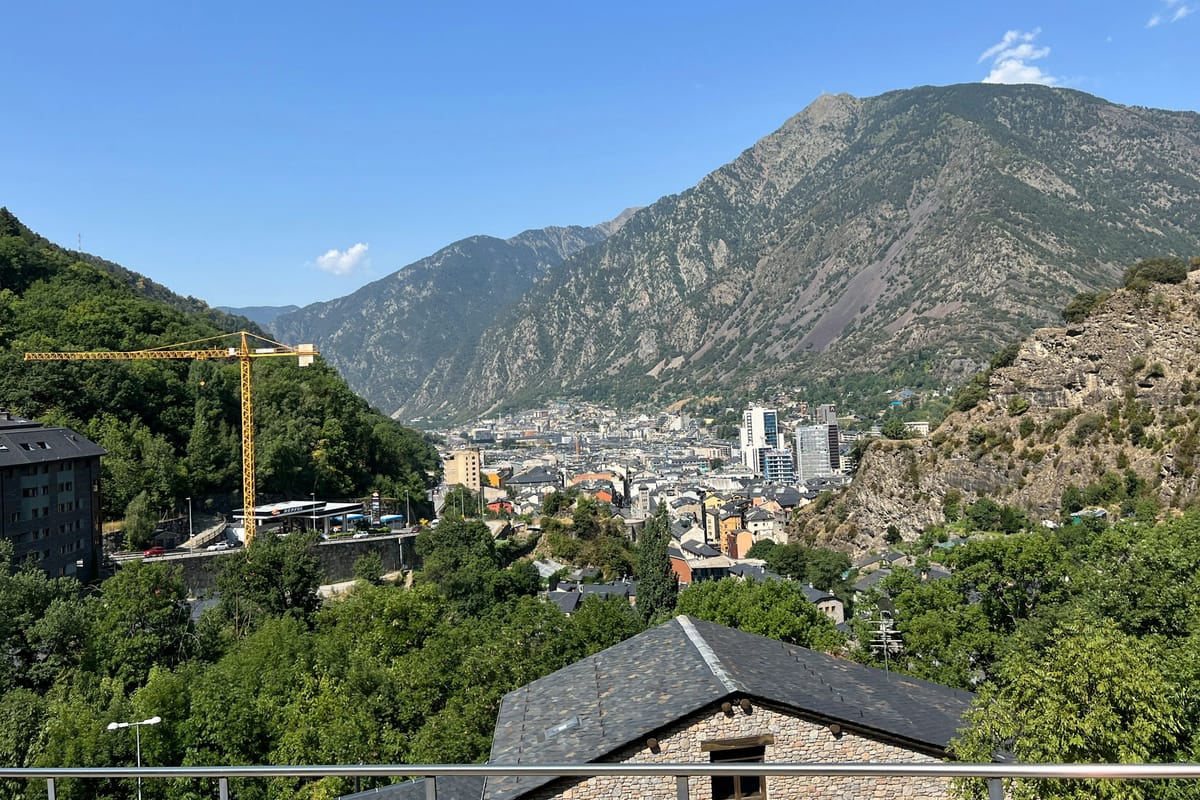
Andorra is the world's sixth-smallest country — 468 square kilometers of Pyrenean valleys tucked between France and Spain, with a capital city at 1,023 meters above sea level that is both the highest capital in Europe and one of the most commercially active places on the continent. The country runs on a medieval governance model (two co-princes, one a French president and one a Spanish bishop) that was established in 1278 and continues without irony in the 21st century. The official language is Catalan — not Spanish, not French — and Andorrans will gently but firmly correct you if you treat their country as a satellite of either neighbor.
The economic model is built on consumption. Andorra's IGI tax (the equivalent of VAT) sits at just 4.5% versus the 20-21% in surrounding EU countries, making everything from perfume and spirits to electronics and tobacco significantly cheaper than anywhere across either border. This has shaped the country's infrastructure, its identity as a destination, and its relationship with the 10+ million visitors who pass through each year — a remarkable figure for a nation of approximately 77,000 residents.
Beneath the commercial surface, Andorra is a genuinely ancient Pyrenean civilization. Romanesque churches from the 12th century dot the seven parishes. The Madriu-Claror-Perafita Valley, covering nearly 10% of Andorra's total territory, is a UNESCO World Heritage Site recognized for how mountain peoples have sustained a pastoral civilization in this high-altitude landscape for centuries. The Barri Antic (Old Town) of Andorra la Vella preserves narrow granite streets and medieval stone buildings that predate the duty-free economy by centuries. Traditional bordas (stone farmhouse restaurants) serve mountain food — escudella stew, trinxat potato and cabbage, slow-roasted lamb — that traces directly to the pastoral economy this land supported for a thousand years before the shopping began.
Ski culture is central to modern Andorran life. Grandvalira, the largest ski resort in the Pyrenees, is accessible year-round from the capital and is the country's other economic pillar after retail. Locals hold season passes and treat skiing the way urban Europeans treat gym memberships — casual, frequent, and expected. In summer, the same mountains become hiking and trail running territory, with the trail running community growing year by year.
Andorra belongs to nobody's mental category neatly. It is not a French village. It is not a Spanish town. It is not a principality of princes in the romantic sense (neither co-prince lives here). It is a small, Catalan-speaking, high-altitude mountain country that has survived eight centuries of pressure from larger neighbors by being just useful enough to both of them that neither one absorbed it. That durability, that quiet stubbornness, is the most Andorran thing about Andorra.
Travel tips
Language First: The official language is Catalan, and Andorrans notice when visitors make the effort. 'Gràcies' (GRAH-syehs) and 'Bon dia' (bon DEE-ah) earn instant goodwill. Spanish is widely understood and will get you everywhere; French is useful in upscale establishments and near the French border town of El Pas de la Casa. Calling it 'basically Spanish' will get a polite correction.
Know Your Customs Limits: When re-entering France or Spain (both EU), the limit is €430 worth of goods per adult (€150 for under-15s). Border officers enforce this routinely, particularly for tobacco and spirits. Locals know the number from memory. Calculate your purchases before the border crossing, not at it.
Open on Sundays: Unlike France and Spain, shops in Andorra are open seven days a week. This is the foundation of the weekend shopping tourism economy. If you're visiting specifically to shop, weekdays are dramatically less crowded.
No Airport, Plan Your Arrival: There is no airport and no train station. Arrive by bus from Barcelona El Prat (3.5 hours, ~€30-35), Toulouse Blagnac (3 hours, ~€25-30), or Lleida (2 hours with connection from high-speed rail). Taxis from Barcelona airport cost €130-150. Book transport in advance for ski season and August.
Altitude Adjustment: The capital sits at 1,023 meters. First-day fatigue, quicker alcohol effect, and higher UV exposure are real. Sunscreen year-round, even in winter. Acclimatize before attempting serious mountain hiking.
Borda vs. Restaurant: The finest traditional Andorran food is served at bordas — converted stone farmhouses. If you want escudella or genuine trinxat, eat at a borda, not a tourist restaurant on Avinguda Meritxell. The quality difference is substantial.
Cultural insights
Andorran cultural identity is built around the Catalan language, a deep sense of mountain independence, and an unusually pragmatic relationship with commerce. Andorrans are the only fully self-governing Catalan people in the world — Catalonia is an autonomous region of Spain, but Andorra is a sovereign state, and this distinction matters enormously to locals who trace their cultural lineage through the Pyrenean Catalan tradition rather than through Madrid or Paris.
The co-principality structure is genuinely medieval in origin. In 1278, the bishop of Urgell and the count of Foix signed a *paréage* (joint sovereignty agreement) that resolved a long territorial dispute. The count's rights eventually passed to the kings of Navarre and then to the kings of France, meaning that since 1607, the French head of state has been an Andorran co-prince. Today that means Emmanuel Macron technically holds a feudal title over a Pyrenean principality — a situation both countries handle with dignified bemusement.
Andorrans are acutely aware that they are a minority in their own country. With only about 48% of residents holding Andorran nationality (the rest are predominantly Spanish, Portuguese, and French workers and long-term residents), there is a quiet cultural protectiveness around Andorran traditions, the Catalan language, and the legal distinctions that separate an Andorran citizen from a Spanish worker who has lived here for twenty years.
Mountain life shapes the cultural calendar: skiing dominates November through April, hiking and outdoor culture fills May through October, and the borda restaurant culture — communal, generous, centered on hearty mountain food and long meals — persists year-round as the primary social architecture. The Festa Major of Andorra la Vella (August 1-4) with its traditional Esbart Dansaire folk dancing, giant puppets, and contrapàs circle dances is the most emotionally significant secular event in the local calendar. Meritxell Day (September 8), honoring the national patron saint, is the moment when commercial Andorra pauses and something older surfaces.
The relationship with neighboring cultures is complex. Andorrans consume Spanish football, French wine philosophy, and Catalan literature simultaneously, while maintaining a firm insistence that their own traditions — the borda culture, the embotits and escudella food heritage, the Romanesque church architecture, the ratafía liqueur made from mountain herbs — represent something distinct from all three.
Best time to visit
Winter-Ski Season (December-March): The primary draw for many visitors. Grandvalira ski resort is one of the Pyrenees' largest, with guaranteed snow above 1,800m. The capital experiences cold temperatures (-5°C to 5°C) and occasional snowfall. Accommodation and lift passes should be booked 2-3 months in advance for December-January peaks. Mountain gear essential.
Spring (April-May): Transitional and beautiful. Snow retreats up the mountain slopes, hiking trails open progressively, and café terraces reappear in the Barri Antic by mid-April. Temperatures climb from 5°C to 18°C. Ski season overlap in early April means some trails and ski runs are available simultaneously — the classic Andorran paradox.
Summer (June-August): Peak commercial tourism season. Pleasant temperatures of 15-28°C, with cool evenings requiring a jacket. The Festa Major (August 1-4) is the cultural highlight of the year. Grandvalira becomes a bike park and hiking hub. Accommodation expensive and scarce — book early. Weekend crowds from Barcelona and Toulouse fill the shopping avenues.
Autumn (September-November): The connoisseur's choice. Crisp air at 5-18°C, spectacular mountain colors, Meritxell Day (September 8) national holiday, and the Andorra Taste gastronomic festival in November. Fewer tourists, restaurant bookings easier, and the mountain light in October is exceptional for photography. First snowfall arrives in November, signaling the start of the ski season buildup.
Getting around
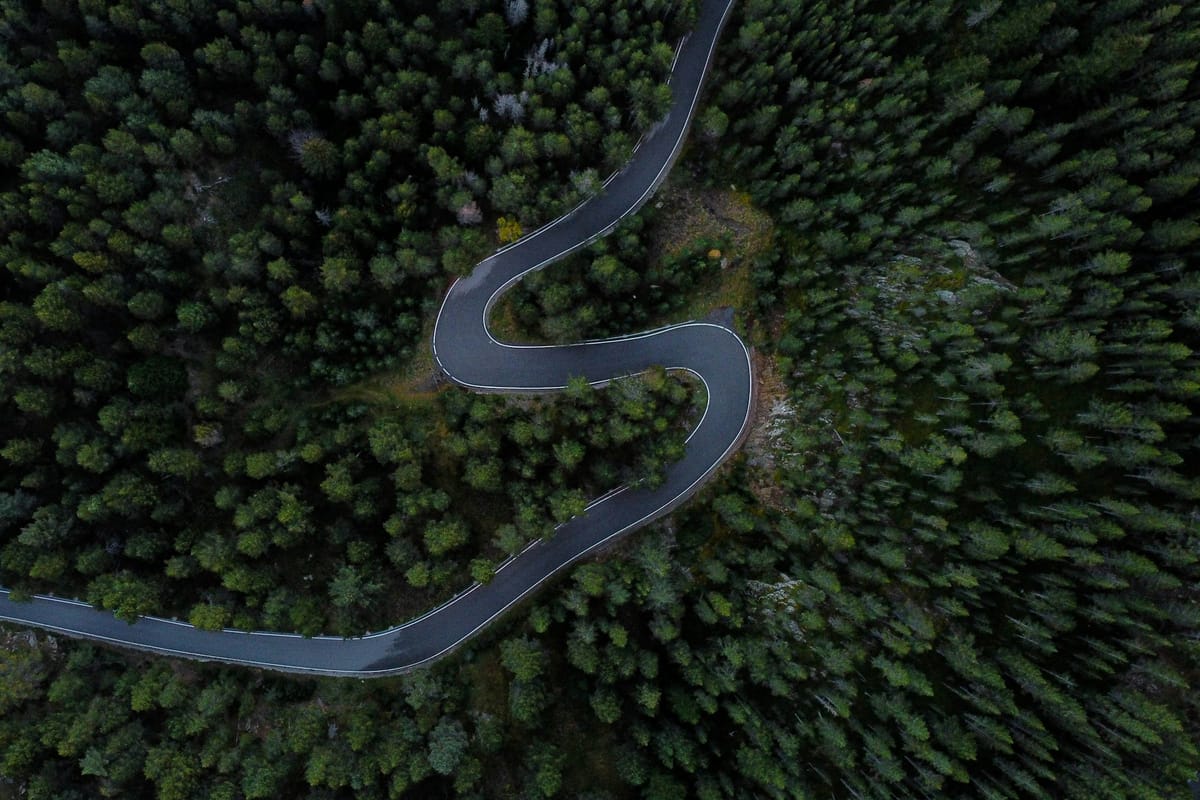
No Motorway, No Train, No Airport: Andorra is accessible only by road through mountain passes. The CG-1 (from Spain via La Seu d'Urgell) and CG-2 (from France via Pas de la Casa) are the two main entry roads. Heavy traffic on weekends, particularly in ski season and summer shopping peaks — factor 30-60 extra minutes for border crossings.
International Buses: The primary arrival method for most visitors. Andorra la Vellla direct from Barcelona, departing from El Prat Airport or city center: approximately 3.5 hours, €30-35 each way. Toulouse Blagnac or city center: approximately 3 hours, €25-30 each way. Lleida (AVE high-speed rail connection): approximately 2 hours with bus connection.
City Buses: Urban routes L1 and L2 within Andorra la Vella and between the capital and Escaldes-Engordany are largely free for residents with a resident card; tourists pay under €2 per journey. Mountain routes connecting the parishes to ski resorts run year-round and cost under €4.
Taxis: Minimum fare €2.35; daytime rate €1.02/km; night and holiday rate €1.22/km. No rideshare apps — call or hail from the street. Airport runs to Barcelona: €130-150 flat rate, negotiate before entering.
Car Rental: Available from €30-50/day. Essential for exploring beyond the capital — bordas outside the city, mountain parishes, and border towns like El Pas de la Casa. Fuel is significantly cheaper than in France or Spain (approximately €1.36/L vs €1.60-1.80 across borders). Underground car parks near Avinguda Meritxell are easier than street parking.
Budget guidance
Andorra sits at mid-range for Western Europe by accommodation and activity costs, but significantly below EU norms for consumer goods, food staples, tobacco, and alcohol.
Budget Travel (€50-80/day): Hostel or basic guesthouse €40-65/night, supermarket meals and bakery snacks (coca slices €2-4, local bread €1.29/500g), borda lunch with shared escudella €15-20/person, bus transport under €2/journey, Rec del Solà hike (free).
Mid-Range (€90-160/day): Mid-range hotel €80-130/night, full borda lunches and dinners €20-30/person, Caldea thermal spa €35-45 for classic access, Grandvalira ski day pass €35-50, Carmen Thyssen Museum €9-12.
Comfort (€160-250/day): 4-star hotel €130-200/night, Caldea Inúu adults-only section €60-80, multi-day ski pass, fine dining with wine pairing, guided mountain experiences.
Representative prices: Cappuccino €2; draft beer (0.5L) €2.80; inexpensive restaurant meal €15; mid-range dinner for two with wine €45-55; groceries 15-30% cheaper than France/Spain; spirits 30-40% cheaper; tobacco roughly 50% cheaper than EU countries.
Language
Catalan is the sole official language of Andorra and the mother tongue of Andorran nationals. It is a distinct Romance language in the same family as French, Spanish, and Italian — comprehensible to Spanish speakers with effort, largely opaque to French speakers at first encounter.
Spanish (Castilian) is spoken by the majority of the working population and is the practical lingua franca in shops, restaurants, and service contexts. French is used in upscale retail and near the French border. English is widely understood in the tourism sector and by younger residents.
Essential Catalan phrases: 'Bon dia' (bon DEE-ah) = good morning; 'Bona tarda' (BOH-nah TAR-dah) = good afternoon; 'Gràcies' (GRAH-syehs) = thank you; 'De res' (deh REHS) = you're welcome; 'Si us plau' (see oos PLAW) = please; 'Quant costa?' (kwant KOS-tah) = how much?; 'On és?' (on EHS) = where is it?; 'Molt bo!' (molt BOH) = very good!
Using even one Catalan word visibly pleases locals. Saying 'gràcies' instead of 'gracias' signals that you understand something about where you are — and Andorrans appreciate being distinguished from their larger neighbors.
Safety
Andorra is one of Europe's safest destinations with extremely low crime rates. The Cos de Policia d'Andorra (national police) maintains visible presence in the commercial areas. Petty theft is rare compared to major European tourist cities.
Emergency number: 110 (police), 118 (ambulance/fire), 112 (general EU emergency).
Mountain safety: The surrounding mountains are serious Pyrenean terrain. Inform someone of your route before hiking; trail conditions change rapidly; weather can deteriorate within hours. The Servei Meteorològic Nacional provides detailed mountain weather forecasts in Catalan, Spanish, and French. Altitude (1,000-2,900m range) means faster UV exposure and quicker dehydration — carry sunscreen and more water than you think necessary.
Border crossing: Arriving from France or Spain, you pass through Andorran customs (entering) and then EU customs (exiting). Both are routine. Exceed the €430 goods limit and you face customs duties plus potential fines; border officers are experienced at identifying over-limit purchases.
Driving mountain roads: The CG-1 and CG-2 passes require appropriate vehicle and tyre choices in winter. Snow tyres or chains are legally required on mountain roads when conditions demand. Winter road closures are rare but do occur in extreme weather — check Andorra road conditions at mobilitat.ad before departure.
Health: Tap water is safe and excellent quality throughout Andorra. The SAAS (national health system) provides emergency care. Travel insurance is strongly recommended — the nearest major hospital with specialist services is in Barcelona or Toulouse for serious cases.
Money & payments
Euro (€) — Andorra is not an EU member but uses the euro under a monetary agreement. IGI (Impost General Indirecte) is the local equivalent of VAT at just 4.5% on most goods and services, compared to 20-21% in France and Spain. This differential is the foundation of the entire Andorran retail economy.
Payment: Credit and debit cards accepted everywhere including small cafés, market stalls, and ski lift ticket machines. Contactless payment is the local default. French bank cards occasionally face compatibility issues in some terminals — carry a backup. Cash transactions are increasingly uncommon but ATMs are widely distributed throughout Avinguda Meritxell and commercial areas with no special fees for international cards.
Representative prices: Coffee €2; draft beer (0.5L) €2.80; inexpensive restaurant meal €15; borda lunch €20-28/person; Caldea spa entry €35-45; ski day pass €35-50; budget hostel €40-65/night; mid-range hotel €80-130/night; taxi minimum €2.35.
Duty-free limits for EU re-entry: €430 per adult, €150 for under-15s. Perfumes 15-25% below EU retail; spirits 30-40% below; tobacco approximately 50% below EU countries. Keep receipts — border officers request them routinely for high-value categories.