🇨🇱 Chile
Chile Travel Guide - Where Once Meets Chilenidad Along 4,000km of Pacific Dreams
4 destinations · Budget level 2
Overview
Chile stretches 4,300km along South America's Pacific edge - a geographic ribbon so isolated by Andes mountains, Atacama desert, and Antarctic waters that Chileans developed distinct identity separate from neighboring countries. 'Chilenidad' (Chilean-ness) centers on family, modesty, solidarity, and quiet pride in being Latin America's exception - most stable democracy, lowest corruption, highest development. The concept of 'once' (afternoon tea taken 4-8pm) originated as coded language for aguardiente spirits in British-owned mines, evolving into sacred daily ritual where families gather over bread, avocado, and conversation. Dictatorship trauma (1973-1990) profoundly shapes modern Chile - Pinochet's military coup overthrew elected socialist Allende, disappeared 3,400+ people, tortured thousands, but economic policies created prosperity that still divides Chileans between those who remember horror and those who credit dictatorship for development. Mapuche indigenous people (8.8% of population) never fully surrendered to Spanish colonization, maintaining language and traditions while fighting for land rights in southern Araucanía. Chilean Spanish nearly unintelligible to other Spanish speakers - locals drop syllables, speed through words, sprinkle 'cachai?' (you get it?) and 'po' (well) constantly, use 'weón' (dude/idiot/friend) in every sentence. Regional identities matter - Atacama northerners endure earth's driest desert, Santiago centralists dominate politics and culture, southern Patagonians embrace rugged independence, each region distinct in geography and character. Post-2019 social protests revealed generational divide - young Chileans reject neoliberal inequality inherited from dictatorship era, demanding new constitution and social justice, while older generation fears instability. Chileans value formality, punctuality, family loyalty, and keeping emotions private - reserved compared to passionate Argentinians or casual Brazilians.
Travel tips
Once Ritual: If invited to family once (afternoon tea 4-8pm), expect multi-hour gathering with endless tea, bread with avocado/manjar/ham, locals use it for deep conversations, rushing considered rude. Formal Address: Use 'usted' (formal you) with strangers and elders, Chileans appreciate formality, first names only after invitation, titles (Señor/Señora/Don/Doña) show respect. Earthquake Preparedness: Chile sits on Pacific Ring of Fire, earthquakes frequent and locals unfazed, learn evacuation routes at accommodation, download SENAPRED Alert app, modern buildings earthquake-safe. Political Sensitivity: Avoid casual Pinochet discussions unless locals initiate - dictatorship divides families, 36% believe 1973 coup justified while others mourned relatives, navigate carefully. Mapuche Respect: In southern regions, acknowledge Mapuche territorial claims respectfully, avoid treating indigenous culture as tourist attraction, support authentic Mapuche-run businesses. Chilean Spanish: Learn 'cachai?' (you get it?), 'po' (well), 'weón' (dude), locals speak incredibly fast with unique slang, even fluent Spanish speakers struggle initially, patience required. Terremoto Drinking: At Fiestas Patrias (September Independence celebrations), expect terremoto cocktails (white wine, pineapple ice cream, grenadine), half-size version called réplica (aftershock), locals drink enthusiastically. Time Flexibility: Despite valuing punctuality in business, social gatherings run Chilean time meaning 30+ minutes late acceptable, dinners start late (9-10pm), nightlife begins midnight. Greet Everyone: When entering social gatherings, greet each person individually with handshake or cheek kiss (women), skipping people considered rude. For deeper insights into Chile's cultural heritage, including Spanish colonial architecture and Mapuche traditions, explore the country's diverse historical sites.
Cultural insights
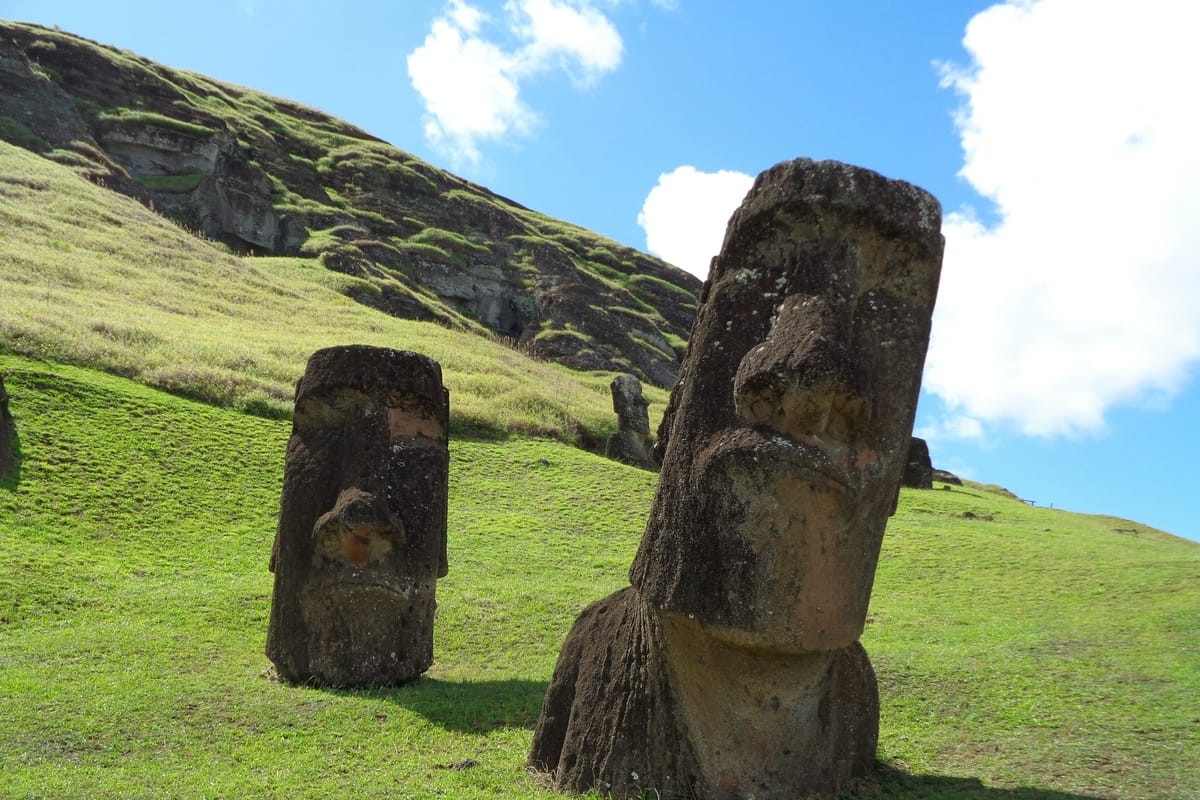
Chilean society revolves around family, Catholic values (though declining among youth), dictatorship memory, and proud exceptionalism within chaotic South America. 'Chilenidad' means orderliness, modesty, hard work, solidarity - Chileans see themselves as punctual, educated, honest compared to stereotypically corrupt neighbors, this self-image creates both pride and superiority complex. Regional identities strong but less visible than geographic homogeneity suggests - northern Atacameños developed desert survival techniques over millennia, central valley agriculturalists shaped traditional culture, southern Mapuche maintained independence until 1880s, Patagonian pioneers embraced isolation. Dictatorship legacy omnipresent - families divided between those who suffered under Pinochet and those who prospered, economic success built on neoliberal policies locals now question, disappearances and torture created silence culture where political discussions remain sensitive. Nueva canción music movement preserved dissent during dictatorship - artists like Víctor Jara tortured and killed, folk music became resistance, guitar and bombo drum symbolized cultural survival. 'Once' afternoon tea ritual sacred - British mining influence created coded language for spirits (aguardiente has 11 letters, hence 'once'), evolved into family gathering with bread, tea, avocado, cheese, locals prioritize this daily connection time. Mapuche cultural resurgence challenging Chilean nationalism - 77% of indigenous people are Mapuche, language (Mapudungun) and spiritual practices (machi shamans) surviving despite suppression, land conflicts in Araucanía ongoing, young Mapuche reclaiming identity. Class divisions persist - wealthy neighborhoods in Santiago look European, población shanties house working poor, middle class expanded but 2019 protests revealed inequality anger, social mobility exists but gaps remain visible. Chilean communication style reserved and formal - locals avoid confrontation, change subjects rather than argue directly, stand close physically but keep emotional distance, public behavior quiet and respectful contrasts with expressive private conversations. Food culture centered on bread and family - Chileans consume second-highest bread per capita globally, every meal includes bread, empanadas de pino (beef, egg, olive) define national identity, asado barbecues unite families, completo hot dogs buried under mayo/avocado/tomatoes. Pisco sovereignty battle with Peru defines national pride - Chileans fiercely defend pisco as Chilean invention, pisco sour considered national drink, locals debate proper recipe seriously, similar cultural pride as Georgia's wine traditions. Football passion borders religious - Colo-Colo, Universidad de Chile, Universidad Católica rivalries split families, 1962 World Cup bronze medal legendary, locals live and die with La Roja national team. Post-2019 social movement generation questions older values - young Chileans reject dictatorship-era individualism, demand education/healthcare rights, challenge Pinochet economic model, creating generational tension with stability-focused elders. Chile's seven UNESCO World Heritage Sites include the iconic moai statues of Rapa Nui (Easter Island), the colorful wooden churches of Chiloé, and the historic quarter of the bohemian port city of Valparaíso.
Best time to visit
Spring (September-November): Perfect weather 12-22°C in Santiago, Atacama nights cold but days ideal, Patagonia awakening with wildflowers, grape harvest in wine valleys (March actually), locals celebrate Fiestas Patrias (Sept 18-19) with asados/terremoto drinks/cueca dancing, shoulder season pricing, fewer tourists. Summer (December-February): Peak season with hot 25-35°C in central Chile, perfect Patagonia trekking weather 10-20°C, Atacama scorching days but stunning stargazing, beaches packed, prices double, locals vacation in January causing city exodus, book Torres del Paine months ahead. Autumn (March-May): Comfortable 15-25°C temperatures, wine harvest festivals (vendimias) celebrate grape picking, autumn colors in Lake District spectacular, fewer crowds than summer, locals return to routines, excellent value, real wine harvest happens now. Winter (June-August): Cold 5-15°C in Santiago with occasional rain, Andes skiing in Valle Nevado/Portillo resorts, Atacama mild days perfect for desert exploration, southern regions wet and chilly, cheapest accommodation, authentic local life without tourists, Santiago air pollution worst in winter valleys. Regional Variations: North (Atacama) year-round destination with summer flamingos, Central (Santiago/Valparaíso) Mediterranean climate pleasant anytime, South (Patagonia/Lake District) best November-March for weather, ski season June-September, each region follows different optimal timing.
Getting around
Metro: Santiago metro cleanest/most efficient in South America, 7 lines cover city comprehensively, locals use Bip! card (CLP 800-890/ride), runs 6am-11pm weekdays, safe and punctual, world-class system Chileans proudly compare to Europe. Buses (Micros): Urban buses throughout cities using Bip! cards, intercity buses excellent quality, companies like Turbus/Pullman connect entire country, semi-cama (reclining) and cama (full bed) options, overnight Santiago-Castro CLP 38,000, locals prefer buses over trains. Trains: Limited rail network, Santiago-Valparaíso route scenic, otherwise trains rare, locals don't use trains like Europeans, infrastructure underdeveloped compared to excellent bus system. Car Rental: Essential for wine valleys, Atacama oases, Patagonia backcountry, roads generally excellent condition (better than Argentina), Pan-American Highway runs entire country length, locals drive respectfully, CLP 25,000-40,000/day, watch for speed cameras. Domestic Flights: LATAM and Sky Airlines connect Santiago to Calama (Atacama), Punta Arenas (Patagonia), Puerto Montt, distances vast so flights save time, locals fly when time-pressed, prices reasonable if booked ahead. Taxis/Ride-sharing: Uber, Cabify, DiDi operate in Santiago, street taxis metered and honest (unlike some neighbors), locals use apps for transparency, airport taxi scams exist so book official services. Ferries: Naviera Austral connects Puerto Montt to Patagonian fjords, Chiloé Island accessible by ferry, Patagonian channels require boat access, locals use for southern remote areas. Cycling: Santiago bike lanes expanding, Valparaíso hilly but bikeable, wine valleys perfect for cycling tours, locals increasingly bike in cities, EuroVelo routes developing.
Budget guidance
Budget Travel (CLP 40,000-60,000 / $45-70 USD/day): Hostel dorms CLP 10,000-16,000, street food completos/empanadas CLP 3,000-6,000, metro/bus transport CLP 2,000-5,000, free museums/beaches, menú del día lunch CLP 5,000-8,000, living like locals. Mid-Range (CLP 60,000-120,000 / $70-130 USD/day): Comfortable hotels/Airbnbs CLP 35,000-60,000, restaurant seafood meals CLP 12,000-25,000, wine tasting tours CLP 20,000-40,000, occasional taxis CLP 5,000-15,000, museum entries CLP 3,000-8,000, mixed local/tourist experiences. Luxury (CLP 120,000+ / $130+ USD/day): Boutique hotels CLP 80,000-250,000, fine dining CLP 30,000-80,000, private wine estate tours, domestic flights, spa treatments, Torres del Paine luxury lodges CLP 200,000+/night, still fraction of US/Europe costs. Regional Price Variations: Santiago moderate, Atacama expensive (water scarcity), Patagonia pricey (remoteness), smaller towns cheap, beaches surge in January, shoulder seasons save 20-30%. Local Currency Advantage: Chile affordable compared to developed countries, locals earn CLP 500,000-800,000/month average, tourist budgets stretch well, quality-to-cost ratio excellent. Money-Saving Tips: Menú del día lunches offer soup/main/dessert under CLP 8,000, drink tap water (excellent quality), use metro over taxis, visit during shoulder seasons, buy empanadas from street vendors not restaurants, stay in neighborhoods not tourist zones.
Language
Chilean Spanish is South American variant notorious for being Latin America's hardest to understand - even native Spanish speakers from other countries struggle with Chilean speed and slang. Locals speak incredibly fast, drop syllables aggressively (especially 's' sounds), use unique vocabulary impenetrable to outsiders. Essential phrases: 'Hola' (hello), 'Gracias' (thank you), 'Por favor' (please), '¿Habla inglés?' (Do you speak English?), but add Chilean flavor: 'Cachai?' (You get it? - from English 'catch'), 'Po' (well - ends most sentences after sí/no), 'Weón' (dude/friend/idiot - context-dependent, most common word you'll hear), 'Bacán' (cool/awesome), 'Al tiro' (right away), 'Cuático' (crazy/intense). English proficiency moderate in Santiago tourism areas and among educated youth, rare in rural regions and smaller towns, older generation speaks little English, German common in southern Lake District from 19th-century immigrant communities. Mapudungun indigenous language spoken by Mapuche communities in south, locals working to preserve it after dictatorship-era suppression discouraged indigenous languages, young Mapuche reclaiming linguistic heritage. Chileans appreciate any Spanish attempts even if you butcher pronunciation - trying shows respect, locals patient with learners despite speaking incomprehensibly fast themselves. Regional accents exist - northern desert Spanish differs from southern Patagonian, but unique slang vocabulary unites all Chileans in equally confusing foreigners.
Safety
Chile very safe by Latin American standards with low violent crime, locals proud of orderliness compared to neighbors, but petty theft exists in tourist areas. Santiago scams target tourists - 'bird poop' scam (liquid squirted, accomplice robs during cleanup), tire slash scam (thieves puncture rental car tire, rob when pulled over), fake taxi meters overcharging, avoid by staying alert and using official services. Drink spiking increasing in Santiago's Suecia/Bellavista nightclub districts - never leave drinks unattended, women especially vulnerable, locals increasingly cautious. Earthquakes frequent and locals completely unfazed by tremors - Chile has world's strictest building codes, modern structures earthquake-safe, download SENAPRED Alert app for tsunami warnings, familiarize with evacuation routes, if strong quake hits coast move to high ground immediately. Pickpockets operate in Valparaíso hills, Santiago metro rush hours, crowded markets - locals keep valuables hidden, tourists obvious targets, use anti-theft bags in crowds. Political protests occasional since 2019 social movement - avoid demonstrations, locals mostly peaceful but police use tear gas/water cannons, protests announced on social media, central Santiago Plaza Italia epicenter. Tap water excellent quality throughout country - locals drink freely, no need for bottled water except Atacama desert where water precious. Emergency numbers: 133 police, 131 ambulance, 132 fire department, 112 general emergency, operators may not speak English. Healthcare quality excellent in private clinics (expensive), public system slow but competent, travel insurance essential, pharmacies (farmacias) well-stocked and knowledgeable. LGBTQ+ travelers generally safe in Santiago/Valparaíso with visible gay communities, more conservative in rural areas, civil unions legal but Catholic influence persists, younger generation accepting. Sun exposure extreme - Chile has world's highest melanoma rates due to ozone hole, locals use high SPF religiously, UV dangerous especially Patagonia/Atacama. Traffic aggressive in Santiago - locals drive assertively but follow rules more than other Latin countries, pedestrian crossings respected, defensive walking required.
Money & payments
Chilean Peso (CLP / $) is currency, not to be confused with US dollar though same symbol used locally. Banknotes come in CLP 1,000 / 2,000 / 5,000 / 10,000 / 20,000, coins in CLP 1 / 5 / 10 / 50 / 100 / 500. Exchange rate approximately CLP 930 = USD 1 (mid-2025), rates fluctuate daily, check current rates before travel. Cards (Visa/Mastercard) widely accepted in cities and tourist areas, locals use cards frequently, contactless payment common, mobile payments (Apple Pay/Google Pay) increasingly popular in Santiago. ATMs abundant in cities, withdraw CLP directly for best rates, inform your bank before travel to avoid blocks, transaction fees vary by bank, locals recommend Banco de Chile/Santander ATMs. US dollars rarely accepted for daily purchases but easy to exchange at casas de cambio (exchange offices) during business hours, euros also exchangeable, bring clean undamaged bills for best rates. Cash essential for rural areas, small markets, street food vendors, local buses outside Santiago - locals still use cash extensively despite card adoption. Typical costs: Coffee CLP 1,500-3,000 ($1.65-3.30), Empanada CLP 1,500-2,500 ($1.65-2.75), Completo (loaded hot dog) CLP 3,000-5,000 ($3.30-5.50), Restaurant meal CLP 10,000-20,000 ($11-22), Pisco sour CLP 4,000-8,000 ($4.40-8.80), Hostel bed CLP 10,000-16,000/night ($11-17.50), Mid-range hotel CLP 40,000-80,000/night ($44-88), Metro ride CLP 800-890 ($0.90-1), Wine bottle (restaurant) CLP 8,000-25,000 ($8.80-27.50). Tipping culture: Restaurants 10-15% expected for good service (sometimes included as 'propina sugerida'), hotels tip bellhops CLP 1,000/bag, housekeeping CLP 2,000/day, tour guides CLP 10,000/day, taxis round up or no tip expected. Budget CLP 40,000-60,000/day ($45-70) living authentically, CLP 60,000-120,000/day ($70-130) comfortable travel, locals earn CLP 500,000-800,000/month average so tourist budgets go far.
Destinations in Chile
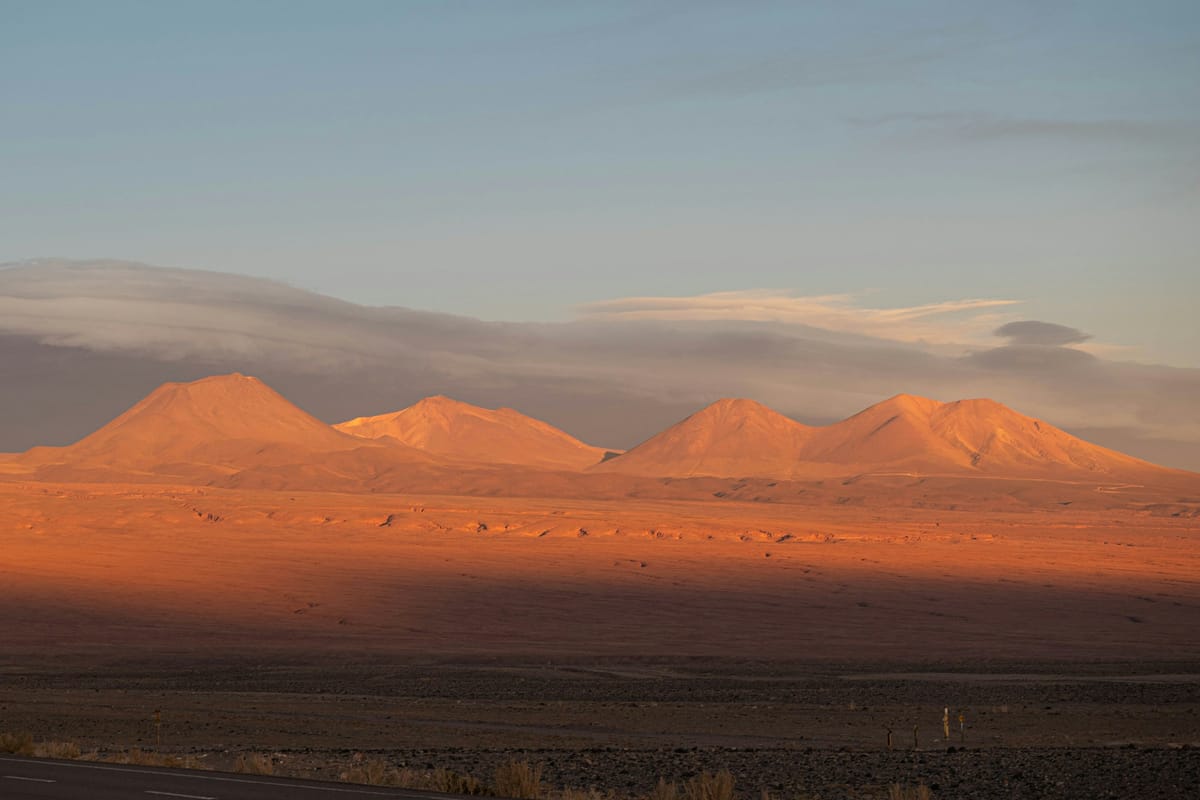
San Pedro de Atacama, South America
San Pedro de Atacama: Mars on Earth, Clearest Skies on the Planet
Adobe Everything: Every building in town, from hostels to the 17th-century church, is built from adobe (sun-dried mud brick) - it keeps interiors cool by day…
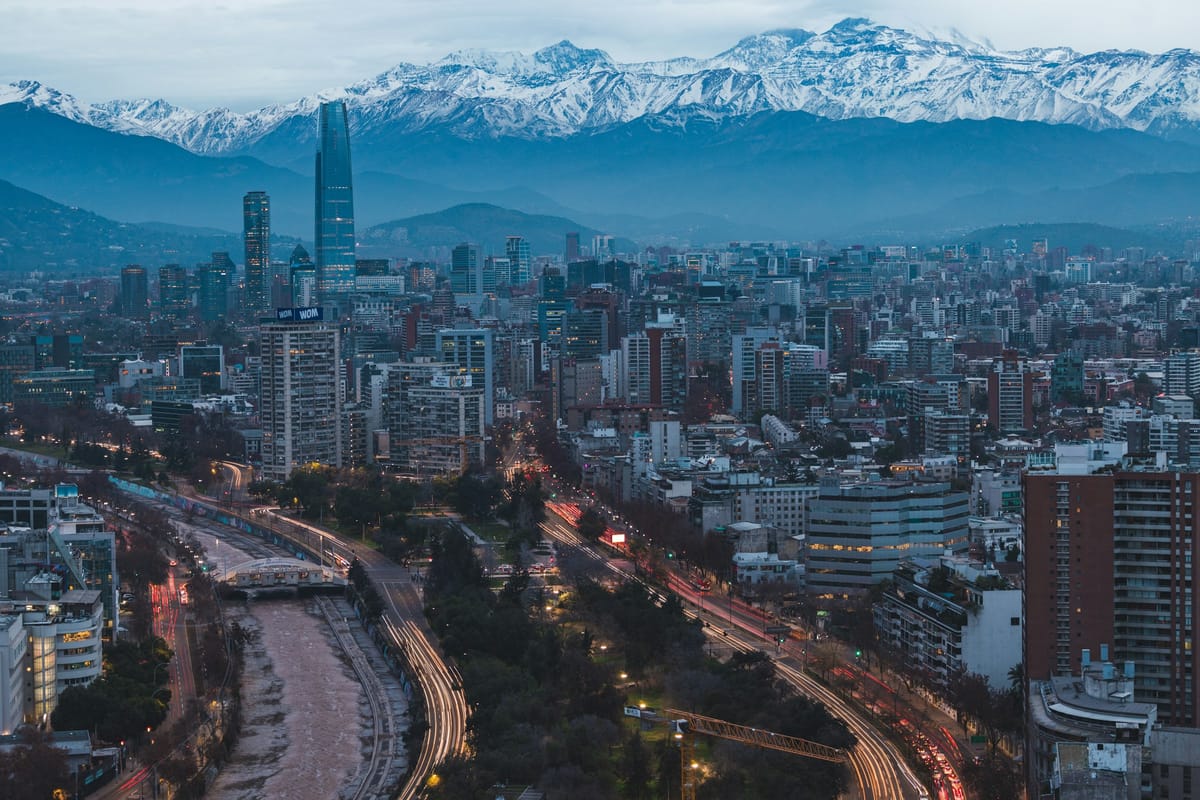
Santiago, South America
Santiago: Andes Shadow & Earthquake Soul
The Andes Disappear: On a clear day the Cordillera looms so close it feels fake, snow-capped peaks rising directly behind office towers - but for weeks each …
Valparaíso, South America
Valparaíso: Hills of Color, Poetry & Port
No Grid, No Mercy: Forget street logic - Valparaíso was built on 45 hills (cerros) with staircases, dead ends, and alleys that double back on themselves. Loc…
Viña del Mar, South America
Viña del Mar: Garden City Pacific Soul
Festival Madness: Every February, the entire city transforms for Festival de Viña - locals call the audience 'El Monstruo' (The Monster) because they're brut…