🇬🇺 Guam
Guam Travel Guide - Where Inafa'maolek Meets the Western Pacific
1 destinations · Budget level 3
Overview
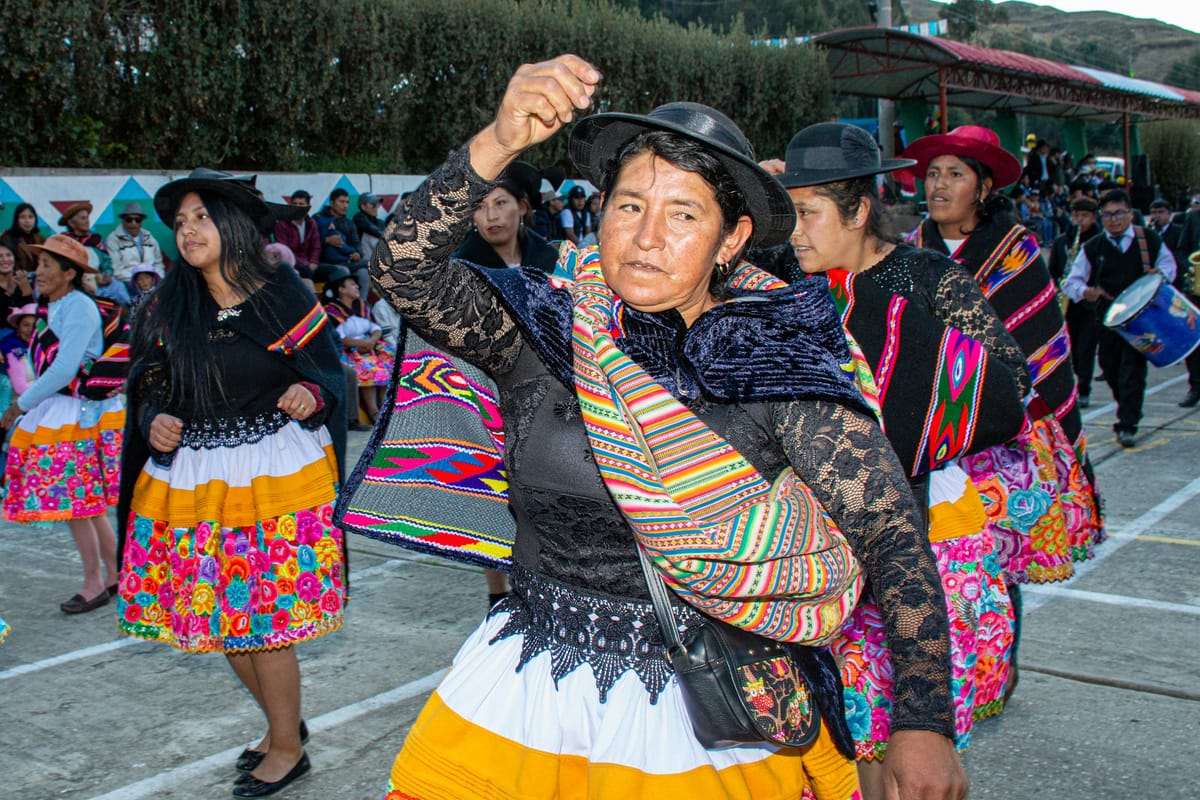
Guam (Guåhan in CHamoru, meaning 'we have') is a 541-square-kilometer island at the southern tip of the Mariana Islands chain, sitting at the intersection of 3,500 years of CHamoru civilization and four centuries of layered colonialism. Spanish missionaries arrived in 1668 and within decades reduced the CHamoru population from roughly 50,000 to fewer than 5,000 through war, epidemic, and forced relocation. America took the island after the Spanish-American War in 1898, and the U.S. Navy proceeded to ban the CHamoru language in 1947. Japan occupied Guam from 1941 to 1944, and that liberation on July 21 is the island's most sacred holiday. All of this should have broken CHamoru identity. It didn't. The core cultural concept that survived everything is 'inafa'maolek' - literally 'to make good for each other,' a philosophy of interdependence over individualism that CHamoru people call their most fundamental value. Connected to this is 'chenchule'' - a social reciprocity system where gifts, labor, food, and money exchanged at life milestones (weddings, funerals, graduations) create debts inherited across generations. Chenchule' isn't transactional - it's the architecture of community belonging. 'Manamko'' (elders) command deep reverence, expressed through 'manngingi'' - the act of taking an elder's right hand and pressing it to your nose, a gesture of profound respect unique to CHamoru culture. Today's Guam is genuinely complex: 32.8% CHamoru, with large Filipino, Korean, Japanese, and American military communities layered over it. English dominates daily life while CHamoru undergoes passionate revival in schools. The military occupies 27% of the island's land. The island is an unincorporated US territory whose residents are US citizens who cannot vote for president. A decolonization commission actively debates independence, free association, or statehood. This political weight doesn't make Guam heavy - it makes it fascinating. Village fiestas still happen year-round, kelaguen still gets made with fresh coconut and lemon, and hospitality still means you'll leave with more food than you arrived with.
Travel tips
Fiesta Invitation: If a local invites you to a village fiesta, go immediately - this is not casual tourism but genuine CHamoru hospitality in action. Bring a small gift or monetary contribution (chenchule'), eat everything offered, compliment the red rice. Manngingi' Greeting: When introduced to CHamoru elders, follow the local's lead - you may be offered a hand to take and hold near your nose as a sign of mutual respect. Don't flinch - this is an honor. Liberation Day (July 21): The most important date in the Guam calendar. Avoid scheduling anything else - parades, fiestas, and community gatherings take over the island. Understanding this day's significance (liberation from Japanese WWII occupation) matters deeply to locals. Fina'denne' Etiquette: The CHamoru hot sauce/condiment of soy sauce, vinegar, lemon juice, and hot peppers accompanies everything. Accept it, use it - declining signals disinterest in local food culture. Military Sensitivity: 27% of the island is US military base - don't photograph restricted areas or base entrances. Many locals have complex feelings about the military presence, from pride to frustration over land rights. CHamoru Language Respect: Calling CHamoru people 'Hawaiian' or assuming Guam is Hawaii deeply offends - Guam has its own distinct culture, language, and 3,500-year history. Sun and Ocean: UV index regularly hits 12+ (extreme), wear SPF 50+ daily. Ocean currents and riptides kill visitors every year - swim only at designated beaches with lifeguards, never ignore flags. Sunday Pace: While not as strict as Fiji, Sunday morning is family and mass time - major errands wait, village life quiets before afternoon gatherings. Tipping: 10-15% expected at restaurants, hotel staff, tour guides - Guam follows US tipping culture fully.
Cultural insights
CHamoru culture operates on a fundamentally different axis than Western individualism. The philosophy of 'inafa'maolek' - interdependence as the highest value - means decisions affecting family or community aren't made alone, shame (mamåhlao) functions as a social regulator preventing behavior that would harm group harmony, and saying 'no' to food, help, or hospitality is genuinely difficult for locals because it disrupts the reciprocal flow that holds communities together. 'Chenchule'' extends this interdependence across time: when a CHamoru family contributes money, food, or labor at another family's wedding or funeral, that contribution is recorded (often literally, in notebooks) and reciprocated at future events. These debts pass to children when parents die. This isn't burden - it's the mechanism that ensures no CHamoru family faces a crisis alone. The village fiesta system reflects Spanish Catholic and ancient CHamoru traditions merged into something uniquely Guamanian. All 19 villages have patron saints; each hosts an annual feast featuring novenas (nine nights of rosary), processions, and feasts that can feed hundreds. Red rice (hineksa' agaga') must be placed on the table first - it's not a side dish, it's the cultural anchor of any celebration. The fiesta table organization is precise: starches first, then 'totche'' dishes (meats and BBQ), then kelaguen appetizers, then desserts. This structure is communal choreography. The concept of 'mamåhlao' (shame/embarrassment) shapes social behavior profoundly - publicly correcting elders, bragging individually, or refusing community obligation creates face loss that CHamoru people navigate carefully. For visitors, this means directness should be softened; locals may agree verbally when they mean 'I'm uncomfortable refusing you.' Generational tensions exist between CHamoru elders who remember the language ban and enforced Americanization, and younger generations navigating US pop culture while participating in CHamoru language revival programs. The decolonization debate is real and ongoing - some families prioritize US citizenship benefits while others advocate for self-determination, and both views coexist in the same extended family. Filipino community members (the largest non-CHamoru group) bring their own hospitality culture that intersects with CHamoru traditions in daily life, creating a Pacific fusion identity unlike anything in the Philippines or elsewhere. Japanese cultural influence runs deep from decades of Japanese mass tourism pre-2020 - restaurant signage, some food options, and service styles all carry Japanese traces.
Best time to visit
Dry Season (December–June): The ideal window for visiting, with January–March being the absolute sweet spot. Rainfall is minimal, humidity drops slightly to a tolerable 75%, seas are calm for snorkeling and diving, and temperatures hover at a pleasant 27–29°C. This is peak tourist season with higher hotel rates, but Liberation Day fiestas and Christmas celebrations make December culturally rich. Book accommodation 2–3 months ahead during these months. Wet Season / Typhoon Season (July–November): Typhoon risk peaks August–October - Guam has a long history of direct hits including Typhoon Mawar in 2023 which caused significant damage. That said, wet season brings 30–50% lower hotel rates, fewer crowds at popular spots like Tumon Beach, and spectacular green landscapes in the southern jungle. If you go, monitor weather.gov/guam obsessively and have evacuation plans. August and September are genuinely risky. Liberation Day (July 21): Worth planning around regardless of season - the entire island celebrates with parades through Hagåtña, village fiestas, and cultural performances. This is Guam culture at full volume. Wet season coincidence means rain is possible, but locals celebrate regardless. Holiday Shoulder Periods (April–June): Underrated sweet spot - dry weather continues, Japanese cherry blossom tourists have returned home, prices start easing, and you catch pre-summer quiet before American military families arrive for summer rotation.
Getting around
Rental Car: The most honest advice is rent a car - Guam's layout rewards independent exploration and public transport limitations are real. Compact cars run $50–70/day, economy vehicles $40–55/day. Roads are in generally good condition, driving is right-hand, US rules apply. Tumon to southern waterfalls is 45–60 minutes; without a car, you're tour-dependent. Book online before arrival for best rates. Guam Mass Transit Authority (GMTA) Buses: Nine routes covering most villages for $1.50/ride or $10 unlimited day pass. Reliable but infrequent (1–2 hour intervals on some routes) and not designed for tourist sights. Useful for Hagåtña–Tumon–Tamuning corridor. Red Shuttle Bus: Tourist-focused shuttle connecting major Tumon hotels, shopping centers, and attractions for $2–5/ride. Convenient for resort strip without a car. Taxis: $4.00 flag-down rate plus $0.80 per quarter-mile. Tumon to Hagåtña runs ~$15–20. No ride-hailing apps like Uber - taxi dispatch is the norm, or ask your hotel. Organized Tours: For southern Guam's valleys, waterfalls, and historical sites like War in the Pacific National Historical Park, guided tours ($45–90/person) make sense without a car. Local operators provide cultural context often missing from self-guided visits. Airport: A.B. Won Pat International Airport is 5 minutes from Tumon by taxi (~$15).
Budget guidance
Budget Travel ($80–130/day): Guesthouses and budget hotels in Tamuning or Hagåtña area $45–70/night, local plate lunches from CHamoru diners and food trucks $8–14, GMTA bus transport $1.50/ride, free beaches and War in the Pacific historical sites, self-catering from Pay-Less Supermarket or Cost-U-Less. Living honestly and eating local is very achievable. Mid-Range ($130–220/day): Hotel in Tumon Bay $100–160/night, restaurant meals $20–40, rental car $50–60/day split with travel partner, occasional tours and cultural experiences. This is the comfortable visitor tier - access to most experiences without resort pricing. Luxury ($220–450+/day): Dusit Thani, Outrigger Guam Beach Resort, Hilton Guam Resort $200–400/night, fine dining $60–100+/meal, spa treatments, private boat charters, helicopter tours. Guam's resort infrastructure caters primarily to Japanese and Korean luxury tourists. Honest Cost Warning: Everything is imported from the US mainland - groceries, hardware, electronics all carry 20–30% premium over mainland US prices. A bottle of water at a resort costs $5. A grocery store meal kit costs what it would in San Francisco. Budget travelers who eat local CHamoru food (plate lunches, food trucks, fresh fish at Chamorro Village Night Market Wednesday evenings) save significantly over resort dining.
Language
Guam has two official languages: English and CHamoru. English dominates virtually all public life, commerce, government, and education - you will have zero communication problems as a visitor. CHamoru (also spelled Chamorro) is the indigenous Austronesian language of the island, spoken by approximately 21,390 people in Guam as of 2020 census, down from 34,598 in 1990 - a decline directly linked to the U.S. Navy's 1947 language ban that prohibited CHamoru in public. The language revival movement is passionate and growing, with all public schools now required to teach CHamoru. Essential CHamoru phrases that earn instant warmth: 'Håfa Adai' (hah-fah ah-DAY) - the universal greeting, equivalent to 'aloha', used constantly; 'Si Yu'us Ma'åse'' (see YOU-us mah-AH-say) - thank you, literally 'God bless you'; 'Buen Probecho' (boo-EN pro-BAY-cho, from Spanish) - said before eating, 'enjoy your meal'; 'Na'magof yu'' (nah-mah-GOF you) - you make me happy. Spanish loanwords saturate CHamoru from 300 years of colonial contact - colors, numbers, family terms, and religious vocabulary all derive from Spanish, making the language sound unexpectedly familiar. Filipino languages (especially Tagalog and Ilocano) are widely spoken among the large Filipino community. Japanese is common in tourist areas, on menus, and in hotel services. Locals deeply appreciate any CHamoru word attempts - even 'Håfa Adai' from a visitor signals cultural awareness that opens genuine conversations.
Safety
Guam is among the safest Pacific island destinations for travelers. Violent crime is low and the island sees millions of visitors (primarily from Japan, South Korea, Taiwan) annually without significant incidents. Exercise normal urban caution: Petty Theft: Rental cars are identifiable targets - never leave valuables visible. Some beach areas, particularly in Tumon at night, have reported occasional bag snatching. Lock your car, secure your phone. Ocean Hazards: This is Guam's genuine danger. Riptides and powerful currents kill visitors every year - strong swimmers drown because Pacific currents are unforgiving. Only swim at flagged beaches (Tumon Beach has lifeguards), check surf reports at guamweather.com, and never enter water during red flag conditions. Southern Guam's beaches are beautiful but remote and unguarded. Typhoons: Monitor weather.gov/guam during July–November. Hotels have protocols; follow them completely. A direct hit means days without power or water - have cash, water, and a plan. Sun and Heat: UV index 12+ (extreme) is the daily baseline. Heat exhaustion happens quickly to unacclimatized visitors doing outdoor activities. Hydrate constantly, rest midday, wear reef-safe sunscreen. Health: Tap water is safe to drink. Medical facilities at Guam Memorial Hospital and Naval Hospital (for eligible military/dependents) handle most conditions. Travel insurance strongly recommended - medical evacuation to Hawaii or mainland US is expensive. Emergency numbers: 911 for police, fire, medical. Scams: Very rare. Timeshare presentations aggressively target visitors in Tumon - these are legal but high-pressure. You're not obligated to attend any presentation regardless of free gift offers.
Money & payments
Guam uses the US Dollar (USD) with no conversion needed for American visitors. For international visitors, exchange rates apply: Euros, Japanese Yen, Korean Won, and Australian Dollars exchange at airport currency desks (rates mediocre) or bank branches (better rates). ATMs are widely available throughout Tumon and Hagåtña; most charge $3–5 foreign transaction fees. Credit and debit cards (Visa, Mastercard, Amex) accepted nearly everywhere in tourist zones. Cash is preferred at Chamorro Village Night Market (Wednesday evenings), local food trucks, and smaller village shops. Typical costs: Local plate lunch (red rice, BBQ, kelaguen) $10–14; Restaurant meal $25–45; Coffee at local café $3–6; Large grocery store water $2–4; Scuba diving day trip $80–120; Tumon hotel taxi $15–20. Tipping follows US standards: 15–18% at restaurants (some add automatic 15% service charge - check your bill), $1–2/bag for bellhops, $3–5/day for hotel housekeeping. The No-Tax Duty-Free status on many goods (electronics, cosmetics, alcohol, cigarettes) means Guam is a genuine shopping destination - Japanese and Korean tourists historically come partly for luxury goods purchases at significantly reduced prices compared to home.