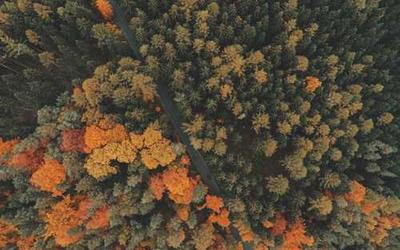
🇯🇵 Japan
Japan Travel Guide - Authentic Local Experiences
9 destinations · Budget level 3
Overview
Japan seamlessly blends ancient traditions with cutting-edge modernity. From the organized chaos of Tokyo's train stations to the serene temples of Kyoto, each destination offers unique experiences rooted in centuries of culture. Japanese society values harmony, respect, and attention to detail - creating incredibly clean, safe, and efficient environments for travelers. With 26 UNESCO World Heritage Sites including ancient temples, castles, and natural wonders, Japan offers unparalleled cultural depth.
Travel tips
Transportation: JR Pass for tourists, IC cards for local transport, trains are punctual to the minute. Etiquette: Bow slightly when greeting, remove shoes indoors, don't eat while walking. Language: English signage in major cities, download Google Translate with camera feature. Cash: Japan is still largely cash-based, withdraw from 7-Eleven ATMs. Timing: Avoid Golden Week (late April/early May) and Obon (mid-August) for crowds.
Cultural insights
Japanese culture emphasizes group harmony (wa), respect for others, and continuous improvement (kaizen). Politeness and indirect communication are valued over directness. The concept of omotenashi (hospitality) means exceptional service without expecting tips. Seasonal awareness is deeply ingrained - from cherry blossoms to autumn leaves, seasons affect food, activities, and cultural events. To experience traditional Japanese culture at its finest, explore the temple traditions of Kyoto, where ancient rituals continue to this day.
Best time to visit
Spring (March-May): Cherry blossom season, mild weather, but crowded and expensive. Summer (June-August): Hot and humid, festival season, avoid rainy season in June-July. Autumn (September-November): Beautiful fall colors, comfortable temperatures, excellent time to visit. Winter (December-February): Cold but clear, great for skiing, fewer crowds, winter illuminations.
Getting around
JR Pass: Essential for tourists, covers most trains including shinkansen (bullet trains). Local Trains: IC cards like Suica or Pasmo for subway and buses. Walking: Japanese cities are very walkable with excellent signage. Bicycles: Available for rent in many cities, follow traffic rules strictly. Taxis: Expensive but clean and professional, doors open automatically. Japan's efficient transportation system rivals that of South Korea, making inter-city travel seamless and punctual.
Budget guidance
Budget Travel ($50-80/day): Hostels, convenience store meals, local trains, free temples and parks. Mid-Range ($100-150/day): Business hotels, restaurant meals, some attractions, regional trains. Luxury ($200+/day): Traditional ryokans, kaiseki dining, shinkansen travel, premium experiences. Japan can be expensive but offers excellent value for quality.
Language
Japanese uses three writing systems but English signage is common in cities. Essential phrases: "Arigatou gozaimasu" (thank you), "Sumimasen" (excuse me), "Eigo ga wakarimasu ka?" (do you speak English?). Bowing is important for greetings. Many young Japanese speak some English and appreciate foreign visitors' efforts.
Safety
Japan is one of the world's safest countries. Crime is extremely low, lost items are often returned, and natural disasters (earthquakes) are well-managed. Follow earthquake safety procedures, respect local customs, and be aware of natural disaster apps. Emergency number: 110 (police), 119 (fire/ambulance).
Money & payments
Japanese Yen (¥) is the currency. Cash is preferred over cards, especially in smaller establishments. 7-Eleven and post office ATMs accept foreign cards. Typical costs: Ramen bowl (¥800-1,200), subway ride (¥200-400), business hotel (¥6,000-10,000/night). No tipping culture in Japan.
Destinations in Japan
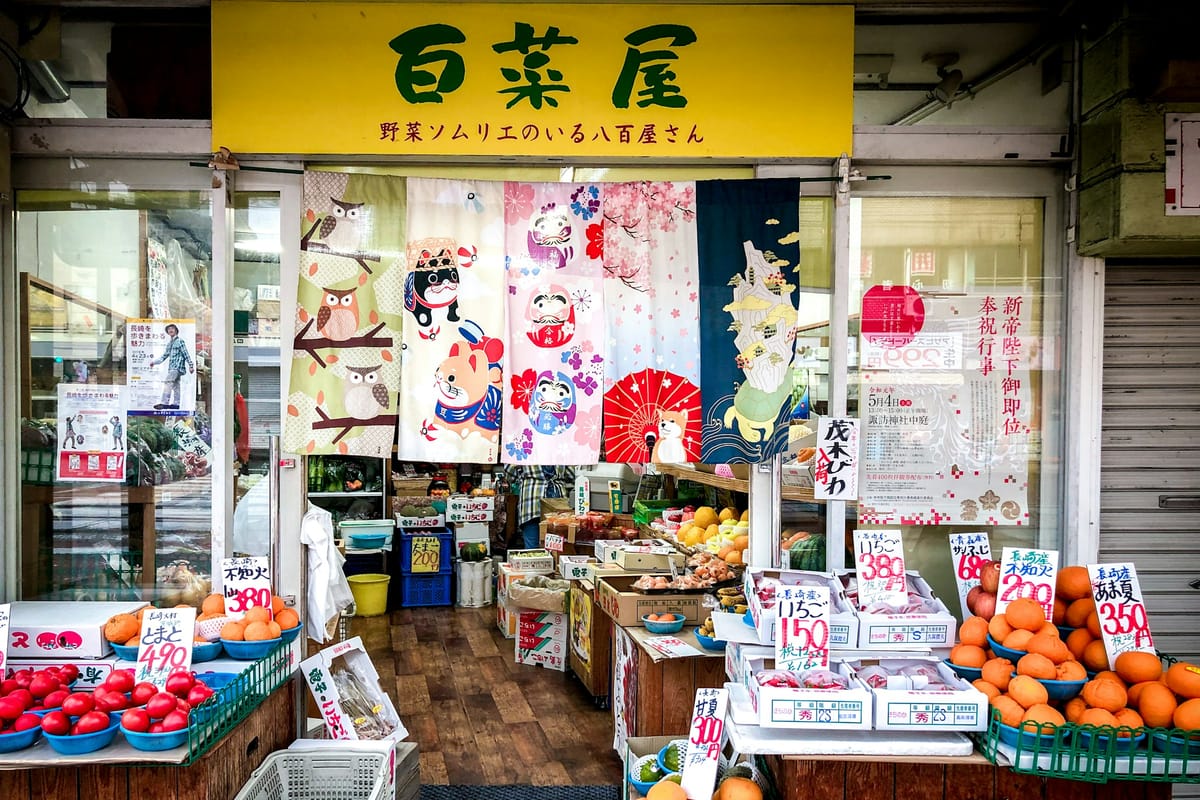
Fukuoka, East Asia
Fukuoka: Hakata Soul, Japan's Ramen Gateway
Hakata vs Fukuoka Identity: The city is officially Fukuoka but the main train station is Hakata — a naming quirk that dates back to a historical rivalry betw…
Hiroshima, East Asia
Hiroshima: Peace, Okonomiyaki & Island Hopping
The 8:15 AM Silence: Every August 6th at exactly 8:15 AM when the bomb fell, Hiroshima stops completely - trains halt mid-route, construction workers freeze,…
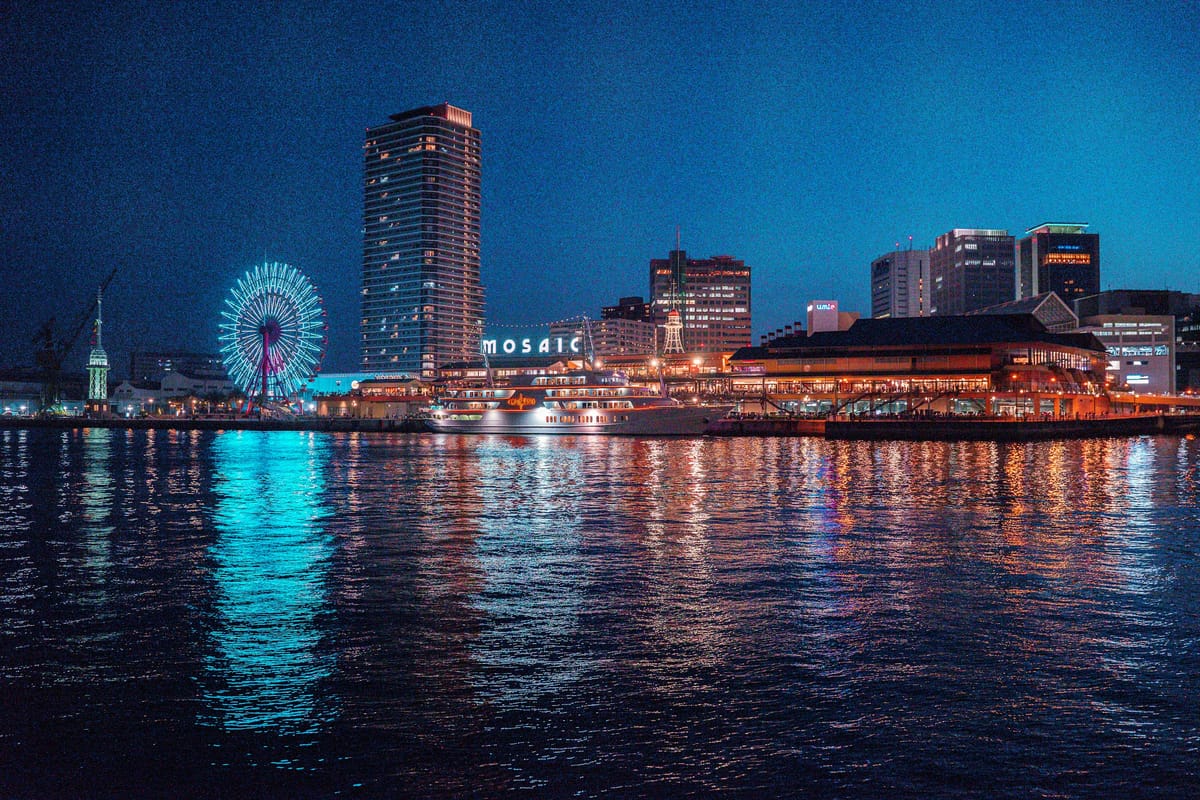
Kobe, East Asia
Kobe: Port City with Culinary Soul
Escalator Etiquette Flip: Kobe follows Osaka rules - stand on the right side of escalators, opposite of Tokyo. Locals will passive-aggressively sigh if you b…
Kyoto, East Asia
Kyoto Temple Traditions
Geisha vs Maiko Spotting: Real geisha wear subdued makeup and kimono, tourists in rental kimono are obvious (and that's okay!). Temple Photography Rules: Som…
Naha, East Asia
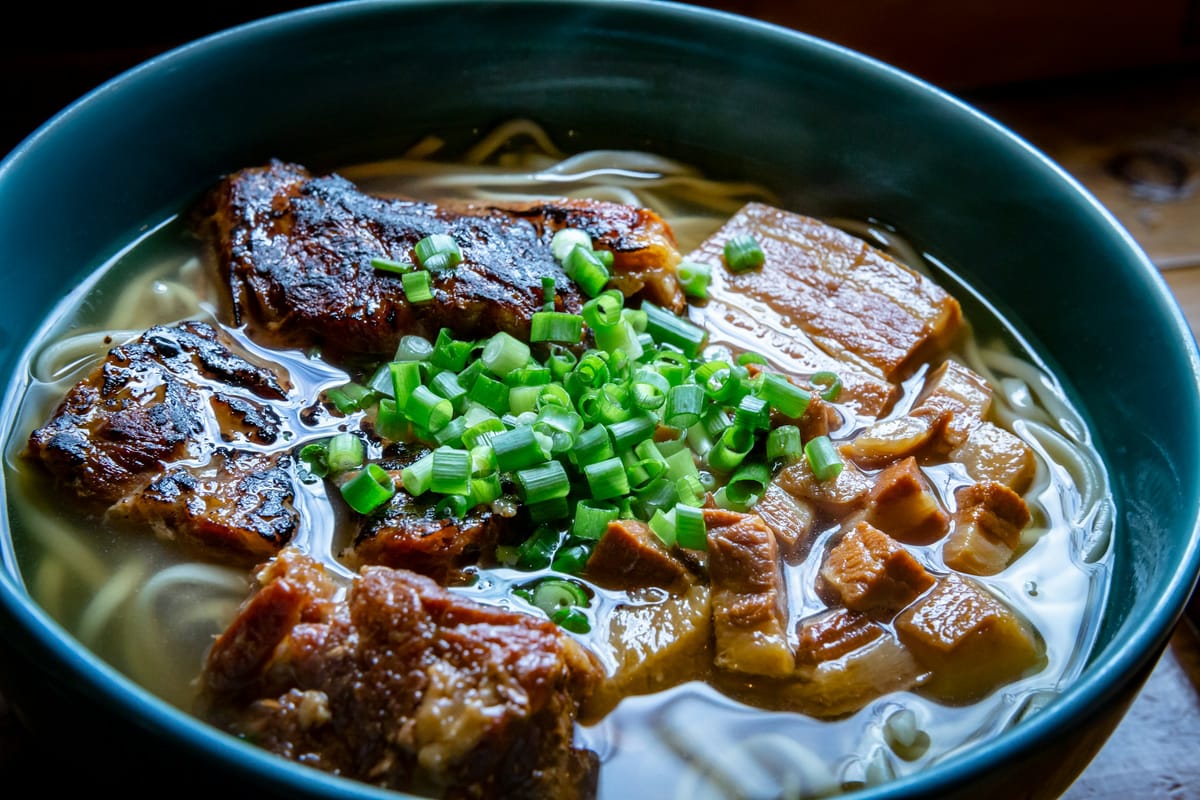
Naha: Ryukyu Capital, Shisa Soul
Shisa Everywhere: paired lion-dog guardian statues sit on every rooftop and gate - the open-mouthed one invites good fortune in, the closed-mouthed one keeps…
Okinawa City, East Asia
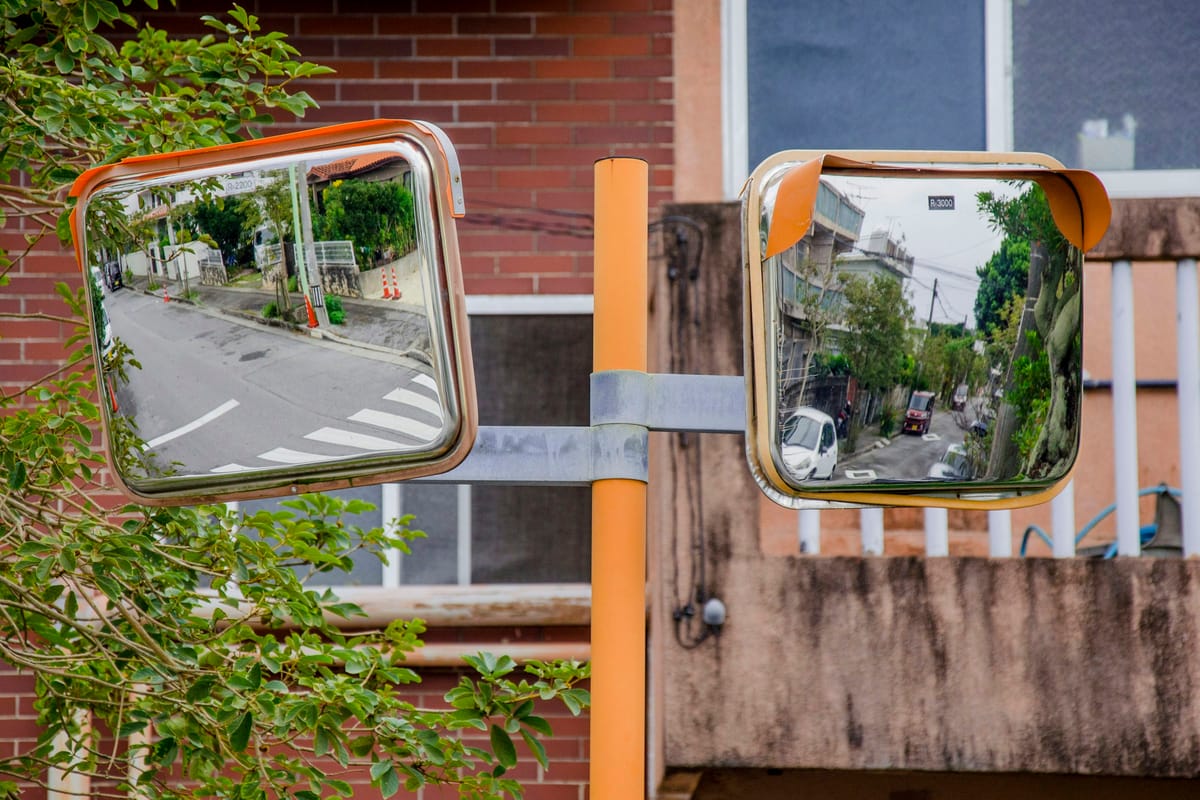
Okinawa City: Koza Roots, Champuru Soul
Gate 2 Street Time Warp: Okinawa City's downtown, still called Koza by everyone over 40, sits right against the fence of Kadena Air Base, and its BC Street a…
Osaka, East Asia
Osaka: Japan's Kitchen & Comedy Central
Escalator Etiquette: Stand on RIGHT side (opposite of [Tokyo](/guides/tokyo-local-secrets)), locals will push past if you're wrong. Kuidaore Culture: 'Eat ti…
Takayama, East Asia
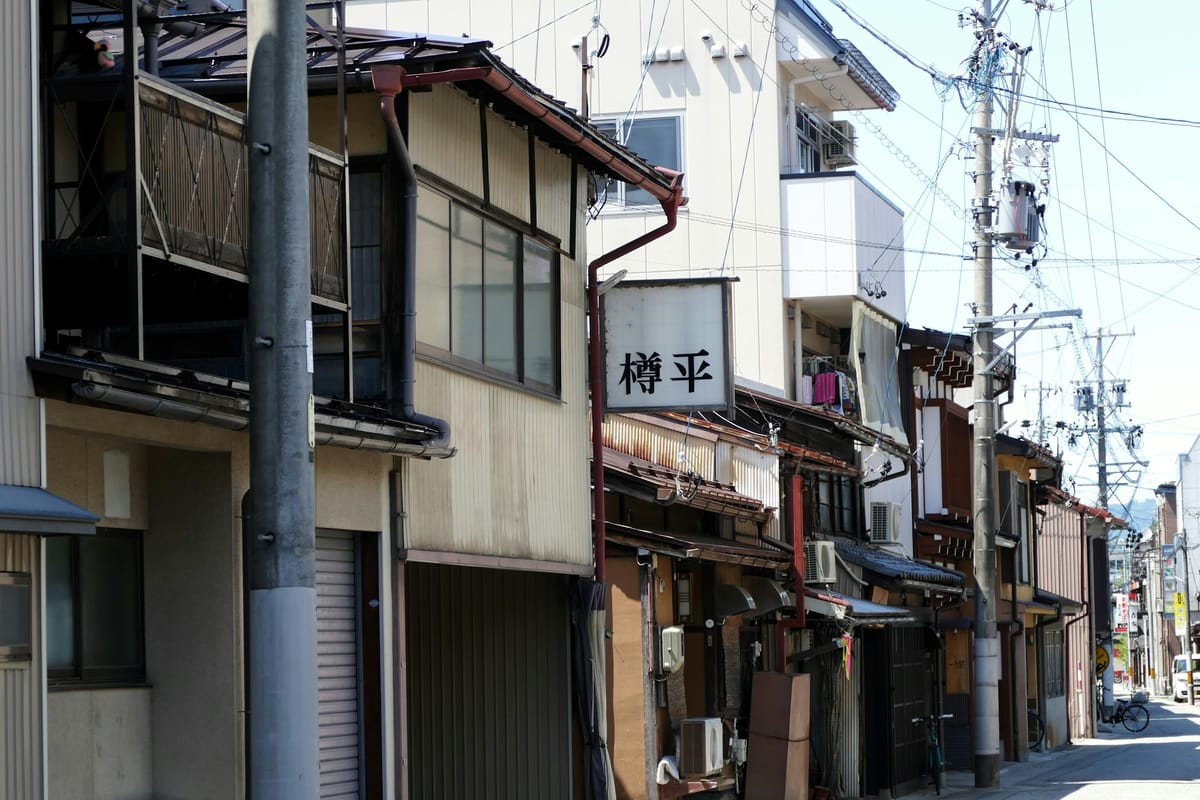
Takayama: Mountain Town, Little Kyoto
The Cedar Ball (Sugidama) Code: Seven sake breweries line the Sanmachi district, each identified by a massive ball of cedar branches hanging under the eaves.…
Tokyo, East Asia
Tokyo Local Secrets
Elevator Etiquette: Always stand on the left side of escalators in Tokyo (opposite of Osaka). Shoe Culture: Remove shoes when entering homes, some restaurant…