🇲🇹 Malta
Malta Travel Guide - Village Festas, Fenkata, and the George Cross Island
1 destinations · Budget level 2
Overview
Malta packs 7,000 years of layered conquest - Phoenician, Roman, Arab, Norman, the Knights of St John, French, British - into 316 square kilometers, and every layer still shows. The Maltese language is the fossil record of the Arab period, a Semitic tongue dressed in Latin script and stitched with Italian and English loanwords, making it the only Semitic official language in the EU. British rule left driving on the left, red phone boxes, and English as a genuine second working language rather than a tourist courtesy. But the deepest organizing unit of Maltese life isn't the nation, it's the raħal - the village - and specifically its parish. Where a village has two churches, it almost always has two rival band clubs (każini), two fireworks crews, and two devoted factions who spend all year quietly outdoing each other before their summer festa, a rivalry recognized in 2023 on UNESCO's Representative List of Intangible Cultural Heritage. Because a handful of surnames (Borg, Camilleri, Vella) cover half the population, nearly every family carries a laqam, a nickname shouted in the street that says more about who you are than your actual name does. Catholicism still frames the calendar - Holy Week processions, Mnarja in June, festa season running May to September - even as weekly Mass attendance has collapsed from 81% in 1967 to roughly a third of the population today, and civil unions now outnumber church weddings. Density defines daily friction: over half a million people on an island smaller than most cities, a construction boom that added a third more housing units in a single decade, and 4 million tourists a year arriving partly through cruise ships that can dump 6,700 passengers into Valletta in a single afternoon. Malta is small enough to gossip its way through, and everyone here knows it.
Travel tips
Festa Etiquette: If a village festa coincides with your visit, go - fireworks, marching bands, and street food are free and communal, but don't wander into the church mid-Mass with a beer in hand, and don't make jokes comparing one village's saint to another's, rivalries are sincere. Pastizzi Reality Check: A pastizz costs €0.35-0.50 at a real pastizzeria like Crystal Palace or Serkin in Rabat, eaten standing up at 9am; the same pastry costs €2-3 on the Sliema front - walk five minutes inland instead. Village Nicknames: If a local mentions someone's laqam (nickname) instead of their surname, don't be confused - it's normal, often centuries old, and asking about the story behind it is a great conversation starter. Church Dress: Cover shoulders and knees for any church visit, Malta has more churches per capita than almost anywhere in Europe and locals notice disrespect quickly. Left-Hand Driving: A British colonial holdover - rental cars, roundabouts, and narrow village lanes built for donkey carts make Malta genuinely tricky to drive, buses or Bolt are usually easier. Sunday Ritual: Sundays are for family lunch, often fenkata (rabbit stew) or a big roast, many small local trattorias fill with three generations at one table - book ahead if you want in. August Warning: Avoid August unless you love heat (31°C+) and crowds - cruise ship days can put five ships and 6,700+ passengers each into the Grand Harbour at once, overwhelming Valletta's narrow streets. Gozo Pace: Gozo runs slower and more rural than the main island - Gozitans identify as Gozitan first, don't assume it's just "smaller Malta."
Cultural insights
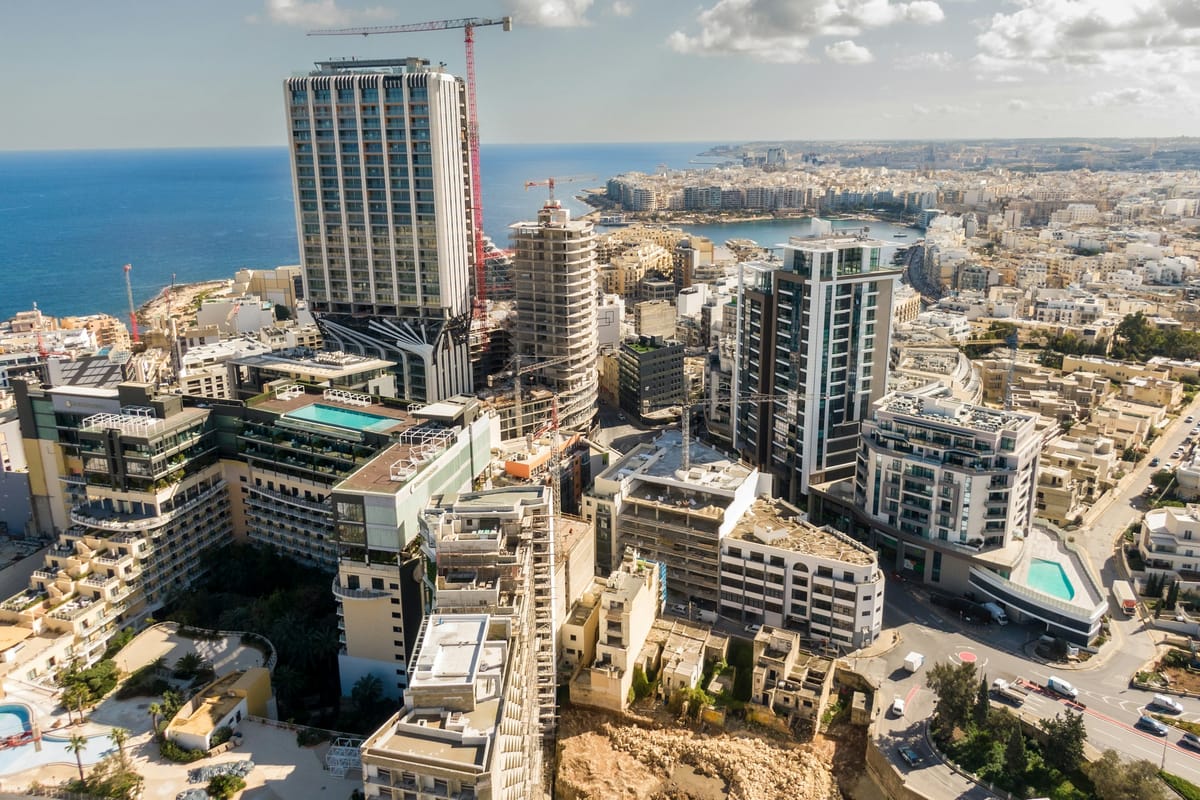
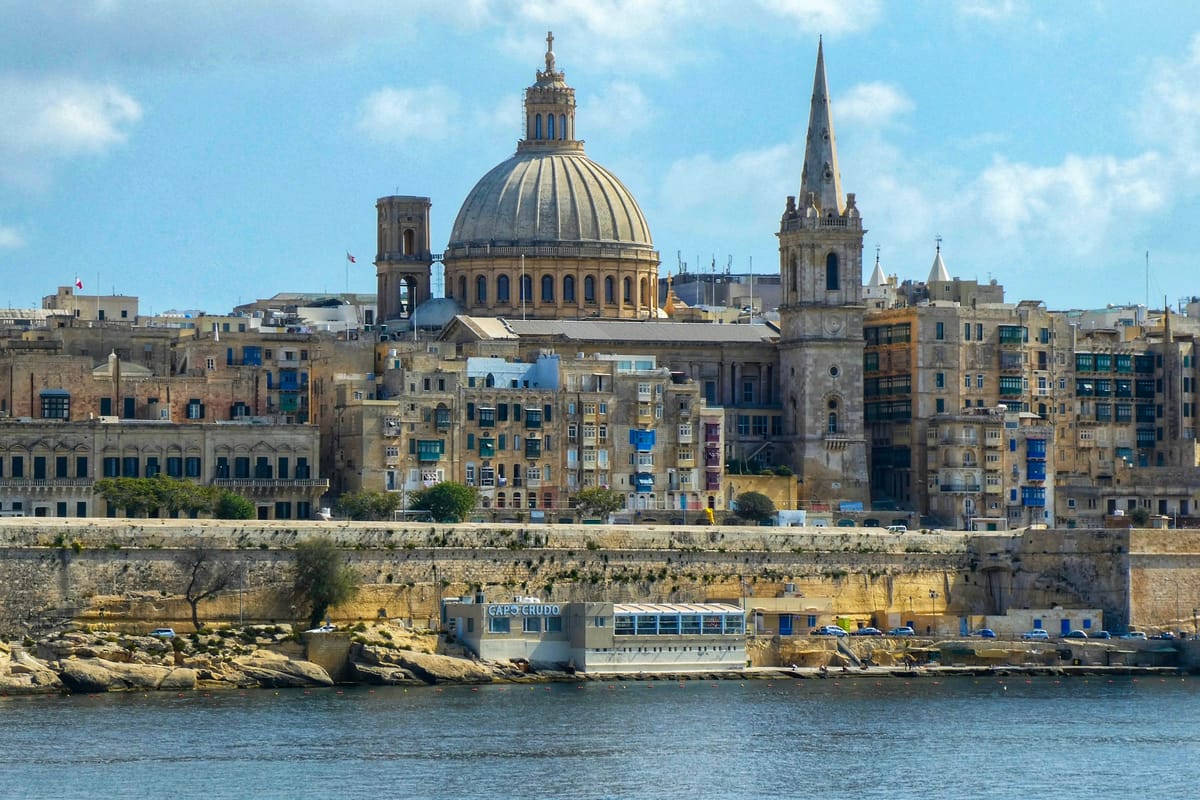
Maltese social life runs on two engines: the parish and the family. In a country this dense, everyone genuinely does know everyone, and gossip functions less as scandal than as social infrastructure - locals describe it plainly as "fuel for a car." Family reputation and honor still carry real weight in village life, which is part of why the laqam system persists: with a handful of surnames covering huge chunks of the population, a nickname (often inherited from a trade, a physical trait, or a decades-old incident) becomes the actual identifier people use. Village rivalry, or campanilismo, is most visible in festa season (roughly May-September, with about 95 feasts on Malta and 10 on Gozo), where towns with two parish churches maintain two competing band clubs, two fireworks teams, and two loyal factions who invest heavily year-round to outdo the rival parish's display - a dynamic serious enough that it was inscribed on UNESCO's Intangible Cultural Heritage list in 2023. Religion still frames the calendar even as belief itself erodes fast: Sunday Mass attendance fell from 81% in 1967 to roughly a third of the population by the 2020s, and in 2023 civil unions outnumbered religious weddings for the first time, yet Holy Week processions (some carrying eight Passion statues through the streets, Qormi and Żejtun carry twelve) and Mnarja in late June still draw locals of every generation. Mnarja itself, held at Buskett Gardens on June 28-29, traces back to the pagan Roman festival of Luminaria and centers on għana - improvised sung poetry duels (spirtu pront) where two singers trade witty, rhymed insults and observations live, a tradition that grew out of women singing while washing clothes at communal wash-houses. Regional identity splits sharply: Valletta is dense Baroque grandeur that empties out at night, a style echoed further north in Sicily's own Baroque stronghold of Catania, Sliema and St Julian's/Paceville are the modern, concrete, nightlife-driven face of the island - explored in more depth in our Sliema guide - Mdina is the walled "Silent City" of old aristocracy, the Three Cities (Birgu, Senglea, Cospicua) carry working-class pride as Malta's actual first capital under the Knights, and Gozo maintains a slower, village-centered rhythm with its own accent and self-identity. British colonial residue (left-hand driving, red phone boxes, English as a genuine working language, a hybrid Roman/British legal system) sits uneasily alongside a national identity built on resisting outsiders - the George Cross, awarded to the entire population in 1942 for surviving WWII's siege, is the only case of a foreign medal appearing on a sovereign nation's flag, and it remains the clearest symbol of Maltese resilience. Today that resilience is tested less by sieges than by density and money: Malta is Europe's most densely populated country, a construction boom added a third more housing units in a single decade, iGaming has pulled in a foreign workforce so large that non-Maltese nationals now make up nearly 30% of residents, and overtourism (4 million visitors in 2025, some days five cruise ships at once) is a genuine, openly discussed public grievance, not a hidden one.
Best time to visit
Spring (March-May): Mild and green, 15-20°C, wildflowers across the countryside, Holy Week processions in April draw huge local crowds, shoulder-season prices, sea still too cool to swim comfortably until late May. Summer (June-August): Hot and dry, 23-31°C, near-zero rainfall, festa season in full swing with fireworks most weekends, Mnarja folk festival June 28-29 at Buskett Gardens, but also peak cruise-ship crowds and August heat that locals actively avoid outdoors midday. Autumn (September-October): Widely considered the best window - sea still holds summer warmth (swimmable through October, sometimes November), highs around 25°C, Notte Bianca all-night arts festival in Valletta each October, festa season tapering but still active into September, noticeably fewer tourists than summer. Winter (November-February): Mild by European standards, 10-15°C, around 20 rainy days across the season, quietest and cheapest time to visit, locals reclaim cafes and village squares, good for exploring Valletta and Mdina without crowds though some coastal restaurants close.
Getting around
Public Buses: Malta's Tallinja bus network covers the whole island reasonably well and is what most locals and budget travelers use - single tickets €2.00 in winter (19 Oct-13 Jun) or €2.50 in summer (14 Jun-18 Oct), valid two hours with free transfers, night buses and Tallinja Direct routes cost €3.00. The 7-day Explore Card gives unlimited Malta and Gozo bus travel for €25 (€7 for children 4-10) and pays for itself within a few days of sightseeing. Gozo Ferry: Frequent car ferries from Ċirkewwa to Mġarr, adult return €4.65, foot passengers can just walk on; combined multi-day Gozo travel packages run €34-38. Driving: Left-hand traffic (a British holdover), narrow winding village roads built long before cars, chaotic roundabouts, and serious traffic congestion around Valletta and Sliema at peak hours make self-driving more stressful than it looks on a map this small - locals themselves complain constantly about traffic. Rental cars run roughly €25-40/day. Taxis and Ride-hailing: Bolt is widely used and far more reliable on pricing than street taxis, which have a reputation for overcharging tourists - always confirm a metered or app-quoted fare. Karozzin: Horse-drawn carriages still operate in Mdina and Valletta, purely ceremonial and tourist-oriented now rather than functional transport, expect to pay a premium for the novelty. Walking: Valletta and Mdina are compact, hilly, and best explored on foot - Mdina in particular is car-free inside its walls.
Budget guidance
Budget Travel (€45-70/day): Hostel or budget guesthouse €20-35, pastizzi and local trattoria meals €10-18/day if you eat where locals eat (real pastizzerias, not Sliema seafront cafes), bus travel via the Explore Card, free beaches, churches, and village festas. Mid-Range (€70-130/day): Apartment or 3-star hotel €50-90, restaurant meals €25-40 including a proper fenkata dinner, occasional Bolt rides, Gozo day trip with ferry, museum and Three Cities entries €5-15. Luxury (€130+/day): Boutique hotels in Valletta or Mdina €120-300+, fine dining €60-100+, private boat tours around the Blue Lagoon or Comino, spa hotels along the Sliema/St Julian's coast. Prices skew noticeably higher in Sliema, St Julian's, and central Valletta than in Gozo, the Three Cities, or inland villages - the same pastizz or coffee can cost triple depending on which side of the island you're on, and August prices climb across the board with tourist demand.
Language
Maltese (Malti) is a Central Semitic language descended from medieval Sicilian Arabic, layered with heavy Italian and English influence and written in Latin script with distinctive letters ċ, ġ, ħ, ż, and għ - it is the only Semitic language with official EU status. English is a co-official language and a genuine working language, not a tourist courtesy, thanks to over 160 years of British rule; nearly everyone under 60 speaks it fluently, and most signage, menus, and legal documents run in both languages. Useful phrases: "Bonġu" (bon-JU) - good morning, "Kif inti?" - how are you, answered with "Tajjeb ħafna" (very good) or "Mhux ħażin" (not bad), "Grazzi ħafna" - thank you very much, "Ċaw" - informal goodbye, borrowed straight from Italian. Locals switch fluidly between Maltese, English, and occasionally Italian (widely understood thanks to proximity and Italian TV) mid-conversation. Attempting even basic Maltese phrases is appreciated precisely because so few outsiders bother - most tourists never learn the language exists as anything other than "some Mediterranean dialect," and locals notice when someone makes the effort.
Safety
Malta ranks among the safest countries in Europe with very low violent crime. The realistic risks are petty: pickpocketing and bag-snatching in crowded tourist zones like Valletta's markets, the Marsaxlokk Sunday fish market, and transport hubs, plus overcharging scams from unmetered taxis (use Bolt or confirm fares upfront). Paceville, the St Julian's nightlife strip, carries a moderate risk profile late at night - bar fights, aggressive bouncers, and occasional spiked-drink reports, so treat it like any dense nightlife district anywhere and watch your drink. Sea conditions can be rougher than they look around rocky coastlines - check local flag warnings before swimming off unsupervised spots. Malta is generally considered safe and comfortable for solo travelers and solo women specifically. Tap water is safe to drink though heavily chlorinated and many locals prefer bottled or filtered water for taste. Summer heat (31°C+ in August) is a real risk for sunstroke and dehydration if you're not pacing outdoor activity around midday sun, which locals themselves avoid. Emergency number: 112 (covers police, ambulance, and fire, English-speaking operators). Healthcare is good quality and EU health cards are accepted at public facilities; travel insurance is still recommended for private care and repatriation.
Money & payments
Euro (€), Eurozone since 2008. Cards are widely accepted everywhere except genuinely old-school pastizzerias and small village kiosks, where cash is still king - keep a few euros on hand for €0.35-0.50 pastizzi runs. ATMs are common across all towns. Typical costs: espresso €1.70, cappuccino €2.40, local beer €2-4 (about €4 for a restaurant pint), a casual local meal €12-20, mid-range restaurant dinner €25-40, fine dining €60-100+, a genuine pastizzeria pastizz €0.35-0.50 versus €2-3 on the Sliema seafront for the identical item. Bus tickets €2.00-2.50 single, €25 for a 7-day Explore Card covering Malta and Gozo. Tipping isn't deeply embedded in Maltese custom the way it is in the US - rounding up or adding 5-10% for good restaurant service is appreciated but not expected, and it's not customary for taxis or bars. Prices vary sharply by neighborhood: the same coffee or pastry can cost two to three times more in Sliema or St Julian's tourist zones than five minutes inland or in Gozo, so locals' actual spending patterns look quite different from what a visitor sees on the seafront.