🇵🇷 Puerto Rico
Puerto Rico Travel Guide - Jíbaro Pride, Boricua Resilience, and Caribbean Rhythm on US Soil
1 destinations · Budget level 3
Overview
Puerto Rico occupies a strange, defining contradiction: it is US soil - no passport needed, US dollars, US citizenship since 1917 - yet culturally, linguistically, and emotionally it is unmistakably Caribbean, more kin to Santo Domingo's Dominican culture and Havana than to Miami or New York. That contradiction sits at the center of everything, from the unresolved political status debate (statehood vs. independence vs. the current commonwealth arrangement) that has run through more than a dozen plebiscites since 1967 without resolution, to a population split between roughly 3.2 million on the island and over 5.8 million Puerto Ricans and their descendants on the mainland - meaning more Boricuas live off the island than on it. Identity here is anchored by the jíbaro: the rural mountain farmer of the 19th and early 20th centuries, once looked down on by elites as backward, later reclaimed as the island's foundational symbol of hospitality, self-sufficiency, and hardworking dignity. Modern Puerto Ricans of every class - from San Juan bankers to Bad Bunny himself - will call themselves jíbaro at heart without irony. Being 'Boricua' (from Borikén, the Taíno name for the island) is the identity that transcends the status debate entirely; independentistas and statehooders alike wave the Puerto Rican flag with equal fervor. Hurricane Maria (2017) is the modern hinge point of collective memory - not just the storm itself but the months of federal neglect that followed, which pushed communities to build their own mutual-aid networks, solar co-ops, and community kitchens (centros de apoyo mutuo) that still function today and shape a deep-seated skepticism toward government promises alongside fierce pride in community self-reliance. Family is the organizing unit of life: multi-generational Sunday gatherings, loud and affectionate conversation that outsiders sometimes mistake for conflict, and an expectation that grandparents remain active, respected household presences. Social life runs on 'janguear' (hanging out, adapted from English) and 'relajo' (a specific art of teasing banter between people who trust each other, where you're expected to give as good as you get). Time bends around 'ahora' - which rarely means 'now' - and around a broader island rhythm that prioritizes the people in front of you over the clock. Race and African heritage are woven through everything from bomba and plena music to religion (santería and espiritismo practiced alongside or within Catholicism) yet are discussed with more ambivalence than in neighboring Caribbean nations, a legacy of a Spanish colonial caste system that privileged whiteness - something increasingly confronted openly by younger generations. The relationship with the diaspora (Nuyoricans and others) has evolved from island skepticism toward mainland-raised Puerto Ricans as 'culturally diluted' to a more circular, connected sense of one transnational Boricua nation moving constantly between San Juan and New York, Orlando, and Chicago.
Travel tips
Political Status Sensitivity: The statehood/independence/commonwealth debate is a live, personal topic for most Boricuas - it's fine to ask respectfully and listen, but don't arrive with an opinion or compare it glibly to other US territories or countries. Greetings and Warmth: A handshake is for strangers in a business context; friends and even new acquaintances typically get a cheek kiss (one, right cheek) plus a hand on the shoulder or arm during conversation - physical warmth is not flirtation, it's baseline friendliness. Volume Isn't Anger: Family and friend conversations happen loud, fast, and overlapping - it reads as arguing to many first-time visitors and is simply enthusiasm. 'Ahora' Means Later: When someone says 'ahora' (now) or 'ahorita' they typically mean within the next hour or two, not immediately - build slack into any plan involving a local timeline. Dress for Church and Old Towns: Beachwear stays at the beach; cover shoulders and avoid swimwear in cathedrals, historic town centers, and most sit-down restaurants away from the coast. Hurricane Season Awareness: June through November is active hurricane season - locals track storms constantly via local news and WhatsApp groups rather than panicking, and travelers should do the same rather than assume it's safe to ignore. Tipping Like the Mainland: Because it's a US territory, tipping culture mirrors the mainland US (15-20% at sit-down restaurants) rather than the lower or absent tipping norms of the wider Caribbean and Latin America. Respect Post-Maria Resilience Stories: Many locals bring up Hurricane Maria (2017) and the years of slow federal recovery unprompted; it shaped a generation's trust in community over government - listen more than you comment. Bring Cash for Colmados and Públicos: Small neighborhood stores, roadside lechoneras, and shared vans often run cash-only even though cards are standard everywhere else.
Cultural insights
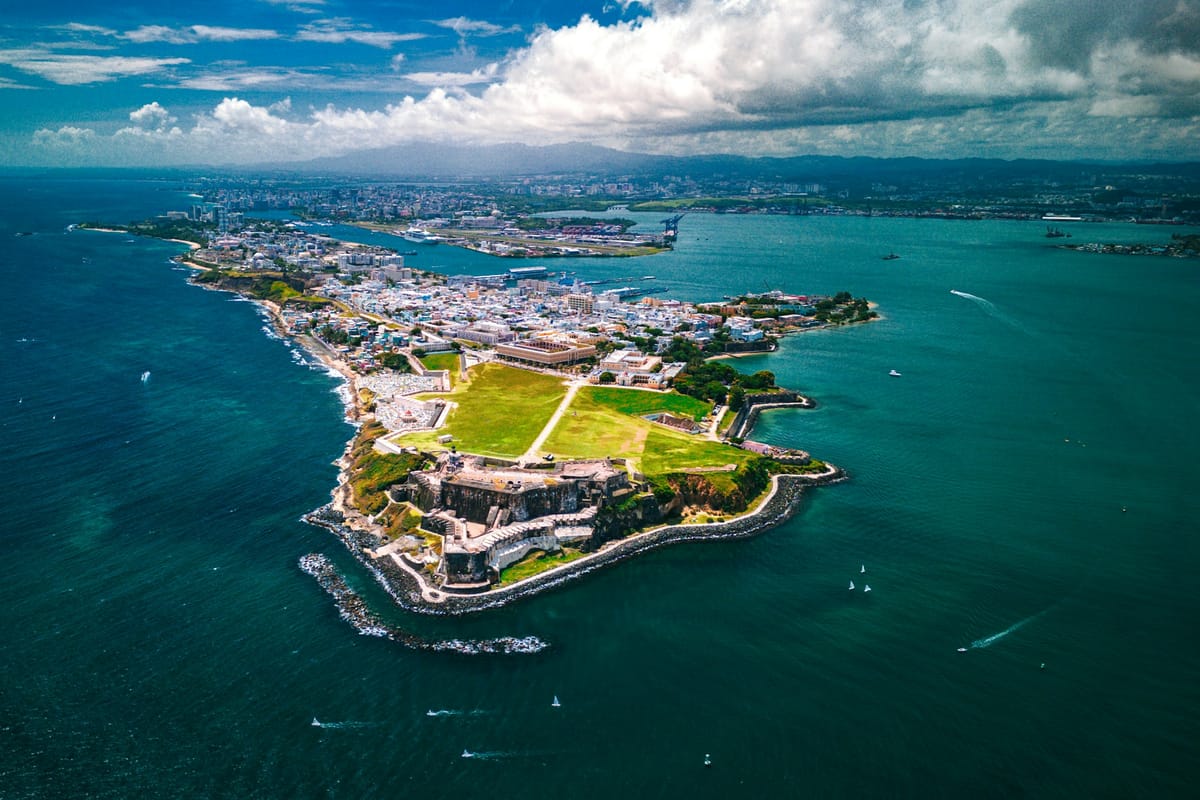
Puerto Rican identity is built on layers that rarely get resolved, only lived with: Taíno indigenous roots, four centuries of Spanish colonial rule, and 125+ years as a US territory, all folded into a single, fiercely proud 'Boricua' identity that exists independently of the unresolved political status question. The jíbaro (rural mountain farmer) remains the island's central cultural archetype - a figure once dismissed by 19th-century elites as backward and now embraced across class lines as the symbol of hospitality, hard work, and self-sufficiency; the pava (straw hat) and cuatro (ten-string guitar) associated with jíbaro music and décima poetry appear on everything from folk art to reggaetón album art. Family operates as the core social unit, with Sunday gatherings treated as near-sacred, grandparents given visible daily deference and household authority, and children brought into adult events rather than segregated from them. Social interaction runs on 'janguear' (casual hanging out, borrowed from English 'hang out') and 'relajo' - a specific, almost ritualized form of teasing and mutual ribbing between people who trust each other, where the ability to dish it out and take it back is itself a form of bonding. Regional identity is real and locals notice it immediately, and Old San Juan's centuries-old forts and city walls - a UNESCO World Heritage Site since 1983 - anchor that pride in physical form: San Juan's urban, US-influenced pace differs sharply from Ponce's more traditional, ceremonious 'Ponceño' pride (Ponce considers itself the island's true cultural capital and resents San Juan-centrism), the laid-back surf-town rhythm of the west coast (Rincón, Isabela, Aguadilla), and the slower, undeveloped character of Vieques and Culebra, where there's still no traffic light or fast-food chain on either island. Hurricane Maria (2017) reshaped collective identity more than any single event since the mid-century industrialization push - the storm killed an estimated 3,000 people (a toll the government initially undercounted) and the ensuing months without power or federal support pushed neighborhoods to organize centros de apoyo mutuo (mutual aid centers), community solar installations, and independent relief networks that still operate and inform a broader distrust of top-down promises paired with pride in bottom-up resilience. Race is present but discussed with more complexity than elsewhere in the Caribbean - African heritage runs through bomba and plena drumming, cuisine, and religion (espiritismo and santería practiced openly alongside or within Catholicism), but a Spanish colonial caste system that historically privileged lighter skin left a legacy of ambivalence that younger, more politically engaged generations are actively pushing back against. The relationship between islanders and the diaspora (more Puerto Ricans live on the US mainland than on the island itself, concentrated historically in New York as 'Nuyoricans') has shifted from island skepticism about mainland-raised authenticity toward a more fluid, connected sense of a single transnational Boricua community in constant motion. Music tracks this evolution in real time: salsa and bomba give way to reggaetón (a genre Puerto Rico effectively birthed and exported globally through artists like Daddy Yankee and Bad Bunny), sharing the same lineage of Afro-Caribbean rhythm-as-identity found in Kingston's reggae heartbeat, and even global superstars frame their success explicitly as tributes to the island rather than departures from it.
Best time to visit
Dry/High Season (December-April), 24-29°C: The most popular and driest window, with lower humidity, calmer seas, and the island's biggest cultural events - Fiestas de la Calle San Sebastián (mid-January) and the long Christmas-to-Three-Kings-Day holiday season (late November through January 6) both fall here, meaning higher prices and booked-out hotels in San Juan and Ponce. Shoulder Season (May, November): Good value and thinner crowds, with weather still mild (25-29°C) and only moderate rain risk before or after the peak of hurricane season. Wet/Hurricane Season (June-November), 27-32°C: Higher humidity, frequent short afternoon downpours, and the official Atlantic hurricane season running June 1 to November 30 - September and October carry the highest storm risk, though direct hits are infrequent in any given year; this is also the cheapest and least crowded time to visit if travelers stay weather-aware. Regional Variation: The south coast around Ponce is notably drier and sunnier year-round than the north coast and San Juan metro, while the central mountains (Cordillera Central, including Orocovis and Barranquitas) run several degrees cooler and are prone to fog and rain even in dry season.
Getting around
Rental Car: Essential for exploring beyond San Juan - day trips to Guavate, El Yunque rainforest, Ponce, or the west coast surf towns all require one; $35-70/day plus mandatory insurance for non-residents, and parking in Old San Juan runs $10-20 flat rate at lots. Públicos (Shared Vans): Privately operated Ford minibuses with 'Público' license plates connect towns and regions on set routes, leaving only once full - $0.75-plus per ride depending on distance, mostly Spanish-speaking drivers, a genuinely local way to travel between towns without a car. Tren Urbano: San Juan's light rail links the metro area (San Juan, Bayamón, Guaynabo) from 5:30 AM to 11:30 PM, $1.50 per ride with free transfers to buses within a two-hour window - useful within the capital but doesn't reach Old San Juan directly. AMA Public Buses: $0.75 flat fare covers San Juan's metro bus network; schedules can be unreliable, so locals treat it as a supplement to walking rather than a sole means of transport. Ferries to Vieques and Culebra: Depart from the Ceiba terminal (about 90 minutes from San Juan); rental cars cannot board, so travelers park at the terminal (around $15/day) and take a passenger catamaran (about 45 minutes) or slower cargo ferry (90+ minutes) - book ahead in high season. Walking: Old San Juan, Condado, Ocean Park, and Ponce's historic center are flat and walkable, though Old San Juan's cobblestones favor closed-toe shoes over sandals, especially when wet. Domestic Flights: Small regional carriers connect San Juan to Vieques, Culebra, and Ponce in 20-30 minutes for travelers short on time, an alternative to the ferry or a long coastal drive.
Budget guidance
Budget Travel ($60-100/day): Hostel or budget guesthouse $40-70/night, fonditas and beach kiosk meals $8-15, públicos and AMA buses under $5/day, free forts and beaches, living close to how many locals eat and move. Mid-Range ($100-200/day): Hotel or Airbnb $100-200/night, sit-down restaurant meals $15-30, occasional rental car or Uber, activities like bio bay kayak tours ($50-70) or fort entry fees, a comfortable balance of local spots and tourist conveniences. Luxury ($200-400+/day): Beachfront resorts in Condado or Isla Verde $350-600+/night, fine dining $40-80 per person, private guides and day charters to Vieques or Culebra. Because Puerto Rico runs on US dollars and US-linked pricing, it is noticeably more expensive than most of the Caribbean and Latin America - island imports (anything not grown or made locally) carry added shipping costs, and the 11.5% combined sales tax (IVU) is baked into most sticker prices. Ponce and the west coast run 15-25% cheaper than San Juan for lodging and dining, while Vieques and Culebra, despite their undeveloped feel, often cost as much or more than the mainland due to limited supply and ferry-dependent logistics.
Language
Spanish is the dominant everyday language, with English as the second official language taught from early school grades - most people in San Juan's tourist zones and larger businesses speak functional English, but rural areas, older generations, and much of daily life outside the capital run in Spanish only. Puerto Rican Spanish carries distinctive traits: dropped final 's' sounds, a softened 'r' in some regions, and heavy use of English loanwords adapted into Spanish grammar ('janguear' from 'hang out', 'parquear' from 'park'). Essential phrases: '¿Qué es la que hay?' (what's up, universal casual greeting), 'Ay bendito' (oh my gosh/poor thing - covers sympathy, surprise, and mild exasperation, arguably the island's signature expression), 'Wepa!' (an exclamation of hype or joy), 'Chévere' (cool/great). Distinctly local vocabulary includes 'guagua' (bus, not 'autobús' as elsewhere), 'zafacón' (trash can), 'colmado' (neighborhood corner store), and 'boricua' itself (a Puerto Rican person, from the Taíno Borikén). Locals respond warmly to any attempt at Spanish, however imperfect, and code-switch fluidly between English and Spanish mid-conversation, especially among younger, urban, and diaspora-connected Puerto Ricans - so don't be surprised to hear both in the same sentence.
Safety
Puerto Rico carries a Level 1 US State Department advisory ('Exercise Normal Precautions') and is broadly considered one of the safer Caribbean destinations for travelers, with tourist zones like Old San Juan, Condado, Ocean Park, Ponce's historic center, and the west coast surf towns seeing very little crime directed at visitors. Petty theft (pickpocketing, bag snatching, car break-ins) happens in crowded tourist areas and at beach parking lots - don't leave valuables visible in a parked car. Gun crime, drug trafficking, and gang activity exist but are concentrated in specific neighborhoods (including La Perla, just outside Old San Juan's walls) that travelers should avoid, especially after dark, rather than a broad island-wide risk. Carjackings are rare but occasionally reported in isolated rural areas at night; stick to main roads after dark when driving unfamiliar territory. Hurricane season (June-November) is the primary natural hazard - monitor local weather alerts and have a flexible plan if a storm approaches; power outages ('apagones') remain more frequent than on the mainland US due to lingering grid issues since Hurricane Maria, so hotels and many businesses run backup generators and travelers should keep a charged power bank as routine practice, not panic prep. Tap water is safe to drink island-wide. Emergency number is 911, same as the mainland US, and healthcare facilities in San Juan and Ponce meet US standards; more rural areas and Vieques/Culebra have limited medical services, so travel insurance with medical evacuation coverage is worth carrying for outer-island trips. LGBTQ+ travelers are generally safe in San Juan, which has an active, visible queer scene (particularly in Santurce and Condado), though attitudes are more conservative outside the metro area.
Money & payments
The US Dollar is the only currency, since Puerto Rico is a US territory - no exchange needed for US travelers, and international visitors should exchange to USD before or on arrival. Credit and debit cards are accepted almost everywhere, including small shops and restaurants, but cash remains preferred or required at colmados (corner stores), roadside lechoneras and kiosks, and públicos (shared vans). ATMs are widely available in cities and tourist areas, less so in Vieques, Culebra, and remote mountain towns, where it's worth carrying extra cash. Typical costs: coffee and a pastry $3-5, cheap restaurant meal around $13-19 per person, mofongo plate $12-18, cold local Medalla beer $2-4 at a kiosk, mid-range dinner for two $70-90, hostel bed $40-70/night, mid-range hotel $150-250/night. Puerto Rico's sales and use tax (IVU) runs 11.5% combined state and municipal, higher than most mainland US states, and is factored into the displayed price rather than added separately at checkout the way US mainland sales tax often is. Tipping follows mainland US norms rather than wider Caribbean or Latin American customs: 15-20% at sit-down restaurants, $1-2 per drink at bars, and rounding up for taxis and públicos - a real departure from the lower tipping expectations found elsewhere in the region.