🇸🇦 Saudi Arabia
Saudi Arabia Travel Guide - Where Desert Hospitality Meets Vision 2030's New Arabia
2 destinations · Budget level 2
Overview
Saudi Arabia is the world's most rapidly transforming society — a kingdom where 8th-century Bedouin hospitality codes coexist with futuristic megaprojects and where the same weekend can include a traditional majlis gathering and a sold-out international music festival. The country covers roughly 2.1 million square kilometers — bigger than Western Europe — yet its cultural identity is surprisingly unified around three pillars: Islam as daily architecture (not just weekend religion), 'diyafa' (the sacred obligation of hospitality), and 'wasta' (the social currency of connections and relationships that makes the entire country function).
The concept of wasta is Saudi Arabia's most important cultural key. Rooted in ancient tribal structures where loyalty and mutual obligation kept desert communities alive, wasta today governs everything from business deals to queue positions to government approvals. It's not corruption — it's the social infrastructure of a relationship-first culture where trust must exist before transactions can happen. Understanding wasta means understanding why Saudis invest so heavily in building personal bonds before anything official occurs.
Regional identity runs deep beneath the national surface. Najd (the central plateau, home to Riyadh) is the country's conservative heartland — the cradle of the Wahhabi reform movement and the ruling Al Saud family's power base, with a culture shaped by pastoral self-reliance and deep tribal loyalty. The Hijaz (the western coast, home to Jeddah, Mecca, and Medina) is Arabia's cosmopolitan region — centuries of pilgrimage traffic from across the Muslim world created a more diverse, urban, and outward-looking culture with its own distinct cuisine, music, and social norms. Asir (the south, bordering Yemen) feels like a different country entirely: green, cool, mountain highland, with women traditionally decorated with flowers and geometric art adorning home interiors in styles closer to the cultural traditions of Yemen and the Horn of Africa than to Riyadh. The Eastern Province is Shia-majority, oil-rich, and shaped by Persian Gulf trade routes.
Vision 2030 — Crown Prince Mohammed bin Salman's economic and social transformation program — has rewritten daily life faster than any comparable societal shift in modern history. Cinemas opened after a 35-year ban. Women gained the right to drive, travel alone, and work across all sectors. International concerts, mixed-gender events, and national entertainment festivals transformed what was one of the world's most restrictive public spaces into one of its most ambitious entertainment economies. Younger Saudis (70% of the population is under 35) experience this as liberation; older and more conservative families feel genuine disorientation. Both groups share the same streets, cafes, and shopping malls. As a visitor, you are witnessing history in real time — a civilization actively renegotiating its identity. The UNESCO World Heritage Sites already recognized in Saudi Arabia — At-Turaif in Diriyah, Al-Hijr (Madain Saleh), Al-Ahsa Oasis — tell the story of how ancient this place is; the cranes on every Riyadh horizon tell you what it's becoming.
Travel tips
Qahwa Cup Protocol: Accept the small cup of cardamom-spiced Arabic coffee offered within minutes of arriving anywhere — a bank, a shop, a home. This is not optional hospitality; it is a social obligation. To signal you've had enough, tilt the cup side-to-side with a slight wrist waggle. Setting it flat means 'please refill.' Refusing the first cup entirely creates genuine awkwardness. The Triple Invitation Rule: When a Saudi offers anything — food, a seat, their car — decline graciously the first time. They will insist a second time. Accept on the third offer. This ritual allows both parties to demonstrate sincerity (offering) and humility (not grabbing immediately). Skipping straight to 'yes' signals you're unfamiliar with how hospitality works here. Right Hand Always: Eat with the right hand only, pass items with the right hand, greet with the right hand. The left is considered unclean across Islamic culture and receiving anything with it is mildly insulting. At a communal food platter, cup the rice into a ball with your right hand — watching a local eat kabsa correctly is genuinely impressive technique. Prayer Time Awareness: Five daily prayer calls structure the rhythm of every day. Shops don't close entirely since 2016 reforms, but service slows, some smaller businesses still pull shutters, and staff head to prayer rooms. Build 20-minute buffers around Dhuhr (midday), Asr (afternoon), and Maghrib (sunset) prayer times. The adhan (call to prayer) is worth stopping to hear. Photography Etiquette: Never photograph people without explicit permission — especially women. Military installations, government buildings, and some heritage sites prohibit photography entirely. In markets and traditional areas, ask before pointing a camera. Locals in Riyadh and Jeddah are generally fine with tourist photography of architecture and public spaces. Gender Interaction: Men should not initiate handshakes with Saudi women — wait for her to extend her hand first. In more conservative settings, indirect eye contact is appropriate. Mixed-gender restaurants and offices are now normal in cities; in older establishments, separate family sections may still exist. Follow the local lead. Alcohol: Zero: Saudi Arabia has no alcohol anywhere — no hotel minibar, no airport lounge wine, no 'dry county' exceptions. This has been true forever and Vision 2030 has not changed it. The café culture, mocktail menus, and Riyadh Season entertainment have filled the social gap. Locals don't experience this as deprivation.
Cultural insights
Saudi culture's operating logic becomes clear once you understand three interlocking concepts that foreigners usually miss entirely.
Wasta (connections/influence) is not nepotism — it's the social infrastructure of a relationship-first society. In a country where tribal loyalty kept desert communities alive, trust must precede transaction. Getting things done requires knowing someone who knows someone, and Saudis invest enormous social energy in building and maintaining these networks. For a traveler, this means that a local contact — even a hotel receptionist who takes a genuine liking to you — can unlock experiences no tourist website lists. The correct response is not to resist this system but to participate in it: build rapport, accept hospitality, reciprocate warmth.
Diyafa (sacred hospitality) goes deeper than politeness. In Bedouin tradition, refusing to feed a stranger in the desert was potentially a death sentence for the guest. Modern Saudi hospitality carries this moral weight forward: guests are sacred, generosity is a religious obligation, and a Saudi host will sacrifice comfort and resources before they allow a guest to want for anything. Being a good guest — accepting food, complimenting the host's family, not rushing off — is the most culturally intelligent thing a traveler can do.
The Majlis as Social Architecture: Traditionally, the majlis (a receiving room with floor cushions and no furniture hierarchy) is where all serious conversation happens — business deals, family disputes, community decisions. The physical equality of the seating is intentional: everyone sits at the same level. Conversation is unhurried, circling the subject slowly over rounds of qahwa and dates. Jumping straight to the point of a meeting signals you don't understand the social contract. Even in corporate Riyadh, this rhythm survives in the 30-minute 'warm-up' before any negotiation.
Regional Identities: Najdis (from the central plateau) are the cultural mainstream — conservative, tribal-loyalist, proud of their role in founding the kingdom. Hijazis (from the western coast) carry a cosmopolitan identity shaped by 1,400 years of pilgrimage traffic — more diverse ethnically, more urbane in manner, fiercely proud that their cities contain Islam's two holiest places. There is a real (and rarely discussed) cultural tension between Najdi conservatism and Hijazi cosmopolitanism that shapes everything from food preferences to opinions about Vision 2030. Asiri mountain culture, in the south, is closer to Yemeni highland traditions — the women wear floral crowns rather than abayas in traditional contexts, the architecture uses painted geometric patterns, and the climate makes the region feel like an entirely different country.
The Vision 2030 Generation Gap: Saudi Arabia has the world's most dramatic age-values split. People over 50 remember when women couldn't be in public without a male guardian and religious police patrolled shopping centers. People under 30 have grown up watching K-pop concerts in Riyadh and playing mixed-gender padel tennis. Both groups are 'Saudi' — the friction between them is the country's defining internal story right now. As a visitor, avoid positioning yourself on either side: observe, follow the local lead in any context, and resist the urge to editorialize about social change to people navigating it from the inside.
Face-Saving and Indirect Communication: Saudis rarely say 'no' directly. A direct refusal risks shaming the asker, which violates the hospitality code. 'Inshallah' (God willing) serves multiple social functions: genuine faith-based deference to divine will, polite uncertainty, and sometimes diplomatic avoidance. Expats grade Saudi 'inshallah' responses on a scale — single inshallah with eye contact means possible; 'inshallah inshallah' usually means no. Saudis are completely self-aware about this and joke about it openly. The Jordanian approach to similar indirect communication follows the same broad Arabic social logic, but Saudi Najdi directness in personal relationships can actually be quite forthright once trust is established.
Best time to visit
Winter (November to February): The undisputed best season — temperatures between 10-22°C in most regions, with cool evenings in Riyadh (sometimes genuinely cold at 4-8°C at night) and perfect conditions in Asir (where it can actually frost). This is when the country wakes up: Riyadh Season entertainment runs October through March, parks fill, outdoor markets thrive, hiking and desert trips become possible. December to February is when the Edge of the World cliff trek, Diriyah evenings, and Jeddah's Corniche are at their most magical. Riyadh Season runs from October to March with concerts, festivals, and international entertainment across 14 zones. Spring (March to April): Temperatures rising (20-32°C), pleasant for sightseeing but increasingly hot by mid-April. Taif's rose festival runs for approximately 45 days in March-April — the city's orchards bloom and rose oil production fills the air. Ramadan falls at varying dates annually (lunar calendar); visiting during Ramadan offers profound cultural insight — the city transforms at sunset with iftar celebrations, the atmosphere electric and community-minded. Summer (May to September): Approach with Caution: Temperatures regularly hit 42-48°C in Riyadh and the interior; Jeddah adds humidity. Locals genuinely don't go outside between 11 AM and 5 PM in summer — this is not discomfort but a medical risk. Asir Province (Abha, 2,200 meters elevation) is the magnificent exception: pleasant 20-25°C in summer with mountain mists, cloud forests, and the surreal experience of watching fog roll through landscapes that look nothing like 'Arabia.' Saudi Summer 2026 programs in Asir, Jeddah, and Taif offer coastal and mountain alternatives to the punishing interior. Autumn (October to November): The transition season — temperatures dropping from summer extremes (still 30-37°C in October, cooling rapidly through November). October marks the start of Riyadh Season and the collective exhale as the city emerges from summer hibernation. October and November in Asir and Taif offer particularly stunning landscapes. The Eastern Province's date harvest season peaks September-October, with Al-Ahsa Oasis offering exceptional agricultural tourism.
Getting around
Domestic Flights (Quickest for Long Distances): Saudi Arabia is physically vast — Riyadh to Jeddah is 950 km, Riyadh to Abha is 850 km. Saudia (national carrier), flynas, and flyadeal connect all major cities with frequent service. Budget flights: Riyadh-Jeddah from 100-250 SAR one-way booked in advance; Riyadh-Abha from 150-300 SAR. King Abdulaziz Airport (Jeddah), King Khalid Airport (Riyadh), and King Fahd Airport (Dammam) are the main hubs. Book through airline apps or Almatar/Almosafer (Saudi travel aggregators) for best prices. SAPTCO Intercity Buses: The Saudi Public Transport Company runs roughly 579 daily scheduled trips linking 600+ cities, towns, and villages. The most affordable intercity option: Riyadh-Jeddah 130-180 SAR, Riyadh-Abha 120-160 SAR, journey times 5-12 hours. Buses are modern, air-conditioned, and reliable. Terminals are located outside city centers — factor in taxi/Careem costs to reach them. Book through the SAPTCO app or at terminals. Haramain High-Speed Railway (Western Corridor): Connects Mecca and Medina via Jeddah and King Abdullah Economic City at speeds up to 300 km/h. Tickets: 50-300 SAR depending on class and distance. Non-Muslims cannot enter Mecca or Medina but can ride to Jeddah and KAEC stations. The train is the best way to move along the Red Sea coast. Uber and Careem (Daily Urban Transport): Both apps function reliably across all Saudi cities. Careem is Saudi-owned (Uber subsidiary) and often marginally cheaper. Standard city ride: 20-50 SAR; airport to city center: 60-120 SAR. Drivers speak variable English — use the app pin for your destination. Surge pricing during rush hours (7-9 AM, 4-7 PM) and major events. Car Rental (Best for Regional Exploration): Economy car: 150-250 SAR/day; 4x4 SUV (essential for desert/mountain tracks): 300-500 SAR/day. International driving license required. Petrol is government-subsidized at approximately 2.18 SAR/liter — one of the cheapest in the world. Driving is on the right; roads are excellent on highways, variable on rural tracks. Navigation apps (Google Maps, Waze) work well throughout the country. Riyadh Metro: Six lines, 176 km covering Riyadh's main corridors. Single 2-hour pass: 4 SAR; monthly: 140 SAR. Connects King Khalid Airport to the city center, covers Olaya, KAFD, and Al Malaz. Women's carriages on every train. Excellent for navigating Riyadh without a car — though key attractions like Diriyah and the Edge of the World still require a car or taxi.
Budget guidance
Budget Travel (SAR 200-350/day, ~$53-93): Hostel or budget guesthouse 80-150 SAR/night, three meals at mataem (traditional local restaurants) 40-80 SAR total, SAPTCO buses for intercity, Careem or metro within cities 20-40 SAR, free heritage sites and parks, mosque exteriors, market browsing. This is achievable in Jeddah's Al-Balad historic district and Riyadh's Al Batha neighborhood particularly well. Mid-Range (SAR 400-700/day, ~$107-187): 3-4 star hotel 250-500 SAR/night, mixed local and restaurant dining 100-200 SAR, Careem for transport, major paid attractions (Diriyah 75 SAR, Kingdom Centre Sky Bridge 69 SAR, Riyadh Season events 75-300 SAR), occasional day tours. This covers a comfortable, culturally rich trip with access to most of what Saudi Arabia offers. Luxury (SAR 800+/day, ~$213+): Five-star hotels (Four Seasons, Park Hyatt, Rosewood) from 1,200-3,000+ SAR/night, fine dining 200-400+ SAR per person, private guides and transport, premium Riyadh Season concert tickets 400-800 SAR, desert glamping. Specific Pricing: Street shawarma 8-15 SAR; mataem kabsa meal 20-40 SAR; mid-range restaurant two courses 80-150 SAR per person; specialty café coffee 18-28 SAR; karak tea 5-10 SAR; domestic beer equivalent (non-alcoholic) in cafés 15-25 SAR; luqaimat portion 10-15 SAR. Accommodation in Jeddah and Abha tends to run 20-30% cheaper than equivalent Riyadh options. Asir region mountain guesthouses can be found for 120-200 SAR/night with incredible views. Saudi Arabia offers exceptional value at the mid-range level — equivalent hotel quality costs 2-3x more in the UAE or Qatar.
Language
Arabic is the official language, with significant regional dialect variation. Najdi Arabic (central region, Riyadh) is the de facto prestige dialect — the variety you'll hear most in media and government. Hijazi Arabic (Jeddah, Mecca, Medina) is more cosmopolitan and slightly closer to Egyptian Arabic familiar to many learners. Asiri dialect (southern region) sounds markedly different to Saudi ears from both. Modern Standard Arabic is understood universally in formal contexts. English proficiency has grown dramatically under Vision 2030 — most hospitality and tourism workers in cities speak functional to fluent English, younger Saudis in Riyadh and Jeddah often prefer English for technical topics, and airport/transportation signage is fully bilingual. Rural areas, traditional markets (souqs), and older generations require Arabic or patient communication through pointing and patience. Essential phrases that will transform your reception: As-salaam alaikum (ahs-sah-LAHM ah-LAY-koom) — the universal greeting, always correct; Wa alaikum as-salaam — the mandatory response; Shukran (SHOOK-rahn) — thank you; Hala wallah! (HAH-lah WAH-lah) — the Najdi warmth-greeting meaning 'welcome/great to see you,' which will cause visible delight; Zain (ZAYN) — good/fine/okay, heard constantly in Najdi conversation; Khalas (kha-LAHS) — finished/done/that's it, the most useful single word; Yalla (YAH-lah) — let's go/hurry up; Inshallah (in-SHAH-lah) — God willing, used for all future-tense statements; Lazeez (lah-ZEEZ) — delicious; Kam as-si'r? (kahm ah-SIR) — how much? Note: Najdi pronunciation makes the 'Q' a hard 'G' sound — 'qahwa' becomes 'gahwa,' which confuses learners expecting classical Arabic pronunciation. Learning even five Arabic words generates disproportionate warmth; Saudis are genuinely moved by foreign visitors making any effort with their language.
Safety
Saudi Arabia is statistically one of the safest countries on earth for conventional crime — violent crime against tourists is genuinely rare, petty theft uncommon, and locals actively protective of visitors. However, travelers must understand that several categories of behavior legal elsewhere carry serious legal consequences here. Legal Risks: Alcohol possession or consumption is illegal and punishable (not just a fine); public displays of affection between any couple can result in police attention; LGBTQ+ identity or behavior is illegal under Saudi law and Vision 2030 has not changed this — same-sex relationships remain criminalized, and LGBTQ+ travelers must exercise complete discretion or avoid the country. Criticism of the government, royal family, or Islam on social media can have legal consequences even for visitors. Dress Code: Legally, women are no longer required to wear abaya or hijab — but covering shoulders and knees is the respectful baseline outside of pools, beaches, and hotel gyms. In conservative areas (smaller cities, religious sites, traditional markets), more modest dress is strongly advisable. Heat Safety: Between May and September, outdoor temperatures of 42-48°C cause genuine medical risk. Heat stroke and dehydration can incapacitate within hours. Drink 3-4 liters of water daily; never be outdoors without shade between 11 AM and 4 PM in summer; Asir Province is the safe exception (mountain elevations, cooler temperatures). Road Safety: Traffic fatalities are Saudi Arabia's most significant safety risk for visitors. Driving culture is aggressive — speeding, lane changes without signaling, and running amber lights are common. Use ride-hailing apps rather than driving yourself if unfamiliar with local road dynamics. As a pedestrian, cross streets at designated crossings only — cars don't always yield even at crosswalks. Photography: Military installations, government buildings, and checkpoints must not be photographed. Photographing women without consent is deeply offensive and potentially actionable. Religious sites — especially those in Mecca and Medina (where non-Muslims cannot enter) — require careful sensitivity. Emergency Numbers: 911 (general emergency, all services consolidated since 2016); 997 (fire department); 911 also covers ambulance. Private hospitals in Riyadh (King Faisal Specialist Hospital) and Jeddah offer high-quality care; rural healthcare is limited. Travel insurance with medical evacuation coverage is strongly recommended.
Money & payments
The Saudi Riyal (SAR, symbol ﷺ or SR) is the currency, fixed to the US dollar at 3.75 SAR = 1 USD — this peg has been stable for decades and makes budget calculations straightforward for Americans; Europeans should check the current EUR/SAR rate. Card payments (contactless Visa/Mastercard) are accepted almost universally in cities — malls, hotels, restaurants, taxis, and even many market stalls. Cash remains necessary for small mataem restaurants, traditional souqs, rural guesthouses, and any informal purchase. ATMs are widely available in all cities and towns; international cards work without issues at SAMU ATMs and major banks; no foreign card surcharge at most Saudi ATMs. VAT is 15% and is usually included in displayed prices at modern establishments, occasionally added at checkout at international chains. Typical Costs: Karak tea (spiced milk tea) 5-10 SAR; luqaimat portion 10-15 SAR; shawarma wrap 8-15 SAR; mataem kabsa meal 20-40 SAR; specialty café coffee 18-28 SAR; restaurant meal two courses 80-150 SAR; premium dates (500g box) 40-100 SAR; Careem city ride 20-50 SAR; domestic flight Riyadh-Jeddah from 100 SAR booked in advance. Tipping Culture: Not obligatory but appreciated. 10% in sit-down restaurants, rounding up for Careem drivers, 5-10 SAR for hotel porter per bag. Many Saudis don't tip routinely; as a visitor, tipping is universally welcomed. Currency Exchange: Airports and major hotels offer exchange but at less favorable rates; Al Rajhi Bank, Riyad Bank, and SABB branches throughout cities offer better rates; many exchange houses (Sarrafas) in Al Batha district Riyadh and Al-Balad Jeddah offer competitive rates. US dollars and euros easily exchanged everywhere.
Destinations in Saudi Arabia
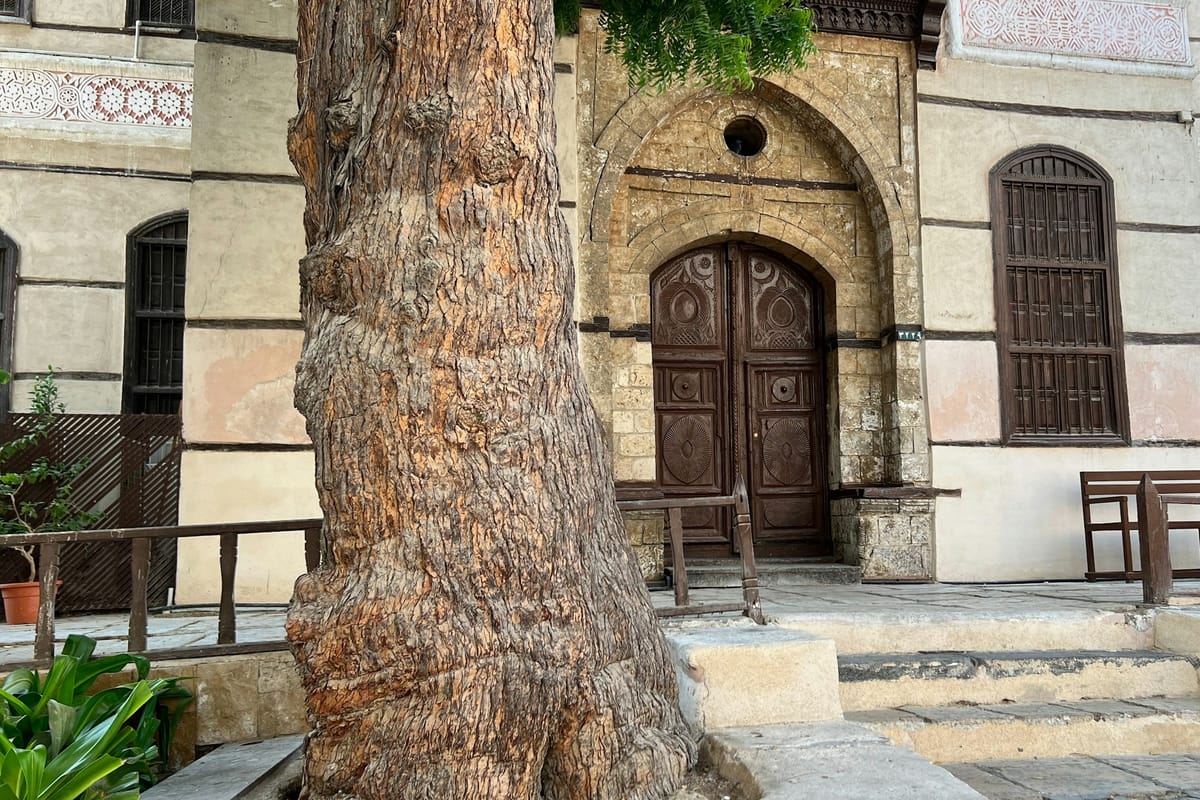
Jeddah, Middle East
Jeddah: Red Sea Gateway and Hijazi Soul
Life Pauses Five Times a Day: The adhan (call to prayer) rings out from mosques across the city five times every 24 hours, and for about 20-30 minutes each t…
Riyadh, Middle East
Riyadh: Ancient Kingdom, Desert Capital
Coffee Cup Shake: Accept the small cup of qahwa (cardamom-spiced Arabic coffee) offered within minutes of arriving anywhere — it's an obligation of hospitali…