🇷🇸 Serbia
Serbia Travel Guide - Where Kafana Philosophy Meets Balkan Resilience
2 destinations · Budget level 1
Overview
Serbia sits at the Balkans' crossroads where East meets West in eternal cultural tension. Serbian identity forged through Ottoman occupation, Austro-Hungarian rule, Yugoslav socialism, and NATO bombing creates complex national character - fiercely proud yet internationally misunderstood, generous hospitality masking deep historical wounds. The concept of 'inat' (defiant spite) defines Serbian spirit - doing things out of stubborn principle even against self-interest. Kafana culture centers social life - smoke-filled taverns where locals debate politics, philosophy, and football over rakija until sunrise. Orthodox Christianity shapes calendar and values, 'slava' family patron saint celebrations unite extended families annually. Post-Yugoslav generation navigates EU aspirations against Russia-leaning traditionalists, economic stagnation against vibrant startup scene, war legacy against optimistic youth culture. Serbs will insist you eat, drink, and stay longer - refusing hospitality genuinely offends, guests treated as gifts from God.
Travel tips
Kafana Etiquette: Sitting for hours over single drink expected, locals nurse coffee or rakija through conversations, rushing considered rude. Slava Invitations: If invited to family slava (patron saint day), bring wine or rakija, expect 6+ hour feast, religious respect required. Political Sensitivity: Kosovo topic inflammatory, locals have strong opinions, foreign perspectives unwelcome unless relationship established. Rakija Ritual: Refusing homemade rakija insults family honor, locals toast frequently with 'Živeli!' (Cheers!), pace yourself or suffer. Orthodox Customs: Cover shoulders in monasteries, women may need headscarves, light candles counterclockwise, kiss icons respectfully - Serbia's cultural heritage includes five UNESCO World Heritage Sites with stunning medieval monasteries like Studenica and Sopoćani. Cyrillic Navigation: Street signs often Cyrillic only, locals use both scripts interchangeably, learn alphabet or struggle outside Belgrade. Smoking Culture: Everyone smokes everywhere, locals chain-smoke in kafanas and restaurants, non-smoking sections rare and ignored. Time Flexibility: 'Serbian time' means 30+ minutes late normal, locals prioritize people over punctuality, appointments flexible suggestions.
Cultural insights
Serbian culture revolves around family, Orthodox faith, historical grievance, and legendary hospitality that borders on aggressive. 'Inat' (spite/defiance) uniquely Serbian trait - locals do things to prove point even when illogical, stubborn pride defines decision-making. Regional identities strong - Belgrade urbanites differ from conservative Šumadija villagers, Vojvodina northerners feel closer to Hungary than southern Serbia, locals navigate these tensions daily. Kafana philosophy centers social interaction - smoke-filled taverns serve as democracy classrooms where everyone debates equals, taxi drivers quote Dostoevsky, intellectualism valued across classes, echoing similar coffeehouse culture traditions in Bosnia-Herzegovina. 'Slava' tradition unique globally - every family celebrates patron saint with elaborate feast, religious and cultural identity merged, invitation into family circle sacred honor. Yugoslav nostalgia pervasive despite war - locals remember Tito-era prosperity, security, and international respect, 'Yugo-nostalgia' mixed with nationalism creates cognitive dissonance. War legacy shapes everything - 1990s sanctions, NATO bombing (1999), Kosovo independence trauma, locals feel victimized and misunderstood, siege mentality persists alongside welcoming warmth. Music culture passionate - turbo-folk divides generations, traditional gusle epic poetry survives, brass bands (trubači) soundtrack celebrations, locals express emotions through song. Football fanaticism borders religious - Red Star Belgrade and Partizan rivalry splits families, locals ultra groups politicized, stadium atmosphere electric and occasionally dangerous.
Best time to visit
Spring (April-May): Perfect weather 15-25°C, Orthodox Easter celebrations atmospheric, countryside green, locals celebrate end of winter with outdoor rakija sessions, fewer tourists and authentic atmosphere. Summer (June-August): Hot 25-35°C, EXIT Festival in Novi Sad attracts global DJs, river beaches packed, kafanas move to gardens, locals escape to mountains or Kopaonik, Belgrade empties but vibrant nightlife continues. Autumn (September-October): Harvest season, grape rakija production, comfortable 18-28°C, locals process ajvar and preserve food, Golden October perfect for exploring, countryside stunning colors. Winter (November-March): Cold 0-8°C, kafana culture peaks indoors, slava season (each family different date), Christmas celebrations (January 7), skiing in Kopaonik, locals bundle up dramatically, authentic atmosphere without tourists.
Getting around
Buses: Extensive network connects cities and villages, locals use for intercity travel, Niš Express and Lasta main companies, €5-15 tickets, no advance booking needed usually, smoky and crowded but reliable. Trains: Slow and outdated infrastructure, locals avoid except Belgrade-Novi Sad route, scenic but unpunctual, government investing in modernization, Chinese-built Belgrade-Budapest high-speed line opening soon. City Transport: Belgrade has buses, trams, trolleybuses - locals use BusPlus cards, €1.20 rides, system confusing for tourists, taxis cheap €3-8 across city, CarGo and Yandex apps work. Rental Cars: Freedom to explore monasteries and countryside, locals rent for rural trips, roads variable quality, parking chaotic in cities, €25-40/day, right-hand traffic. Cycling: Novi Sad cycle-friendly, Belgrade dangerous for bikes, locals don't cycle as transport (cultural thing), Danube EuroVelo route passes through. Ride-sharing: CarGo (Serbian app) and Yandex popular, locals use instead of street taxis, transparent pricing, English support limited.
Budget guidance
Budget Travel (€20-40/day): Hostel €8-15, street food ćevapi/pljeskavica €3-6, local buses €1-3, kafana beer €1.50-2.50, free monasteries and fortress walks, living like students. Mid-Range (€40-80/day): Hotel/Airbnb €25-50, restaurant meals €8-18, occasional taxis €5-15, museum entries €3-8, domestic wine €2-5, comfortable local lifestyle. Luxury (€80+/day): Boutique hotels €60-150, fine dining €25-60, spa treatments, wine tours, private guides, still fraction of Western Europe. Serbia incredibly affordable - locals earn €400-600/month, tourist budgets go far, quality-to-cost ratio excellent.
Language
Serbian is South Slavic language using both Cyrillic (official) and Latin scripts interchangeably - locals switch mid-sentence, street signs Cyrillic in traditional areas. Essential phrases: 'Zdravo' (hello), 'Hvala' (thank you), 'Molim' (please/you're welcome), 'Izvini' (sorry), 'Živeli!' (cheers), 'Da li govorite engleski?' (Do you speak English?). English spoken by younger Belgrade generation and tourism workers, rare in rural areas. German common among older generation, Russian understood by some. Locals deeply appreciate any Serbian attempts - learning Cyrillic alphabet brings huge respect, even basic phrases open hearts. Regional dialects exist - Vojvodina Hungarian influence, southern dialects softer, locals proud of linguistic richness.
Safety
Serbia very safe with low violent crime, locals protective of tourists contradicting international reputation. Pickpockets exist in crowded Belgrade areas, locals don't flash valuables unnecessarily. Football ultras occasionally clash - avoid Red Star vs Partizan derby areas unless with locals who know safe zones. Landmines cleared from war zones but avoid off-trail areas near Kosovo and Croatian borders if venturing to remote regions. Don't photograph military installations or Kosovo border areas. Tap water excellent quality throughout country, locals drink freely. Emergency: 112 (general), 94 (police), 93 (fire), 94 (ambulance). Traffic aggressive - locals drive assertively, pedestrians cross confidently, defensive walking required. LGBTQ+ travelers should be discreet - Belgrade Pride happens but conservative attitudes prevail, locals publicly tolerant but privately traditional. Political discussions can escalate - Kosovo, NATO bombing, Srebrenica sensitive topics, locals passionate and opinions strong.
Money & payments
Serbian Dinar (RSD/din) is currency. Euros widely accepted in tourist areas but rate poor, locals prefer dinars for fairness. ATMs abundant in cities, banks exchange euros easily, locals carry cash primarily. Cards accepted in cities and modern establishments, cash essential for kafanas, markets, rural areas. Typical costs: Coffee €1-1.50, Ćevapi €3-5, Beer €1.50-3, Restaurant meal €8-15, Rakija shot €1-2, Hostel €8-15/night, Mid-range hotel €30-50/night, Bus ride €1-3. Tipping: 10% restaurants if satisfied, round up for taxis and kafanas, not mandatory but locals appreciate good service. Budget €25-35/day living authentically possible, €50-70/day very comfortable.
Destinations in Serbia
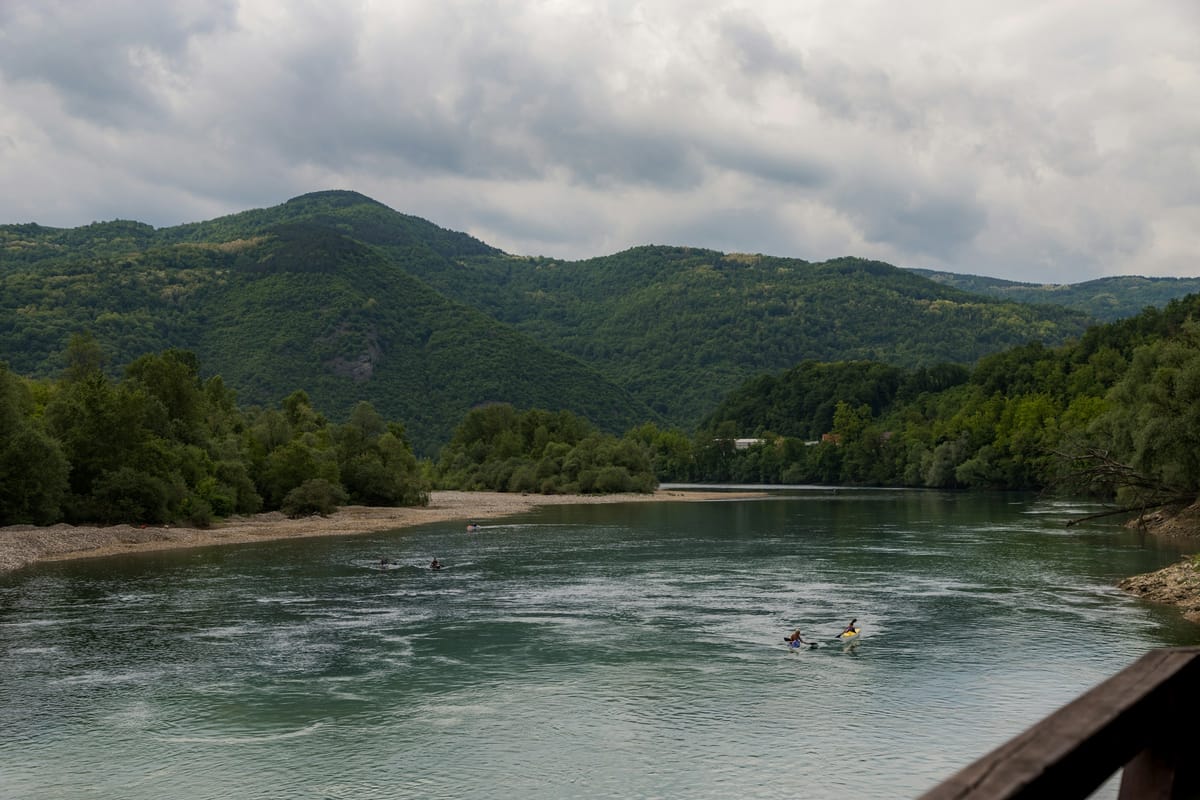
Niš, Central Europe
Niš: Skulls, Jazz & Roman Crossroads
Merak Over Everything: Locals build entire evenings around merak - a word that doesn't translate cleanly but means the deep, unhurried pleasure of good food,…
Novi Sad, Central Europe
Novi Sad: Danube, Fortress & Festival Vibes
The "Lale" Stereotype: Locals from Novi Sad and Vojvodina are affectionately called "Lale" across Serbia and known for their slow, phlegmatic, and unhurried …