🇸🇪 Sweden
Sweden Travel Guide - Lagom Balance & Nordic Innovation
2 destinations · Budget level 3
Overview
Sweden is Nordic nation where egalitarian values, environmental consciousness, and innovation culture create distinctive society balancing tradition with modernity. Swedish identity centers on 'lagom' philosophy meaning 'just the right amount' - not too much, not too little - permeating everything from work-life balance to conversation volume and portion sizes. The concept of 'jantelagen' (Law of Jante) discourages standing out or thinking you're better than others, promoting equality but sometimes stifling ambition - even CEOs dress like everyone else. 'Allemansrätten' (right to roam) reflects nature connection - legal right to access any land for recreation creates weekend cottage culture and outdoor lifestyle regardless of property ownership. Fika ritual (coffee break with pastries at 10 AM and 3 PM) bonds society - refusing invitation considered rude, workplaces mandate breaks, social relationships maintained through sacred coffee culture. Gender equality fundamental - parental leave shared equally, household duties split, both partners expected to work, challenging traditional gender roles more than most societies, similar to the progressive social values found in Denmark and Finland. Lutheran heritage creates secular spirituality - Church of Sweden membership declining but cultural values of modesty, equality, and social responsibility persist. Environmental leadership point of pride - locals recycle religiously in eight categories, sustainability innovations exported globally, climate consciousness shapes daily decisions. Reserved social culture stereotypical but real - personal space obsession, soft-spoken public conversations, bus stop queues maintaining 2-meter distance even in rain.
Travel tips
Punctuality Sacred: Being late deeply disrespectful - trains run exactly on time, locals arrive 5 minutes early to everything including fika, plan arrivals precisely. Personal Space Respect: Maintain comfortable distance during interactions, conversations soft-spoken in public, standing too close makes Swedes visibly uncomfortable. Fika Culture Mandatory: Accept coffee break invitations or risk appearing rude, even business meetings include fika, sacred ritual binding society. Jantelagen Awareness: Avoid bragging or flashy displays of wealth, expensive clothing draws judgment, equality valued over individual achievement publicly. Cashless Society: Cards and mobile payment (Swish) preferred everywhere, many places don't accept cash, tourists need international credit cards. Recycling Religion: Eight different categories normal, improper trash disposal draws severe judgment, take environmental responsibility seriously. Allemansrätten Usage: Free access to nature with responsibilities - no littering, stay at least 70m from houses, leave no trace, locals enforce unwritten rules. Systembolaget Planning: Government alcohol monopoly closes 3 PM Saturdays, closed Sundays, plan purchases around limited hours or face dry weekend.
Cultural insights
Swedish society revolves around equality, consensus-building, and conflict avoidance through measured communication. Lagom philosophy shapes worldview - appropriate amount of work, vacation, consumption, emotion creates balanced life locals pursue consciously. Jantelagen cultural code creates tall poppy syndrome - success celebrated privately not publicly, bragging taboo, standing out socially dangerous, even billionaires dress modestly. Gender equality world-leading - 480 days shared parental leave, fathers actively involved in childcare, women in boardrooms and parliament, traditional gender roles challenged systematically. Nature connection essential for mental health - weekend cottage culture means families disappear to forests and archipelago Friday-Sunday, 'friluftsliv' (open-air living) philosophy emphasizes outdoor time regardless of weather, with Sweden's 15 UNESCO World Heritage sites protecting cultural and natural treasures including the High Coast and Decorated Farmhouses of Hälsingland. Secular spirituality replaced religious observance - meditation, yoga, and nature connection provide meaning, churches host cultural events more than worship, Christmas and Easter cultural not religious. Fika transcends coffee break - social institution maintaining relationships, workplace democracy forum, informal communication channel, mandatory for integration. Reserved social behavior creates challenges - Swedes don't small talk easily, alcohol needed for social lubrication, making Swedish friends takes patience and persistence. Immigration debates tension point - generous refugee policies versus integration challenges, locals navigating identity questions about Swedish culture preservation.
Best time to visit
Winter (December-February): Magical despite cold -7°C to 2°C, Christmas markets and Lucia celebrations, northern lights in Lapland, locals embrace 'mysig' (cozy) indoor culture, skiing season peaks, darkness affects mood (6 hours daylight in Stockholm December). Spring (March-May): Warming weather 5-14°C, locals emerge from winter hibernation eagerly, nature awakens, fewer tourists, Easter brings traditions, unpredictable weather requires layers. Summer (June-August): Perfect 20-25°C (locals consider 25°C heatwave), endless daylight (18+ hours in Stockholm June), Midsummer celebration late June, archipelago season peaks, locals flee cities for cottages, highest prices and crowds. Autumn (September-November): Beautiful fall colors late October, comfortable 5-18°C, locals return from summer break, cultural season begins with concerts and exhibitions, rain increases but manageable. Best Overall: June-August for weather and midnight sun but expect crowds and high prices, September for fall colors and fewer tourists, December for Christmas atmosphere despite darkness.
Getting around
Tunnelbana (Metro): Stockholm's three-line metro (Green, Red, Blue) world's longest art gallery, 43 SEK single ticket valid 75 minutes, extremely punctual 2-10 minute frequencies, locals use monthly passes (1,020 SEK adults). SJ Trains: Efficient rail network connecting major cities, Stockholm-Gothenburg 3 hours (350-800 SEK), Stockholm-Malmö 4.5 hours (400-1,000 SEK), book early for discounts, locals commute between cities regularly. Buses: Extensive network covering areas trains don't reach, same ticket system as metro, night buses when metro closes (1-5 AM weekends). Ferries: Archipelago boats (Waxholmsbolaget) reach Stockholm's 30,000 islands, 100-200 SEK depending on distance, locals use for island-hopping May-September. Cycling: Extensive bike infrastructure year-round, locals cycle in snow, rentals 100-150 SEK/day, Stockholm City Bikes seasonal May-October (300 SEK for 3-day pass). Car Rental: Freedom for countryside and northern Sweden, 700-1,200 SEK/day, right-hand traffic, excellent road conditions, parking expensive in cities. Walking: Most areas extremely walkable, pedestrian-friendly with clear crossings, locals respect traffic signals religiously, waterproof shoes essential.
Budget guidance
Budget Travel (700-1,200 SEK/day or €60-105/day): Hostel dorms 350-500 SEK, supermarket groceries and street food 300-500 SEK, public transport 50-150 SEK, free museums under 18 and nature access, cook own meals to save significantly. Mid-Range (1,200-2,500 SEK/day or €105-220/day): Budget hotels 1,200-2,000 SEK, restaurant meals 250-600 SEK, monthly metro pass or occasional taxis, museum entries 100-200 SEK, comfortable travel with some splurges. Luxury (2,500+ SEK/day or €220+/day): Four-star hotels 2,500-4,500+ SEK, fine dining 500-1,500 SEK per meal, taxis and rental cars, archipelago boat trips, premium experiences, spa treatments. Sweden expensive by global standards - locals earn high salaries (SEK 35,000-55,000/month median) supporting high costs, budget carefully, supermarket shopping versus restaurants saves enormously, alcohol from Systembolaget cheaper than bars (beer SEK 20-30 vs SEK 70-95).
Language
Swedish is North Germanic language sharing roots with Norwegian and Danish. Exceptional English proficiency means tourists rarely struggle - 90% of Swedes speak English fluently, younger generation often better at English than formal Swedish. Essential Swedish: 'Hej' (hello), 'Tack' (thank you), 'Tack så mycket' (thank you very much), 'Varsågod' (you're welcome), 'Ursäkta' (excuse me), 'Förlåt' (sorry), 'Ja/Nej' (yes/no). Stockholm slang: 'Tja' (casual hello), 'Tuben' (metro), locals use place shortcuts like 'Medis' for Medborgarplatsen. Pronunciation challenges include melodic intonation patterns and vowels (å, ä, ö) that don't exist in English. Learning basic phrases appreciated but not necessary - locals immediately switch to perfect English when detecting accent. Regional dialects exist - Skåne (southern Sweden) sounds Danish, northern dialects distinct, but standard Swedish understood everywhere.
Safety
Sweden extremely safe with low crime rates - violent crime rare, locals trust society and institutions. Petty theft exists in tourist areas and public transport - watch bags and phones in crowded metro stations. Pickpockets target tourists at Gamla Stan and major attractions - locals don't flash valuables unnecessarily. Drunk behavior most likely source of trouble - Friday/Saturday nights see alcohol-fueled incidents, locals pre-drink at home before bars (alcohol expensive). Traffic safe - drivers respect pedestrians, cyclists have dedicated lanes, locals follow rules religiously. Nature safety considerations - 'allemansrätten' comes with responsibilities, tick-borne encephalitis risk in forests (vaccination available), dress for sudden weather changes. Emergency numbers: 112 (general), SOS Alarm handles all emergencies. Healthcare excellent - EU citizens use European Health Insurance Card, others need travel insurance, pharmacies (Apotek) well-stocked. Tap water exceptional quality - locals drink freely and judge bottled water wasteful. LGBTQ+ travelers welcomed - progressive attitudes, Pride celebrations large, legal protections strong. Terrorism low risk but awareness maintained after rare incidents.
Money & payments
Swedish Krona (SEK/kr) is currency. Sweden nearly cashless - cards and mobile payment (Swish) dominant, many establishments refuse cash entirely, locals use cards for even small purchases. International credit cards widely accepted, contactless payments standard. Swish app used for peer-to-peer payments requires Swedish bank account (tourists stick with cards). ATMs available but decreasing in number as cash usage drops. Typical costs: Fika (coffee and cinnamon bun) 70-100 SEK, Casual lunch 120-180 SEK, Mid-range dinner 250-400 SEK, Beer (pub) 70-95 SEK, Grocery coffee 50-80 SEK, Museum entry 100-200 SEK. Tipping culture: Service charge included in bills, rounding up appreciated but not mandatory, locals tip 5-10% for exceptional service only. Budget advice: Alcohol from Systembolaget (government store) significantly cheaper than bars, cook at hostels/apartments to save enormously, fika at konditori cheaper than restaurant meals. Currency exchange poor rates - use cards directly. No plans to adopt Euro despite EU membership - Swedes protective of krona sovereignty.
Destinations in Sweden
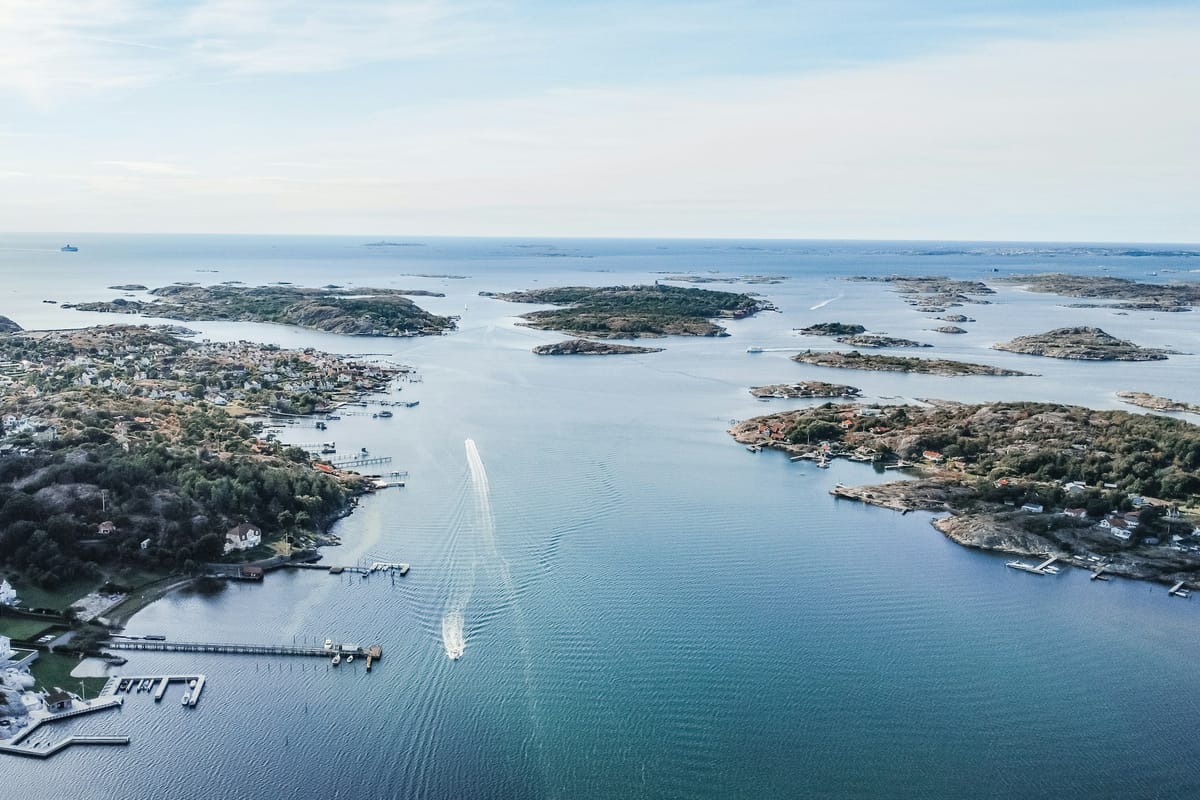
Gothenburg, Northern Europe
Gothenburg: West Coast Working-Class Soul
Second City Complex: Gothenburgers define themselves against Stockholm constantly - locals will tell you unprompted that their city is friendlier, less prete…
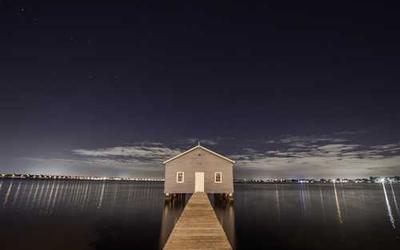
Stockholm, Western Europe
Stockholm: Archipelago & Lagom Living
Punctuality Is Sacred: Swedes view being late as deeply disrespectful - trains run exactly on time, and locals arrive 5 minutes early to everything, includin…