🇫🇮 Finland
Finland Travel Guide - Where Silence Speaks Louder Than Words
2 destinations · Budget level 2
Overview
Finland sits at Europe's northeastern edge where 188,000 lakes meet endless forests covering 75% of the land - a country of profound silence, personal space, and philosophical relationship with nature. Finnish identity forged through Swedish rule (1150-1809), Russian empire occupation, brutal Winter War (1939-40), and rapid transformation into Nordic welfare state creates unique character - introverted yet deeply communal, reserved yet unshakably hospitable once trust established. The concept of 'sisu' defines Finnish spirit - extraordinary perseverance beyond perceived mental or physical limits, determination that saw outnumbered soldiers defend independence, rebuilt nation from war ruins, now drives world-leading education and innovation. Sauna culture centers Finnish life - 3 million saunas for 5.5 million people, not just bathing but sacred equalizing space where CEOs and workers sit naked, titles meaningless, trust absolute. Silence isn't awkward but comfortable, personal space священ (sacred) - bus stop strangers stand 5 meters apart, small talk considered pointless unless meaningful. 'Jokamiehenoikeus' (everyman's right) grants all freedom to roam wilderness, pick berries, camp temporarily on any land - nature belongs to everyone, this ancient custom now fundamental law. Mökkielämä (cottage life) essential to Finnish wellbeing - half the population owns or accesses lakeside cabin, chopping wood and wood-fired sauna rituals reconnecting urbanites to land their grandparents worked. Equality deeply ingrained - world's best education system trusts teachers completely, minimal testing, no tuition through university. Finns value directness over politeness, quality over quantity in friendships, functionality over flash in design. Post-war generation's Nordic model built comprehensive welfare state on trust - parents leave babies napping outside cafés, unlocked bikes common, societal cohesion rooted in shared hardship and egalitarian values.
Travel tips
Silence Comfort: Finns use silence naturally in conversation - don't fill quiet moments, rushing to speak considered rude, meaningful words valued over small talk chatter. Personal Space Sacred: Maintain 1+ meter distance from strangers, bus seat etiquette means sitting with empty seat between passengers, standing too close makes Finns visibly uncomfortable. Sauna Etiquette: Always shower before entering, sit fully nude in traditional settings (swimsuits touristy), person on hottest upper bench controls löyly (steam), whisper if talking, never rush - locals spend hours rotating sauna-lake-sauna. Shoe Removal: Take shoes off entering Finnish homes, even if host says otherwise - ignoring this core custom genuinely offensive, slippers often provided. Punctuality Absolute: 'Finnish time' means exactly on time, arriving late considered disrespectful to others' schedules, if meeting at 14:00 arrive 13:58 not 14:05. Direct Communication: Finns say what they mean without softening language, 'we should meet sometime' means genuinely making plans not polite dismissal, ask direct questions expect honest direct answers. Mökki Invitations: If invited to summer cottage, bring wine or quality beer, expect minimal electricity/wifi, participate in wood chopping and sauna heating, this invitation into sacred private space. Nature Rights Respect: Exercise everyman's right responsibly - camp 100+ meters from homes, don't pick protected flowers, leave nature pristine, locals fiercely protective of wilderness access rights. Alcohol Culture: Spirits over 5.5% sold only at state Alko monopoly (closed Sundays), beer up to 8% in supermarkets since 2024, public intoxication tolerated culturally but don't drink before Friday evening. Midsummer Exodus: Helsinki empties during Juhannus (Midsummer, late June) - locals flee to cottages nationwide, expect closed businesses and ghost-town cities, never schedule important meetings this weekend.
Cultural insights
Finnish culture revolves around nature connection, egalitarian trust, and profound comfort with solitude that foreigners often misread as coldness. 'Sisu' uniquely Finnish concept - pushing beyond limits through determination, not flashy heroics but quiet perseverance, manifested in Winter War defense against massive Soviet invasion, now expressed in enduring -30°C winters, marathon sauna sessions, ice swimming addiction. Introversion celebrated not stigmatized - Finns genuinely prefer fewer deeper friendships over many superficial connections, silence valued over idle chatter, personal space non-negotiable social norm. Regional identities exist but less pronounced than Nordic neighbors - Helsinki urbanites faster-paced than rural Finns, Lapland Sami culture distinct indigenous heritage, Ostrobothnia maintains Swedish-speaking communities, but equality values unite country. Sauna philosophy centers social leveling - naked bodies eliminate class markers, business deals negotiated in 90°C heat where everyone sweats equally, family saunas host births and deaths, this isn't mere bathing but spiritual cleansing and community bonding recognized by UNESCO's Intangible Cultural Heritage status since 2020. Mökkielämä represents escape from modern efficiency - summer cottage life means chopping wood manually, heating sauna for hours, swimming in frigid lakes, picking berries in silence, reconnecting to grandparents' farming past that urbanization erased within two generations. Nature relationship sacred - jokamiehenoikeus freedom to roam anywhere reflects belief wilderness belongs to all, not private property, locals pick mushrooms in 'your' forest legally, this access right fiercely protected as fundamental freedom. Education system rejects competition - no standardized testing until age 16, teachers trusted completely without oversight, recess every 45 minutes mandatory, equality means identical opportunities regardless of parents' wealth or postcode. Coffee culture ritualistic - Finns consume most coffee globally per capita, light roast endless cups, workplace coffee breaks (kahvitauko) social institution, always served with sweet pulla bread, refusing coffee mildly offensive. Design philosophy emphasizes functionality and honesty, with Alvar Aalto architecture, Marimekko textiles, Nokia engineering all reflecting Finnish directness, no ornamental excess, beauty through purpose. Alcohol relationship complex - heavy binge drinking culturally accepted on weekends, Alko state monopoly reflects governmental paternalism, historical temperance movement shaped restrictions, locals drink intensely but privately. Trust economy operates on honor system - roadside unmanned farm stands with cash boxes, bikes unlocked, parents leave strollers with sleeping babies outside cafés trusting strangers won't harm, this societal cohesion rare globally. Gender equality most advanced globally - both parents take parental leave, women in leadership positions normalized, 1906 first European country granting women voting rights, equality seen as economic necessity not just moral position. Language reflects values - Finnish lacks gendered pronouns (hän for all), formal/informal 'you' distinction disappeared, directness embedded in linguistic structure, Swedish mandatory in schools but locals prefer Finnish. Winter darkness shapes psychology - seasonal affective disorder common, candle consumption highest globally, locals embrace hygge-like coziness (not pursuing happiness but contentment), midnight sun summer compensates with surreal 24-hour daylight energy.
Best time to visit
Summer (June-August): Peak season when Finland transforms - temperatures 15-25°C in south, 10-20°C in Lapland, midnight sun provides near-24-hour daylight in north (actual midnight sun mid-May to July above Arctic Circle), lakes warm enough swimming, mosquitoes aggressive in forests especially Lapland (bring repellent), locals abandon cities for mökki cottages, Juhannus (Midsummer late June) sees Helsinki ghost-town empty, festival season peaks with rock/metal events, accommodation expensive and booked months ahead, endless daylight energizes but sleep disruption real. Autumn (September-October): Ruska (autumn colors) spectacular especially Lapland where forests turn red-gold-orange, temperatures 5-15°C crisp perfect hiking weather, Northern Lights season begins mid-August increasing through autumn, mosquitoes gone, tourist crowds vanished, locals return from cottages re-energized, mushroom and berry picking peak season exercising everyman's right, accommodation affordable, darkness returns providing contrast to summer's light excess. Winter (November-March): Coldest season -5 to -30°C (-40°C possible in Lapland), southern Finland gets 6 hours daylight December, Lapland experiences kaamos (polar night) in northern areas, Northern Lights prime viewing September-March especially February-March, skiing season peaks, locals embrace winter through ice swimming, cross-country skiing, wood-fired saunas, Christmas markets atmospheric, accommodation cheaper except Christmas/New Year, genuine Arctic experience without crowds. Spring (April-May): Shoulder season locals treasure - snow melts, days rapidly lengthen, temperatures 0-15°C, nature awakens explosively after winter dormancy, migratory birds return, Easter celebrated traditionally, tourist crowds minimal, accommodation bargains, locals emerge from winter hibernation renewed, May Day (Vappu) massive student celebration with picnics and sparkling wine despite potential snow, unpredictable weather but magical transformation witnessing.
Getting around
Trains: VR (state railway) connects major cities efficiently - Helsinki-Tampere €15-30 (1.5hrs), Helsinki-Rovaniemi €40-80 (8-12hrs overnight sleeper comfortable), book advance for best prices, trains modern punctual, locals use mobile app tickets, night trains popular avoiding accommodation costs while traveling, limited coverage in remote areas, Lapland train network stops at Rovaniemi/Kolari requiring buses further north. Buses: Extensive network reaches villages trains don't - OnniBus and Matkahuolto main operators, intercity tickets €10-50 depending distance, advance online booking cheaper than station purchase, locals use for reaching cottages and remote areas, Lapland buses essential beyond train termini, generally punctual and clean, wifi common on long-distance routes. City Transport: Helsinki HSL system covers metro/tram/bus/ferry - zones ABC including airport €9 day ticket, €3.20 single AB zone 80-minute ticket, contactless payment accepted, locals use rechargeable travel cards, other cities smaller bus networks €2-4 single rides, cycling infrastructure excellent in southern cities, locals bike year-round even winter. Rental Cars: Freedom for cottage areas and Lapland essential - €30-60/day depending season, right-hand traffic, winter tires mandatory November-March (studded recommended), locals drive cautiously, empty roads in rural areas, fuel expensive €1.80-2.00/liter, parking Helsinki challenging and costly €4-6/hour, absolutely necessary exploring lake regions and reaching remote mökkis. Cycling: Southern Finland bike-friendly - Helsinki rental bikes, dedicated lanes common, locals cycle year-round with studded tires winter, long-distance routes like Archipelago Trail popular summer, Lapland mountain biking growing, theft rare even unlocked bikes, functional transportation not recreational. Domestic Flights: Finnair Helsinki-Lapland flights €50-150 - useful time-saving versus 12-hour overnight trains, environmental conscious locals increasingly avoid domestic flights choosing trains despite duration, small airports in Rovaniemi/Ivalo/Kittilä serve Lapland tourism. Ferries: Baltic Sea routes to Stockholm/Tallinn/St.Petersburg party cruises where Finns buy duty-free alcohol and dance - Tallink/Viking Line operators, locals treat as mini-vacations, archipelago ferries free frequent connecting islands. Hitchhiking: Generally safe and locals occasionally pick up hitchhikers, though less common than 1980s, trusted enough that solo female travelers use it countryside, pointing thumb at ground not up Finnish style.
Budget guidance
Budget Travel (€60-90/day): Hostel dorms €25-35/night (Helsinki €30-40, smaller cities €20-30), cook meals at hostel kitchens or supermarkets (Lidl/S-market) - groceries €15-20/day covering rye bread €2-3, cheese/cold cuts €5-8, coffee €1, eat lunch specials (lounas) €10-15 at restaurants offering best value, city transport day tickets €8-15, free activities include nature walks exercising everyman's right, public beaches, Helsinki Central Library Oodi, municipal saunas €10-15 including Löyly Helsinki, camping legally almost anywhere outside private yards costs nothing. Mid-Range (€90-180/day): Budget hotels/Airbnb €50-90/night (€60-120 Helsinki), restaurant meals €15-25 lunch €8-15, cafés for pulla and coffee €5-8, museum entries €10-18 (many free Fridays), sauna experiences €15-30, occasional taxis €10-20, rental car €40-60/day transforms access to lake regions, domestic train journeys €20-50, quality Finnish meals €18-28 including traditional kalakukko or salmon soup, craft beer €6-9, Alko wine bottles €10-20, comfortable local lifestyle experiencing cottage rentals €80-150/night. Luxury (€180+/day): Boutique hotels €120-300+/night (Helsinki €150-400), fine dining €50-120 per meal experiencing New Nordic cuisine, private sauna experiences €100-200, spa treatments at lakeside resorts, helicopter tours over Lapland, Santa Claus experiences €150-300, glass igloo accommodation €250-500/night, private cottage rentals €200-500/night, still reasonable compared to Norway/Sweden/Switzerland. Finland expensive by global standards but locals earn €3,000-4,500/month median salary, tourist budgets stretch further using supermarkets and lunch specials, free nature access via everyman's right provides endless affordable activities, camping and cottage stays offer alternatives to hotel costs.
Language
Finnish (suomi) is Uralic language unrelated to Scandinavian languages - closer to Estonian and distantly Hungarian, notoriously difficult for foreigners with 15 grammatical cases, agglutinative structure creating impossibly long words. Swedish second official language spoken by 5% mainly coastal Ostrobothnia, all street signs bilingual Helsinki-Helsingfors. Essential phrases: 'Hei' (hey - hello), 'Moi' (moy - hi/bye informal), 'Kiitos' (KEE-tos - thank you), 'Ole hyvä' (OH-leh HUH-vah - please/you're welcome), 'Anteeksi' (AHN-tek-si - sorry/excuse me), 'Kippis' (KIP-pis - cheers), 'Moi moi' (bye), 'Puhutteko englantia?' (poo-HUT-teh-ko ENG-lan-tee-ah - Do you speak English?), 'Paljonko maksaa?' (PAHL-yohn-koh MAHK-sah - How much does it cost?). English extremely widespread - 70%+ speak English especially under-50s and cities, Helsinki nearly everyone speaks English, rural areas and older generations less proficient but younger family member usually helps, locals appreciate any Finnish attempts though will switch to English immediately hearing struggle. Pronunciation relatively phonetic once learned - double vowels held longer, 'j' as English 'y', 'ä' as 'a' in 'cat', 'ö' as 'u' in 'fur', no stress emphasis makes Finnish sound monotone. Language reflects values - no gendered pronouns (hän for everyone), formal 'you' (Te) disappeared with only sinä remaining showing egalitarianism, many compound words describing feelings untranslatable like 'kalsarikännit' (getting drunk alone at home in underwear with no intention going out). Learning basic phrases unnecessary for travel survival but earns genuine smiles - Finns proud of difficult language, touched by attempts, this effort breaks through reserved exterior faster than anything. Swedish useful in Åland Islands and western coast, Russian occasionally in eastern border areas, Sami languages spoken in northern Lapland by indigenous communities. English proficiency ranked #7 globally by EF index, better than Germany/France, Nordic education system emphasizes languages, locals consume English media untranslated, can discuss American politics or British football fluently.
Safety
Finland among world's safest countries - violent crime extremely rare, Helsinki safer than most European capitals, locals leave bikes unlocked and babies in strollers outside cafés, trust-based society with low crime. Emergency: 112 universal number for police/ambulance/fire across EU, operators speak English, response times excellent even remote areas. Petty theft exists in tourist areas - Helsinki Central Station and Kamppi, pickpockets rare but secure valuables in crowded spaces, bike theft increasing though still low by international standards, locals don't lock bikes in small towns. Nature hazards real - mosquitoes aggressive June-August especially Lapland forests bring strong repellent (50% DEET), ticks carry Lyme disease in southern forests check skin after hiking, bears and wolves exist in eastern wilderness (attacks rare, make noise hiking, never approach), moose-car collisions dangerous especially dusk/dawn rural roads (80kg animals destroy vehicles). Winter dangers serious - frostbite possible in -20°C or below in minutes without proper clothing, black ice makes roads treacherous November-March, avalanche risk in fell areas of Lapland requires local knowledge, falling through ice swimming holes needs locals confirming thickness. Water safety - tap water excellent quality drink everywhere, lakes clean enough swimming most areas, Baltic Sea cooler and sometimes algae blooms summer, locals ice swim year-round but beginners need supervision and proper warmup/cooldown to avoid heart shock. Healthcare excellent - EU citizens carry EHIC card, non-EU need comprehensive insurance, public hospitals (sairaala) high quality, pharmacies (apteekki) well-stocked, prescriptions needed for most medicines, locals trust healthcare system completely, costs reasonable even private clinics €80-150 consultations. Alcohol-related incidents only real concern - weekend nights drunk locals occasionally loud but rarely aggressive, locals binge drink but cultural acceptance means police lenient, don't drive after any alcohol (0.05% limit strictly enforced, penalties severe €500+ and license suspension). Solo travel extremely safe even women alone - harassment rare, locals intervene if witnessing discomfort, public transport safe all hours, hitchhiking relatively safe though less common now. LGBTQ+ travelers welcome - Helsinki Pride established, legal same-sex marriage since 2017, smaller towns more conservative but violence/discrimination rare, locals tend live-and-let-live philosophy. Racism unfortunately exists - locals generally welcoming but immigrants report discrimination, visible minorities may experience stares in homogeneous small towns, far-right politics growing concern though violence rare. Winter darkness psychological impact real - SAD affects many locals, seasonal depression common November-February, visitors may feel melancholic during kaamos polar night, locals cope through candles, sauna, embracing coziness (kalsarikännit culture). Drunk driving extremely rare - locals use designated drivers or taxis religiously, social stigma severe, never drive after drinking even one beer. Political stability absolute - democratic institutions strong, corruption nearly nonexistent, protests peaceful, no terrorism history, neutral military position though NATO membership 2023 after Russia-Ukraine war shifted security thinking.
Money & payments
Euro (EUR/€) official currency since 2002 replacing Finnish markka. Cash barely used - Finland one of world's most cashless societies, locals haven't touched coins in months, credit/debit cards accepted everywhere including €2 coffee purchases, mobile payments (Apple Pay/Google Pay/MobilePay Finnish app) extremely common, some cafés and buses refuse cash entirely displaying 'Ei käteistä' (No cash) signs, carry €20-50 emergency cash for rare rural vendors at farm stands or cottage rentals. ATMs (Otto) abundant in cities, rare in villages, €2-5 withdrawal fees for non-EU cards, locals withdraw cash maybe twice yearly. Visa/Mastercard universal acceptance, Amex limited to tourist areas Helsinki, Diners Club rare, contactless tap payments under €50 no PIN required. Typical costs: Coffee €3-4.50 (cheaper at chains like Espresso House €2.50), pulla cinnamon bun €2-3, lunch special (lounas) €10-15 incredible value, restaurant dinner €18-28, craft beer bar €6-9, Alko wine bottle €10-20, supermarket beer 4.7% €2-3.50 can, hostel dorm €25-35, budget hotel €60-90, sauna entry €10-18, Helsinki day transport €9, VR train Helsinki-Tampere €20-30, rental car €40-60/day, fuel €1.80-2.00/liter. Tipping not expected - service included in prices, locals never tip, round up restaurant bill couple euros only for exceptional service (10% considered excessive), no tipping taxis/bars/cafés/hotels, American tipping culture completely absent, servers paid proper wages €2,000-3,000/month, attempting to tip may confuse Finns who refuse or feel uncomfortable accepting. VAT (ALV) 24% included in all displayed prices - price you see is exactly what you pay, no surprise additions at checkout. Tax refunds for non-EU tourists on purchases over €40 - ask for tax-free form at payment, validate at airport customs, receive 10-15% refund. Nordic prices high but reflect high wages - locals earn €3,000-4,500/month median, €15 lunch expensive for tourist equals 0.3% daily salary for Finn, student discounts common (-50% transport/museums) with ISIC card or Finnish student card. Budget €70-90/day living like poor student eating supermarket food, €120-180/day comfortable experiencing restaurants and activities, €200+/day luxury without restraint. Credit card surcharges illegal, locals split bills (going Dutch cultural norm), mobile banking instant transfers between friends (MobilePay app ubiquitous for splitting dinner costs).
Destinations in Finland
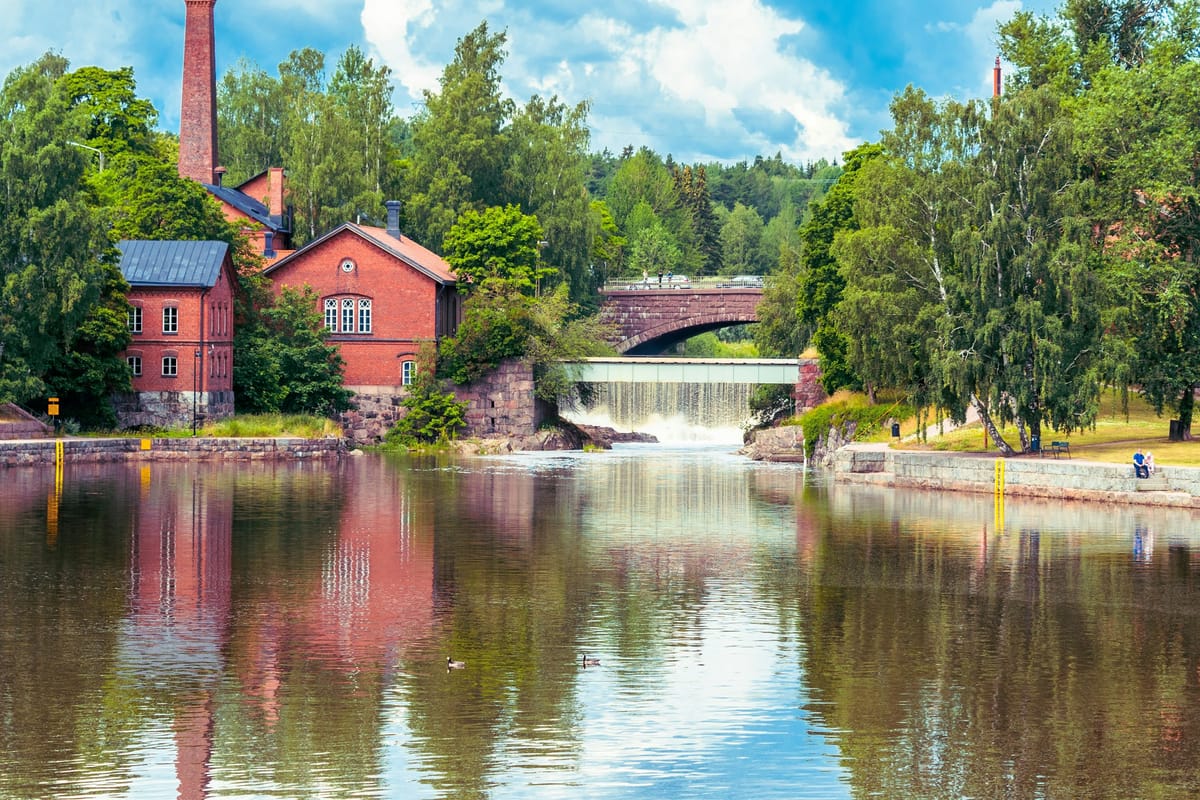
Helsinki, Northern Europe
Helsinki: Sauna, Sisu & Baltic Light
Silence Is a Feature, Not a Bug: Finns don't fill gaps with small talk - a bus full of people standing 1.5 meters apart in total silence is normal, not ruden…
Tampere, Western Europe
Tampere: Sauna Capital & Industrial Soul
Sauna Capital Reality: Tampere has over 50 public saunas for a city of 250,000 - locals take sauna culture more seriously here than anywhere else in Finland,…