🇺🇸 United States
United States Travel Guide - Where The American Dream Meets Regional Identity
50 destinations · Budget level 2
Overview
The United States sprawls across continental vastness where regional identities often matter more than national unity. American culture centers on radical individualism - the belief that personal effort determines success regardless of circumstances, what locals call 'pulling yourself up by your bootstraps.' This optimism creates boundless energy but also blame toward those who struggle. The 'American Dream' evolved from 1930s democratic ideals into modern material wealth pursuit, though 92% of 1940s children earned more than parents while only 50% of 1980s-born Americans achieve this now. Regional differences run deep - Southern hospitality and BBQ traditions differ vastly from West Coast environmental progressivism, Midwest straightforward friendliness contrasts East Coast urban efficiency, and red state/blue state political polarization shapes daily social dynamics. 'Hustle culture' glorifies overwork and side businesses, with 44% of Americans viewing side hustles as essential income despite burnout epidemic. Suburbs sprawl endlessly requiring car dependency - only 5% commute via public transit outside major cities. Sports culture borders on religious - Super Bowl becomes national holiday, college football unites entire states, tailgating rituals build community in stadium parking lots. Small talk with strangers expected everywhere - weather, sports, weekend plans discussed in elevators and grocery lines, though political topics increasingly inflammatory. Tipping culture mandatory 18-20% in service industries since servers earn sub-minimum wages. Second Amendment gun culture varies regionally from Wyoming's recreational hunting traditions to Florida's self-defense obsession to liberal states' constitutional activism. Americans communicate directly, value efficiency and punctuality ('time is money'), shift to first names immediately even professionally, and struggle with collective welfare versus individual freedom tensions.
Travel tips
Small Talk Culture: Strangers will chat in lines, elevators, waiting rooms - expected social behavior, ask about weather/sports/weekend, avoid politics/religion/money until relationship established. Tipping Mandatory: 18-20% restaurants (20% current standard), $1-2 per drink bars, $3-5 per bag hotel porters, refusing tips insults servers who earn $2-3/hour base wage, calculate on pre-tax amount. Political Sensitivity: Red state/blue state divide inflammatory - 72% Republicans and 63% Democrats view opposing party as immoral, avoid political discussions unless views aligned, regional attitudes vary dramatically. Car Dependency: Rent car for anywhere beyond NYC/SF/DC/Chicago - public transit limited, cities designed for driving, parking often free in suburbs but expensive downtown, ride-sharing apps (Uber/Lyft) ubiquitous. Credit Card Society: Cards accepted everywhere including food trucks, cash increasingly rare (14% of payments), contactless payment standard, always carry ID - carded for alcohol even if visibly over 21. Personal Space: Americans maintain 2-4 feet conversation distance, handshakes firm with eye contact, hugging acquaintances common in South/West, less so Northeast. Direct Communication: Americans say what they mean, appreciate clarity over politeness, 'How are you?' social greeting not genuine question, response always 'Good/Fine thanks' regardless of reality. Gun Culture Reality: Open carry legal many states, gun stores commonplace, don't photograph people with firearms without permission, regional attitudes vary - Wyoming recreational, Florida self-defense focused, New York restrictive. Sports Sacred: Don't schedule meetings during Super Bowl Sunday (late January/early February), college football dominates fall Saturdays in South/Midwest, wearing rival team jersey can provoke reactions. Portion Sizes: Restaurant servings 2-3x European standards - locals expect leftovers, asking for 'to-go box' normal, sharing entrees acceptable, free water refills unlimited.
Cultural insights
American identity built on contradictions - radical individualism versus conformity pressure, optimism mythology versus growing inequality, melting pot ideal versus persistent segregation patterns. Regional identities shape daily life more than national culture - Southerners practice hospitality as moral imperative, Midwesterners embody 'Minnesota Nice' passive-aggressive friendliness, West Coasters prioritize environmentalism and casual dress codes, Northeasterners value directness and education credentials as seen in the fast-paced culture of New York City. 'Hustle culture' defines modern work life - glorifying overwork, side businesses, productivity optimization, though younger generations increasingly reject burnout in favor of work-life balance. Americans uniquely optimistic - 64% disagree that success determined by forces outside control, believe anyone can achieve wealth through effort, though social mobility declining sharply. Political polarization at historic highs - 50% Republicans and 35% Democrats only befriend those sharing political views, partisan hostility rising, geographic sorting into ideological bubbles accelerating. Suburb and car culture creates isolation - zoning separates residential/commercial/industrial areas requiring driving everywhere, only 5% use public transit despite 7x spending increase since 1960s, car ownership tied to independence and freedom mythology. Sports culture unites communities - Friday Night Lights high school football in rural areas, tailgating rituals as important as games themselves, Super Bowl transcends sports into cultural event with commercials and halftime show equally valued. Food culture celebrates regional diversity - Kansas City sweet BBQ versus Carolina vinegar-based, Southern comfort food, Tex-Mex fusion innovation, food truck scenes transforming cities, portion sizes enormous with expectation of leftovers. Tipping not optional - service workers earn $2.13-$7/hour base wage, gratuities mandatory income supplement, not tipping considered theft, creates power dynamic where servers must perform friendliness. Gun culture deeply regional - Wyoming/Montana recreational hunting traditions, Southern cultural identity marker, Florida/Oklahoma self-defense focus, liberal urban areas Second Amendment activism despite restrictive laws, 30% households own firearms. Americans shift to first names immediately destroying formal hierarchy, value efficiency over relationship building ('time is money'), practice optimistic small talk as social lubricant, struggle with healthcare as commodity versus right. Immigration mythology celebrates 'nation of immigrants' while nativism surges cyclically, E pluribus unum (out of many, one) ideal battles growing tribalism, American exceptionalism belief that democratic values make nation uniquely special.
Best time to visit
Spring (March-May): Perfect weather 15-25°C most regions, national parks less crowded, Southwest deserts ideal temperatures after brutal summer, wildflowers bloom, shoulder season pricing, cherry blossoms Washington DC (late March-April), locals emerge from winter hibernation with outdoor enthusiasm, baseball season begins. Summer (June-August): Peak season everywhere - national parks crowded, temperatures vary wildly (Alaska 10-21°C perfect, Southwest deserts 38-49°C dangerous, Southeast humid 25-35°C), prices highest, school vacation chaos, beach towns packed, outdoor festivals and concerts peak, locals escape cities to mountains/lakes, air conditioning blasts everywhere, Fourth of July celebrations nationalistic spectacle. Autumn (September-November): Best overall season - comfortable temperatures 15-28°C, fall foliage spectacular Northeast/Midwest (October peak), crowds thin after Labor Day, shoulder pricing returns, football season dominates weekends, harvest festivals and pumpkin patches, national parks stunning colors, Thanksgiving week (late November) everything closes. Winter (November-March): Regional extremes - Northeast/Midwest brutal 0 to -20°C snow, Southwest deserts pleasant 10-20°C ideal hiking, Southeast mild 8-18°C, Alaska largely inaccessible, ski resorts thriving Western mountains, holiday season (Thanksgiving through New Year's) expensive and crowded, locals hibernate indoors, Super Bowl late January/early February cultural phenomenon, spring break (March) college students invade beach towns.
Getting around
Rental Cars: Essential outside major cities - roads excellent, gas relatively cheap $0.92-0.95/liter, automatic transmission standard, parking free in suburbs, $20-50/day downtown, locals drive everywhere, right-hand traffic, highway speeds 65-80 mph (105-130 km/h) depending on state. Domestic Flights: Massive distances require flying - NYC to LA 5 hours, budget airlines (Southwest, Spirit, Frontier) cheap but nickel-and-dime fees, TSA security invasive, locals fly frequently, book advance for deals, hub airports (Atlanta, Dallas, Chicago) connection points. Ride-sharing: Uber/Lyft ubiquitous in cities - locals use instead of taxis, transparent pricing, surge pricing during peak times, cashless payment, drivers rate passengers creating mutual accountability system. Public Transit: Only functional in NYC (subway), DC (metro), San Francisco (BART/Muni), Chicago (L), Boston (T) - elsewhere minimal and stigmatized as 'for poor people,' locals won't use even when available, bus systems exist but infrequent. Intercity Buses: Greyhound/Megabus cheap but slow and uncomfortable - locals avoid unless desperate, stations often sketchy areas, $20-60 between cities but 2-3x driving time. Trains: Amtrak scenic but impractical - Northeast Corridor (Boston-NYC-DC) viable, elsewhere infrequent and slow, cars cheaper and faster, locals romanticize trains but never use them, infrastructure crumbling. Cycling: Bike-friendly only Portland, Minneapolis, Boulder, parts of NYC/SF - elsewhere dangerous and car-centric infrastructure, locals don't cycle for transport (recreation only), bike lanes minimal outside progressive cities. Walking: Suburbs unwalkable by design - no sidewalks, everything miles apart, locals drive 0.5 miles to grocery store, only urban cores pedestrian-friendly, jaywalking illegal and enforced inconsistently.
Budget guidance
Budget Travel ($80-150/day): Hostels $30-60, Airbnb shared rooms $40-70, fast food/food trucks $8-15 meals, grocery store cooking $15-30/day, public transit where exists $3-8, free museums certain days, national parks $30-35/vehicle week-long pass, camping $20-40/night, locals live paycheck-to-paycheck this tier. Mid-Range ($150-300/day): Chain hotels (Marriott, Hilton, Holiday Inn) $100-180, casual dining restaurants $15-35 per meal, rental car $40-80/day plus gas, paid attractions $20-50, craft beer $6-9, coffee $4-6, comfortable American middle-class experience, tips add 20% to all service costs. Luxury ($300+/day): Boutique hotels $200-500+, fine dining $50-150+ per person, wine country tours, private guides, spa treatments $100-300, valet parking, luxury car rentals, still cheaper than Western Europe but varies wildly by region - NYC/SF/Miami expensive, Midwest/South affordable. Regional variations dramatic - Mississippi/Arkansas/West Virginia cheapest, Hawaii/California/New York/Massachusetts most expensive. Cities cost 2-3x rural areas - Manhattan hotel $400/night versus Tennessee motel $60. Tipping adds mandatory 18-20% to all restaurant/bar/service costs. Healthcare catastrophically expensive without insurance - avoid medical care or buy travel insurance, emergency room visit $500-5000+. Sales tax not included in prices - add 5-10% at checkout depending on state. National parks incredible value - $80 annual America the Beautiful pass covers all 62 parks managed by the National Park Service, perfect for exploring diverse American landscapes from coast to coast. Food portions enormous - one entrée often feeds two people, locals expect leftovers. Free refills sodas/coffee standard. Happy hour specials (4-7pm) offer discounted drinks/appetizers. Grocery stores cheap compared to Europe - Trader Joe's, Aldi budget options, Whole Foods expensive. Gas prices vary $0.80-1.20/liter by state.
Language
English is primary language with heavy regional accents and dialects - Southern drawl slow and welcoming, Boston drops Rs ('pahk the cah'), New York aggressive and fast, Midwest neutral 'standard' American, California vocal fry and uptalk. Spanish second language spoken by 13% population - essential in Miami, LA, Texas border towns, Southwest, increasingly common nationwide. Essential phrases and cultural context: 'How are you?' (greeting not genuine question, always answer 'Good/Fine thanks'), 'You're welcome' versus Southern 'Mm-hmm', 'Sorry' used constantly unlike Europeans, 'Yeah no' means no and 'No yeah' means yes in Midwest. Slang varies regionally: 'Y'all' (Southern plural you), 'Wicked' (New England intensifier), 'Hella' (California intensifier), 'Pop' versus 'Soda' versus 'Coke' (all meaning soft drink regionally). Americans speak only English - 80% monolingual, locals assume everyone speaks English even abroad, loud speaking stereotype often accurate, direct communication valued over subtlety. Service industry workers forced into performative friendliness for tips - 'How is everything tasting?' interruptions constant, 'My name is [Server]' introductions, fake enthusiasm part of American dining experience. Political correctness shapes language - outdated terms offensive, pronouns increasingly specified, though conservative regions resist. Measurement system archaic - miles, pounds, Fahrenheit, gallons, locals can't convert to metric, temperature discussions incomprehensible to visitors. Time zones confusing - four zones continental US (Eastern, Central, Mountain, Pacific) plus Alaska/Hawaii, locals say 'What time zone are you in?' for phone calls. Business jargon ubiquitous - 'circle back,' 'touch base,' 'synergy,' 'bandwidth' (meaning time), corporate speak infiltrates casual conversation.
Safety
United States generally safe for tourists with precautions. Gun violence statistics alarming but risk concentrated in specific neighborhoods locals avoid - tourist areas heavily policed, mass shooting risk statistically low but psychologically terrifying, 30% households own firearms though open carry varies by state. Violent crime varies dramatically by city and neighborhood - avoid showing expensive phones/cameras in certain areas, don't walk alone late night in unfamiliar neighborhoods, locals uber everywhere after dark even short distances. Scams target tourists in Times Square/Hollywood Boulevard/major attractions - aggressive CD sellers demanding payment, fake ticket vendors, QR code 'quishing' replacing legitimate codes with phishing versions, overcharging taxis (use Uber/Lyft with set pricing), street performers demanding tips after photos. Police interactions require specific etiquette - keep hands visible during traffic stops, don't argue or sudden movements, say 'yes officer' regardless of opinion, filming legal but can escalate, racial disparities in policing real concern, locals know protocol. Healthcare catastrophically expensive - $500-5000+ emergency room, $50-200 doctor visit, prescriptions 10x European prices, buy comprehensive travel insurance or avoid medical care, dental not covered even with insurance, locals go bankrupt from medical bills. Natural disasters regional - hurricanes Southeast coast (August-October), tornadoes Midwest 'Tornado Alley' (spring), earthquakes California/Pacific Northwest, wildfires Western states (summer-fall), winter storms Northeast/Midwest, flash flooding Southwest deserts, locals have emergency protocols. Political tensions high - avoid MAGA hats or political clothing in opposing areas, protests can turn violent, red state/blue state divide creates actual danger wearing wrong symbols, locals self-segregate politically. Tap water safe nationwide - locals drink freely, ice in everything, free water at restaurants. Emergency: 911 (police, fire, ambulance - universal number), locals call for minor issues unlike Europeans. Jaywalking technically illegal - locals ignore in NYC but enforced elsewhere, cross at crosswalks to avoid tickets. Car culture dangers - pedestrian deaths rising, drivers don't yield, assume cars won't stop, defensive walking required. Food safety excellent - FDA regulated, locals trust restaurants, food poisoning rare. Opioid crisis visible - homeless encampments major cities, avoid needles/drug paraphernalia in certain areas, locals desensitized. Tipping creates safety net - undertipping can provoke confrontation, always tip 18-20% to avoid conflict. LGBTQ+ safety regional - progressive cities (NYC, SF, Seattle, Portland) very safe and celebratory, rural South/Midwest discretion advised, bathroom bills and political rhetoric create tensions, locals aware of safe versus unsafe areas. Racial dynamics complex - segregation patterns persist, microaggressions common, BLM movement and backlash create tensions, travelers of color may experience profiling, locals navigate carefully.
Money & payments
United States Dollar ($, USD) is currency. Credit/debit cards accepted everywhere - even food trucks and street vendors, contactless payment (tap) standard, Apple Pay/Google Pay ubiquitous, locals rarely carry cash (only 14% of payments), Venmo/Zelle peer-to-peer transfers common. Cash acceptance declining but still needed for tipping service staff - bartenders prefer cash tips ($1-2/drink), valet parking $3-5 cash, some local businesses cash-only especially immigrant-owned. ATMs everywhere - usually $3-5 fee for non-bank ATMs, banks charge additional foreign transaction fees, locals use bank ATMs to avoid fees. Sales tax NOT included in displayed prices - add 5-10% at checkout depending on state, tourist confusion constant, locals calculate mentally. Typical costs (varies dramatically by region): Coffee $4-6 (Starbucks standard), Fast food meal $10-15, Casual restaurant $15-35 per person, Craft beer $6-9, Cocktail $12-18, Gas $0.92-0.95/liter, Subway ride $2.75-3, Budget hotel $60-120, Mid-range hotel $120-250, Grocery basics $15-30/day, National park entry $30-35/vehicle. Tipping mandatory adds 18-20% to all service: Restaurants 18-20% (20% current standard for good service), Bars $1-2 per drink or 15-20% tab, Food delivery 15-20%, Uber/Lyft 10-15%, Hotel housekeeping $3-5/day, Valet parking $3-5, Hair salon 15-20%, Taxi 15-20%. Not tipping considered theft since servers earn $2.13-7/hour base wage expecting tips to reach minimum wage - locals judge heavily those who don't tip. Credit card processing fees 3-4% sometimes deducted from employee tips - cash tips better for workers but cards earn rewards points for payers. Foreign transaction fees 3% most US credit cards - get travel credit card or pay fee, locals don't think about this. Prices vary wildly by state/region - NYC/SF/Hawaii/Boston expensive (2-3x national average), Mississippi/Arkansas/Tennessee/Oklahoma cheap, locals know cost of living differences drive migration patterns. Healthcare costs absurd - $500-5000 emergency room, $30-100 prescription, buy travel insurance or risk bankruptcy, locals live in fear of medical bills. Free refills soft drinks/coffee universal, free tap water everywhere, bread/chips often free at restaurants. Sales/Black Friday (day after Thanksgiving) massive discounts - locals shop religiously, malls packed. No-haggling culture except cars/houses - listed price is expected price, locals don't negotiate unlike other cultures.
Destinations in United States
Amarillo, North America
Amarillo: Panhandle Wind, Cowboy Grit, and Canyon Soul
Wind Is a Personality Trait: Amarillo sits on the flat, treeless High Plains, and the wind doesn't just blow here - it howls, sometimes 30-40 mph on an ordin…
Anchorage, North America
Anchorage: Alaska's Wild Urban Gateway
The Moose Are Not Optional: Anchorage shares its streets with roughly 1,600 moose. You will see one — probably stopping traffic on a busy boulevard, bedding …
Asheville, North America
Asheville: Mountain Arts & Craft Beer Capital
Keep Asheville Weird: This is not just a bumper sticker — it's a civic religion. Locals take genuine pride in preserving the city's eccentric identity agains…
Austin, Texas
Austin: Keep Austin Weird - A Dying Dream Crushed by Tech Transplants
California Invasion: Tech workers fleeing Bay Area pricing out locals, natives bitter about transplants, 'Don't California my Texas' bumper stickers everywhe…
Battle Creek, North America
Battle Creek: Cereal City - Where Health Food Pioneer Spirit Meets Midwest Charm
Cereal City Identity: Battle Creek is the birthplace of breakfast cereal - locals are genuinely proud that Kellogg's invented corn flakes here in 1894, and c…
Bellingham, North America
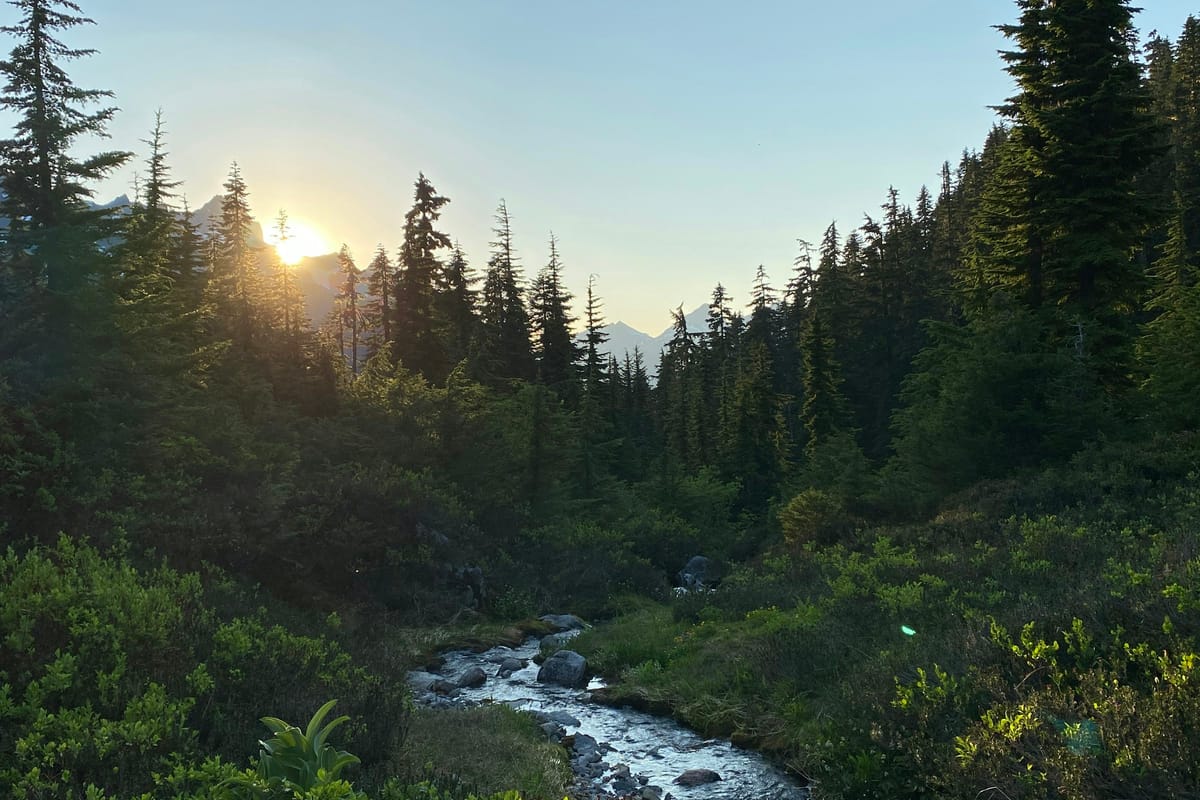
Bellingham: Gateway to North Cascades & Salish Sea
The B-Ham Identity: Locals call their city "B-ham" and are fiercely proud of it. Ask a local how Bellingham compares to Seattle and watch them bristle slight…
Bend, North America
Bend: High Desert Brews and Cascade Playground - Where Volcanoes, River Floats and Craft Beer Collide
Roundabout Capital: Bend has dozens of roundabouts, including chains of them on the Westside, and locals will tell you they are the town's real traffic law. …
Boise, North America
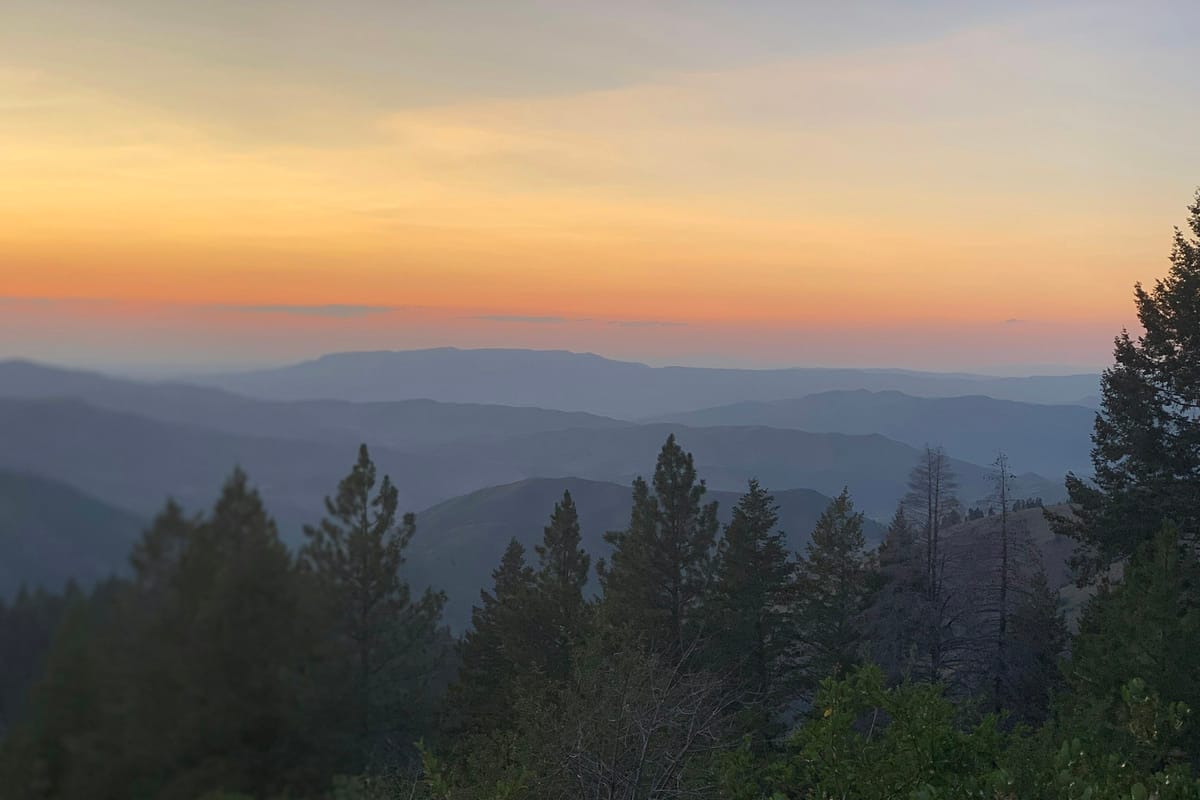
Boise: City of Trees, Treasure Valley Soul
The Bench Isn't a Bench: Locals casually say "heading up the Bench" or "down on the Bench" to mean the elevated shopping and residential terraces south of th…
Boston, North America
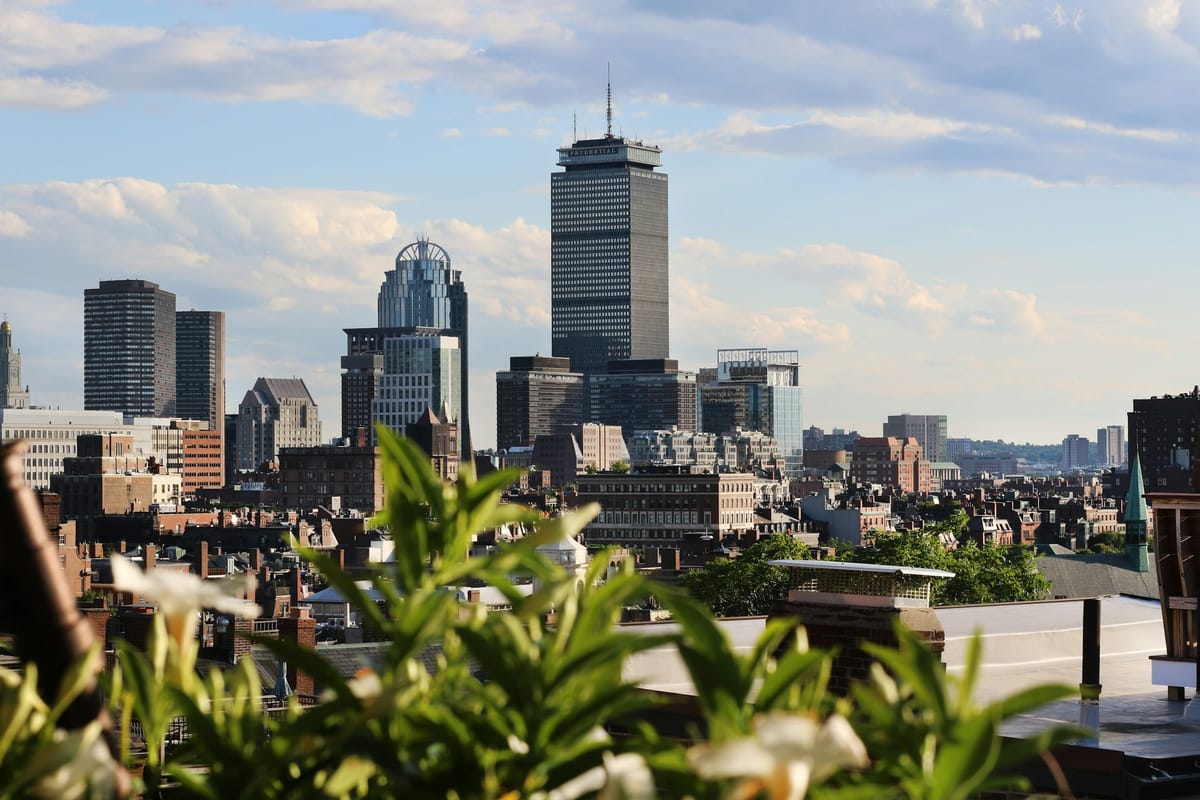
Boston: Freedom Trail & Red Sox Soul
The Masshole Behind the Wheel: Bostonians drive like the rules of the road are suggestions - rolling stops, aggressive merges, and horn-honking the instant a…
Buffalo, North America
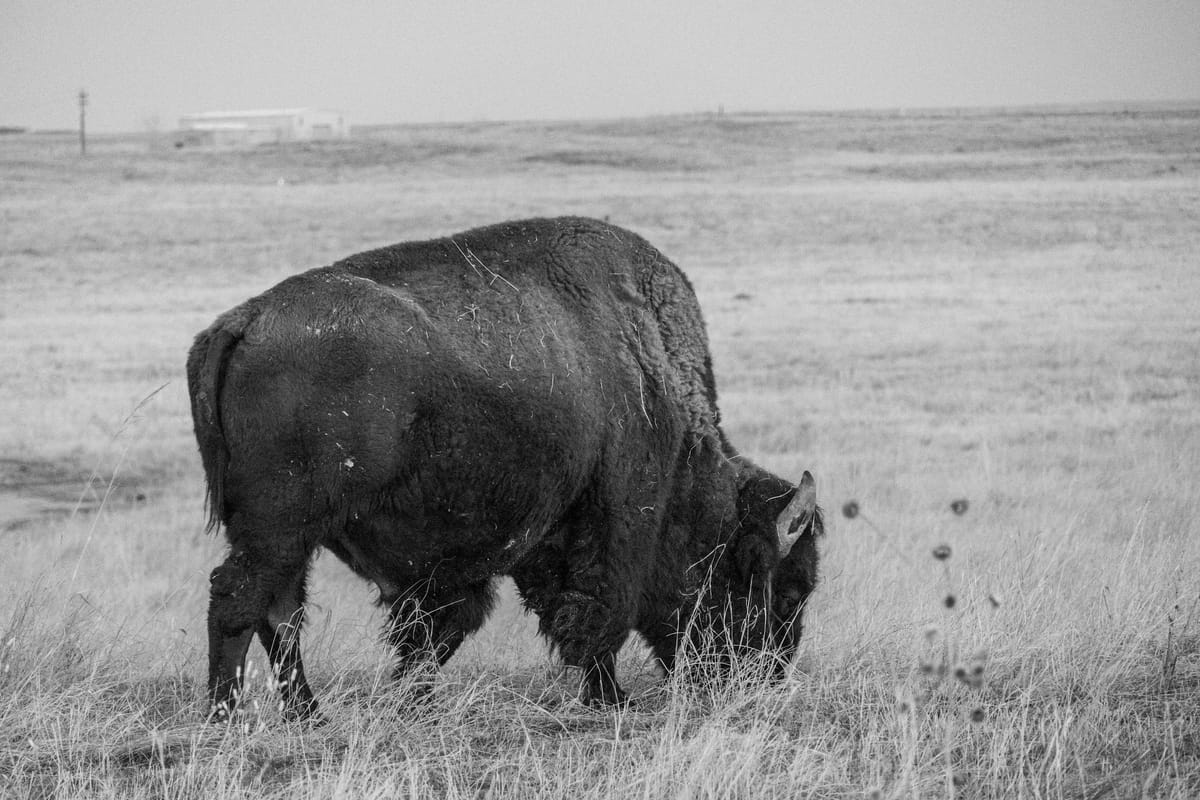
Buffalo: City of Good Neighbors, Snow, and Sauce
"The City of Good Neighbors" Is Not Just a Slogan: Locals genuinely lean into it - strangers wave you into traffic, shovel the sidewalk in front of the neigh…
Chattanooga, North America
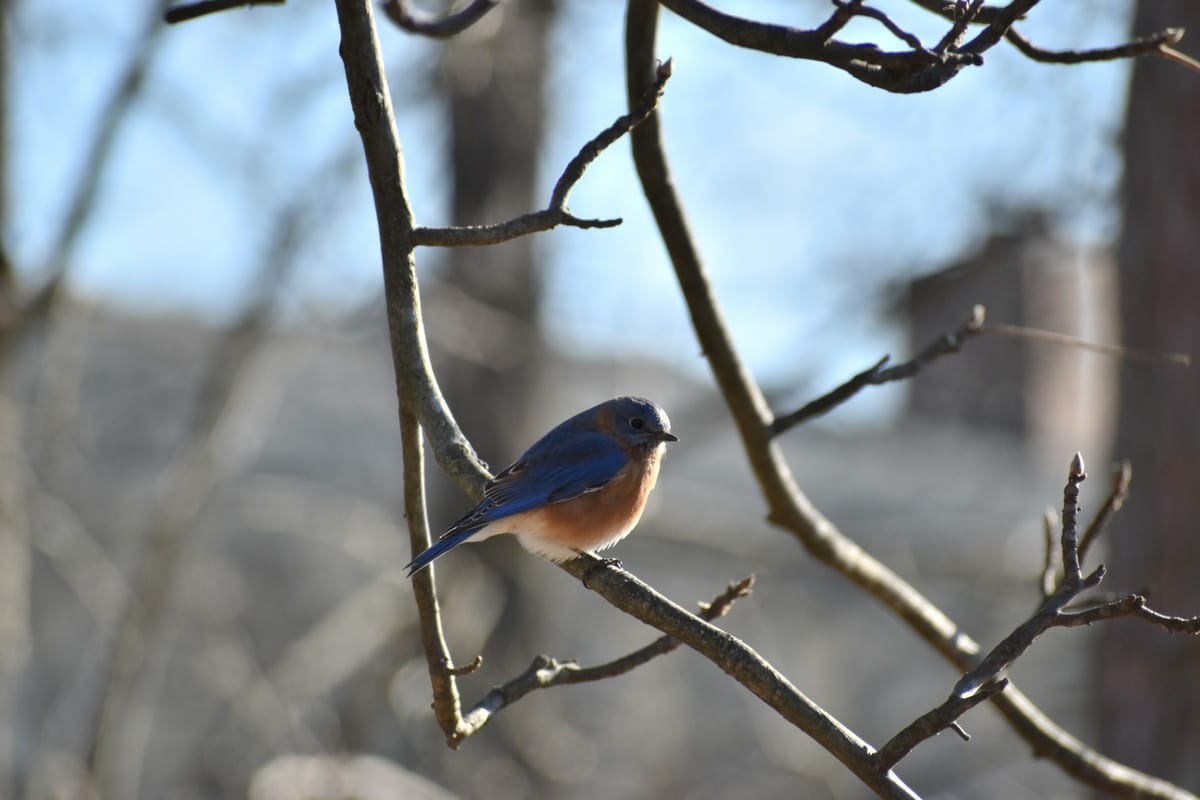
Chattanooga: Scenic City River & Rocks
"Scenic City" Identity: Locals embrace Chattanooga's transformation from "America's dirtiest city" (declared by Walter Cronkite in 1969) to one of the most l…
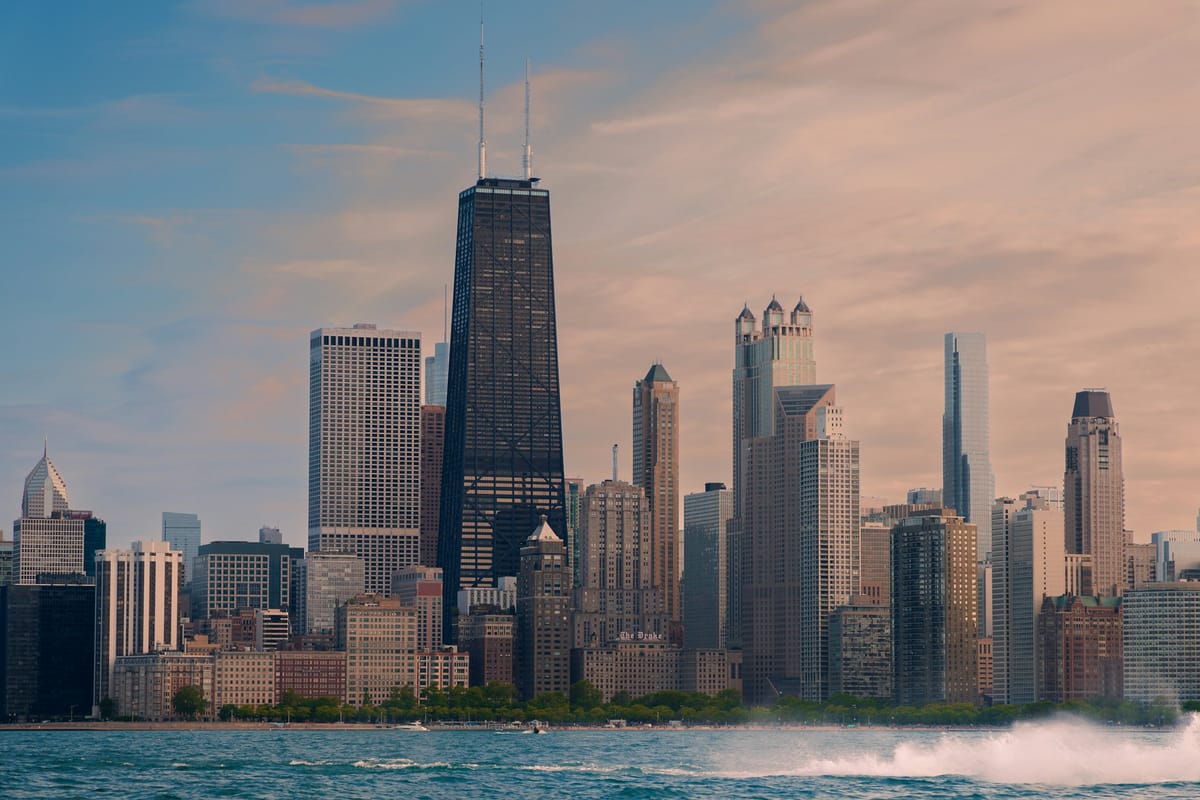
Chicago, North America
Chicago: Windy City, Deep Dish Soul
"The Windy City" Isn't About Wind: The nickname actually comes from 19th-century politicians being "windbags" during Chicago's bid to host the 1893 World's F…

Cincinnati, North America
Cincinnati: Queen City Chili & Charm
The Chili Debate Is Real: Nowhere else on earth will you find people arguing so passionately about chili served over spaghetti. The Skyline vs. Gold Star riv…
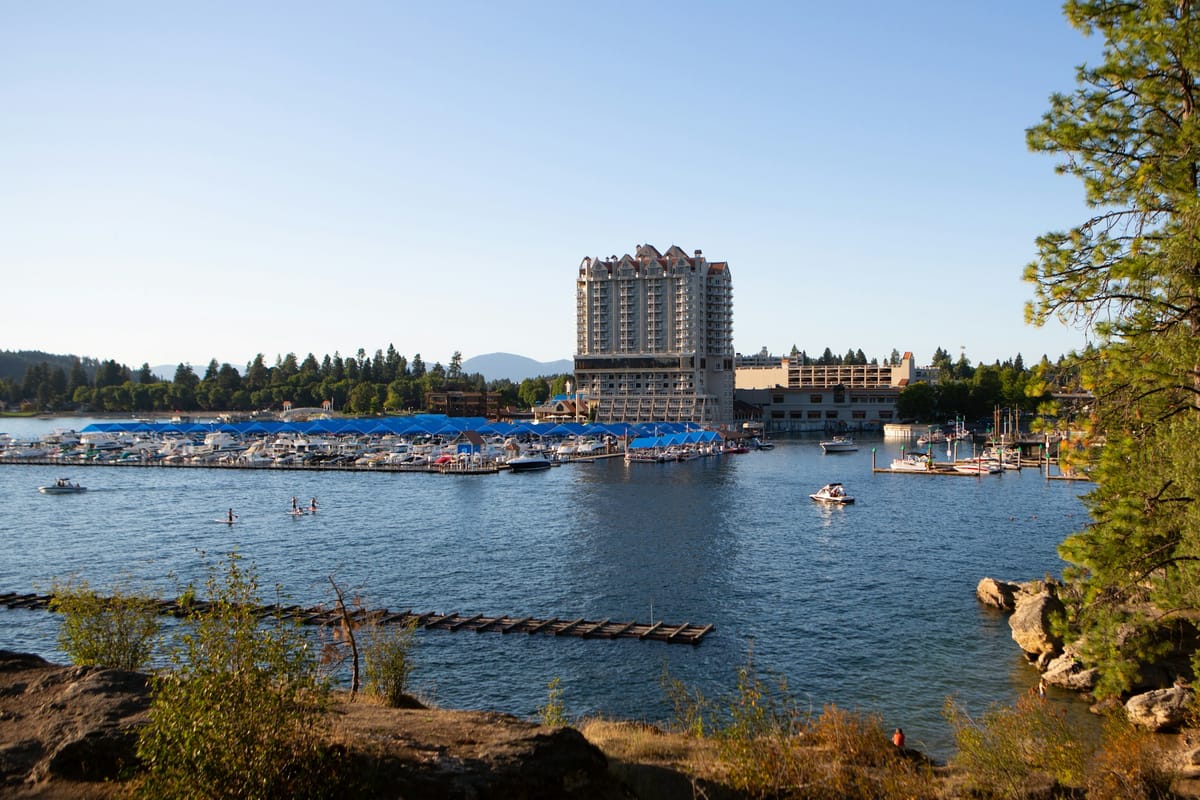
Coeur d'Alene, North America
Coeur d'Alene: Lake City Outdoor Paradise
The "California Refugee" Phenomenon: Coeur d'Alene has been absorbing waves of out-of-state transplants — first from California in the '70s and '90s, then a …
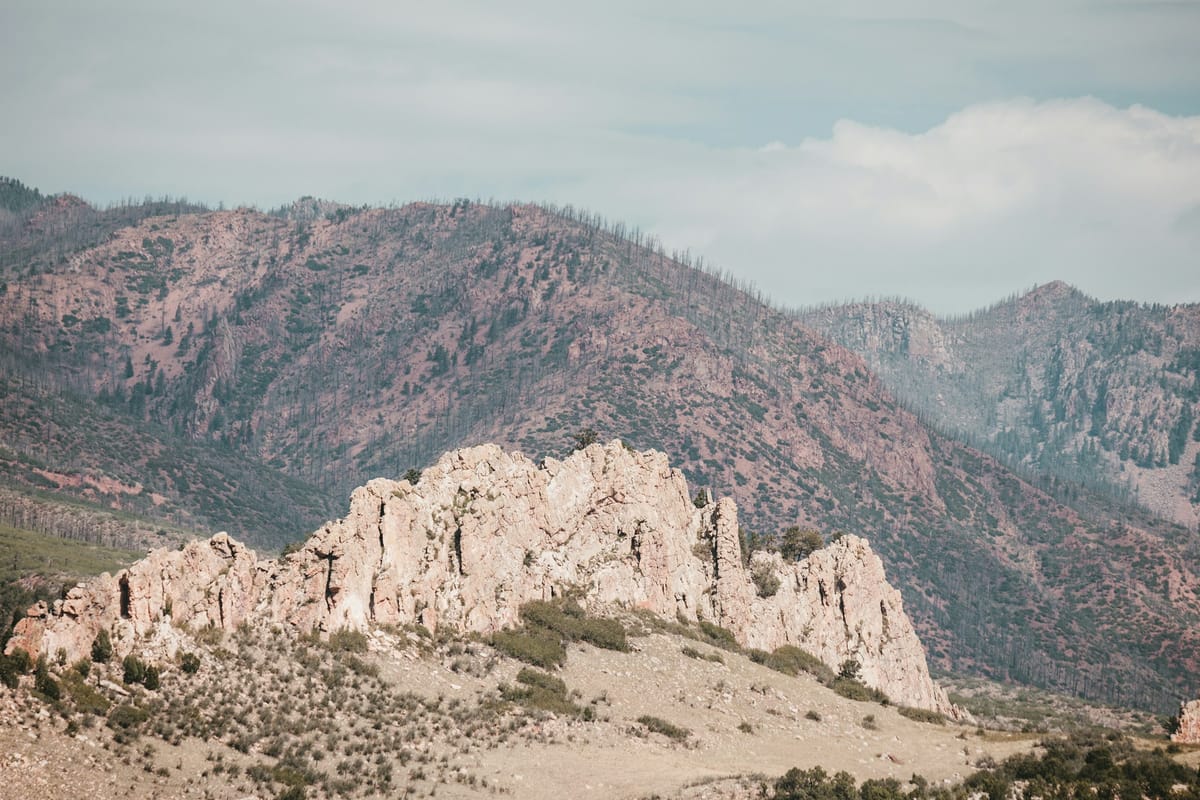
Colorado Springs, North America
Colorado Springs: Rockies Outdoor Soul
It's Always 'The Springs': Locals never say Colorado Springs in full - it's always 'The Springs,' never just 'Springs.' Every other town with Springs in its …
Columbus, North America
Columbus, Ohio: Heartland Hustle & Buckeye Pride
America's Test Market: Locals half-joke, half-brag that Columbus is "Test City, USA" - McDonald's, Wendy's (born here), Bob Evans, and countless national cha…
Dallas, North America
Dallas: Big D, BBQ & Cowboy Culture
Everything's Bigger Philosophy: Locals genuinely believe everything should be supersized - from 64oz fountain drinks to pickup trucks that dwarf European car…
Dayton, North America
Dayton: Wright Brothers & Gem City Soul
Aviation Is Identity, Not Tourism: Dayton locals don't just mention the Wright Brothers as a fun fact - it's a deeply held civic identity. Locals will casual…

Daytona Beach, North America
Daytona Beach: Speed, Sand & Sunshine
Cars on the Beach: Daytona is one of the last places in America where you can legally drive your car directly onto the beach. The 23 miles of hard-packed Atl…
Denver, North America
Denver: Mile High Mountain Casual - Where 300 Days of Sunshine Meet Craft Beer Culture
Mile High Adjustment: At exactly 5,280 feet (one mile) above sea level, Denver's altitude hits visitors hard - locals recommend drinking twice as much water …
Des Moines, North America
Des Moines: Heartland Fair Capital
Beggar's Night, Not Halloween: Des Moines kids trick-or-treat on October 30, not Halloween. They're required to tell jokes at each door to earn candy – a loc…
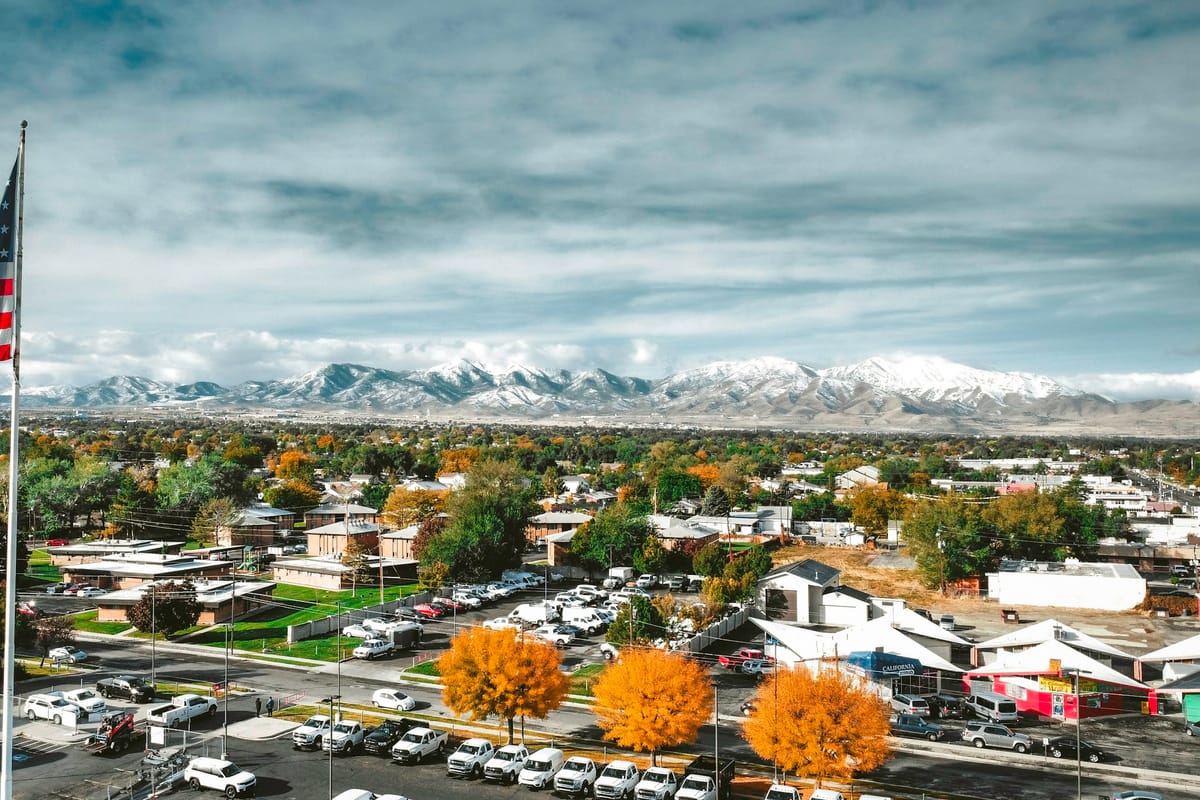
Erie, North America
Erie: Lake Effect, Perch Sandwiches, and Great Lake Grit
"Lake Effect" Is a Verb Here: When locals say "it's lake-effecting," they mean a very specific kind of snow band that can dump two feet on one side of the ci…
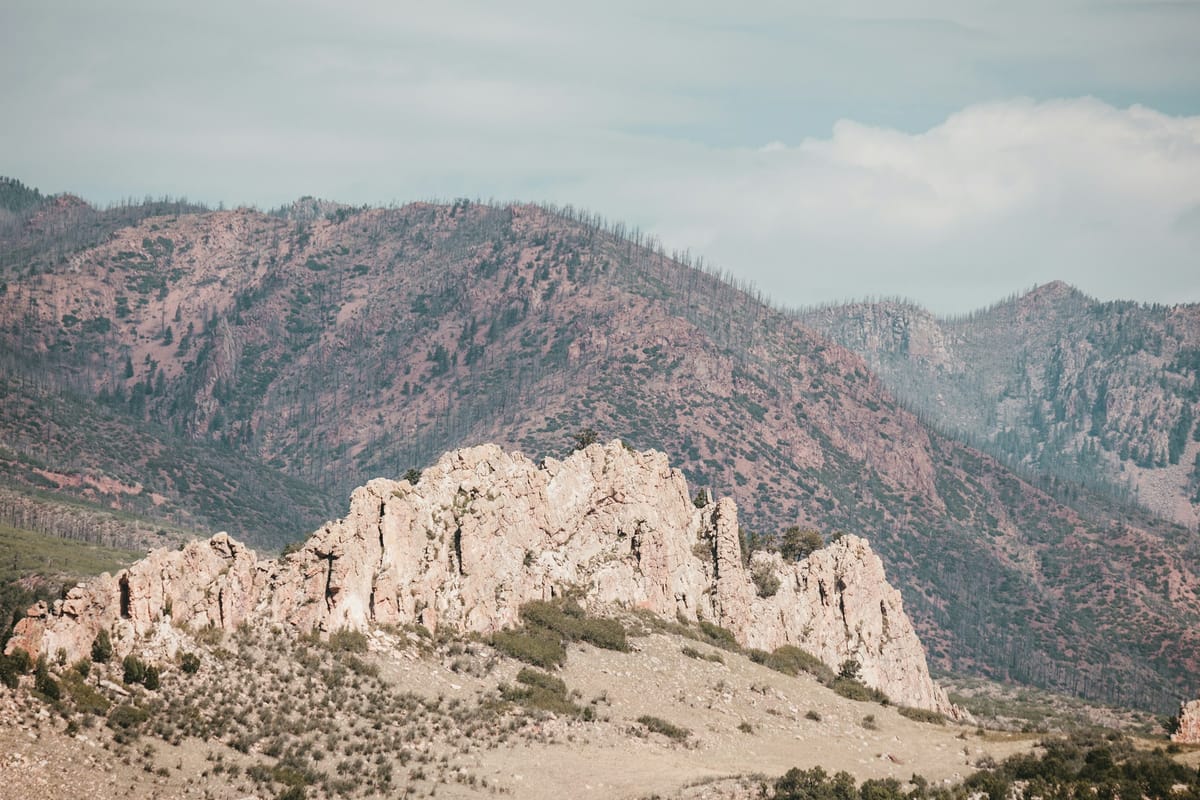
Fort Collins, North America
Fort Collins: Brewery Capital & Trail Town of the Rockies
The 'FoCo' Identity: Locals universally call it FoCo - say 'Fort Collins' and people know you're not from here. It's a subtle but real marker, like knowing t…
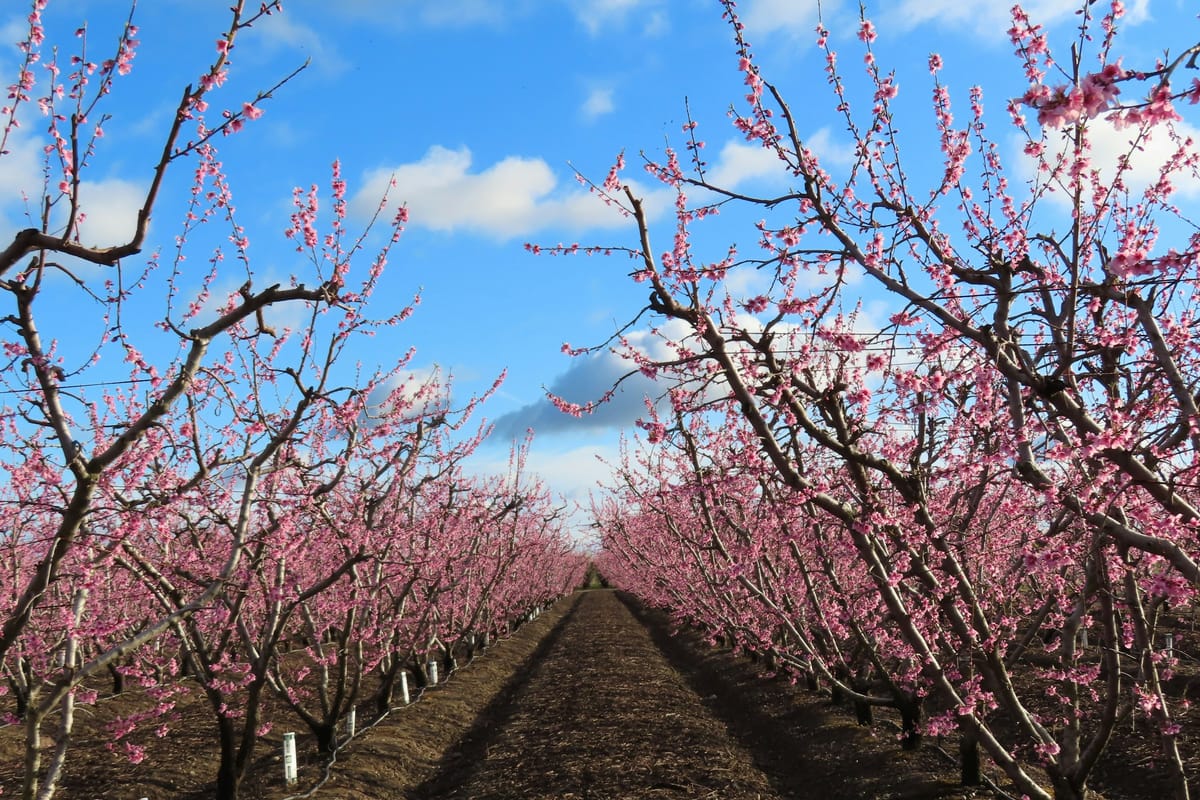
Fresno, North America
Fresno: Central Valley Agricultural Soul
Summer Heat Reality: Fresno summers routinely hit 100-110°F (38-43°C) - locals plan their entire lives around avoiding the noon sun, scheduling errands befor…
Grand Rapids, North America
Grand Rapids: Furniture City, Beer City Soul
Beer City, Not Motor City: People outside Michigan assume everything here revolves around Detroit auto culture. Grand Rapids has almost nothing to do with th…
Greeley, North America
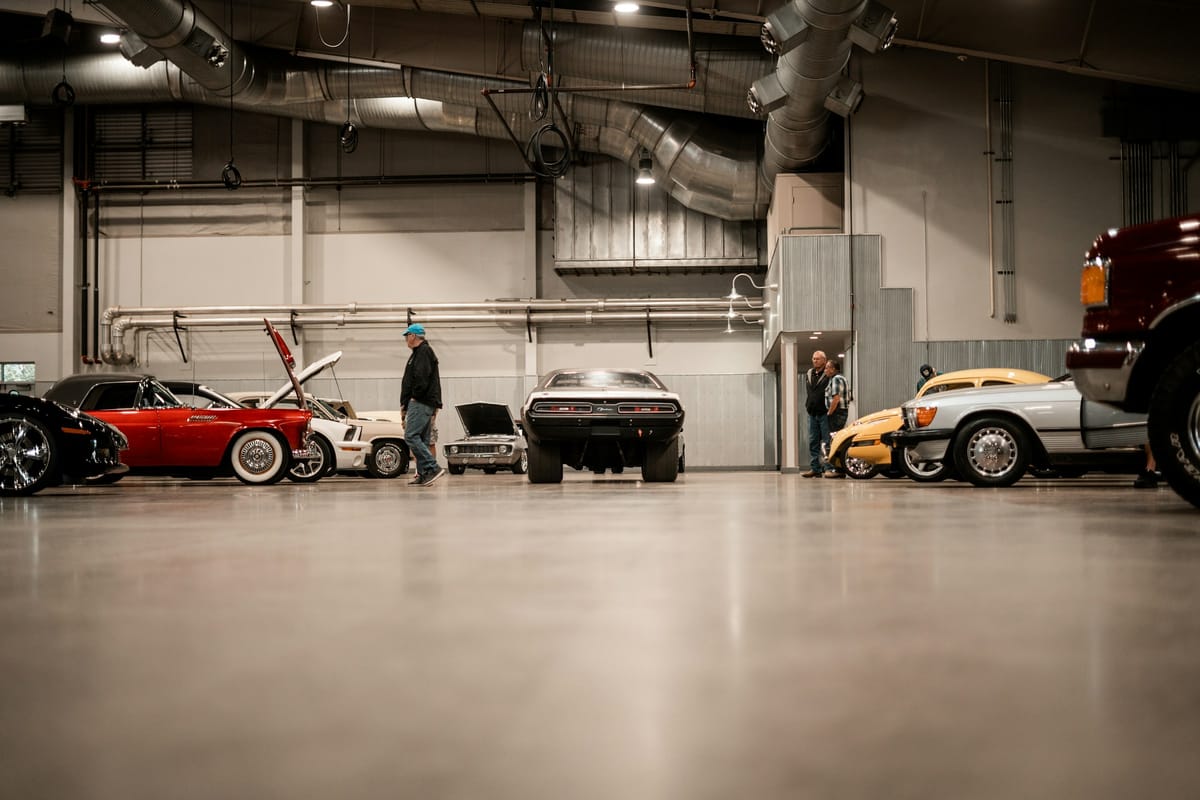
Greeley: Utopian Colony on the Colorado Plains
Born Bone Dry: Greeley was founded in 1870 by Nathan Meeker, an agricultural editor for Horace Greeley's New York Tribune, as the Union Colony - a strict tem…
Hartford, North America
Hartford: Insurance City's Secret Literary Soul
Insurance Capital Identity: Hartford calls itself the Insurance Capital of the World — and it's not bragging. Aetna, The Hartford, and Cigna were born here, …

Honolulu, North America
Honolulu: Aloha Spirit & Surf Soul
No Shoes Indoors: Wearing shoes in someone's home is practically a crime in Hawaiʻi. Locals leave slippers (flip-flops) at the doorstep without question - th…
Lake Tahoe, North America
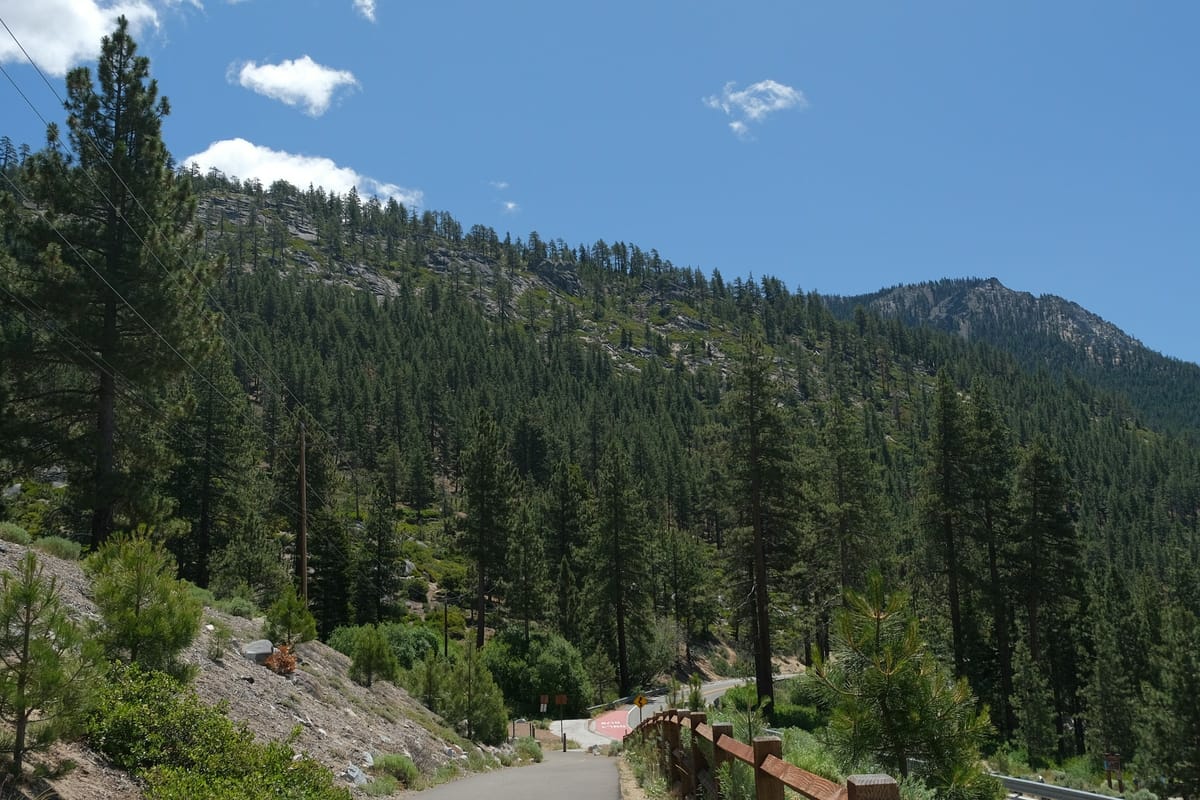
Lake Tahoe: Alpine Blue Sierra Soul
Two States, One Lake: Drive along the South Shore and you'll cross from South Lake Tahoe, California into Stateline, Nevada with barely a sign to mark it - l…
Las Vegas, North America
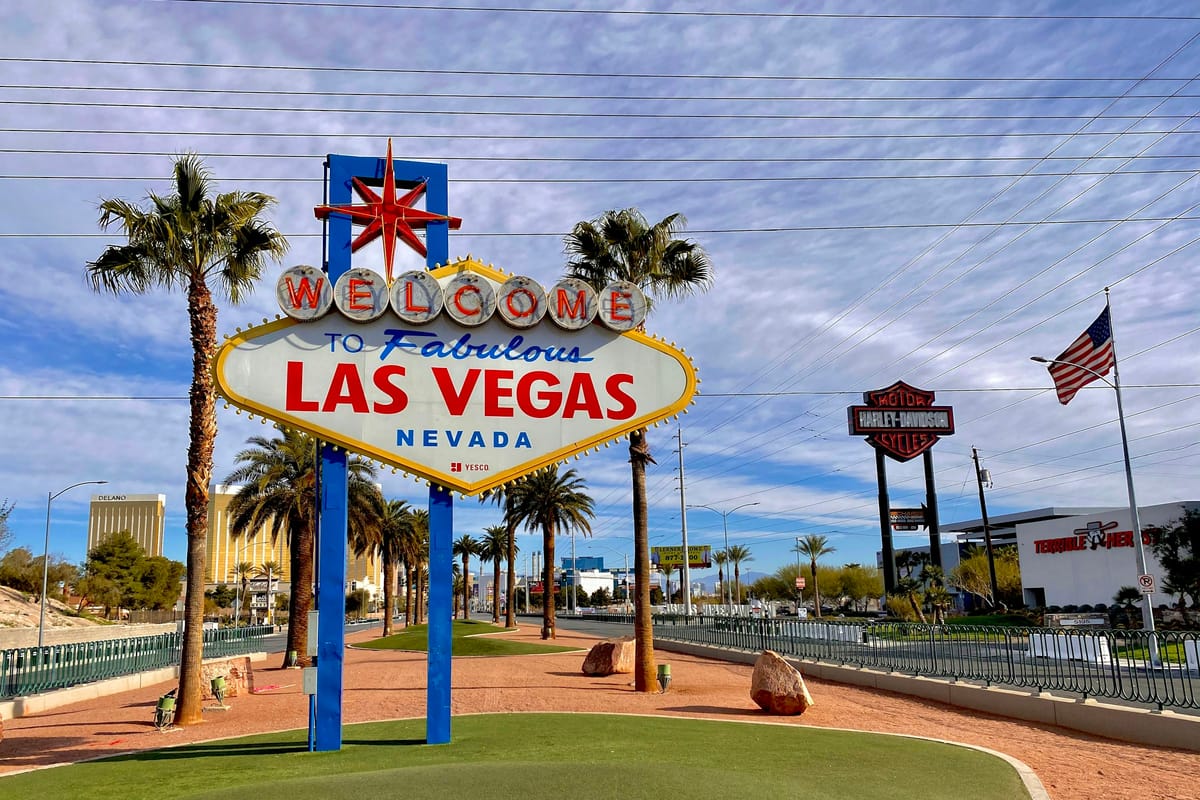
Las Vegas: Neon Dreams, Desert Soul
No Clocks, No Windows on Casino Floors: Walk into any major casino and you'll notice two things are missing — clocks and windows. This is by design. The indu…
Louisville, North America
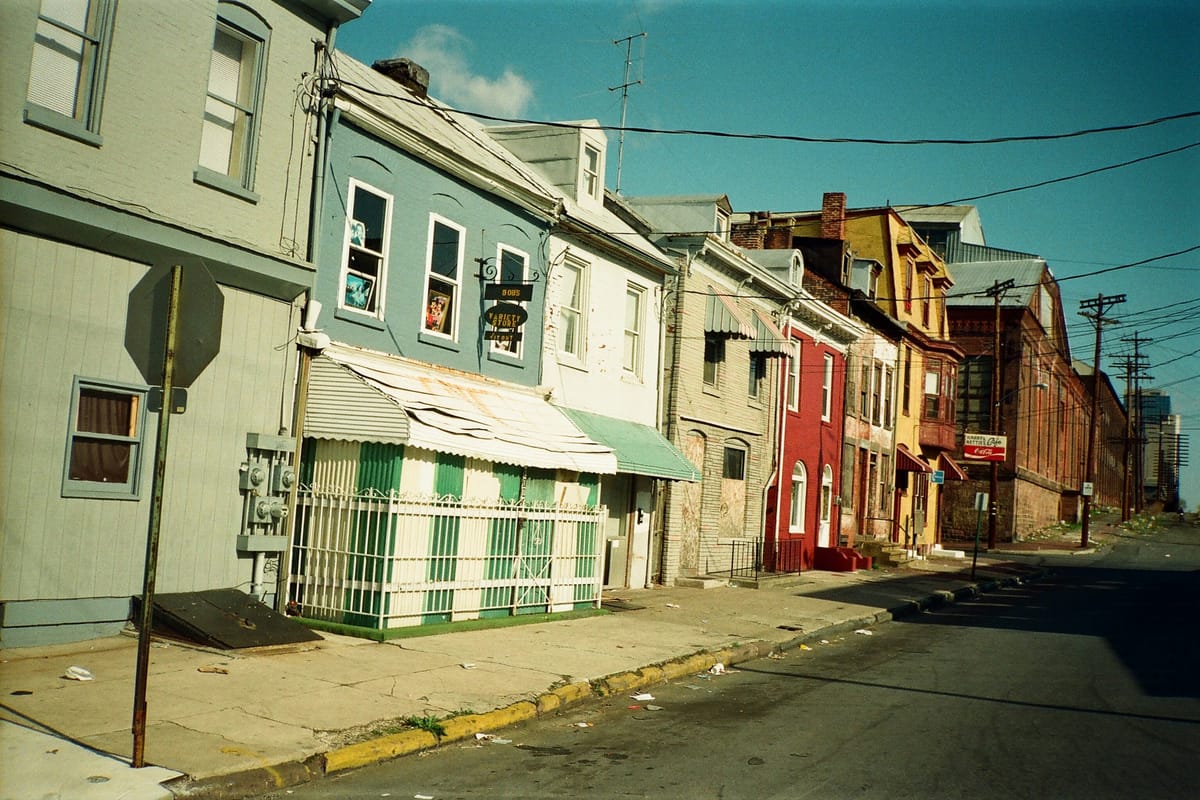
Louisville: Derby City, Bourbon Soul
Say It Right or Get Corrected Immediately: The city is pronounced "LOO-uh-vul" — not "Lewis-ville," not "Loo-ee-vil." Locals will correct you with a smile wi…

Memphis, North America
Memphis: Blues, BBQ & River Soul
"Memphis, Memphis" Identity: Locals insist they're from "Memphis, Memphis" not "Memphis, Tennessee" - this city has its own soul that sets it apart from the …
Nashville, North America
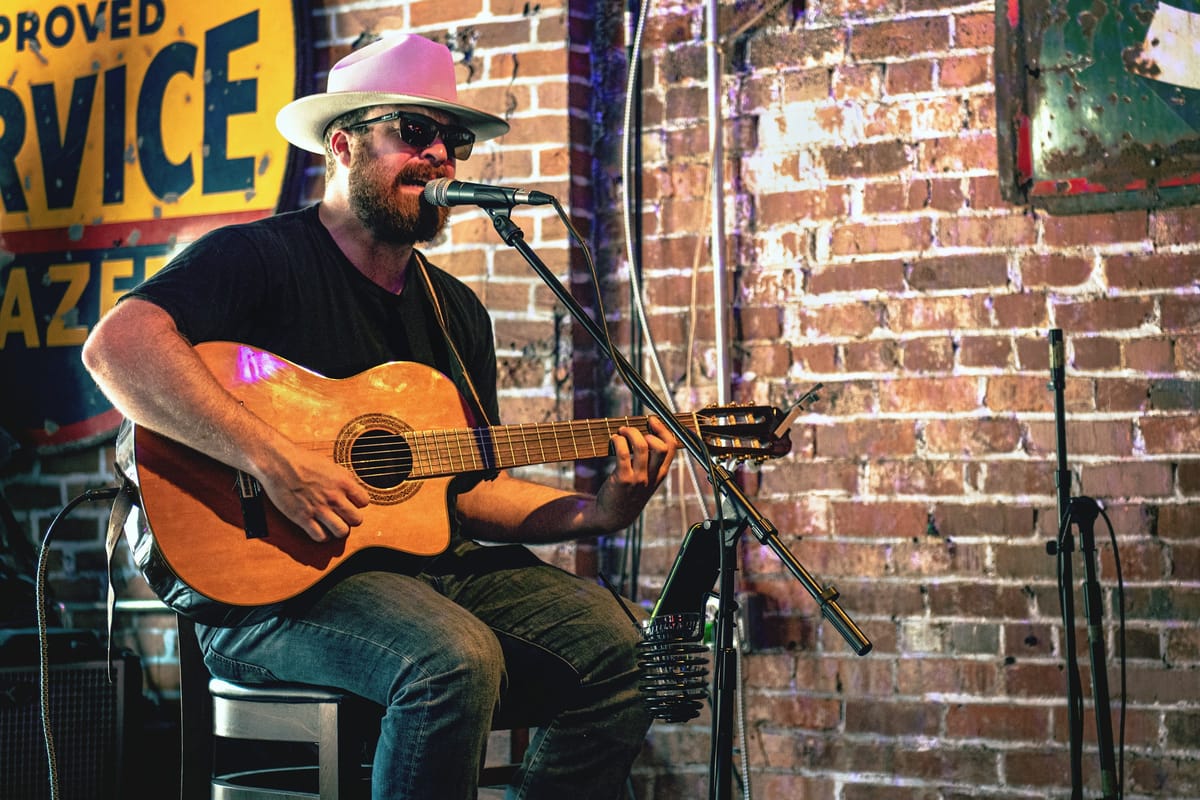
Nashville: Music City, Hot Chicken & Honky-Tonk Heart
Honky Tonks Start at 10 AM: The bars on Lower Broadway (the "Honky Tonk Highway") have live bands from mid-morning until about 3 AM, with no cover charge. Lo…
New Orleans, North America
New Orleans: Jazz, Gumbo & Second Lines
Second Line Culture: Spontaneous parades with brass bands - locals join in, tourists watch. Drive-Thru Daiquiri: Frozen cocktails in drive-thru windows - per…
New York City, North America
New York City: Beyond Times Square
Neighborhood Pride: Locals identify by their neighborhood first, not just 'New Yorker'. Subway Culture: Locals navigate the subway instinctively, know every …

Newport Beach, North America
Newport Beach: California Riviera & Harbor Dreams
Car Is King: Newport Beach is fundamentally car-dependent. Locals drive everywhere — even for a two-block errand. Public transit exists but is rarely used by…
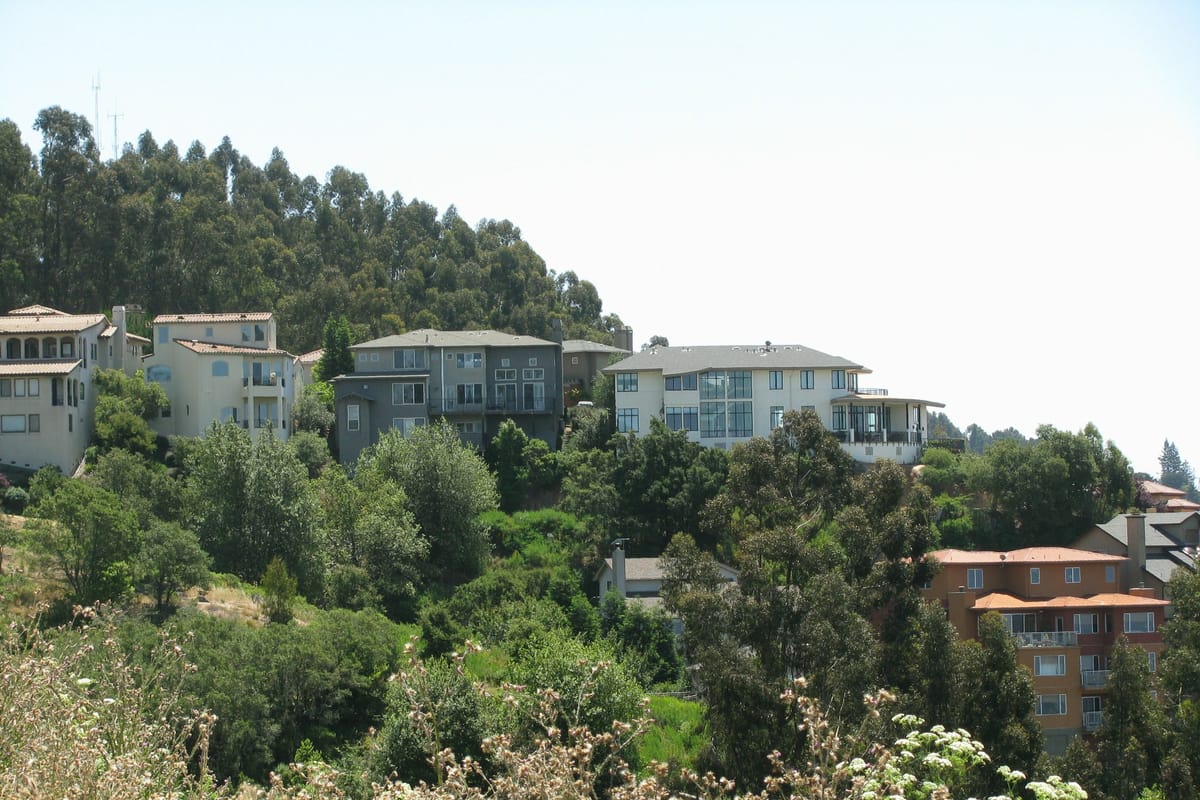
Oakland, North America
Oakland: The Town, Lake Merritt & Bay Area Soul
It's "The Town", Not "Oakland, SF's Sidekick": Locals say "the Town" and bristle when you call it a suburb of San Francisco - it has its own skyline, port, a…
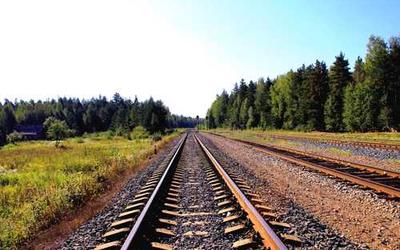
Ogden, North America
Ogden: Mountain Junction & Wild West Soul
Al Capone's Quote Lives On: Historic 25th Street was so wild in the 1920s that Al Capone allegedly said "Ogden is too wild a town for me" - locals embrace th…
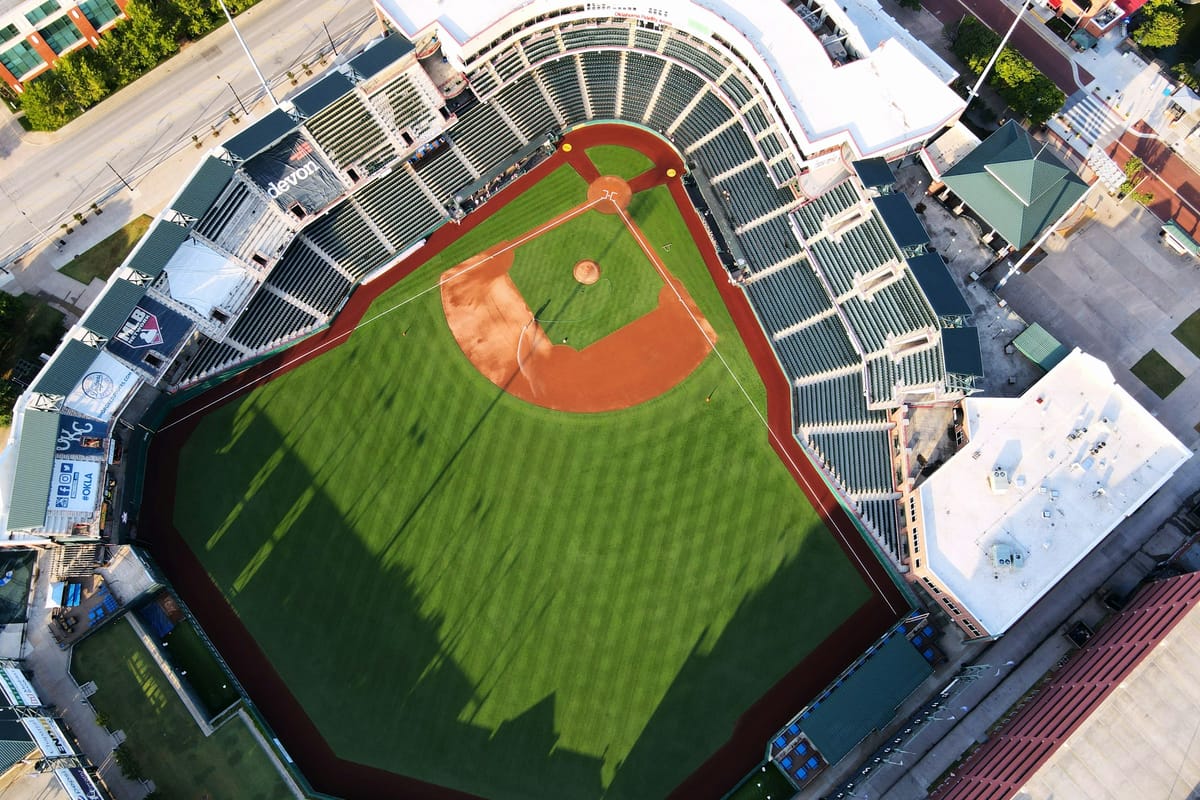
Oklahoma City, North America
Oklahoma City: Cowboy Soul, Thunder Heart
Everyone is an Amateur Meteorologist: Oklahomans don't just check the weather — they obsess over it. Locals have weather apps on every device, follow storm c…
Oxnard, North America
Oxnard: Strawberry Fields, Boxing Rings & Beachside Beats
Strawberry Capital Identity: Oxnard produces a massive share of California's strawberries, and locals take this seriously - you'll see strawberry-themed ever…
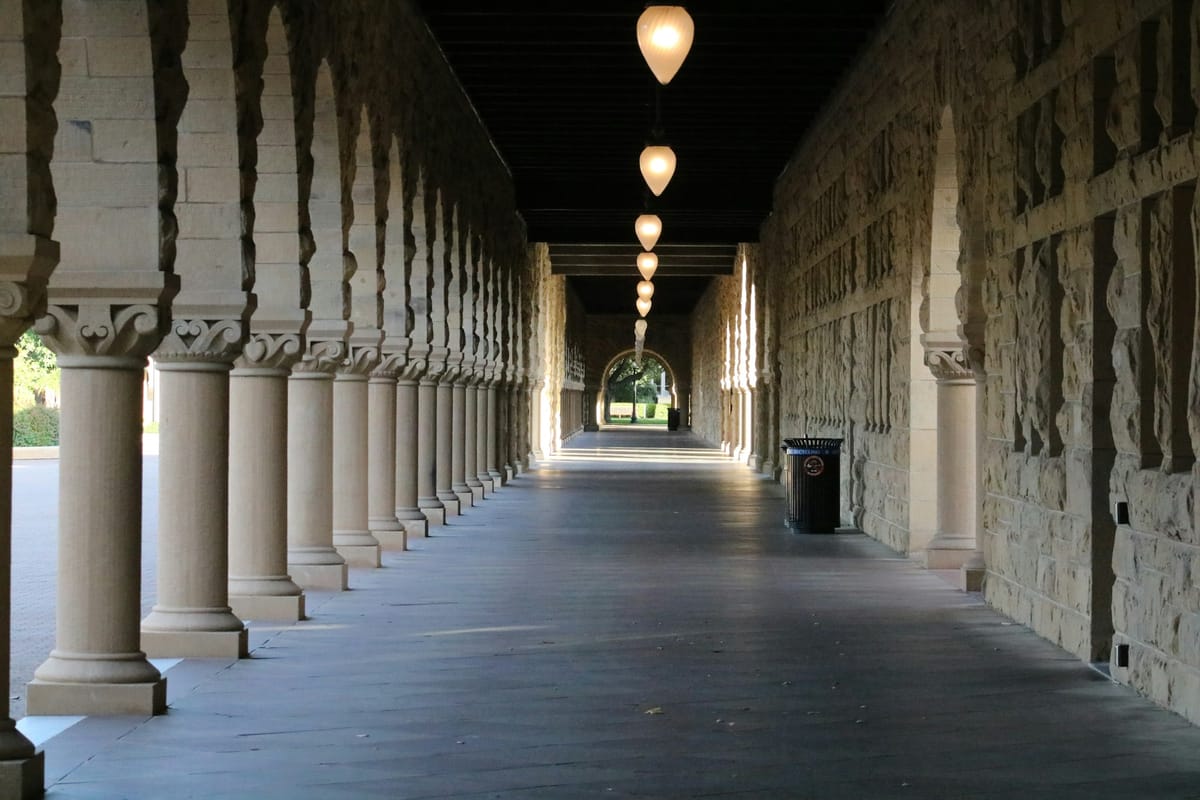
Palo Alto, California
Palo Alto: Silicon Valley's Ground Zero Where Billions Begin Over Coffee
Stealth Wealth Performance Art: Palo Alto is home to billionaires who drive decade-old Priuses, wear Patagonia fleece vests, and carry reusable coffee cups. …
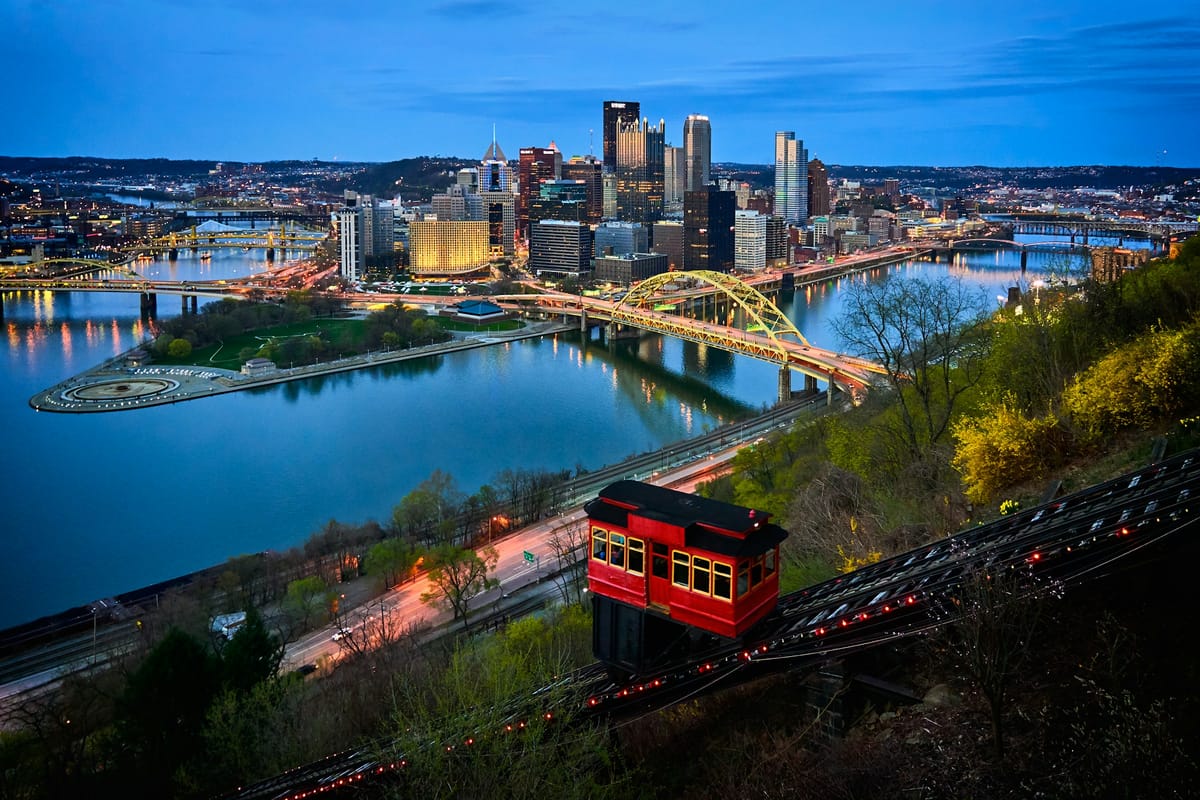
Pittsburgh, North America
Pittsburgh: Steel City of Bridges & Yinzers
City of Bridges, Literally: Pittsburgh has more bridges than any city on earth — 446 of them by most counts, more than Venice. Three rivers (the Allegheny, M…
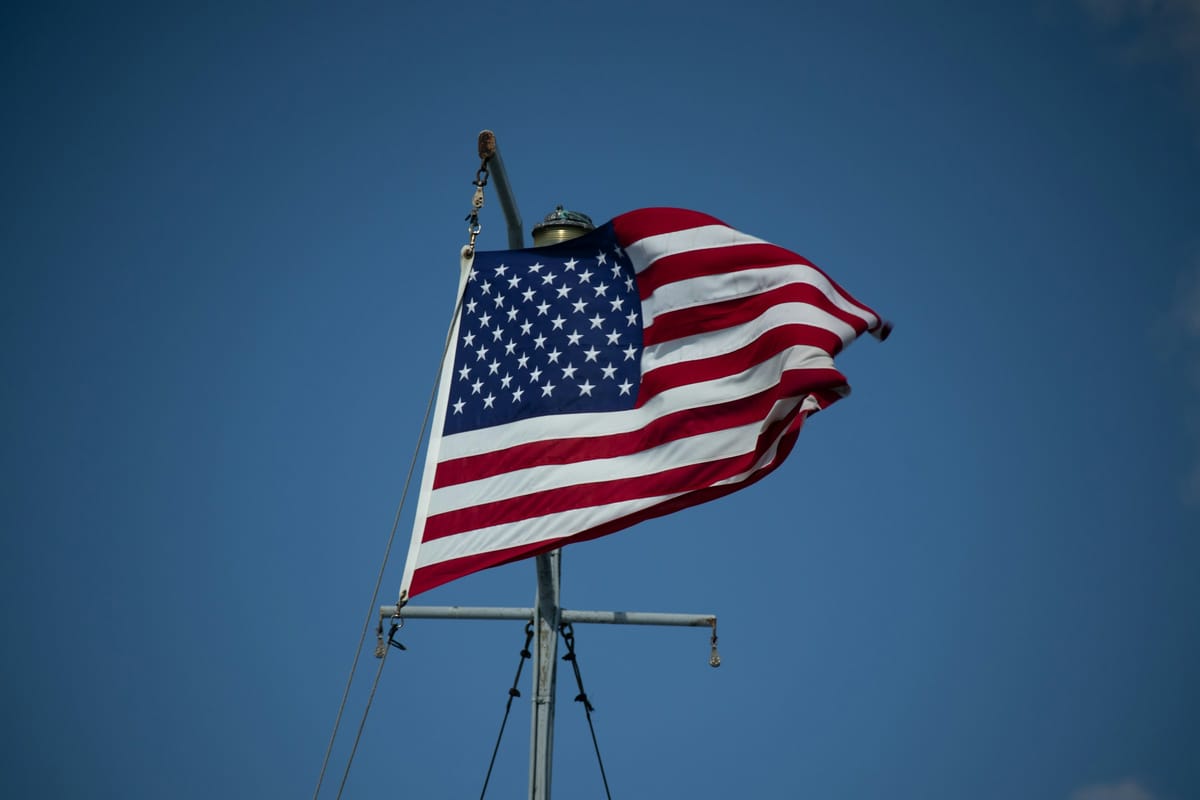
Providence, North America
Providence: Creative Capital with New England Charm
Coffee Milk Obsession: Rhode Islanders don't drink chocolate milk - they drink coffee milk. Made by mixing sweet coffee syrup (Autocrat is the gold standard)…
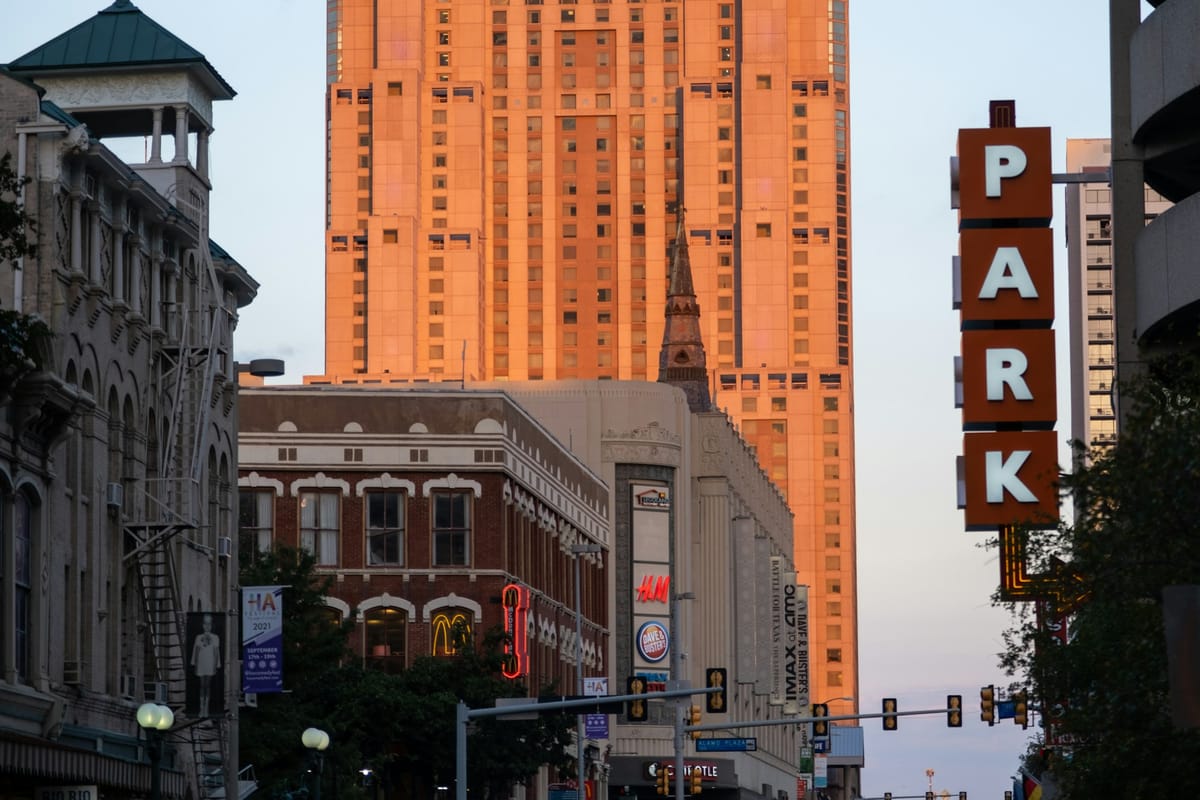
San Antonio, North America
San Antonio: Alamo City & Tejano River Soul
San Antonio Time: Locals joke that everything runs 15-20 minutes late here compared to the rest of Texas - restaurant reservations, meetings, even church sta…

Santa Rosa, North America
Santa Rosa: Wine Country Redwood Soul
The County Seat Nobody Photographs: Santa Rosa is Sonoma County's largest city and its actual county seat, yet the postcards all go to Sonoma Plaza and Heald…
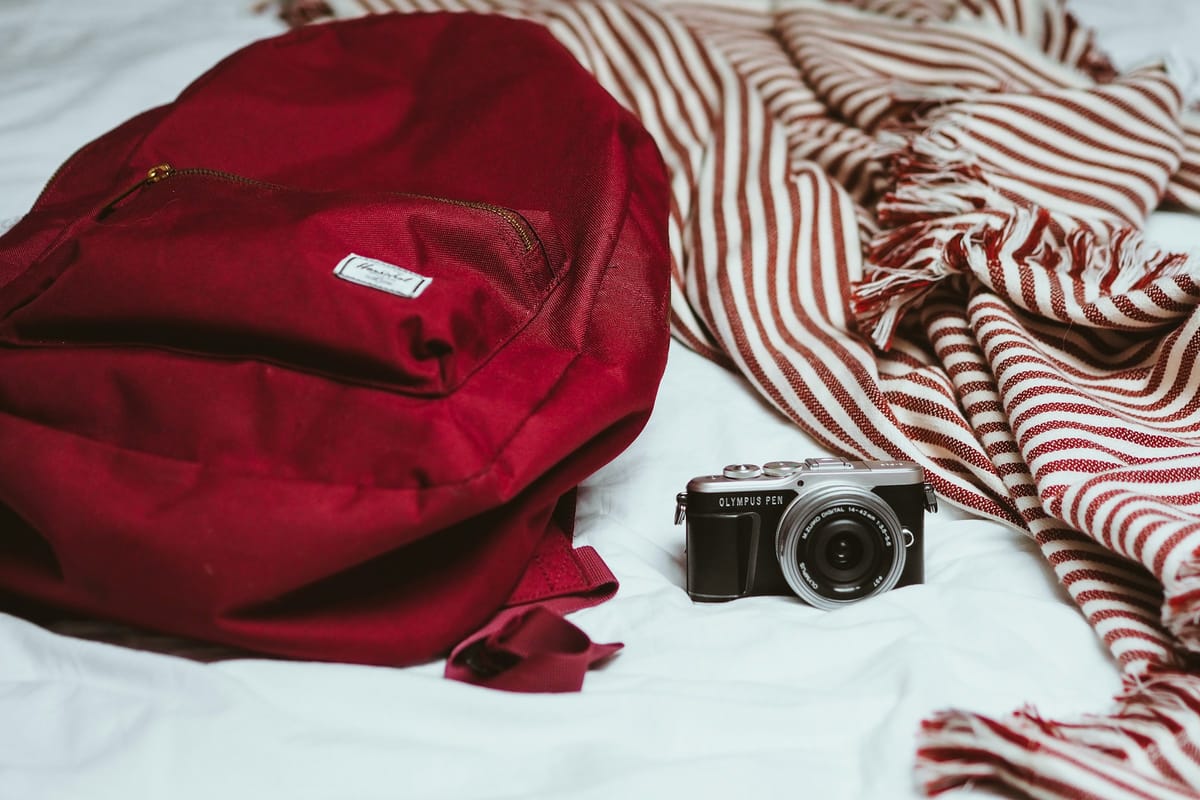
Seattle, North America
Seattle: Emerald City Coffee, Grunge & Outdoor Soul
The Seattle Freeze: Locals are famously polite but not particularly friendly - expect surface-level pleasantries but difficulty breaking into social circles.…
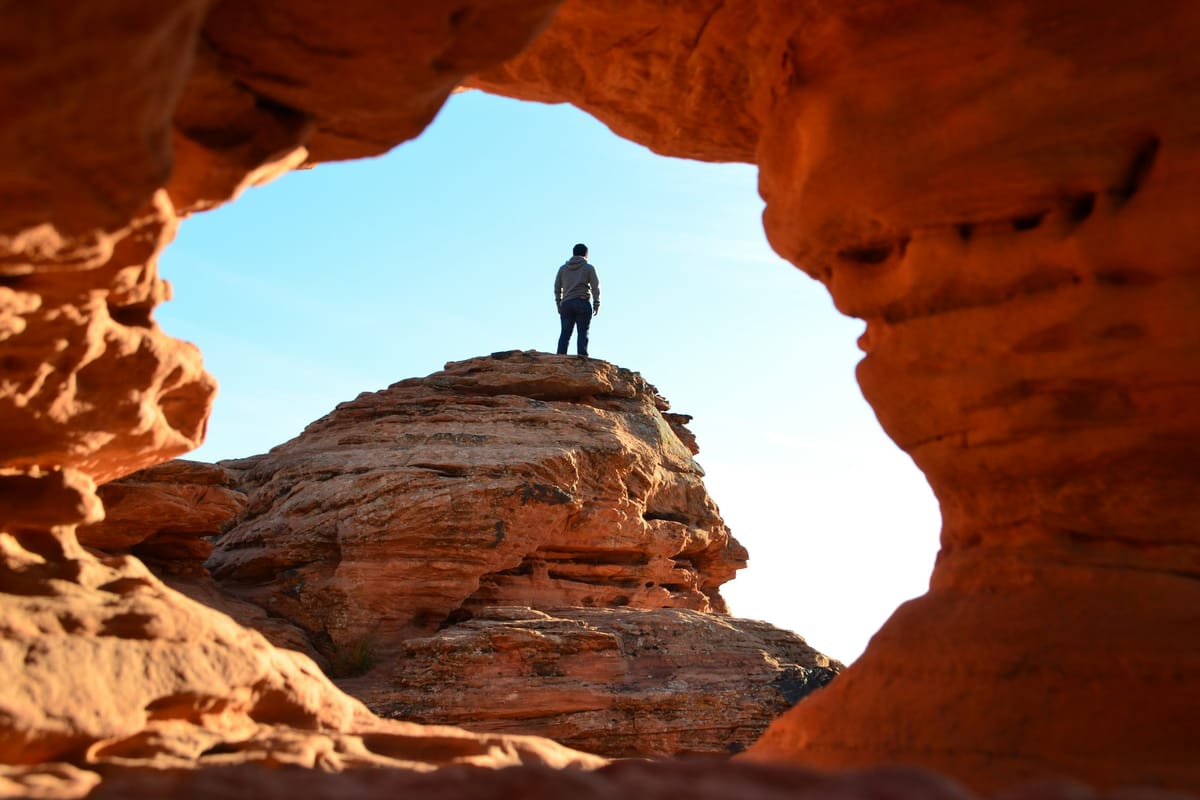
St. George, North America
St. George: Red Rock Desert, Utah's Dixie Soul
"Utah's Dixie" Is a Loaded Nickname: LDS pioneers sent south in the 1860s to grow cotton called the region "Dixie" after the American South, and the name stu…
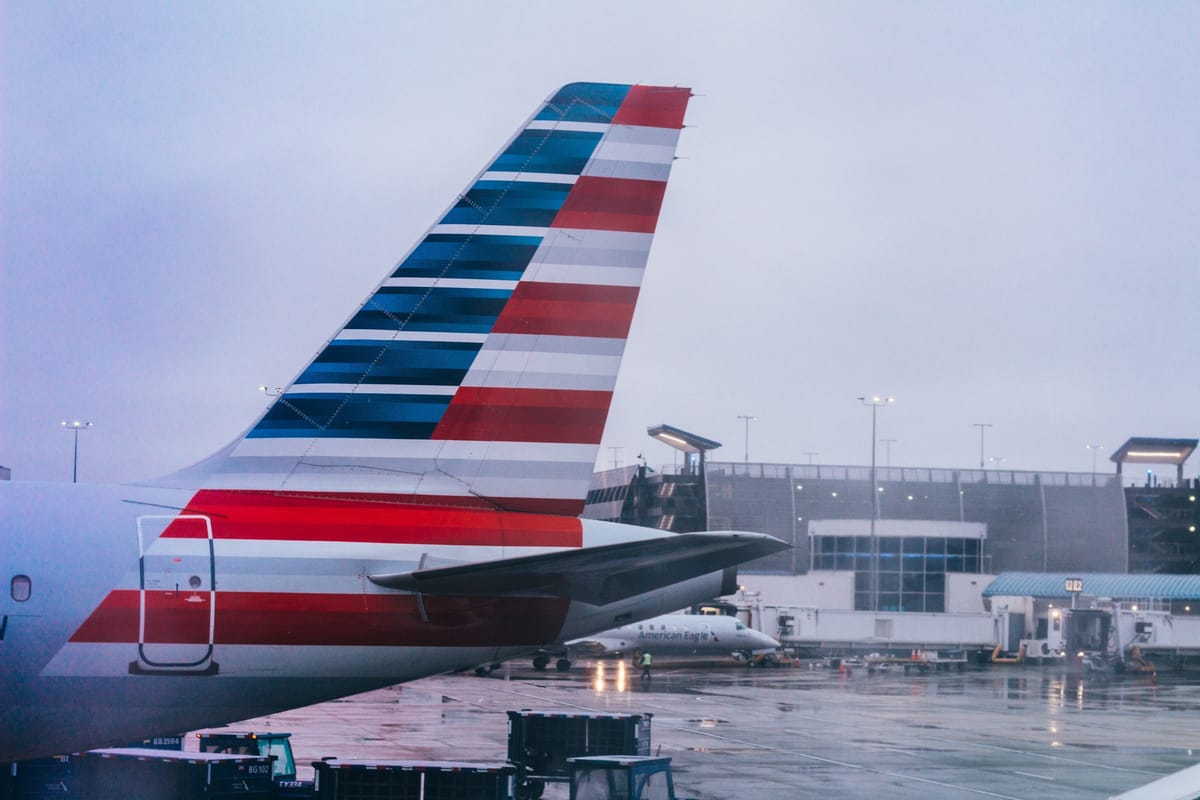
Tampa, North America
Tampa: Cigars, Sunshine & Gulf Coast Grit
Cigar City Roots: Tampa was built by Cuban, Spanish, and Italian immigrants who rolled cigars in Ybor City factories starting in the 1880s - locals still cal…
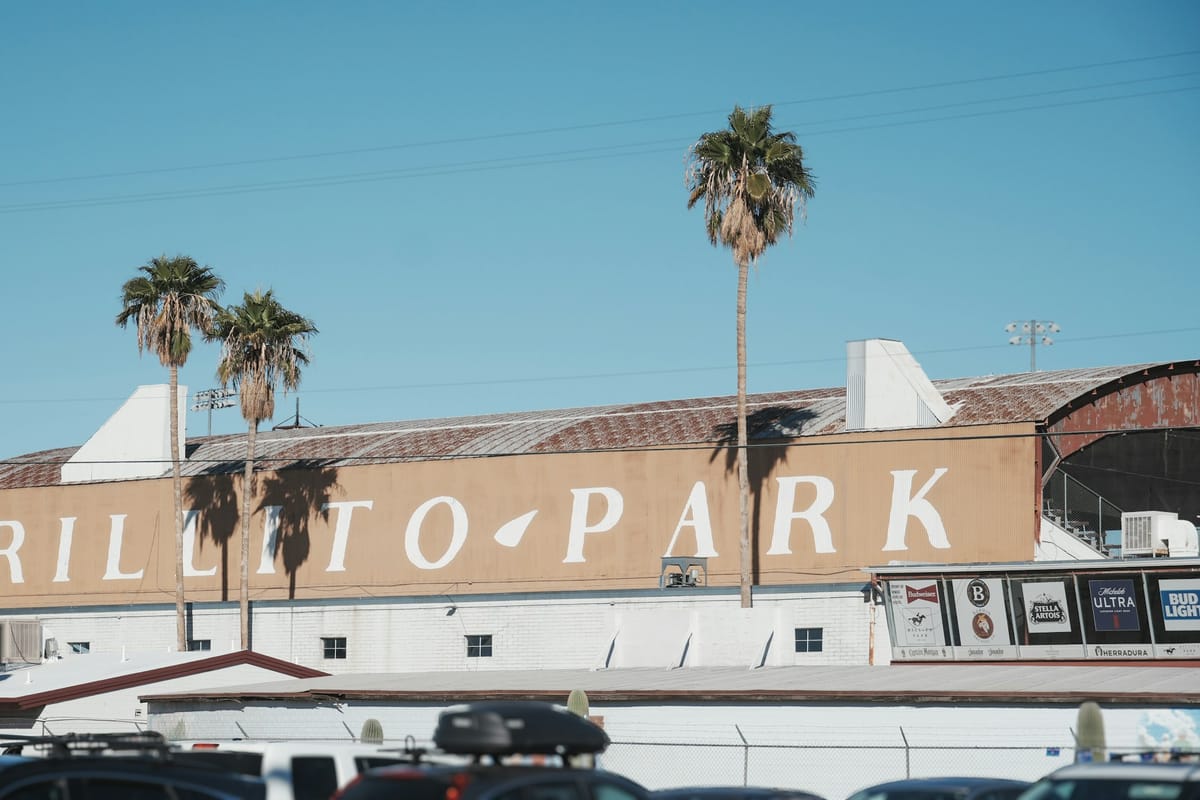
Tucson, Southwest
Tucson: Old Pueblo, Sun-Scorched Soul of the Sonoran
UNESCO's Only U.S. Gastronomy City: In 2015 Tucson became the first American city designated a UNESCO Creative City of Gastronomy, a title locals wear with f…

Virginia Beach, Mid-Atlantic
Virginia Beach: Boardwalk & Beyond
The Military Is Everywhere: Virginia Beach is home to one of the largest concentrations of military personnel in the world — Naval Station Norfolk is minutes…