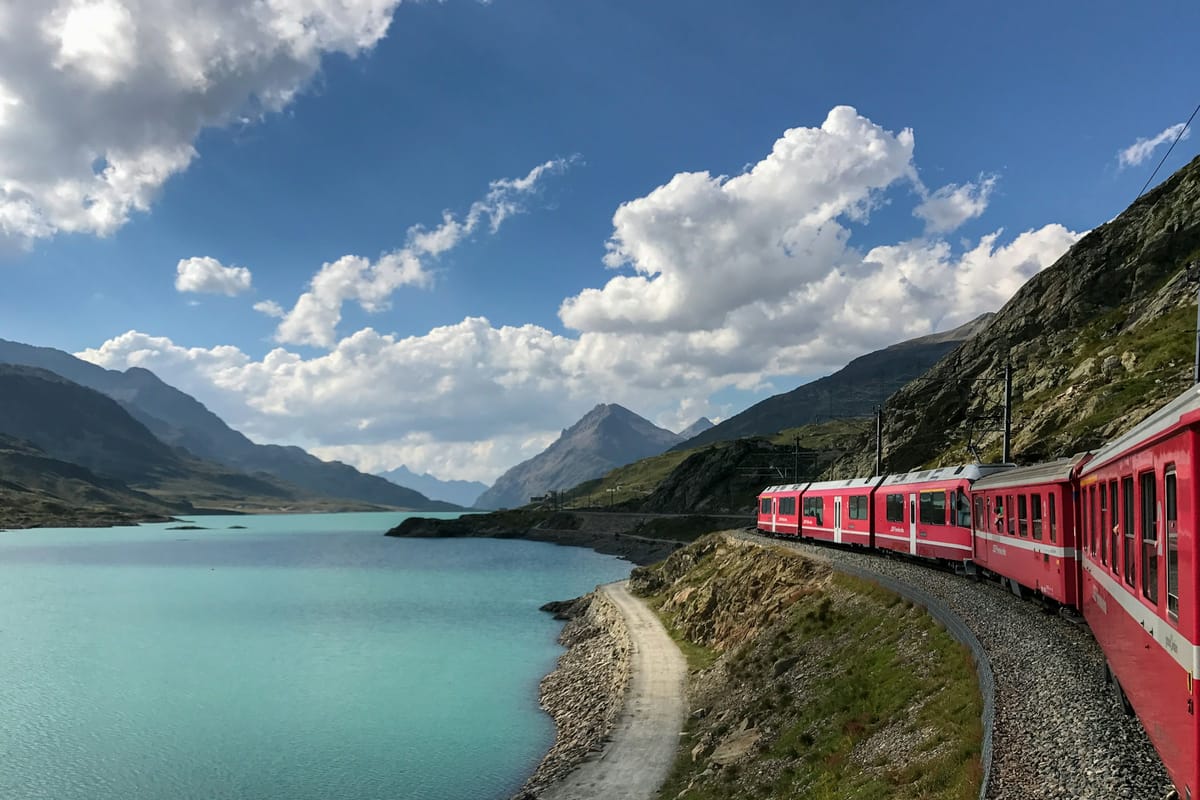
🇨🇭 Switzerland
Switzerland Travel Guide - Where Ordnung Meets Alps and Four Cultures Coexist
2 destinations · Budget level 4
Overview
Switzerland defies easy categorization - it is neither purely European nor purely Alpine, neither fully Germanic nor Francophone nor Mediterranean, but a deliberate experiment called the 'Willensnation' (nation by will). Unlike countries forged by shared ethnicity or language, Switzerland was built through conscious choice by four distinct cultural groups who decided to share a flag while keeping their own souls. This fragile genius holds together 26 semi-sovereign cantons, four official languages, and cultural mentalities that range from Zurich's clockwork efficiency to Geneva's UN-corridor cosmopolitanism to Ticino's Mediterranean siesta spirit.
The invisible frontier called the 'Röstigraben' (Rösti ditch) splits the country between German-speaking efficiency and French-speaking joie de vivre - Swiss Germans vote more conservatively, prefer structured schedules, and see punctuality as a moral virtue; Swiss French take longer lunch breaks, vote more liberally, and find their German-speaking compatriots endearingly uptight. Neither side acknowledges this divide with complete seriousness, and yet both sides take it completely seriously.
What binds Switzerland together is 'Ordnung' - not merely tidiness, but a philosophical conviction that rules, systems, and predictability are the foundation of freedom. The country runs on trust: trains depart to the second, neighbors respect 'Ruhezeit' (quiet hours) without police enforcement, recycling is sorted with religious precision, and neighbors live parallel lives without ever learning each other's names. Foreigners mistake this for coldness. Locals call it respect.
Switzerland also practices the world's most genuine direct democracy - citizens vote four times a year on actual federal legislation through referenda and initiatives. This isn't symbolic participation; it shapes everything from immigration policy to minimum wage. The result is a political culture of compromise and consensus where extreme positions rarely survive long, and patience is considered a civic duty.
Travel tips
Ruhezeit (Quiet Hours): Sundays are sacred silence - no lawn mowers, power tools, loud music, or even doing laundry in some apartment blocks. Evenings after 10pm expect the same. Don't be the tourist who triggers a neighbor conflict. Punctuality is Moral: Arriving even 5 minutes late to a meeting or dinner invitation is genuinely rude - locals see it as disrespect for the other person's time. If trains run late (rare), Swiss people apologize to strangers on the platform. Greetings Matter: In German-speaking areas, greet shopkeepers with 'Grüezi' when entering and 'Uf Wiederluege' when leaving - ignoring this is considered boorish. In French areas, 'Bonjour' and 'Au revoir' carry equal weight. No Small Talk on Trains: Silence is the norm on Swiss public transport - speaking loudly, playing music without headphones, or striking up conversations with strangers reads as socially intrusive. Recycling Ritual: Glass must be separated by color, brought to recycling stations (not kerbside), and deposited only on weekdays - not Sundays. Correct recycling earns quiet communal approval. Tipping Culture: Not mandatory, but rounding up to the nearest franc or adding 5-10% is standard in restaurants - Swiss service is included in prices by law. Fondue Etiquette: If you drop your bread in the communal fondue pot, tradition demands a penalty - usually buying a round or performing a forfeit. Don't use the fondue fork for eating, only for dipping. Dialect Navigation: Swiss German (Schweizerdeutsch) is not written Standard German - locals speak dialects that even German nationals struggle with. Don't assume someone speaks Standard German just because you heard Swiss German.
Cultural insights
Swiss culture's central paradox is that its famous precision and rule-following coexist with the world's most genuine bottom-up democracy. The Swiss don't follow rules because they're told to - they created the rules themselves through centuries of direct participation. This is the difference between obedience and ownership, and Swiss citizens feel it viscerally.
The concept of 'Ordnung' (order/proper order) is the operating system of Swiss-German daily life - not bureaucratic rigidity, but a shared aesthetic that things should work, spaces should be tidy, agreements should be honored, and time should be respected. Violating this compact is not a minor offense but a social breach. An untidy front garden, noise after 10pm, or consistently late deliveries are taken as seriously as moral failures.
Regional identities run so deep that locals identify first as 'Zürcher' or 'Basler' or 'Vaudois' before Swiss. The German-speaking majority (62%) are further divided into dozens of local dialects - a Zurich German can identify a Basel German by accent alone. This extreme localism is the Swiss way: the federal government is deliberately weak, cantons are sovereign in education and taxation, and municipalities handle most daily governance. Switzerland operates more like a voluntary league of city-states than a centralized nation.
The French-speaking Romandie (23% of population, centered on Geneva and Lausanne) feels culturally closer to neighboring France than to Zurich - longer coffee breaks, more expressive social interactions, and different political instincts. Romands refer to the cultural gap with their German-speaking compatriots with gentle irony, while Swiss Germans regard Romands as charmingly disorganized. Both communities vote together on the same federal ballots, which produces the fascinating political negotiation the Swiss call 'consensus democracy.'
Italian-speaking Ticino (8%) operates on Mediterranean time - slower, sunnier, more tactile in social interaction. Residents of Lugano and Bellinzona feel Swiss in infrastructure and banking precision but Italian in food, conversation style, and social warmth. Ticino is Switzerland's open secret: same rail punctuality and safety, but espresso served standing at a bar and afternoon shutdowns that would horrify a Zurich banker.
Anti-ostentation is a deeply held Swiss value - displaying wealth is considered tasteless. Switzerland has more millionaires per capita than almost any country on earth, but you will rarely know it from behavior or dress. The neighbor in the unremarkable car and worn jacket may be worth tens of millions. This culture of discretion extends to privacy: Swiss people don't ask about salaries, relationships, or religion unless the relationship warrants it, and they expect the same courtesy in return. Swiss Germany shares some of these Germanic efficiency traits, but Switzerland's extreme localism and direct democracy create a fundamentally different political culture that shapes daily social interactions in ways that pure German efficiency doesn't.
The 'supra' equivalent in Switzerland is the fondue evening - a communal ritual where melted cheese becomes the medium for slow conversation, wine, and the deliberate slowing of pace. Unlike Serbian kafana culture or Georgian feast traditions, the Swiss communal ritual is modest, unhurried, and deeply egalitarian - everyone dips into the same pot.
Best time to visit
Spring (April-May): Mountain wildflowers, Alpaufzug cattle processions moving to high pastures in May with flower-crowned cows, Sechseläuten spring festival in Zurich (April) burning the giant Böögg snowman - if its head explodes quickly, summer will be hot. Temperatures 8-18°C in cities, snow still on peaks. Fewer tourists and genuine local life. Summer (June-August): Classic Switzerland of hiking, lake swimming, and mountain railways. Temperatures 20-30°C in lowlands, 5-15°C at altitude. August 1st National Day brings fireworks over every lake simultaneously - genuinely spectacular and free. Peak crowds and highest prices everywhere, especially Interlaken, Lucerne, and Zermatt. Autumn (September-October): Almabtrieb (cattle descent from Alps) adds festive atmosphere to mountain villages. Wine harvest in Lavaux UNESCO vineyard terraces above Lake Geneva. Comfortable 10-20°C, golden light on lakes, crowds thinning rapidly. Best value for genuine Alpine experience. Winter (December-March): Ski season brings crowds to Zermatt, Verbier, and Davos - three of Europe's premier winter sports destinations. Geneva and Zurich Christmas markets among Europe's most atmospheric. Basel Fasnacht carnival begins the Monday after Ash Wednesday at 4am exactly - 72 hours of drums, lanterns, and satirical processions through the old town (UNESCO heritage). City temperatures -2-8°C, Alpine resorts colder but spectacular.
Getting around
Swiss Federal Railways (SBB): The backbone of Swiss travel - punctual to the minute, clean, and reaching virtually every village. Download the SBB app for real-time schedules, platform details, and mobile tickets. Domestic trains never need advance booking - show up and board. Intercity journeys: Zurich to Geneva 2h40min (CHF 89 one-way full fare), Zurich to Basel 55min (CHF 34), Bern to Lucerne 1h10min (CHF 43). Swiss Travel Pass: Unlimited train, bus, and boat travel plus 500+ museum entries free. 3 days CHF 244, 4 days CHF 280, 6 days CHF 330, 8 days CHF 370 (adult 2nd class). Essential for most itineraries of 5+ days. Half-Fare Card: CHF 120 for one month - halves the price of every ticket, boat, and most mountain railways. Worth it for stays over a week. Mountain Railways and Cable Cars: Jungfraujoch CHF 190 return, Gornergrat (Zermatt) CHF 80, Rigi CHF 55 - Swiss Travel Pass gives free access to many, 50% discount on others. City Transport: Trams, buses, and S-Bahn networks in Zurich, Geneva, Bern, Basel. 24-hour city passes CHF 8-17, single rides CHF 2.50-5. Geneva airport gives free 80-minute public transport tickets to arrivals. PostBus: Yellow postal buses connecting villages, mountain passes, and areas trains don't reach - included in Swiss Travel Pass, spectacular routes like the Albula and Furka passes. Car Rental: CHF 50-120/day, useful for Appenzell region, wine villages of Valais, and border hopping to neighboring Austria or Italy. Vignette highway sticker (CHF 40) required for all Swiss motorways.
Budget guidance
Switzerland is consistently among the world's 3 most expensive countries - this is not a budget destination, and pretending otherwise leads to painful surprises. Locals earn CHF 6,500-9,000/month average, and prices reflect those wages.
Budget Travel (CHF 100-150/day): Hostel dorm CHF 35-60, supermarket meals (Migros/Coop - excellent quality) CHF 8-15 per meal, public transport with Half-Fare Card, free lakeside parks and cathedral visits. This is genuinely lean - no restaurant dinners, no mountain railways. Swiss supermarkets are life-changing at this budget: Migros hot food bars, pre-made salads, and bakery sections provide restaurant-quality eating at half the price. Mid-Range (CHF 200-300/day): 3-star hotel or Airbnb CHF 130-200, one restaurant meal daily CHF 25-45, museum entries CHF 15-25 each, Swiss Travel Pass for transport. Comfortable, covering all major experiences without luxury. Splurge (CHF 400+/day): Historic hotels (Badrutt's Palace in St. Moritz, Baur au Lac in Zurich CHF 500-900/night), fine dining CHF 80-200+ per person, mountain resort experiences. Switzerland at this level competes with anywhere on earth for quality.
Money-saving realities: Many of Switzerland's best experiences are free - hiking trails are unmarked but excellently maintained, swimming in Lake Zurich or Lake Geneva is free, Bern's old town and fountains require no ticket. Museum Night in Zurich (one night/year) gives access to 40+ museums for CHF 18 total. Buy picnic supplies from Migros or Coop and eat at an Alpine viewpoint - genuinely the Swiss way.
Language
Switzerland has four official national languages that aren't simply labels on a map - they represent distinct cultural identities that shape how people think and interact. German (62%) is spoken as Swiss German dialects (Schweizerdeutsch) in everyday life, with Standard German reserved for writing, media, and formal contexts. Swiss German dialects vary significantly between cities - Zurich, Basel, and Bern speakers can identify each other instantly. If you studied German, locals will understand you perfectly, but reply in dialect, requiring adjustment.
French (23%, called Romand French) in Geneva, Lausanne, and western cantons sounds to French ears slightly more formal and deliberate. Italian (8%) in Ticino and southern Graubünden - standard Italian with regional influences. Romansh (0.5%) in Graubünden valleys - five written sub-varieties of this ancient Latin descendant survive with government protection.
English is widely spoken in cities, hotels, and tourism contexts - Zurich, Geneva, and Basel have large international communities where English functions as a working language. In rural German-speaking areas, English becomes less reliable outside the younger generation.
Essential phrases by region - German: 'Grüezi' (hello formal), 'Merci vielmal' (thank you - Swiss use this Franglais hybrid), 'Salü' (hello informal), 'En Guete!' (enjoy your meal), 'Prost!' (cheers). French: 'Bonjour' (hello), 'Merci bien' (thank you), 'Santé!' (cheers). Italian: 'Buongiorno' (hello), 'Grazie' (thank you), 'Salute!' (cheers).
Attempting even one word in the regional language is disproportionately rewarded with warmth from a culture that can seem reserved at first contact.
Safety
Switzerland is one of the world's safest countries with extremely low violent crime - locals leave bikes unlocked in small towns, and the safety infrastructure is exceptional. That said, specific situations require awareness.
Pickpocketing: Organized groups operate at Zurich Hauptbahnhof (main station), Geneva's Cornavin station, Lucerne's old town bridge, and around Jungfraujoch gondola queues. Use inner pockets, keep bags in front, and be alert when someone creates a distraction. This is the only meaningful crime risk for most visitors.
Mountain Safety: Critically important and frequently underestimated. Swiss hiking trails are color-coded to suit all abilities - making Switzerland exceptional for hiking and trekking of every skill level: yellow = easy, white-red-white = mountain paths requiring sure-footedness, blue-white-blue = alpine routes requiring equipment and experience. Weather changes rapidly - always carry layers, waterproof jacket, and enough food. REGA (Swiss Air Rescue, rega.ch) membership is CHF 30/year and covers helicopter rescue costs - worth it for any mountain hiking. Inform someone of your route. Emergency numbers: 112 (general European), 117 (police), 118 (fire), 144 (ambulance), 1414 (REGA air rescue).
Traffic: Swiss traffic laws are strictly enforced - speed cameras are everywhere, right-of-way rules precise, and fines substantial. Pedestrian crossings give absolute priority by law, which drivers respect. Cycling infrastructure is excellent in cities but cycle lanes are formal and cyclists have right-of-way.
Altitude: Jungfraujoch (3,454m) causes altitude sickness in some visitors - acclimatize gradually, drink water, and descend if symptoms appear. The Sphinx Observatory has a first aid station.
Tap Water: Exceptional quality throughout Switzerland - mountain spring water flows from many public fountains in cities and villages, freely drinkable. Buying bottled water is unnecessary and considered slightly wasteful by locals.
Money & payments
Swiss Franc (CHF, written Fr. locally) - one of the world's most stable currencies and consistently strong. Despite Switzerland being surrounded by eurozone countries, the Euro is NOT official currency, though many tourist areas and border shops accept it (usually at unfavorable rates).
Prices for context: Coffee at standing bar CHF 4-6, restaurant lunch CHF 20-35, restaurant dinner CHF 35-60+, beer at bar CHF 6-9, glass of wine CHF 7-14, Migros supermarket meal CHF 8-12, half-day ski pass CHF 45-80, fondue dinner for two CHF 60-100 with wine.
Payment: Cards (Visa, Mastercard, Maestro) accepted almost everywhere including market stalls and small village cafes - Swiss cashless infrastructure is excellent. Contactless payment universal. ATMs abundant and safe, dispensing CHF 50-1000 notes. Avoid currency exchange booths at airports (poor rates) - use bank ATMs.
Tipping: Service is included in Swiss prices by law, so tipping is genuinely optional. Convention is to round up to the nearest franc or add 5-10% for excellent service in restaurants. Taxi: round up. Coffee: rounding up is enough. Never feel obligated - Swiss servers do not rely on tips for income and won't judge.
Tax refund: Non-EU residents spending CHF 300+ at a single Swiss retailer can claim back 8.1% VAT at departure - ask for Global Blue or Premier Tax Free forms at point of purchase.
Cost reality check: Switzerland is roughly 2-3x the cost of neighboring France or Germany for food and accommodation. Budget accordingly and don't be caught surprised - the quality generally matches the price.
Destinations in Switzerland
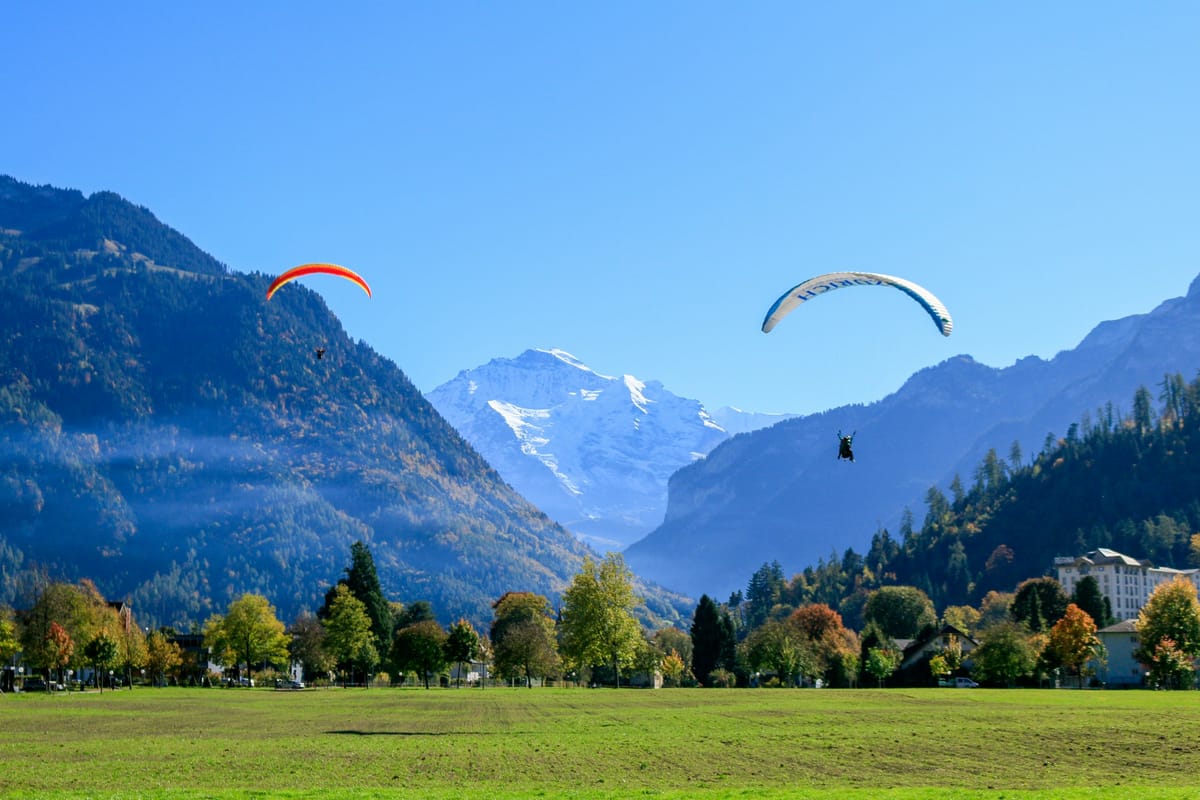
Interlaken, Western Europe
Interlaken: Alps, Lakes & Adrenaline Heart of the Bernese Oberland
The Tourist Town Reality: Interlaken has only ~6,000 permanent residents but receives millions of visitors annually. The main Höheweg promenade feels like an…
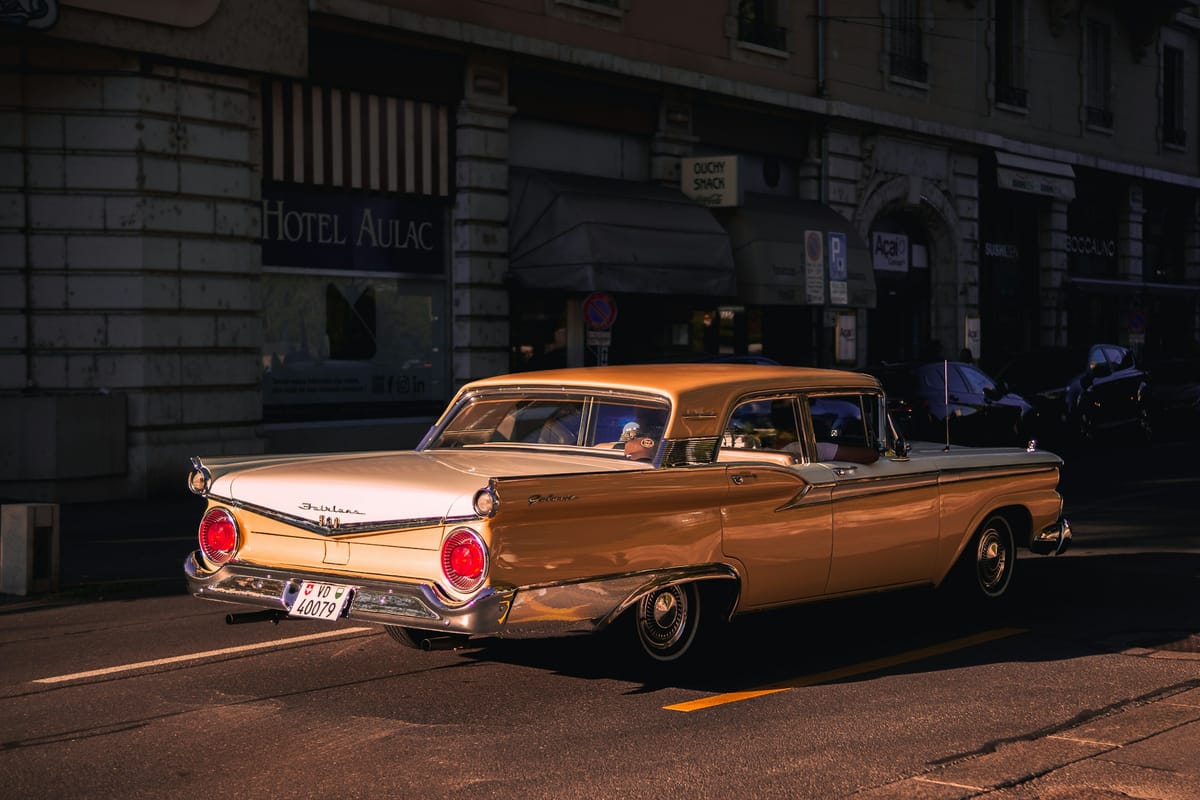
Lausanne, Western Europe
Lausanne: Olympic Soul on Lake Geneva
The Night Watchman Still Shouts: Every night from 10 PM to 2 AM, a town crier called Le Guet climbs to the cathedral belfry and shouts "C'est le guet! Il a s…