🇳🇿 New Zealand
New Zealand Travel Guide - Where Manaakitanga Meets the Edge of the World
4 destinations · Budget level 3
Overview
New Zealand (Aotearoa - 'Land of the Long White Cloud') sits at the bottom of the Pacific, one of the world's most recently settled landmasses, and that isolation shaped everything. Māori arrived from Polynesia around 1300 CE; European settlers followed in the 19th century. The result is a bicultural society - officially built on Te Tiriti o Waitangi (1840), a treaty between the British Crown and over 500 Māori rangatira (chiefs) - where two peoples navigate shared space with genuine complexity and occasional friction. Modern Kiwi identity fuses Māori concepts with colonial history and a Pacific geography that keeps everyone humble. Three cultural forces define New Zealand: 'tall poppy syndrome' (the fierce egalitarian impulse to cut down anyone who gets too big for their boots), 'number 8 wire mentality' (the legendary DIY resourcefulness of fixing anything with whatever's at hand), and 'she'll be right' (either the most optimistic or most avoidant phrase in the English language, depending on who you ask). Rugby isn't just sport - it's the country's shared religion, the All Blacks its priests. Māori culture is experiencing a powerful renaissance: te reo Māori (the Māori language) went from near-extinction to a government target of one million speakers by 2040, kōhanga reo (language nests) are raising a new bilingual generation, and concepts like manaakitanga (radical hospitality), kaitiakitanga (guardianship of the environment), and whanaungatanga (kinship and belonging) are shaping how the entire country thinks about tourism, conservation, and community. This is not Australia with sheep. New Zealand is its own psychologically complex, geographically extreme, culturally layered world.
Travel tips
Māori Marae Protocol: If invited to a marae (traditional gathering ground), this is a profound honor - treat it seriously. A pōwhiri (welcome ceremony) involves karanga (calls), whaikōrero (speeches), waiata (songs), and hongi (pressing noses to share breath and spiritual connection). Arrive early, dress modestly, remove shoes when entering the wharenui (meeting house), sit men in front rows during ceremonies, don't eat or drink during the ceremony, and bring a koha (gift/contribution, around NZD $20 per person minimum). Exact protocols vary between iwi (tribes) - follow your host's lead. Tall Poppy Awareness: Kiwis are deeply uncomfortable with overt self-promotion or boasting. If you're successful, downplay it. Locals will warm to you far more if you ask questions and show genuine curiosity than if you show off. Number 8 Wire Respect: Admire improvised solutions and DIY ingenuity - calling something 'good enough' or 'she'll do' is a compliment to Kiwi resourcefulness, not laziness. Driving Reality Check: Distance on Google Maps means nothing. New Zealand roads are narrow, winding, and genuinely scenic - budget twice the time you think a journey requires. Many serious accidents involve tourists unfamiliar with one-lane bridges (give way to vehicles already on the bridge), unexpected road surfaces, and reversing campers. Conservation Non-Negotiable: New Zealand biosecurity laws are extraordinarily strict - declare everything at customs (food, soil, wooden items) or face serious fines. Locals are genuinely passionate about protecting the country from invasive species that have already devastated native birds. 'Leave No Trace' isn't suggestion, it's culture. BYO Restaurant Culture: Many New Zealand restaurants are 'BYO' (Bring Your Own alcohol) - you can bring your own wine and pay a small corkage fee (NZD $5-15). Ask when booking. Tipping: Not expected and not practiced. Good service is standard - tipping can even confuse or embarrass some locals. Tiaki Promise: New Zealand asks all visitors to take the Tiaki Promise - to care for the land and people, leave places better than you found them, follow conservation guidelines, and minimize your impact.
Cultural insights
Understanding New Zealand requires grasping its bicultural foundation - not as a checkbox, but as an active, living tension. The Treaty of Waitangi was signed in 1840 but spent over a century being ignored by colonial government; the Māori renaissance that began in the 1970s (when Māori language was dying - fewer than 20% of Māori spoke it fluently by the 1980s) reversed this trajectory dramatically. Today te reo Māori has official language status, Māori words appear on government buildings, street signs, and news broadcasts, and non-Māori New Zealanders increasingly use te reo as shared national heritage rather than someone else's culture. This isn't finished work - debates over Treaty principles, indigenous land rights, and Māori political representation are active and sometimes heated. Travelers who engage with this complexity respectfully will find New Zealand far more interesting than the postcard version. Tall Poppy Syndrome is New Zealand's most psychologically interesting cultural trait. The egalitarian impulse means that achievers are expected to remain humble, that bragging about success earns social punishment, and that 'she'll be right' can mask genuine emotional suppression. New Zealand has some of the highest rates of mental health challenges in the developed world - the same stoic independence that built a pioneer nation can isolate modern individuals. Regional Identity is real: Auckland (home to one-third of New Zealand's population, plus 250,000 Pasifika residents making it the world's largest Polynesian city) is seen by the rest of the country as too big, too expensive, and too urban - the Sydney of New Zealand. Wellington is the cultural capital - compact, windy, cafe-obsessed, politically engaged, with a creative and intellectual self-consciousness. South Islanders ('Mainlanders') consider themselves tougher, more authentic, and less pretentious than North Islanders; their towns carry strong Scottish (Otago) and English (Canterbury) settler heritage. Māori culture is concentrated in the North Island - the Bay of Plenty, Waikato, Northland, and Gisborne regions have the highest proportions of Māori residents, while 85% of New Zealand's Māori population lives in the North Island. Rugby functions at a level beyond sport. The All Blacks performing the haka before international matches is a moment of collective identity that unifies the country across racial and class divides. Rugby is taught in primary schools, played across gender and ethnicity, and the All Blacks' success or failure genuinely affects national mood. Rugby is also one of the few spaces where Māori culture - especially through the haka - has been embraced by all New Zealanders as quintessentially national, though debates continue about commercial and sporting appropriation of the haka's spiritual significance. The Outdoor Imperative: Kiwis don't just enjoy the outdoors - they measure personal worth by engagement with it. The 'good keen man' archetype (a Barry Crump literary creation, later used in Toyota ads) is the capable, self-reliant, understated outdoorsman who fixes fences, shoots deer, and makes do. Tramping (hiking), fishing, hunting, surfing, and skiing aren't hobbies - they're part of who you are. The Department of Conservation manages three UNESCO World Heritage sites including Tongariro National Park (where Māori see certain volcanic peaks as sacred ancestors) and Te Wāhipounamu in the South Island. Pasifika Dimension: Often overlooked, New Zealand has the world's largest Pacific Islander diaspora. Samoan, Tongan, Fijian, and Cook Islands communities shape Auckland's food, music, and family culture in ways that make the city genuinely Pacific, not just European.
Best time to visit
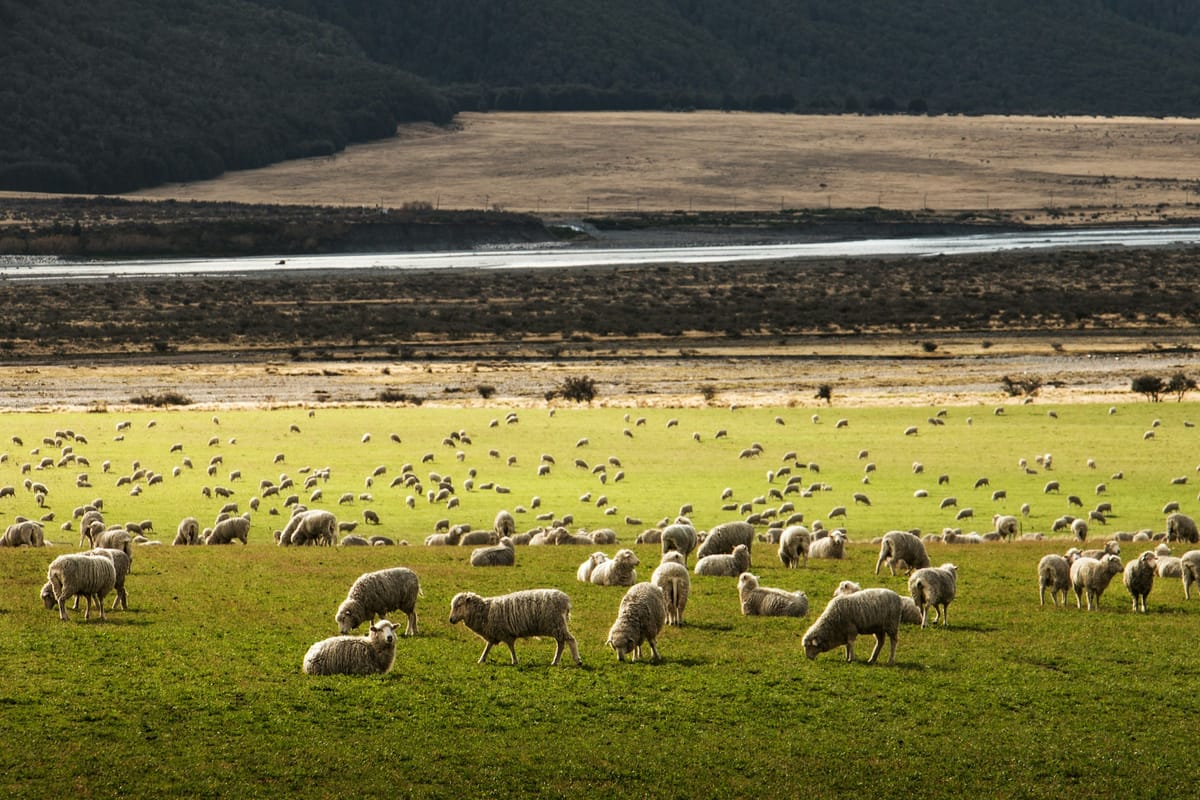
Summer (December-February): Prime season - long days (17+ hours of daylight), temperatures 20-30°C in most regions, beaches packed, DOC huts on Great Walks require advance booking months ahead, school holidays in January are peak peak season (avoid if you can). Best for beaches, water activities, and alpine hiking when snow has melted from high tracks. Autumn (March-May): New Zealand's secret best season. Temperatures still warm (15-25°C), leaves turning gold in Central Otago and Hawke's Bay wine country, harvest festivals, dramatically fewer tourists than summer, reasonable prices. March-April is ideal for the South Island. Winter (June-August): Skiing season in Queenstown and Wanaka (Remarkables, Coronet Peak, Cardrona), whale watching season at Kaikōura, fewer tourists everywhere, cozy pub culture in full swing. Temperatures 5-15°C on the coast, well below freezing in alpine areas. The North Island stays milder (10-18°C) year-round. Visiting in winter is very viable except for alpine hiking. Spring (September-November): Lambing season transforms the countryside, wildflowers bloom on the mountain passes, shoulder season prices kick in, temperatures rising from 10-20°C. October is particularly beautiful in Canterbury. Note that New Zealand seasons are reversed compared to the Northern Hemisphere, and the climate is highly localized - the West Coast of the South Island is one of the wettest places on Earth (5,000mm+ annual rainfall), while Central Otago, just 100km over the Southern Alps, is almost semi-arid. Always check regional forecasts. Unlike neighboring Australia, New Zealand's weather changes within hours - mountain conditions can shift from sunshine to dangerous blizzard in an afternoon.
Getting around
Rental Car/Campervan: The only realistic way to see New Zealand properly. Drive on the left, give way to the right at uncontrolled intersections, and take one-lane bridges seriously (give way to approaching traffic already on the bridge). Roads are scenic but slow - State Highway 6 along the West Coast or Highway 94 to Milford Sound are extraordinary drives, but a 200km journey can take 4 hours. Petrol costs around NZD $2.75-3.10/liter. Budget NZD $50-120/day for a small rental car, NZD $80-200/day for a campervan. Campervan culture is huge - freedom camping (camping outside designated sites) is allowed in specific areas, but rules are enforced and fines are real; self-contained certification required for most freedom camping. Domestic Flights: Air New Zealand connects Auckland, Wellington, Christchurch, Queenstown, Dunedin, and Nelson efficiently. Flights are short (45-90 minutes between main centres) and prices are reasonable if booked in advance (NZD $50-150 one way). The scenic flight into Queenstown over the Remarkables is itself worth the price. InterCity Bus: Budget option connecting main centres - comfortable coaches, Wi-Fi, NZD $25-80 per journey. The Naked Bus and InterCity networks cover most tourist routes. Ferry: The Interislander or Bluebridge ferry between Wellington and Picton crosses Cook Strait - a 3-hour journey through the Marlborough Sounds that is one of the world's great short sea voyages. Book ahead in peak season (NZD $55-130 per passenger, NZD $180-280 for a vehicle). Trains: Limited but scenic - the TranzAlpine from Christchurch to Greymouth crosses the Southern Alps in 4.5 hours and is one of the world's great rail journeys. Northern Explorer runs Auckland to Wellington. Hitchhiking: Still practiced and generally safe in New Zealand, especially in South Island tourist areas, though less common than in past decades.
Budget guidance
Budget Travel (NZD $70-120/day): DOC campsites (NZD $8-20/night) or hostel dorms (NZD $25-40/night), cooking your own food from New World/Pak'nSave supermarkets (NZD $15-25/day), using InterCity buses, hiking free tracks (most Great Walks require paid hut or camping passes of NZD $15-65/night in peak season). Budget for a fish and chips from a proper takeaway (NZD $8-14), a meat pie from a gas station bakery (NZD $5-8), and the occasional flat white (NZD $5-6). This style of travel is totally viable and how most working holiday visa holders live. Mid-Range (NZD $150-250/day): Motels (NZD $80-160/night), rental car (NZD $50-80/day), mixing cafes and supermarkets, café breakfast (NZD $18-28), lunch from a food truck or takeaway, dinner at a pub or mid-range restaurant (NZD $25-45 main). Include activities like kayaking ($80-130), wine tours in Marlborough ($80-150), or bungy jumping in Queenstown (NZD $165-250). Luxury (NZD $300-800+/day): Boutique lodges and eco-retreats (NZD $200-600/night), fine dining in Auckland or Queenstown (NZD $80-150+ for dinner), helicopter tours to glaciers or remote fiords (NZD $250-600), private wine experiences in Hawke's Bay or Martinborough, guided multi-day treks on private land. Queenstown Premium: As New Zealand's adventure capital, Queenstown is significantly more expensive than the rest of the country - budget an extra NZD $30-50/day above your usual estimate. A beer in Queenstown bar costs NZD $12-15 vs $8-10 elsewhere. New Zealand vs Australia Cost Comparison: New Zealand is slightly cheaper than Australia for accommodation and food, but adventure activities push budgets higher. The NZD $100 tourist levy paid on arrival applies to most international visitors from 2024.
Language
English is the primary everyday language, but spoken with a distinctive Kiwi accent that compresses vowels and swallows syllables in ways that confuse even other English speakers - 'fish and chips' sounds like 'fush and chups', 'yes' becomes 'yis', 'six' becomes 'sux'. Te reo Māori is an official co-language - used on government signage, TV news, and increasingly in everyday conversation by all New Zealanders. New Zealand Sign Language is also officially recognized. Essential Kiwi expressions: 'Yeah, nah' (no - this is 'no' despite starting with 'yeah'), 'Nah, yeah' (yes - also confusing), 'Sweet as' or 'Sweet as, bro' (all good, excellent), 'Chur' (thanks, cool), 'Munted' (broken, messed up), 'Dag' (funny person, term of affection), 'Tramping' (hiking), 'Jandals' (flip-flops), 'Togs' (swimwear), 'Bach' (holiday cottage, pronounced 'batch'), 'Arvo' (afternoon), 'Good as gold' (everything is fine). Basic te reo Māori phrases all travelers should learn: 'Kia ora' (hello/thank you - universally used by all New Zealanders), 'Tēnā koe' (formal greeting), 'Ngā mihi' (greetings/thanks), 'Kia kaha' (stay strong), 'Aroha' (love, compassion), 'Whanau' (family), 'Kai' (food). Māori place names are everywhere and pronouncing them correctly matters - most importantly, every vowel is pronounced (Whanganui is 'Fung-ah-new-ee', not 'Wonga-nooy'). Locals will deeply appreciate any effort.
Safety
New Zealand is one of the world's safest countries (ranked 4th globally on the Global Peace Index) with very low violent crime rates. The real risks are overwhelmingly natural and environmental. UV Radiation: The ozone hole above the Southern Hemisphere means New Zealand has among the world's most intense UV radiation - you can burn within 15 minutes on a summer day even in mild temperatures. SPF 50+ sunscreen applied frequently is non-negotiable from October to March. Changeable Weather: Mountain and coastal weather changes with frightening speed. Trampers (hikers) have died on tracks that looked easy in the morning because afternoon weather turned severe. Always register your intentions with a responsible person before multi-day hikes, check weather forecasts, and never underestimate the Southern Alps or volcanic plateau conditions. Ocean Hazards: New Zealand beaches are beautiful and dangerous. Rip currents are common - swim between the red and yellow flags at patrolled beaches, and if caught in a rip, swim parallel to shore rather than against it. The Tasman Sea on the West Coast is notorious for unexpected large swells. Sandflies: On the West Coast of the South Island (Fiordland, Milford Sound, Fox Glacier area) sandflies are genuinely ferocious - bring 50% DEET repellent and cover exposed skin at dawn and dusk when they're most active. They are not dangerous, just extremely annoying. Earthquake Awareness: New Zealand sits on the Pacific Ring of Fire and experiences thousands of earthquakes annually - most minor, some significant (Christchurch 2011). If indoors during a quake: Drop, Cover, Hold. Follow evacuation instructions if near the coast afterward (tsunami risk). Road Safety: Tourists are statistically over-represented in fatal road accidents. Narrow roads, jet lag, driving on the left, and campervan handling all contribute. Rest before driving long distances. Emergency: 111 for police, fire, ambulance. Mountain Search and Rescue is excellent but expensive without travel insurance - comprehensive insurance including emergency evacuation cover is strongly recommended.
Money & payments
New Zealand Dollar (NZD, symbol $) is the only currency accepted everywhere. Cards and contactless payment are extremely widely accepted - including at food trucks, market stalls, and rural gas stations - making New Zealand one of the most cashless-friendly countries in the world. ATMs are available in all towns. Representative Prices (2025): Flat white coffee NZD $5-6, Long black (espresso) NZD $4-5, Beer at a pub NZD $9-13, Craft beer NZD $10-15, Fish and chips (takeaway) NZD $8-14, Meat pie NZD $5-8, Café breakfast NZD $18-28, Restaurant dinner main NZD $28-48, Supermarket meal for two NZD $20-35, Hostel dorm NZD $28-45/night, Budget motel NZD $90-160/night, Petrol NZD $2.75-3.10/liter, InterCity bus Wellington-Christchurch NZD $35-75, Ferry Wellington-Picton NZD $55-130. No Tipping Culture: New Zealand has no tipping tradition - service workers are paid proper wages (minimum wage is NZD $23.15/hour from April 2024) and tipping is unexpected. Rounding up or leaving change is fine if service was exceptional, but leaving nothing is completely normal and will not cause offense. Budget Reality: New Zealand is expensive by Southeast Asian standards but comparable to Western Europe. The 'cheap Oceania destination' era is over - budget for roughly AU$50-80 less per day than Australia as a rough guide.
Destinations in New Zealand
Auckland, Oceania
Auckland: The City of Sails
Coffee Obsession: Kiwis take coffee seriously, locals know every good coffee spot in their neighborhood. Weather Mood Swings: Four seasons in one day is real…

Christchurch, Oceania
Christchurch: Rebuild & Resilience
Shoe Removal Culture: Wearing shoes indoors is uncommon in most Kiwi households - look for shoe racks at entrances and always ask if unsure. Earthquake Resil…
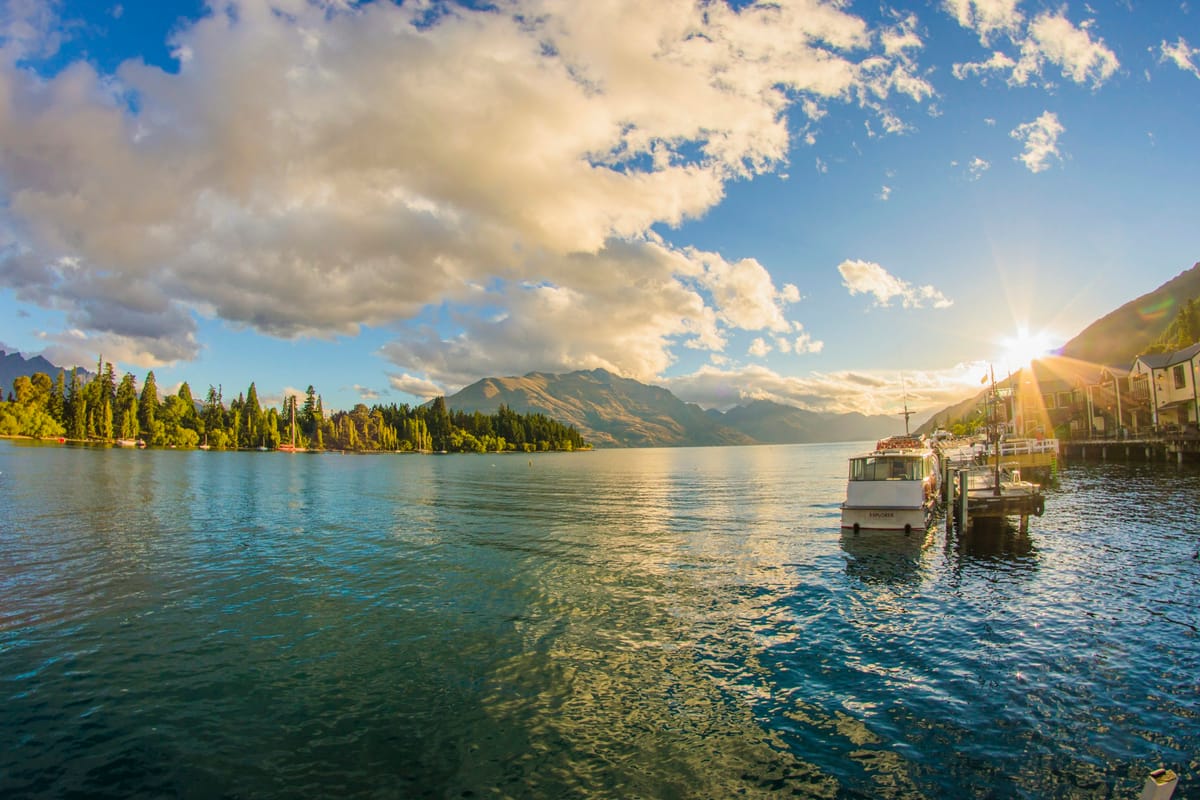
Queenstown, Oceania
Queenstown: Adventure Capital of the Southern Alps
Fergburger Queue as Social Event: The city's most famous burger joint has lines stretching down the footpath at 2 AM on weekends and locals treat waiting as …
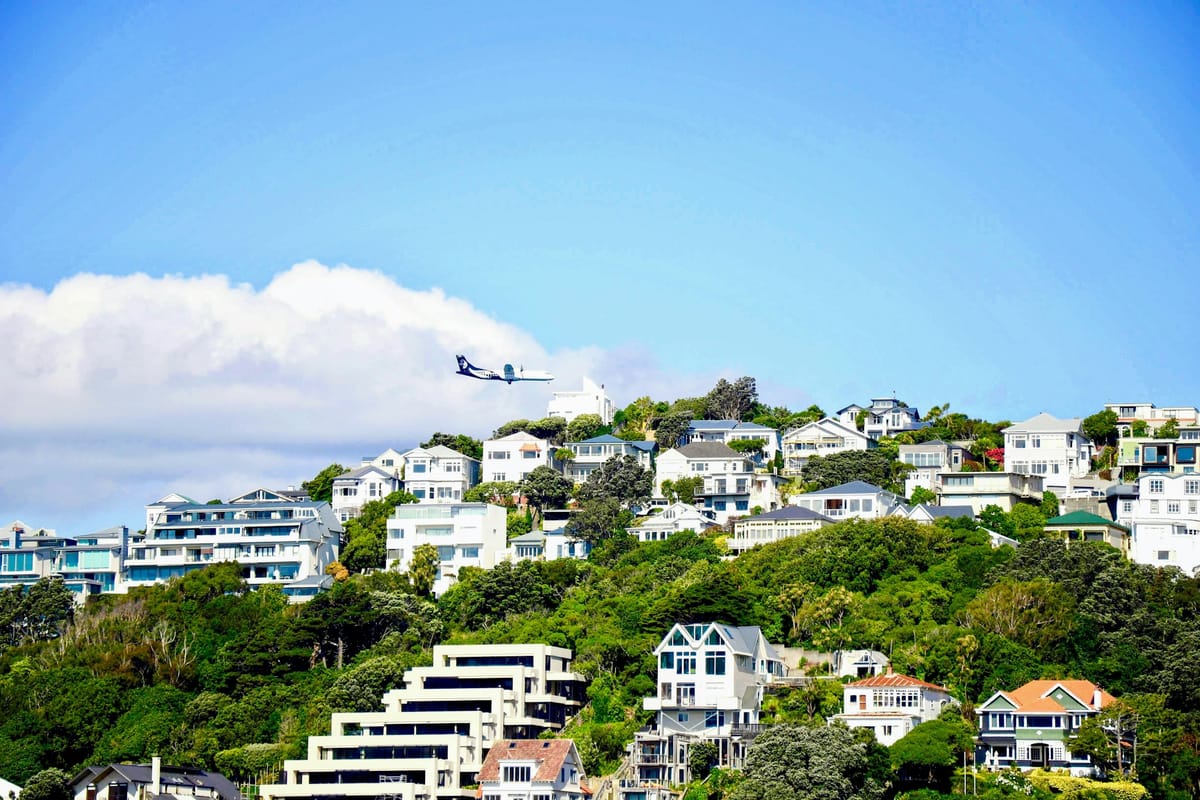
Wellington, Oceania
Wellington: The Coolest Little Capital
Hold Your Coffee With Both Hands: Wellington is officially the windiest city on the planet, funnelled by Cook Strait between the North and South Islands - lo…